

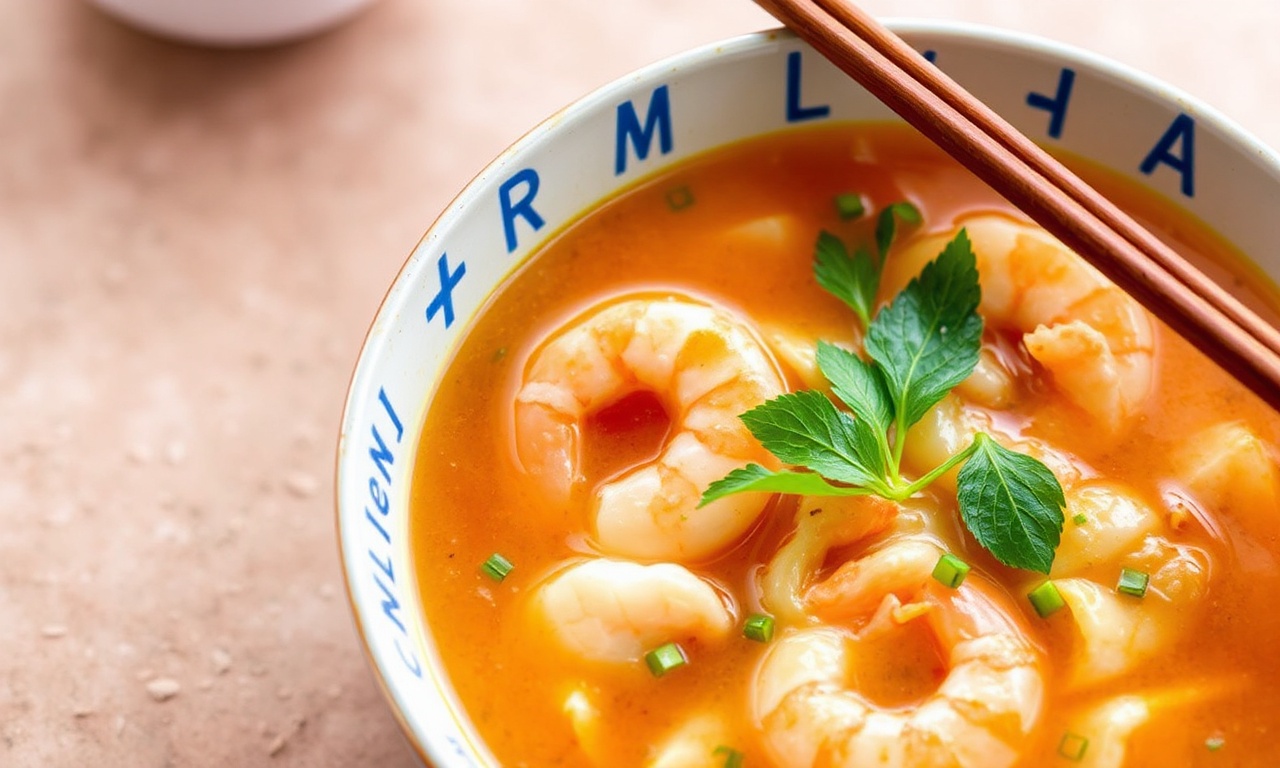
When you want a comforting soup with bright, lively flavor, Zesty Lemongrass Shrimp Soup delivers fast. The broth brings a citrus snap from lemongrass and lime, then finishes with clean, warming heat. The mix of spicy and sour works for weeknights and for hosting, too.
- Flavor: lemongrass aroma + lime tang + controlled chili heat.
- Texture: cook shrimp just until pink to keep them tender.
- Broth: simmer aromatics briefly, then remove them for less bitterness.
- Finish: add lime at the end so citrus stays sharp.
Zesty Lemongrass Shrimp Soup: What Makes It Shine
This soup hits in two phases: first it smells “top-bright,” then it warms your palate. Lemongrass gives a lemony, herbal note. Lime juice adds a clean sour line that lifts the seafood.
Next comes the heat. Chili supports the flavors, but it should not take over. Because shrimp cooks quickly, the broth stays fragrant instead of turning flat from long simmering.
For a deeper look at the herb, read about lemongrass and how its oils create that signature citrus-like aroma. Using fresh stalks matters because the steam from the broth carries those aromatic compounds directly to your nose.
Also, understand chili heat as a flavor system. Many people taste “heat” and “flavor” as one thing, but they separate in cooking. Background on chili peppers helps you adjust quantity with more confidence.
Key Ingredients That Build the Spicy, Sour Profile
Start with aromatics that bloom in hot fat. Use trimmed lemongrass stalks (smashed and sliced), then build a base with garlic, onion, and chili. This order helps you get layered flavor instead of a single citrus punch.
For sourness, use fresh lime juice and add it near the end. Extended heat drives off bright citrus aromas. That means your soup loses “snap” even if it still tastes sour.
Umami matters because it balances sour. Fish sauce adds depth, so the tang feels rounded instead of sharp. If you use soy sauce, aim for a similar umami punch; for reference, see fish sauce.
Finally, include aromatics that stay pleasant, not bitter. Galangal brings a warm, peppery complexity that pairs well with lemongrass. If you want a comparable aromatic perspective, check ginger, since the cooking logic—aromatic oils + quick simmer—overlaps.
Prep and Cook Time
This recipe fits a 35-minute dinner rhythm. You do fast prep, then the broth does most of the work. After that, you add shrimp only when the base is ready.
That timing keeps the shrimp tender and keeps the citrus lively. When shrimp overcooks, it tightens and turns bouncy. You want the opposite: a tender curl that stays juicy in the spoon.
- Planning: 15 minutes
- Cooking: 20 minutes
- Total Time: 35 minutes
Yield and Difficulty
This recipe makes 4 generous bowls. If you serve rice or noodles on the side, it easily covers a full family meal with hearty portions.
The difficulty stays Medium because you must time shrimp correctly. Chopping aromatics takes care, but the cooking steps stay simple and predictable.
Ingredients for Zesty Lemongrass Shrimp Soup
Use fresh ingredients to protect the aroma. Lemongrass should smell clean and bright. Shrimp should smell mild and ocean-like, not strongly “fishy.”
If you keep those standards, the soup tastes closer to restaurant quality. The flavor depends on a few key building blocks: lemongrass, lime, chili, and umami.
- 1 lb (450g) fresh shrimp, peeled and deveined
- 3 stalks fresh lemongrass, trimmed and smashed
- 4 cups (960ml) chicken or vegetable broth
- 3 cloves garlic, finely sliced
- 1 medium onion, thinly sliced
- 2 bird’s eye chilies, bruised (adjust to taste)
- 1 thumb-sized piece galangal, sliced
- 2 medium tomatoes, quartered
- 3 tbsp fish sauce (swap with soy sauce for vegetarian)
- 1 ½ tbsp fresh lime juice (plus wedges for serving)
- 1 tsp palm sugar (or brown sugar)
- 1 cup mushrooms, sliced (oyster or button)
- Fresh cilantro and sliced green onions for garnish
- Optional: Thai basil leaves for extra aroma
Instructions (Step-by-Step)
Follow the sequence closely. Aromatics need a short bloom time in hot liquid, while shrimp needs a brief cook window. That contrast builds the “spicy, sour delight” without muddy flavors.
Also, taste as you go. Lime and chili both change fast, so a quick adjustment gives you a better final bowl.
- Prepare the aromatics: Crush and thinly slice lemongrass to release oils. Slice galangal, garlic, onion, and chilies so they infuse evenly.
- Sauté the base: In a large pot, warm 1 tbsp neutral oil over medium heat. Sauté garlic and onion for about 3 minutes, until softened and fragrant, but avoid browning.
- Simmer the broth: Add broth, lemongrass, galangal, and chilies. Bring to a gentle simmer, then cook for about 10 minutes to blend flavor.
- Add shrimp and mushrooms: Stir in mushrooms first, then add shrimp. Cook until shrimp turn pink and curl, about 3–4 minutes. Stop right when they finish.
- Incorporate tomatoes and seasoning: Add tomatoes, fish sauce, lime juice, and palm sugar. Stir, then taste for balance of spicy, sour, and lightly sweet.
- Final touches: Turn off the heat. Remove lemongrass and galangal. Garnish with cilantro, green onions, and Thai basil if using, then serve with extra lime wedges.
Tips for Success (So the Broth Stays Bright)
Small choices protect aroma. Lemongrass quality, lime timing, and shrimp doneness drive the final taste and texture. When you handle those three areas well, the soup stays crisp instead of heavy.
For aromatics, focus on “release, then remove.” For citrus, focus on “late addition.” For shrimp, focus on “short cook.” That trio keeps the soup bright and satisfying.
- Fresh lemongrass selection: Pick firm, pale stalks with no soft spots. Use the lower third for stronger aroma.
- Balance the heat: Start with fewer chilies. You can always add more after tasting.
- Maximize tanginess: Add lime juice near the end. Avoid overboiling lime since citrus aroma fades with extended heat.
- Make-ahead: Prep the broth base up to a day ahead. Reheat gently, then stir in fresh lime and garnish just before serving.
- Vegetarian variation: Use vegetable broth and soy sauce. Swap shrimp for tofu or extra mushrooms, and keep the same timing approach.
To keep flavors vivid, remove bulky aromatics after simmering. When lemongrass and galangal sit in the pot too long, the broth can shift toward bitterness. A short simmer gives flavor release without harsh notes.
For citrus basics and why timing matters, review lime (fruit). Lime flavor depends on aromatic compounds that fade with prolonged heat, so “near the end” keeps the taste punchy.
Also, don’t let your broth boil aggressively. A gentle simmer keeps aromatics stable and helps shrimp cook evenly. If your pot rolls into a hard boil, shrimp can overcook at the edges faster.
If you want to fine-tune spice, understand that chili heat grows with contact time. You can bruise chilies for flavor but remove them if you prefer a milder bowl. That simple control often fixes “too hot” complaints without changing the recipe.
Serving Suggestions for Maximum Enjoyment
Serve the soup hot right after garnishing. Fresh herbs taste brighter when they stay warm, and lime flavor peaks before it dulls. If you wait too long, the citrus aroma softens.
For a filling meal, serve with jasmine rice or rice noodles. The starch absorbs broth and rounds the spicy-sour edge, making each spoonful more balanced.
For general rice guidance, see rice. Choose jasmine for a fragrant base, or use plain white rice if you want the soup to lead.
You can also add contrast on the side. Try a crisp cucumber salad or quick pickles with a touch of sugar. The cool crunch balances warm broth and makes lime taste even brighter.
Nutritional Snapshot (Per Serving)
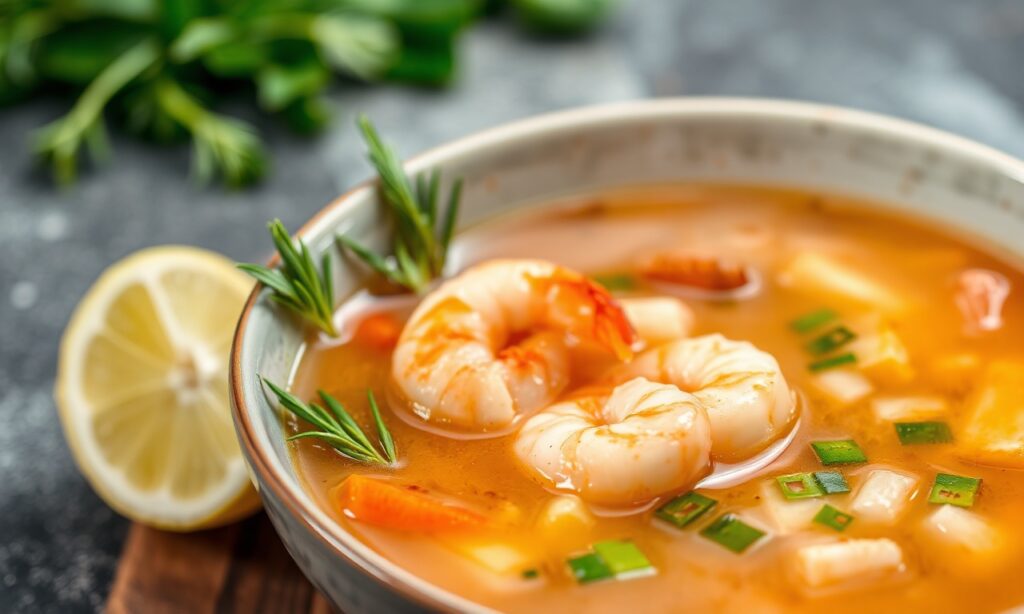
Nutrition varies by shrimp size, broth base, and how much sugar you use. Garnishes can also change totals slightly. The estimates below fit typical portions for a broth-forward soup like this one.
If you want tighter tracking, weigh your sugar and confirm your broth nutrition label. Then adjust serving size to match your goals.
| Nutrient | Per Serving |
|---|---|
| Calories | 180 kcal |
| Protein | 22 g |
| Carbohydrates | 8 g |
| Fat | 4 g |
FAQ: Zesty Lemongrass Shrimp Soup
What makes Zesty Lemongrass Shrimp Soup different from other shrimp soups?
It combines lemongrass aroma with a tuned spicy-sour finish. Many shrimp soups lean creamy or deeply savory, but this one stays bright and clean.
The sourness lifts shrimp sweetness instead of covering it. Fresh aromatics plus late lime do most of the work.
How do I control the heat level?
Start with fewer chilies and taste after simmering. Add more only if you want extra bite, because you can’t easily “undo” heat.
You can also remove chili pieces after simmering. Leaving fewer chili fragments usually reduces both heat and lingering spice.
Can I make this soup gluten-free?
Yes. Use a gluten-free fish sauce or use tamari instead of regular soy sauce. Always check labels for hidden wheat.
The flavor stays balanced because umami still supports the sour and aromatic base. Lemongrass and lime remain the main sensory anchors.
When should I add lime juice for best results?
Add lime juice near the end of cooking, right after you turn down the heat. That timing protects citrus aroma and keeps the tang sharp.
For even brighter bowls, add a small splash at serving time too. Taste first so the soup stays balanced rather than too sour.
How long can I store leftovers, and how should I reheat them?
Store leftovers in an airtight container for up to 2 days in the refrigerator. Reheat gently on the stovetop to avoid overcooking shrimp.
If the broth thickens, add a splash of broth or water. Then add fresh lime and herbs after reheating for best flavor.
Final Thoughts
Zesty Lemongrass Shrimp Soup uses a simple method: aromatic broth first, shrimp second, then lime at the end. That sequence delivers spicy, sour delight without complexity.
When you follow the timing and balance steps, the soup tastes clean, fragrant, and confidently bold. You get a warm bowl that stays bright from the first spoonful to the last.
See also: lemongrass shrimp
- Zesty Lemongrass Shrimp Soup: What Makes It Shine
- Key Ingredients That Build the Spicy, Sour Profile
- Prep and Cook Time
- Yield and Difficulty
- Ingredients for Zesty Lemongrass Shrimp Soup
- Instructions (Step-by-Step)
- Tips for Success (So the Broth Stays Bright)
- Serving Suggestions for Maximum Enjoyment
- Nutritional Snapshot (Per Serving)
- FAQ: Zesty Lemongrass Shrimp Soup
- What makes Zesty Lemongrass Shrimp Soup different from other shrimp soups?
- How do I control the heat level?
- Can I make this soup gluten-free?
- When should I add lime juice for best results?
- How long can I store leftovers, and how should I reheat them?
- Final Thoughts