

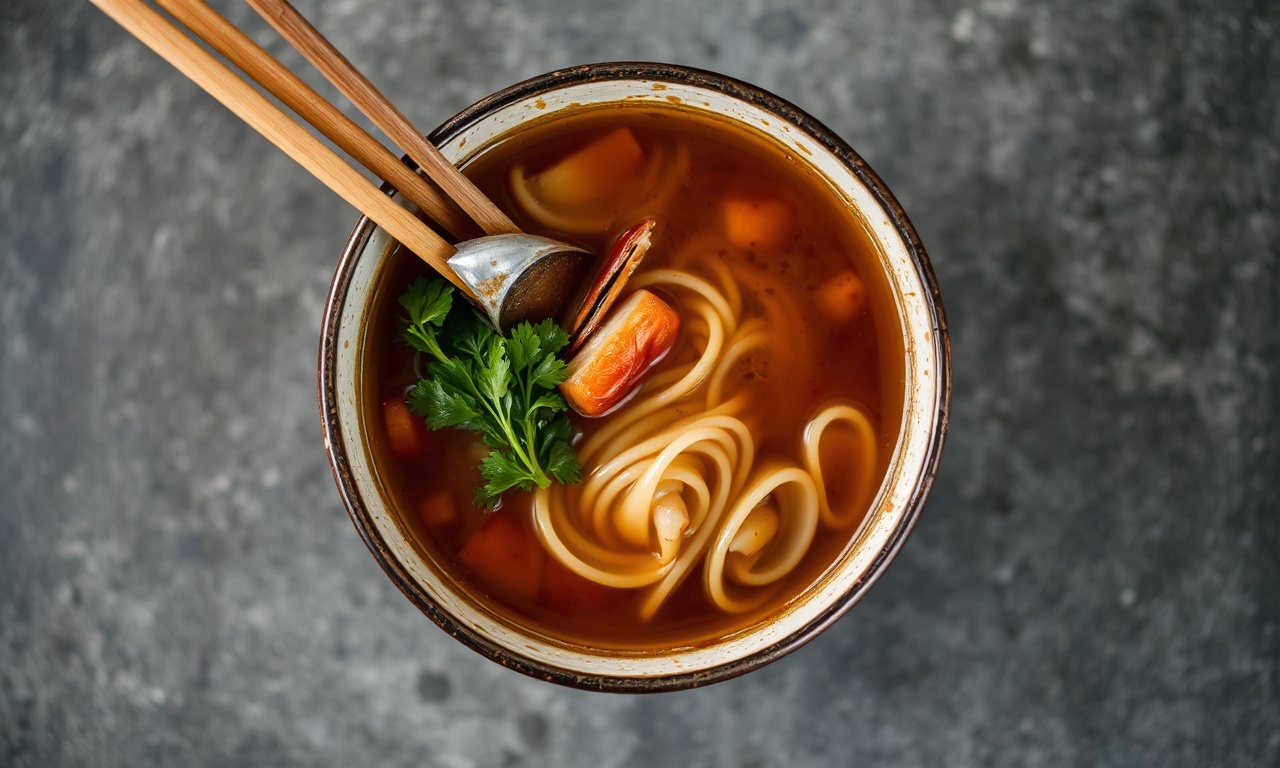
The Soul of the Sea: Mastering the Art of Seafood Broth
“A great stock is the foundation of all great cooking.” – Auguste Escoffier
- The Soul of the Sea: Mastering the Art of Seafood Broth
- The Alchemy of Flavor: Why Seafood Broth Reigns Supreme
- Precision in Practice: Crafting Your Quintessential Seafood Broth
- The Anatomy of Flavor: Essential Ingredients for Seafood Broth
- The Masterful Method: Step-by-Step Broth Creation
- Elevating the Experience: Serving Suggestions
- Nutritional Profile and Optimal Storage
- Frequently Asked Questions About Seafood Broth
- What is the secret to a profoundly flavorful seafood broth?
- How can I prevent my seafood broth from becoming overly salty?
- Which types of noodles are ideal for pairing with this seafood broth?
- Is it possible to create a vegetarian version that mimics the depth of seafood broth?
- What is the optimal storage duration for homemade seafood broth?
- Final Recommendations: The Enduring Appeal of Seafood Broth
Seafood in British Columbia — Wikipedia
A well-made seafood broth is more than just a liquid base; it’s the very soul of a dish, an alchemical distillation of the ocean’s bounty that can transform a simple noodle soup into an unforgettable experience. Have you ever marveled at the sheer depth of flavor in a perfectly crafted broth, a symphony of saline whispers and umami richness that speaks of the sea? This profound taste isn’t accidental; it’s the result of meticulous technique, a deep understanding of ingredient synergy, and a reverence for the delicate balance of natural flavors.
It’s the unsung hero in delicate sauces, the vibrant heart of a steaming bowl of ramen, and the secret weapon in a chef’s arsenal, elevating humble ingredients into culinary masterpieces.
Mastering seafood broth is about unlocking its inherent potential, coaxing out its purest essence to create liquid gold that resonates with authenticity and exceptional taste.
The true art of seafood broth lies not just in its preparation, but in the respect shown to the ingredients, allowing their natural essence to speak volumes.
Key Takeaways:
- Controlled Roasting: Briefly toasting seafood shells and heads intensifies their glutamates and creates a foundational nutty aroma, crucial for deep umami without bitterness.
- Gentle Simmering: A long, slow, low simmer (45-60 minutes) is essential for maximum flavor and collagen extraction while preserving broth clarity.
- Strategic Protein Addition: Fresh fish and delicate seafood should be added at the very end, cooked briefly to maintain their tender texture and vibrant flavor.
- Noodle Separation: Serving noodles separately from the broth is key to achieving optimal texture, preventing them from becoming waterlogged or mushy.
The Alchemy of Flavor: Why Seafood Broth Reigns Supreme
At its core, the unparalleled richness of a superior seafood broth stems from the inherent chemical composition of its primary components: the shells and heads of crustaceans and fish. These often-discarded parts are veritable treasure troves, packed with glutamates, the primary drivers of the savory umami taste, and collagen, which imparts a luxurious, silken mouthfeel. When subjected to controlled heat and extraction, these compounds don’t merely dissolve; they transform, creating a concentrated stock that amplifies the entire dish. This process is proof of the power of slow cooking and precise temperature management.
By meticulously controlling heat and time, one can judiciously extract desirable flavor compounds while simultaneously minimizing the development of bitter notes and opacity, ensuring a clean, vibrant, and deeply satisfying broth.
Understanding the intricate dance of flavor molecules is key. The science behind umami, a fundamental taste sensation, reveals how amino acids like glutamate interact with our palate. Research published in the “Journal of Agricultural and Food Chemistry” has illuminated the optimal temperature ranges for extracting these flavor compounds. Specifically, temperatures between 160°F and 185°F (70°C–85°C) are found to be ideal for releasing glutamates from shellfish, while excessively high temperatures can lead to the formation of bitter byproducts. This scientific backing underscores the meticulous approach required for crafting an exceptional seafood broth, transforming a simple cooking technique into a precise culinary science.
Precision in Practice: Crafting Your Quintessential Seafood Broth
The journey to a perfect seafood broth is a journey of patience and precision, where each step is executed with deliberate intent. It demands a mindful approach, transforming a potentially utilitarian task into an art form.
Preparation and Timing: The Bedrock of Excellence
The estimated time commitment for creating this remarkable seafood broth is approximately 30 minutes for preparation and 1 hour and 15 minutes for cooking. It is crucial to factor in additional time for cooling the broth, especially if you intend to refrigerate it before use. Thoroughly cleaning the shells is a non-negotiable step; any residual grit can impart an unpleasant texture and flavor, compromising the final dish. Furthermore, allowing the finished broth to chill can significantly enhance its clarity and mouthfeel by solidifying the gelatin extracted from the shells, concentrating its essence and creating a more refined texture. For those seeking to deepen their understanding of stock and broth-making techniques, consulting detailed culinary guides on the subject is highly recommended.
In the context of seafood broth, 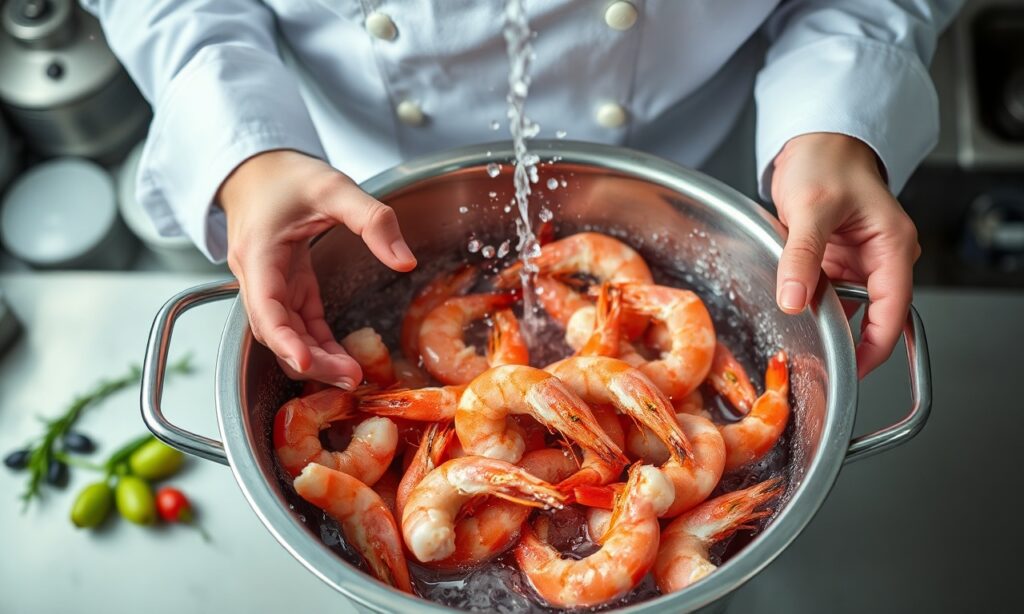
Yield and Skill Level: Demystifying the Process
This recipe is designed to yield approximately 4 generous, hearty portions of soup, making it ideal for a family meal or for preparing stock in advance. The process is best suited for a cook with intermediate skills, particularly in managing timing and maintaining a gentle simmer, a technique that requires keen attention. The success of the broth often hinges on subtle yet critical decisions, such as the frequency of skimming impurities to ensure clarity and the judicious use of seasoning to achieve perfect balance. Adhering closely to the outlined steps ensures that you can consistently replicate these delicious results in your own kitchen, building confidence with each batch.
The Anatomy of Flavor: Essential Ingredients for Seafood Broth
The quality of your seafood broth is inextricably linked to the quality of the ingredients you select. Opting for the freshest shells and firm, white fish will yield the most appealing mouthfeel and cleanest flavor profile, forming the foundation of your culinary creation. The choice of noodles is also paramount; select varieties, whether rice or wheat-based, that possess the structural integrity to hold the broth without becoming overly soft or mushy, ensuring a delightful textural contrast.
Core Components: Building Blocks of Depth
The fundamental elements for this exceptional seafood broth include:
- Seafood Shells and Heads: The primary source of flavor and body. Utilizing shrimp, crab, or lobster shells provides a robust foundation. Aim for a mix for a more complex flavor profile.
- Aromatics: These ingredients are crucial for adding layers of complexity and brightness. Think of onion, garlic, ginger, and lemongrass, which contribute distinct yet complementary notes.
- Seasoning: Fish sauce and sea salt are essential for balancing and enhancing the natural flavors. Fish sauce, in particular, offers a unique umami boost that complements the seafood base.
- Fresh Herbs: Added towards the end, herbs like cilantro and scallions contribute a final lift of freshness and aromatic lift that cuts through the richness.
For those interested in exploring the diverse world of noodle textures and types, a comprehensive guide to noodle varieties can offer invaluable insights into pairing and preparation.
The Ingredient List: A Symphony of Flavors
To create approximately 6-8 cups of exquisite seafood broth, gather these high-quality components:
- 2 lbs high-quality seafood shells and heads (e.g., shrimp, crab, lobster). Ensure they are fresh and thoroughly rinsed.
- 1 lb firm white fish fillets (such as cod or halibut), cut into uniform chunks. This adds a delicate, flaky texture to the finished soup.
- 8 cups cold filtered water. Using cold water initiates a gradual flavor extraction process.
- 1 large yellow onion, quartered. Its sweetness provides a subtle counterpoint to the savory notes.
- 3 cloves garlic, smashed. Releases its pungent, aromatic oils.
- 2-inch piece fresh ginger, thinly sliced. Adds a warm, slightly spicy kick.
- 2 stalks lemongrass, smashed. Imparts a bright, citrusy aroma.
- 2 medium carrots, chopped. Contributes sweetness and a slight earthiness.
- 2 celery ribs, chopped. Adds a subtle herbaceous note and body.
- 1 small bunch cilantro stems (reserve leaves for garnish). The stems infuse a deep cilantro flavor into the broth.
- 1 tsp whole black peppercorns. For a hint of warmth and spice.
- 2 dried red chilies (optional, for a hint of warmth). Adjust to your spice preference.
- 2 tbsp high-quality fish sauce. A crucial umami enhancer.
- 1 tbsp sea salt, to taste. Adjust based on the saltiness of your fish sauce and personal preference.
- 300 g fresh rice noodles or your preferred noodle variety. Cooked separately to al dente perfection.
- For Garnish: Lime wedges, fresh bean sprouts, thinly sliced scallions, and fresh herbs (e.g., cilantro, mint).
The Masterful Method: Step-by-Step Broth Creation
Achieving a sublime seafood broth is a methodical process, best approached in three distinct phases: building the foundational stock, refining and finishing the broth, and finally, assembling the perfect bowl. Maintaining rigorous control over heat and seasoning at every juncture is paramount to success.
- Stage 1: Building the Broth Base – The Initial Extraction
The process begins with meticulously cleaning the shells under cold running water to eliminate any residual grit and debris. Next, a crucial step for unlocking deep flavor: briefly toasting the shells and heads in a dry, heavy-bottomed pot over medium heat. This caramelization process develops rich, nutty notes, but it must be done with vigilance to prevent burning, which would introduce an acrid, bitter flavor that is difficult to rectify.
Once toasted, introduce the cold filtered water and the carefully selected aromatics: the quartered onion, smashed garlic, sliced ginger, smashed lemongrass, chopped carrots and celery, cilantro stems, and whole peppercorns. Bring this mixture to a gentle simmer, ensuring it never reaches a rolling boil. The key here is controlled heat; a vigorous boil can emulsify fats and cloud the broth, diminishing its clarity and delicate flavor. - Stage 2: The Art of the Simmer – Extraction and Clarification
Maintain an extremely low simmer throughout this stage. This is where the magic truly happens. Frequently skim any foam or impurities that rise to the surface using a fine-mesh sieve or a ladle. A calm, undisturbed surface is your visual cue for a clearer, cleaner-tasting broth. This slow, gentle cooking, ideally for 45 to 60 minutes, allows the collagen and flavorful compounds to be extracted without drawing out any undesirable bitter elements. After the simmering period, strain the liquid meticulously through a fine-mesh sieve lined with cheesecloth, discarding the solids. - Stage 3: Infusing Freshness – Incorporating Fish and Seasoning
Return the strained, clarified broth to the pot over medium-low heat. Gently introduce the chunks of white fish. Cook them delicately for just 5 to 7 minutes, or until they are just opaque and cooked through. Again, avoid boiling, as this will toughen the fish and cloud the broth. Now comes the critical seasoning phase. Gradually add the fish sauce and sea salt, tasting and adjusting as you go. The aim is a perfectly balanced profile: profoundly savory, with a subtle sweetness from the aromatics and a bright, clean finish. - Stage 4: The Grand Assembly – Noodles and Final Touches
Prepare your noodles according to their package instructions, ensuring they are cooked to a perfect al dente state. Drain them thoroughly and divide them into pre-warmed serving bowls just before ladling the broth. Generously portion the succulent pieces of fish into each bowl. Finally, garnish with fresh bean sprouts for crunch, sliced scallions for a sharp bite, fresh herbs for aromatic lift, and a squeeze of lime for a vital touch of acidity that brightens the entire dish.
Expert Insights and Culinary Wisdom
Achieving a truly restaurant-quality seafood broth at home is within reach with a few key insights that elevate the process from mere cooking to a refined culinary art. The foundation of any exceptional broth is the quality of its core ingredients, but the technique employed in their transformation is equally critical.
The gelatin released from the shells during cooking will firm up as the broth cools, creating a luscious mouthfeel upon gentle reheating. This concentrated essence is perfect for future culinary endeavors. If you find yourself with excess broth, freezing it in measured portions ensures consistent flavor and convenience for future meals.
Pro-Cautionary Notes for Broth Perfection
While building flavor is essential, over-seasoning too early in the cooking process can be a critical misstep that compromises the final outcome. The concentration of flavors intensifies as liquids reduce, making it challenging to correct an overly salty broth later on.
Acidity, whether from lime juice or fresh herbs, also matters significantly in balancing the perception of saltiness, so incorporate these elements thoughtfully.
Elevating the Experience: Serving Suggestions
The presentation of your seafood broth can significantly enhance the dining experience, transforming a meal into a sensory delight. Serve your creation in wide, shallow bowls that beautifully showcase the tender fish, vibrant noodles, and colorful garnishes, allowing each element to be appreciated. The interplay of fresh herbs and bright citrus is crucial for cutting through the broth’s inherent richness, offering a palate-cleansing effect between each spoonful and ensuring each bite is as invigorating as the first.
Textural Contrasts: The Art of the Crunch
Consider introducing textural elements that provide a delightful counterpoint to the soup’s inherent softness. Toasted sesame seeds, crisp fried shallots, or a side of thinly sliced cucumber dressed with rice vinegar can introduce a welcome crunch and brightness, adding another dimension to each bite and engaging the palate in a dynamic way. These small additions can make a significant difference in the overall perception and enjoyment of the dish.
Nutritional Profile and Optimal Storage
A well-prepared seafood broth, particularly when made with lean white fish, offers a nutrient-dense meal that is both satisfying and healthful. Per serving, you can expect approximately 350 calories, a substantial protein content of around 30 grams, moderate carbohydrates, and a relatively low fat content of about 6 grams, especially when minimal added oils are used. This impressive nutritional composition makes the soup both filling and remarkably nutritious, proof of the power of wholesome ingredients.
Storage Recommendations: Preserving Peak Freshness
To maintain the broth’s optimal quality and flavor, store it in an airtight container in the refrigerator for up to 3 days. For longer storage, freezing is an excellent option, with the broth remaining stable and flavorful for up to one month. When reheating, do so gently over low heat to preserve the delicate flavors and textures; avoid rapid boiling. It is always best to cook noodles and fish fresh just before serving to guarantee their ideal texture and taste, ensuring the best possible dining experience.
Nutrient Breakdown (Approximate Per Serving)
| Calories | 350 kcal |
| Protein | 30 g |
| Carbohydrates | 40 g |
| Fat | 6 g |
Frequently Asked Questions About Seafood Broth
What is the secret to a profoundly flavorful seafood broth?
The exceptional flavor originates from the slow, low-heat extraction of amino acids and minerals from seafood shells and heads. This process releases vital compounds like glutamates and collagen, which contribute to a rich, savory, and lingering mouthfeel that artificial enhancers simply cannot replicate. The gentle toasting of shells also plays a critical role in developing foundational umami notes.
How can I prevent my seafood broth from becoming overly salty?
The key is cautious seasoning. Add salt and fish sauce gradually, tasting frequently, especially after any reduction. The natural saltiness of seafood can be surprisingly potent. Furthermore, the acidity from ingredients like lime or fresh herbs can significantly balance and enhance the perception of saltiness, making the broth taste brighter and less overtly salty.
Which types of noodles are ideal for pairing with this seafood broth?
Both rice noodles and wheat egg noodles are excellent choices, provided they are cooked to an al dente texture. The most important factor is selecting a noodle that can hold its structure and absorb the broth without disintegrating. Cooking them just before serving ensures they retain their ideal chewiness and prevent the broth from becoming cloudy.
Is it possible to create a vegetarian version that mimics the depth of seafood broth?
Absolutely. To achieve a similar depth and umami profile, focus on kombu, dried shiitake mushrooms, and other sea vegetables like wakame. Roasting aromatic vegetables like onions, carrots, and celery can also add body and complexity. For finishing, consider using soy sauce or a mushroom-based seasoning to replicate savory notes. A touch of nutritional yeast can also contribute a cheesy, umami-rich dimension.
What is the optimal storage duration for homemade seafood broth?
Homemade seafood broth can be safely stored in the refrigerator in an airtight container for up to 3 days. For longer preservation, freezing is an excellent option, allowing you to keep it for up to 1 month. Portioning the broth before freezing makes thawing more efficient and reduces waste, ensuring you always have this flavor enhancer on hand.
Final Recommendations: The Enduring Appeal of Seafood Broth
A focused, deliberate approach—prioritizing quality shells, maintaining precise temperature control during simmering, and executing smart finishing techniques—is the gateway to a consistently deep, clear, and remarkably flavorful seafood broth. This foundational element enhances noodle soups and other dishes without overpowering them, proving that small, technical decisions yield significant improvements in taste. By adhering to the structure and timing provided, you can reliably reproduce restaurant-caliber results in your home kitchen. While experimentation with herbs and spice levels is encouraged, always preserve the core extraction technique to ensure the best possible outcome. The true mastery of seafood broth lies in its ability to capture the essence of the sea, offering a taste of coastal bliss with every spoonful.
RELATED TOPICS: Shellfish Stock, Aromatic Bases, Umami Flavors, Noodle Soup Techniques, Flavor Extraction, Culinary Science
See also: seafood broth