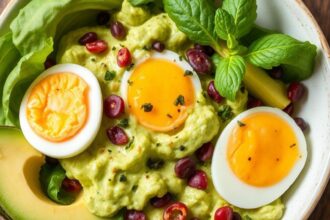

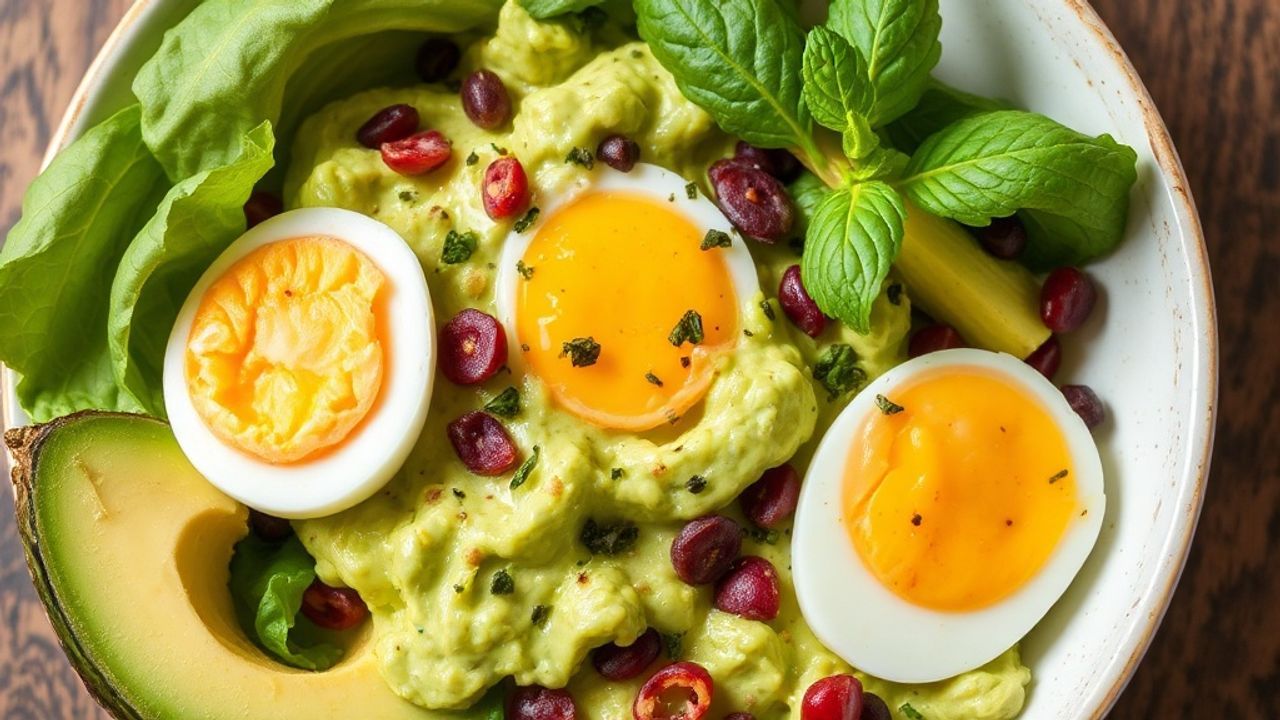
Creamy avocado egg salad updates a classic with real nutrition and satisfying texture. Use ripe avocado for the base and high-quality hard-boiled eggs for protein to create a balanced, flavorful dish.
- Why this avocado egg salad works
- Prep and Cook Time
- Yield & Difficulty
- Ingredients
- Instructions
- Tips for Success
- Serving Suggestions
- Nutrition Snapshot
- FAQ
- Is this avocado egg salad healthier than traditional egg salad?
- How do I stop the avocado from browning?
- Can I prepare this ahead of time?
- What are good substitutes for egg for a vegan version?
- How should I choose an avocado for this recipe?
- In Retrospect
- Key takeaway: Avocado delivers healthy monounsaturated fats and creaminess without relying on heavy mayonnaise.
- Time: Ready in about 25 minutes including boiling and cooling eggs.
- Versatile: Use as a sandwich filling, toast topper, or light salad on greens.
- Storage: Best consumed within 48 hours to minimize browning.
Why this avocado egg salad works
This version balances fat, protein, and texture for satiety and mouthfeel. The avocado provides creaminess and micronutrients while eggs add protein and structure.
For context on the ingredients, review core references such as the avocado entry and the general egg article to understand nutrient profiles and culinary uses.
Prep and Cook Time
Readiness: 15 minutes prep; Cook Time: 10 minutes for boiling eggs; total roughly 25 minutes including cool-down. These are realistic times for home cooks.
Allow at least 20 minutes of chilling after assembly so flavors meld. Resting improves texture and reduces perceived saltiness.
- Readiness: 15 minutes
- Cook Time: 10 minutes (for boiling eggs)
- Total Time: 25 minutes
Yield & Difficulty
This recipe serves 4 generous portions and scales easily. Double or halve ingredients to match the crowd without changing technique.
Difficulty: easy. The steps require basic knife skills and straightforward cooking of eggs; any home cook can execute reliably.
Ingredients
Gather high-quality components before you start. Using ripe fruit and fresh herbs elevates the final salad.
Core ingredients include six large hard-boiled eggs and one ripe avocado plus simple seasonings for balance.
- 6 large eggs, hard-boiled and peeled
- 1 ripe avocado, peeled and pitted
- 2 tablespoons plain Greek yogurt (or mayonnaise for richer creaminess)
- 1 tablespoon fresh lemon juice to brighten and slow oxidation
- 1 teaspoon Dijon mustard for subtle tang
- 2 tablespoons finely chopped red onion for crunch
- 2 tablespoons chopped fresh cilantro or parsley for herbal freshness
- Salt and freshly ground black pepper, to taste
- Optional: smoked paprika or a pinch of chili flakes for heat
Instructions
Follow simple sequencing: cook eggs, prep avocado base, combine, season, and chill. This order preserves texture and prevents overmixing.
Keep paragraph-length steps short and actionable for mobile readers and quick reference while cooking.
- Prepare the eggs: Place eggs in a single layer in a pot, cover with cold water, bring to a rapid boil, then reduce to a simmer for 9-10 minutes. Immediately transfer eggs to an ice bath to stop cooking and ease peeling.
- Mash the avocado: Scoop avocado into a bowl and mash with a fork until creamy but slightly chunky. Stir in lemon juice to maintain color and add brightness.
- Combine creamy elements: Mix Greek yogurt and Dijon into the mashed avocado until smooth and well integrated.
- Chop eggs: Roughly chop cooled eggs and fold them into the avocado mixture, preserving textural contrast between creamy and chunky pieces.
- Add aromatics and season: Fold in red onion and herbs, then season with salt and pepper; adjust acidity or heat with lemon or paprika to taste.
- Chill: Cover and refrigerate for at least 20 minutes to let flavors marry. Resting makes the salad taste more cohesive.
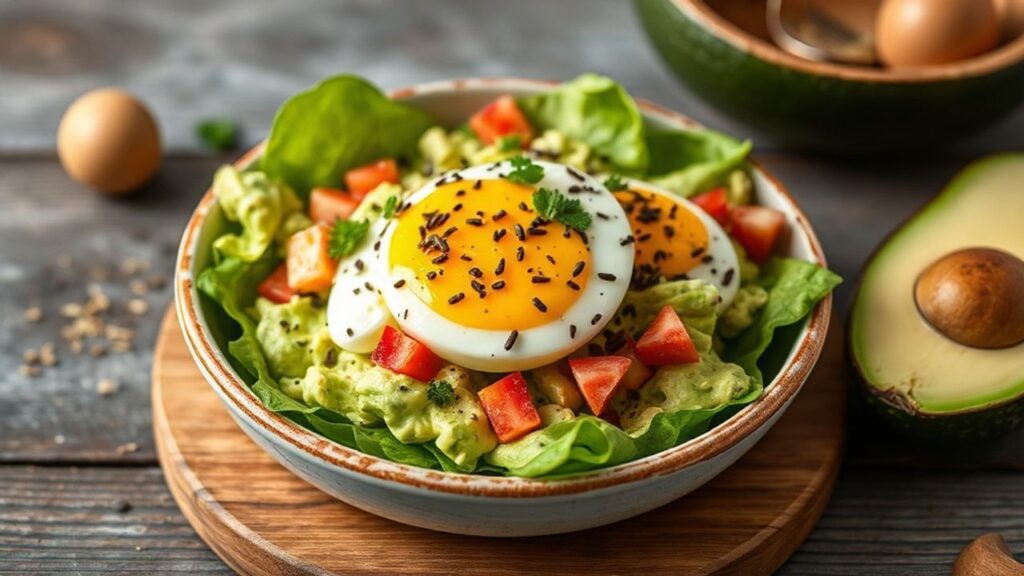
- Serve: Spoon onto toast, into a sandwich, on lettuce leaves, or enjoy with crackers as a protein-rich snack.
Step notes
For evenly cooked eggs, use a calibrated timer and an ice bath to halt residual heat. Older eggs can peel more easily due to pH changes during storage.
If you need a lower-fat version, swap Greek yogurt for an equal amount of mashed silken tofu or a light mayo alternative. Keep seasoning proportionate to preserve balance.
Tips for Success
Choose avocados just past their peak firmness for best creaminess. A slight give indicates optimal ripeness without mushiness.
Manage salt carefully — avocados mute salt, so season incrementally and taste as you go. Acid brightens the profile without adding fat.
- Pick ripe: Hass avocados often deliver the ideal buttery texture for blending with eggs. See Hass avocado for cultivar notes.
- Boil hack: Add a teaspoon of vinegar to the boiling water to help shells release at the membrane.
- Make-ahead: Prepare up to 24–48 hours ahead; press plastic onto the surface to reduce browning.
- Allergies: For egg-free versions, substitute firm tofu or mashed chickpeas as protein alternatives.
Small tweaks produce different eating experiences: more mustard for tang, extra herbs for brightness, or a swap to mayonnaise for richer mouthfeel.
[NOTE: The two bracketed blocks below follow the tip separation rule.]
Use microgreens or thin radish slices for a refined finish when serving to guests. Visual contrast increases perceived flavor quality.
Try crisp elements like toasted seeds or chopped cucumber for crunch that offsets creaminess. Texture contrast keeps the salad interesting bite after bite.
Serving Suggestions
Serve the salad layered on multigrain toast with a sprinkle of chili flakes and fresh herbs for breakfast or brunch. The toast provides structure and pleasing contrast.
Alternatively, use leaves of romaine or butter lettuce as low-carb vessels, or wrap the salad with baby arugula in a whole-wheat tortilla for a portable lunch option.
For entertaining, spoon the mixture into endive leaves or small crostini and garnish with microgreens and a tiny dusting of smoked paprika.
Pair with light sides such as a citrus-dressed green salad or raw vegetable sticks to keep the meal balanced and refreshing.
Nutrition Snapshot
This salad supplies protein and heart-healthy fats with moderate calories, ideal for balanced lunches. The combination supports satiety and steady energy.
For a primer on dietary context and nutrients, consult the Nutrition overview.
| Nutrient | Per Serving |
|---|---|
| Calories | 250 kcal |
| Protein | 14 g |
| Carbohydrates | 8 g |
| Fat | 18 g (healthy fats) |
Adjust portion size to meet individual calorie targets; halve portions for smaller appetites or pair with additional vegetables for a lower-calorie plate.
Avocado contributes fiber, potassium, and monounsaturated fats which support cardiovascular health when consumed as part of a balanced diet.
FAQ
Is this avocado egg salad healthier than traditional egg salad?
Yes. Replacing most or all of the mayonnaise with avocado increases monounsaturated fats and fiber while reducing reliance on processed oils. The result is higher nutritional density per bite.
How do I stop the avocado from browning?
Press plastic wrap directly onto the salad surface, include a splash of lemon juice, and refrigerate in an airtight container. Use within 48 hours for best color and flavor.
Can I prepare this ahead of time?
Prepare the salad up to 24–48 hours ahead. Keep the texture fresher if you lightly mash the avocado and add any extra acidic elements just before serving.
What are good substitutes for egg for a vegan version?
Firm tofu, mashed chickpeas, or crumbled tempeh provide body and protein in vegan versions. Adjust seasonings and texture to mimic the bite eggs provide.
How should I choose an avocado for this recipe?
Select a fruit with a slight give when squeezed gently; avoid ones that are overly soft or still very firm. The Hass cultivar often yields the creamiest texture for mixing.
In Retrospect
The creamy avocado egg salad offers a straightforward upgrade to a classic by using natural fats and fresh ingredients to enhance both flavor and nutrition. Small technique choices—ripeness, timing, and seasoning—determine the end result.
Adopt the core method, then iterate: swap herbs, change acidity, or add crunch to tailor the salad to seasonal produce and personal preference. This flexibility makes it a reliable addition to weekly meal rotation.
For further reading on ingredient background and culinary science, explore the salad entry and refine technique through trusted culinary sources.
See also: avocado