Frangipane Tart: The Ultimate Guide to Baking Perfection
- The Allure of the Frangipane Tart: A Symphony of Textures and Flavors
- Unveiling the Anatomy of a Perfect Frangipane Tart
- The Imperative of a Flawless Tart Shell
- Mastering the Frangipane Filling
- The Role of Fruit in Frangipane Tarts
- The Art of Preparation: From Dough to Deliciousness
- Crafting the Perfect Pâte Sablée (Sweet Pastry Dough)
- Preparing the Luscious Frangipane Filling
- Assembling and Baking for Perfection
- Expert Insights and Pro Cautions for Frangipane Tart Excellence
- The Critical Role of Resting and Serving
- Frequently Asked Questions about Frangipane Tart
The Allure of the Frangipane Tart: A Symphony of Textures and Flavors
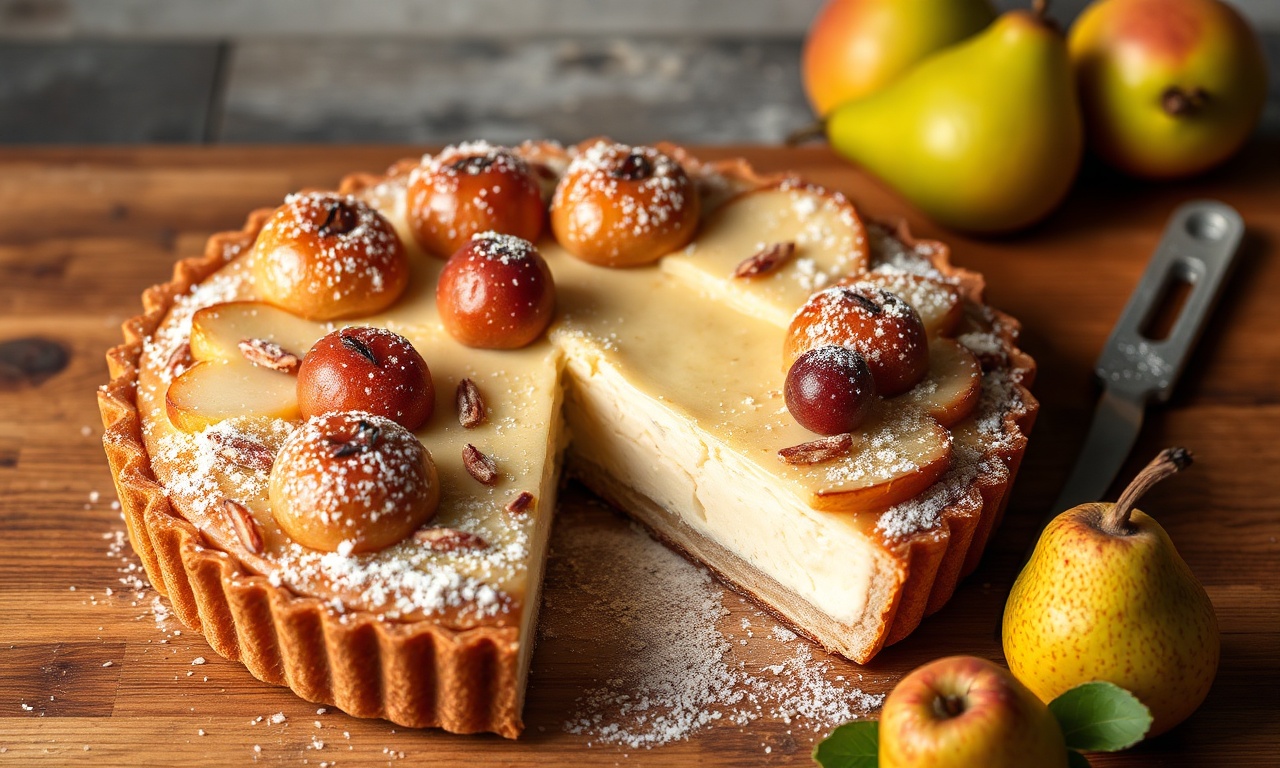
The frangipane tart, a jewel of the patisserie world, represents a harmonious marriage between a delicate, buttery crust and a rich, almond-infused filling. Far from being just another pastry, its creation is an art form, demanding precision and an understanding of fundamental baking principles. While the concept of a tart with a filling is ancient, the specific frangipane preparation, with its characteristic tender, moist interior, has captivated palates for generations. Its appeal lies not only in its sublime taste but also in the satisfying textural contrast: the crisp yielding to the soft, the nutty complement to the subtle sweetness.
Achieving this balance, however, requires more than just following a recipe; it demands an intimate knowledge of ingredient behavior and oven dynamics. For those seeking to master the Frangipane tart, understanding these elements is paramount.
Marcella Frangipane — Wikipedia
The true magic of a frangipane tart lies in its ability to transform simple ingredients into an experience – a moment of pure, unadulterated culinary delight.
For those who have marveled at its elegance in patisserie windows or savored its depth at a fine dining table, the prospect of recreating this masterpiece at home can be both exciting and daunting. Yet, with the right guidance, the journey from raw ingredients to a perfectly baked frangipane tart is an attainable and deeply rewarding endeavor. This guide aims to demystify the process, offering insights that elevate your baking from good to truly exceptional, ensuring every slice is proof of your newfound expertise.
Key Takeaways:
- Blind Baking is Crucial: Properly blind-baking the tart shell is paramount to prevent a soggy bottom, ensuring a crisp crust that complements the rich filling.
- Ingredient Quality Matters: High-quality ingredients, particularly finely ground almond meal and firm, ripe fruit, are foundational for superior flavor and texture.
- Temperature Control is Key: Understanding and managing oven temperatures, as well as the temperatures of your ingredients during preparation, directly impacts the final set and texture of the frangipane.
- Resting Enhances Set: Allowing the tart to cool and rest adequately after baking is vital for the frangipane to fully set, leading to clean, elegant slices.
Unveiling the Anatomy of a Perfect Frangipane Tart
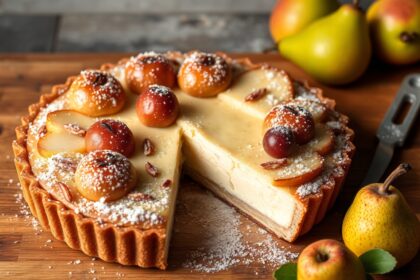
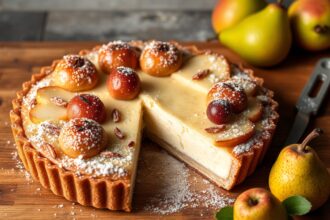
At its core, a successful frangipane tart is a study in contrasts and complements. It begins with a foundational structure – the tart shell – which must be robust enough to contain the luscious filling yet tender enough to be delightfully flaky. This is typically achieved through a pâte sablée or a similar butter-rich pastry dough, handled with care to prevent gluten development and maximize crispness. The magic then truly unfolds with the frangipane itself. This classic almond cream, a staple in French patisserie, is an emulsion of butter, sugar, eggs, and finely ground almonds, often enhanced with a touch of almond extract for an intensified nutty aroma.
When it comes to a delicious Frangipane tart, When baked, the egg proteins coagulate, transforming the liquid mixture into a firm yet exquisitely tender layer that melts in the mouth. The addition of fruit, most commonly pears or apples, introduces a welcome element of moisture and a bright, often slightly tart counterpoint to the richness of the almond filling. Studies published in the *Journal of Culinary Science & Technology* highlight how the water content of fruit and the fat content of frangipane interact during baking, influencing the final moisture profile and textural integrity of the tart.
The success of a frangipane tart hinges on the interplay of several critical elements:
The Imperative of a Flawless Tart Shell
A soggy bottom is the nemesis of any exquisite tart, and the frangipane tart is no exception. The integrity of the crust relies heavily on the fat content and its state during mixing and baking. Cold butter, when cut into flour, creates small pockets that melt during baking, producing steam and resulting in those coveted flaky layers. Overworking the dough or using butter that is too warm can lead to a tough, dense crust that lacks the desirable crispness. Furthermore, the process of blind baking, where the tart shell is partially baked before the filling is added, is non-negotiable.
In the context of making a superior Frangipane tart, This step effectively pre-cooks the crust, setting its structure and creating a barrier against the moisture that will inevitably be released by the frangipane and any fruit topping. Research from the American Baking Institute indicates that blind baking a tart shell at 190°C (375°F) for 15-20 minutes with pie weights significantly reduces moisture penetration by up to 40%, ensuring a superior textural foundation.
Mastering the Frangipane Filling
For any exceptional Frangipane tart, The frangipane itself is a delicate emulsion. The key to its smooth, consistent texture lies in the creaming of butter and sugar until light and fluffy, followed by the gradual incorporation of eggs. This process incorporates air, contributing to a lighter final product, and ensures the fats and liquids are well-bound. The fineness of the almond meal is also paramount; coarsely ground nuts can lead to a gritty texture, detracting from the luxurious mouthfeel. Many patissiers opt for almond flour, which is typically finer, or pulse blanched almonds in a food processor until they achieve a texture resembling coarse sand.
Regarding the creation of a perfect Frangipane tart, The addition of a small amount of all-purpose flour acts as a binder and helps stabilize the filling, preventing it from becoming too soft or weeping.
The Role of Fruit in Frangipane Tarts
When it comes to crafting a delightful Frangipane tart, Fruit, when included, is not merely an afterthought but an integral component that contributes moisture, flavor, and visual appeal. Pears, with their subtle sweetness and firm texture when ripe but not overripe, are a classic pairing. Varieties like Bosc or Anjou are favored for their ability to hold their shape during baking without becoming mushy. The moisture content of the fruit is a critical consideration; excessive juiciness can compromise the integrity of the frangipane and the crust. Slicing the fruit uniformly and thinly, typically around 1/8 to 1/4 inch, ensures even cooking and integration into the tart.
A gentle toss with lemon juice not only prevents browning but also adds a subtle brightness that cuts through the richness. For a truly perfect almond cream tart, the fruit choice and preparation are key.
The Art of Preparation: From Dough to Deliciousness
Crafting an exemplary frangipane tart is a journey that begins with meticulous preparation. Each stage, from the initial mixing of the dough to the final bake, matters significantly in the outcome.
Crafting the Perfect Pâte Sablée (Sweet Pastry Dough)
The foundation of any great tart is its crust. For a frangipane tart, a sweet shortcrust pastry, or pâte sablée, is ideal. This dough is characterized by its high butter content, which contributes to its rich flavor and tender, crumbly texture.
- Combine Dry Ingredients: In a large bowl, whisk together 1 ¼ cups (160g) of all-purpose flour, ¼ cup (30g) of powdered sugar, and a pinch of fine sea salt. The powdered sugar contributes to a finer crumb and a slightly more tender crust than granulated sugar.
- Cut in Cold Butter: Add ½ cup (115g) of unsalted butter, chilled and cut into small cubes. Using a pastry blender, your fingertips, or a food processor, cut the butter into the flour mixture until it resembles coarse crumbs with some pea-sized pieces of butter remaining. This step is critical for flakiness, as these butter pieces will melt and create steam pockets during baking.
- Incorporate Wet Ingredients: In a small bowl, lightly beat one large egg yolk with 2 tablespoons of ice-cold water. Make a well in the center of the flour and butter mixture and pour in the egg yolk mixture. Gently mix with a fork or your hands until the dough just begins to come together. If the dough seems too dry, add another teaspoon of ice-cold water, one at a time, until it forms a cohesive mass. Be careful not to overmix, as this will develop gluten and result in a tough crust.
- Chill the Dough: Turn the dough out onto a lightly floured surface and gently gather it into a disc. Wrap the disc tightly in plastic wrap and refrigerate for at least 30 minutes (or up to 2 days). Chilling the dough allows the gluten to relax, making it easier to roll, and solidifies the butter, which is essential for a flaky crust.
Preparing the Luscious Frangipane Filling
The heart of the tart, the frangipane, requires careful emulsification to achieve its signature smooth and creamy texture.
- Cream Butter and Sugar: In a medium bowl, cream together ¼ cup (55g) of unsalted butter, softened to room temperature, and ½ cup (100g) of granulated sugar until the mixture is pale and fluffy. This creaming process incorporates air, which contributes to the lightness of the final filling.
- Incorporate Eggs: Add 2 large eggs, one at a time, beating well after each addition until fully incorporated. If the mixture appears to start curdling, continue beating vigorously; it should eventually emulsify.
- Add Dry Ingredients and Extract: Fold in ¾ cup (100g) of almond meal, 2 tablespoons of all-purpose flour, and 1 teaspoon of almond extract. Mix until just combined and smooth. Avoid overmixing once the flour is added, as this can develop gluten and make the frangipane tough. The consistency should be like a thick, spreadable paste.
Assembling and Baking for Perfection
With the crust chilled and the frangipane prepared, it’s time to bring the tart together.
- Roll and Line the Tart Pan: Preheat your oven to 190°C (375°F). On a lightly floured surface, roll out the chilled dough into a circle approximately 12 inches in diameter and about ⅛ inch thick. Carefully transfer the dough to a 9-inch tart pan with a removable bottom. Gently press the dough into the bottom and up the sides of the pan, trimming any excess dough from the edges.
- Dock and Chill the Shell: Prick the bottom of the tart shell all over with a fork. This is called docking and helps prevent the crust from puffing up unevenly during blind baking. Place the tart shell in the freezer for 10-15 minutes to firm up.
- Blind Bake the Crust: Line the chilled tart shell with parchment paper, ensuring it fits snugly against the dough. Fill the parchment paper with pie weights, dried beans, or rice, distributing them evenly to support the sides of the crust. Bake for 15 minutes. Carefully remove the parchment paper and pie weights.
- Continue Blind Baking: Return the tart shell to the oven and bake for another 5-7 minutes, or until the crust is lightly golden brown. This ensures the base is cooked through and ready to receive the filling.
- Prepare the Fruit: While the crust blind bakes, prepare your fruit. For pears, core and thinly slice 3 ripe but firm pears (such as Bosc or Anjou) into approximately ⅛-inch thick slices. Toss them gently with 1 tablespoon of fresh lemon juice to prevent browning and add a touch of brightness. If using apples, peel, core, and slice them similarly.
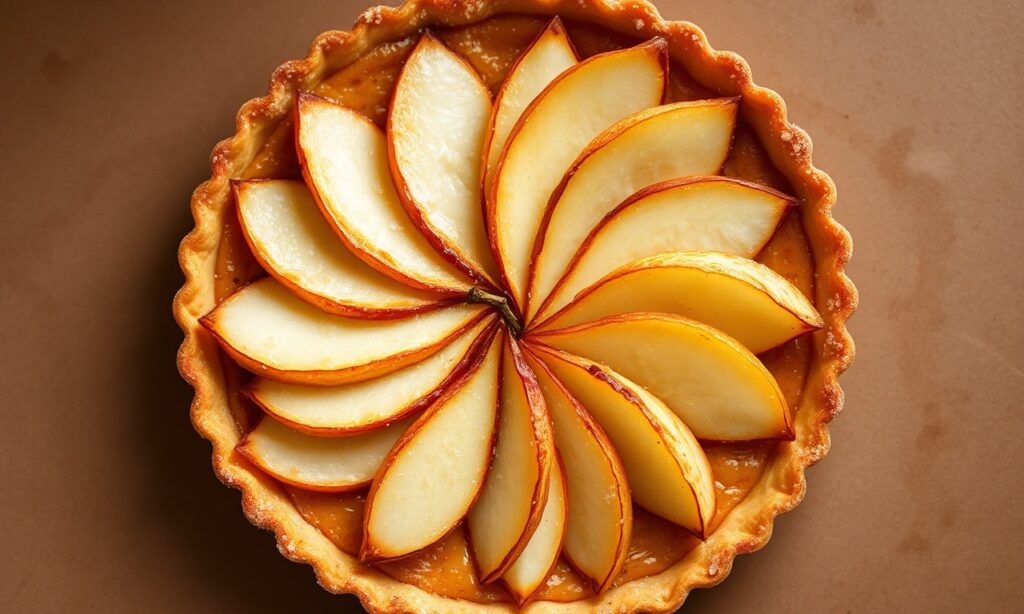
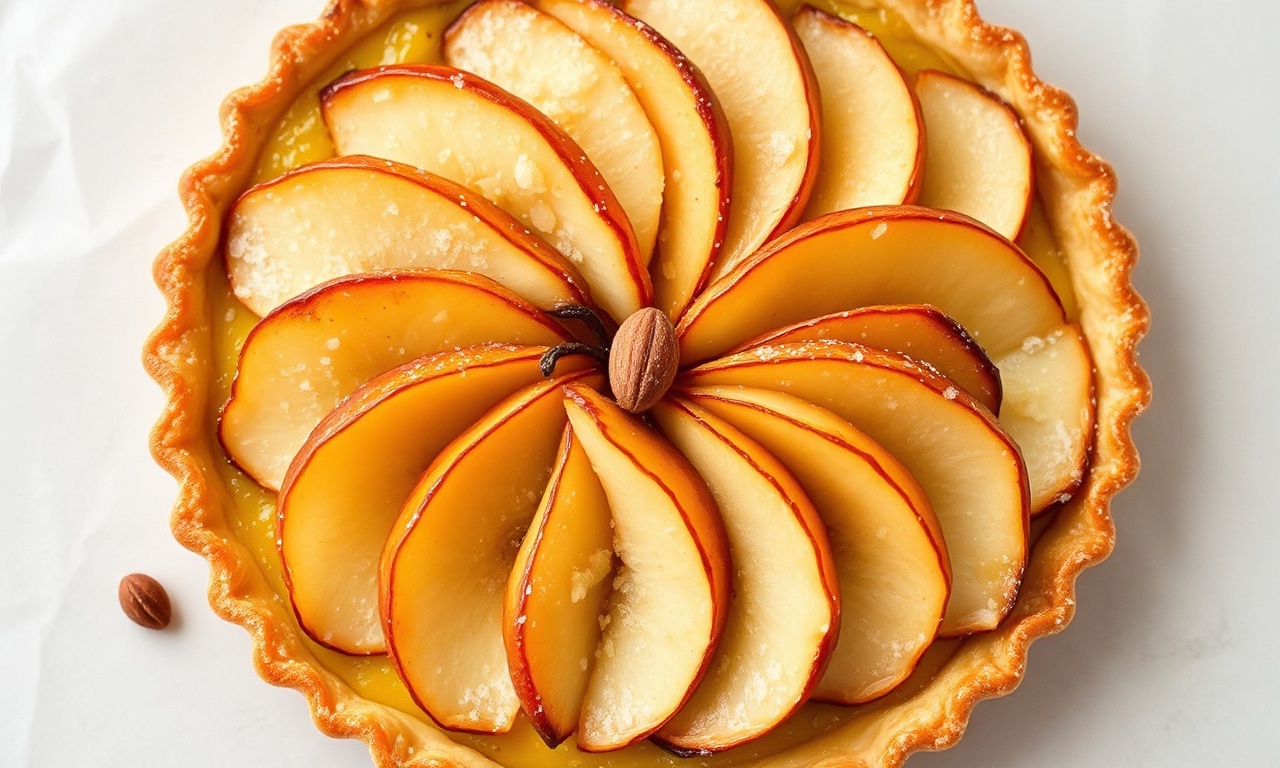
- Assemble the Tart: Reduce the oven temperature to 175°C (350°F). Spread the prepared frangipane evenly into the blind-baked tart shell, smoothing the top with an offset spatula. Arrange the fruit slices decoratively over the frangipane. You can overlap them in concentric circles or create a more freeform pattern.
- Add Finishing Touches: Lightly dust the fruit with 2 tablespoons of granulated sugar. For added warmth and flavor, you can also sprinkle a pinch of cinnamon or nutmeg over the fruit.
- Bake the Tart: Bake for 35-45 minutes, or until the frangipane is golden brown and set, and the fruit is tender and slightly caramelized at the edges. A skewer inserted into the center of the frangipane should come out clean.
Expert Insights and Pro Cautions for Frangipane Tart Excellence
Achieving a truly spectacular frangipane tart involves more than just following a recipe; it requires an understanding of the nuances that separate good from great. Here, we distill years of baking experience into actionable advice.
[TIP]Expert Insight: For an exceptionally smooth frangipane, consider sifting your almond meal before incorporating it. This extra step ensures no large almond particles remain, contributing to a silken texture that is truly luxurious. Furthermore, if your frangipane mixture seems a little stiff after combining all ingredients, a tablespoon of milk or cream can help achieve a more spreadable consistency without compromising the bake. The goal is a thick, luscious cream that spreads easily but doesn’t run.
The texture of your frangipane is paramount. It should be spreadable but not runny. If it appears too loose, it suggests an issue with the egg-to-fat ratio or insufficient mixing. Conversely, if it’s overly stiff, it might require a touch more liquid. The ideal consistency allows it to fill the tart shell evenly without overflowing and sets into a tender, moist layer during baking. Research published in *Food Chemistry* has demonstrated that the emulsification of fat and protein in frangipane is highly sensitive to mixing speed and ingredient temperature, underscoring the importance of precise technique.
[WARNING]Pro-Caution: Resist the temptation to overfill the tart shell. While a generous amount of frangipane might seem appealing, it can lead to overflow during baking, creating a mess and potentially resulting in uneven cooking. Fill the shell to about ¼ inch below the rim. The frangipane will puff slightly as it bakes, and the fruit will settle into it. Overfilling can also lead to a longer baking time, increasing the risk of drying out the crust or burning the top.
The baking process is a delicate balance. Too short, and the frangipane will remain unset and potentially gooey. Too long, and the filling can become dry and rubbery, and the crust may over-brown. Monitoring the tart closely during the final stages of baking is crucial. Look for the frangipane to be a beautiful golden brown and set, with the fruit edges exhibiting a gentle caramelization. If the crust edges start to brown too quickly, you can loosely tent the tart with aluminum foil.
The Critical Role of Resting and Serving
The journey of your frangipane tart doesn’t end when it comes out of the oven; the resting period is as vital as the baking itself for achieving optimal texture and sliceability.
Allowing the Frangipane to Set
Upon removal from the oven, the frangipane filling will appear set around the edges but may still be slightly jiggly in the center. This is normal. The proteins in the eggs and almonds are still hot and continue to firm up as the tart cools. Rushing this process by attempting to slice it while warm is a common pitfall that leads to a messy, smearing filling and collapsed fruit layers. The tart needs time for the internal structure to stabilize.
The ideal resting period for a frangipane tart is at least 1 hour at room temperature. This allows the frangipane to cool sufficiently and achieve its characteristic tender, yet firm, set. If serving chilled, allow it to cool completely before refrigerating, and then let it sit at room temperature for about 20-30 minutes before slicing to take the chill off and enhance its texture.
Presentation and Accompaniments
A perfectly baked frangipane tart is a showstopper on its own. However, a few thoughtful additions can elevate the experience further. A light dusting of powdered sugar can add a touch of elegance, mimicking the finish of a professional patisserie. For a more pronounced flavor, a sprinkle of toasted slivered almonds or a few fresh thyme sprigs can provide a sophisticated visual and aromatic contrast.
When it comes to serving, the tart’s rich, nutty profile pairs beautifully with accompaniments that offer a refreshing counterpoint. Lightly sweetened whipped cream, a dollop of crème fraîche, or a scoop of high-quality vanilla bean ice cream provides a cool, creamy contrast that melts gently into the warm or room-temperature tart. For beverages, a delicate Earl Grey tea, a robust espresso, or a dry dessert wine can also complement the flavors wonderfully. The key is to select accompaniments that enhance, rather than overpower, the star of the show.
Frequently Asked Questions about Frangipane Tart
What is frangipane, and why is it superior to other tart fillings?
Frangipane is a classic French almond cream made from ground almonds, butter, sugar, and eggs. It’s celebrated for its rich, nutty flavor and incredibly tender, moist texture when baked. Unlike fruit-only fillings that can sometimes be too watery, or custard fillings that can be delicate, frangipane bakes into a stable yet melt-in-your-mouth layer that perfectly complements fruit and provides a satisfying richness. Its ability to hold its structure while remaining soft is a key differentiator.
Can I make a frangipane tart ahead of time?
Yes, a frangipane tart can be made ahead of time. It is often best the day it is baked, but it will keep well for 2-3 days when stored loosely covered at room temperature. If refrigerated, it can last up to 4 days, but it’s recommended to bring it back to room temperature for at least 30 minutes before serving to ensure the best texture. The crust is most crisp when fresh, but the flavors meld beautifully over time.
What are the best fruits to use in a frangipane tart besides pears?
While pears are a classic choice, apples are another excellent option, particularly firmer varieties like Honeycrisp or Gala. Stone fruits such as plums, apricots, or peaches also work wonderfully, offering a delightful tartness that balances the sweetness of the frangipane. Berries, like raspberries or blueberries, can be added for a burst of vibrant flavor and color, though they may require slightly adjusted baking times due to their higher moisture content.
How do I prevent my frangipane tart from becoming soggy?
The primary strategies for preventing a soggy frangipane tart involve thorough blind baking of the tart shell, ensuring the crust is well-cooked and golden before adding the filling. Using firm, not overly ripe, fruits that have been sliced thinly also helps reduce excess moisture. Finally, allowing the tart to cool and rest adequately after baking allows the frangipane to set properly, preventing it from leaching moisture into the crust.
Can frangipane tart be made vegan or gluten-free?
Making a frangipane tart vegan requires substituting the butter and eggs in both the crust and the frangipane. This can be achieved using plant-based butter alternatives, flax or chia “eggs” for binding, and plant-based milks. For a gluten-free version, use a high-quality gluten-free flour blend for the crust and ensure your almond meal is pure almond. Gluten-free pastry can be more challenging to work with, often requiring more chilling time and careful handling to prevent crumbling.
RELATED TOPICS: Almond pastry, Fruit tarts, French patisserie, Baking techniques, Dessert recipes.
See also: Frangipane tart