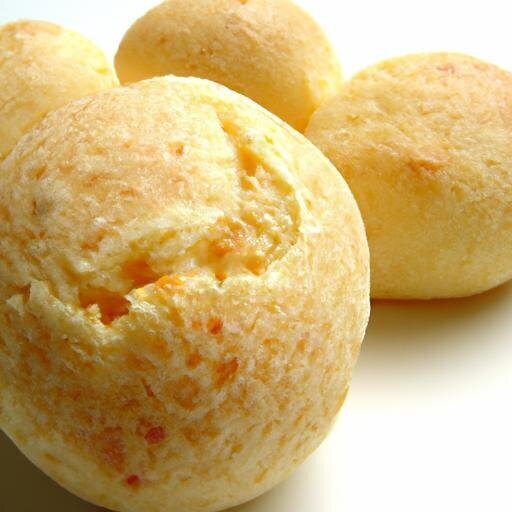
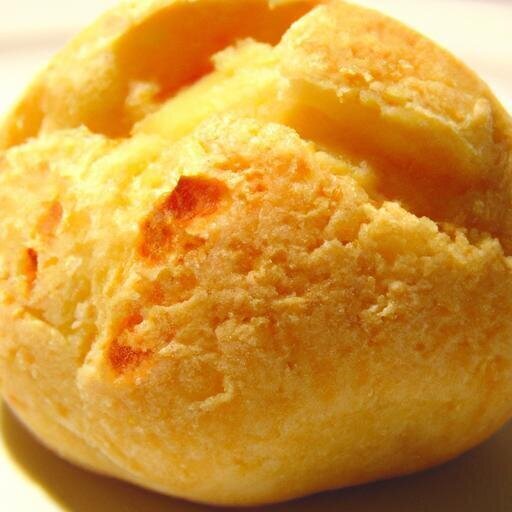
imagine sinking your teeth into a warm, golden bite of Brazil’s beloved comfort food: Pão de Queijo. Thes irresistibly fluffy Brazilian cheese breads are little pockets of cheesy delight, crisp on the outside and delightfully airy on the inside. More than just a snack,Pão de Queijo is a culinary treasure rooted in centuries-old traditions,captivating taste buds from the bustling streets of São Paulo to kitchens around the world. In this article, we’ll uncover the secrets behind this enchanting bread-exploring its unique ingredients, cultural significance, and simple techniques that make every bite a party of flavor and texture. Get ready to embark on a delicious journey into the heart of Brazil’s iconic Pão de Queijo.
Fluffy Brazilian Cheese Bread captivates the senses with its irresistibly airy texture and golden crust, carrying the heart of Brazil in every bite.Born in minas Gerais, this iconic snack marries the rustic charm of cassava starch with the savory depth of cheese, resulting in a bite-sized marvel that’s as comforting as it is addictive. My first encounter with pão de queijo was a spontaneous street-side treat in São Paulo-each warm puff bursting with cheesy goodness, inviting me to uncover the secrets behind its legendary fluffiness.
Prep and Cook Time
- Readiness: 15 minutes
- Resting: 10 minutes (optional, enhances texture)
- Baking: 20-25 minutes
- Total Time: Approximately 50 minutes
Yield
Makes about 30 cheese breads (depending on size)
Difficulty Level
Easy to Medium – Great for bakers eager to explore authentic Brazilian flavors.
Ingredients
- 1 cup whole milk
- 1/2 cup water
- 1/3 cup vegetable oil (or melted unsalted butter for richer flavor)
- 1 teaspoon salt
- 2 cups tapioca flour (also called tapioca starch)
- 2 large eggs,at room temperature
- 1 1/2 cups grated Minas cheese (or substitute with a mix of Parmesan and Mozzarella for creative twists)
Step by Step Guide to Mastering the Perfect Pão de queijo Texture
- Preheat your oven to 375°F (190°C). Line a baking sheet with parchment paper or a silicone mat.
- Combine liquids and salt: In a medium saucepan, bring the milk, water, oil, and salt to a gentle boil over medium heat, stirring occasionally.
- Add tapioca flour: Remove from heat as soon as it boils, instantly dump the tapioca flour into the hot liquid mixture. Stir vigorously with a wooden spoon untill it forms a sticky, dough-like ball. This step gelatinizes the starch, key for that fluffy interior.
- Cool slightly: Let the dough rest for 5 minutes, just enough so it isn’t scalding-warm but workable.
- Add eggs and cheese: Transfer the dough to a mixing bowl. Beat in eggs one at a time, ensuring full incorporation before adding the next. then fold in the grated cheese until evenly distributed.The mixture will be soft and slightly sticky.
- Shape the dough balls: Using wet hands or a small ice cream scoop, shape dough into smooth, 1½-inch balls and place on the prepared baking sheet. Keep them spaced about 2 inches apart to allow expansion.
- Bake: Place the tray in the preheated oven and bake for 20-25 minutes or until puffs are golden and crisp on the outside but tender and airy inside.
- Cool slightly: Remove from oven and let rest 5 minutes before serving to fully develop aroma and flavor.
Exploring Cheese Variations for Authentic and Creative Twists
While Minas cheese is customary and revered for its slightly tangy, creamy profile, experimenting with cheese blends can elevate your cheese bread experience. Try mixing Parmesan for its salty, umami kick with creamy Mozzarella to enhance meltiness. Alternatively, crumbled Queso Fresco or even a mild Gouda create unique regional variations that suit adventurous palates. Always opt for freshly grated cheese to maximize flavor and texture.
Best Serving Suggestions and Pairings to Elevate Your Pão de Queijo Experience
Pão de queijo blossoms when paired thoughtfully.Serve it warm alongside a robust Brazilian coffee for a breakfast boost or afternoon treat. For a savory option,add a small bowl of chimichurri sauce or a tangy vinaigrette to contrast the cheesy richness. Fresh herbs like parsley or cilantro sprinkled on top add a vibrant freshness. For gatherings, consider stacking these fluffy bites on a rustic wooden board paired with sliced fresh fruit like pineapple or mango, making for a colorful and irresistible spread.
Chef’s Notes: Tips for Success
- liquid temperature is vital: Boiling the milk mixture activates the tapioca starch, ensuring that signature chewy-yet-fluffy interior.
- Rest the dough: Allowing the dough to rest briefly cools it slightly, making eggs easier to incorporate without cooking prematurely.
- consistency matters: Dough should be sticky but pliable; if too dry, add a tablespoon of milk; if too wet, sprinkle in a bit more tapioca flour.
- Freeze for convenience: Unbaked dough balls freeze well – bake directly from frozen, adding 5 extra minutes to baking time.
- Oven placement: Bake on the middle rack for even heat and avoid over-browning.
| Nutrient | Per Serving (1 piece) |
|---|---|
| Calories | 70 kcal |
| Protein | 2 g |
| Carbohydrates | 9 g |
| Fat | 3.5 g |

Q&A
Q&A: Fluffy Brazilian Cheese Bread: Pão de Queijo Uncovered
Q1: What exactly is Pão de Queijo?
A1: Pão de Queijo is a beloved Brazilian cheese bread-small,round,and irresistibly fluffy. It’s a gluten-free snack or breakfast staple made primarily from tapioca flour and cheese, resulting in a chewy interior with a crisp, golden crust.Think of it as a warm, cheesy cloud that melts in your mouth!
Q2: Why is tapioca flour so essential in Pão de Queijo?
A2: Tapioca flour is the star ingredient that gives Pão de Queijo its signature chewy texture and slight elasticity. Derived from cassava root, it’s naturally gluten-free, which means this bread offers a marvelous alternative for those avoiding gluten without sacrificing flavor or mouthfeel.
Q3: What kind of cheese is traditionally used?
A3: Traditional recipes commonly call for Minas cheese, a mild, slightly tangy Brazilian cheese with a smooth texture perfect for melting. Outside brazil, mozzarella or Parmesan can be creative stand-ins, lending that cheesy punch and stretchy quality that makes each bite so delightful.
Q4: How is Pão de Queijo different from other cheese breads around the world?
A4: Unlike typical Western cheese breads that use wheat flour and yeast, Pão de Queijo relies on tapioca starch and often doesn’t require yeast, giving it a uniquely chewy yet airy texture. Its gluten-free base and the use of a cooked dough technique set it apart, making it both light and satisfying.
Q5: Can Pão de Queijo be made ahead of time?
A5: Absolutely! Pão de Queijo dough freezes beautifully.Simply scoop the dough onto a baking sheet,freeze until solid,then transfer the frozen balls into a zip-top bag. When ready to enjoy, just bake them straight from the freezer-freshly puffed, warm cheese bread ready in minutes!
Q6: What makes Pão de Queijo so fluffy?
A6: The secret to Pão de Queijo’s fluffiness lies in the combination of tapioca starch gelatinizing during cooking and the moisture trapped within the dough.As it bakes, steam expands inside, causing the bread to puff up beautifully, forming that iconic airy interior.
Q7: Is Pão de Queijo vegan-pleasant?
A7: Traditional Pão de Queijo relies on cheese and eggs,so it’s not vegan. However,inventive home chefs have experimented with plant-based cheeses and egg substitutes to create vegan versions that capture some of the original’s charm-though the texture and flavor might vary.Q8: what’s the best way to enjoy Pão de Queijo?
A8: Fresh out of the oven is ultimate bliss-the crust crackling lightly as you bite into a pillowy, cheesy interior. It pairs wonderfully with a cup of strong coffee or as a savory snack anytime. In Brazil, it’s common to enjoy Pão de Queijo for breakfast or alongside soups and stews.
Q9: Are there sweet variations of Pão de Queijo?
A9: While the traditional focus is cheesy and savory, some modern twists explore sweet versions by tweaking the cheese or adding subtle sweeteners. These are less common but showcase the versatility of tapioca-based dough to carry different flavor profiles.
Q10: How difficult is it to make Pão de Queijo at home?
A10: Surprisingly, Pão de Queijo is quite approachable for home bakers. With a handful of simple ingredients and straightforward steps, you can skillfully whip up a batch. The key is in achieving the right dough consistency and baking until golden puffed perfection. Plus, the aroma will fill your kitchen with joyful anticipation.
The Conclusion
As the irresistible aroma of freshly baked pão de queijo fills your kitchen, you’re not just savoring a snack-you’re partaking in a centuries-old Brazilian tradition that marries simplicity with sublime flavor. These fluffy cheese puffs, born from indigenous cassava roots and perfected through time, invite you to explore a world where every bite is a celebration of heritage and heart. Whether enjoyed alongside your morning coffee or shared with friends at a bustling festa, pão de queijo is more than just bread-it’s a testament to how humble ingredients can create something truly remarkable. So next time you crave a bite of Brazil, remember: beneath that golden, cheesy crust lies a story as rich and warm as the bread itself.