

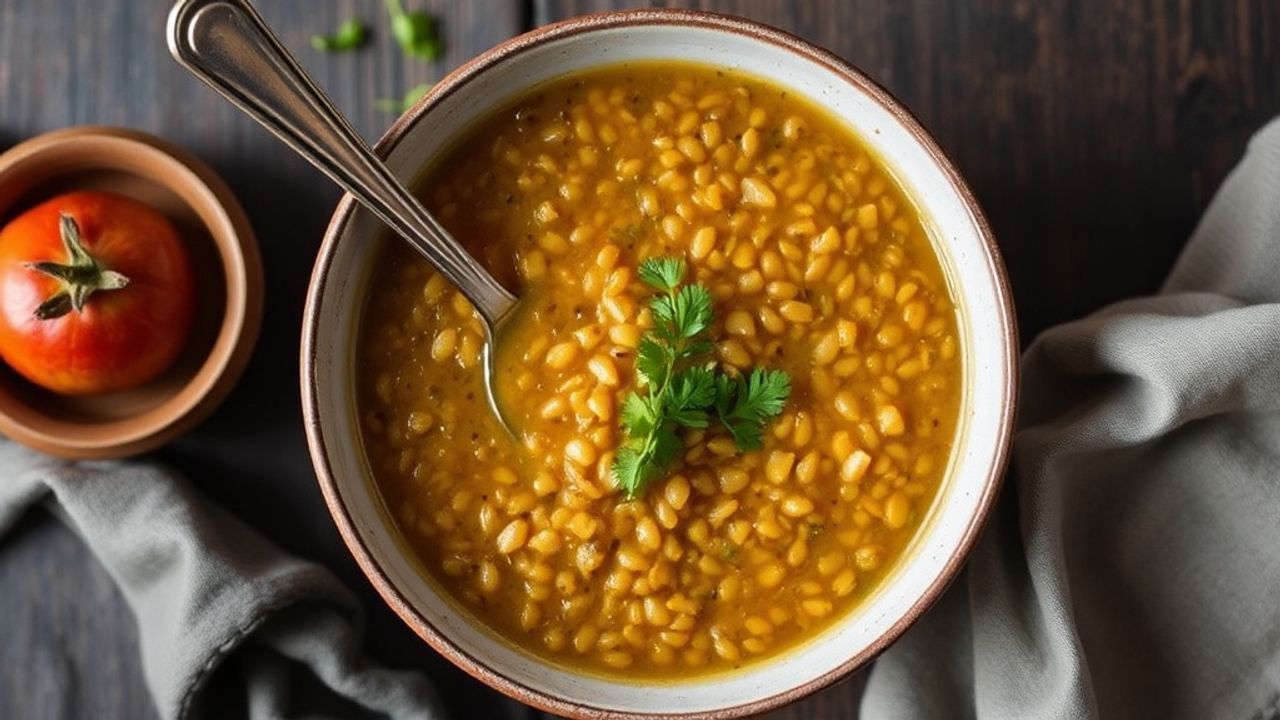
Lentil Soup delivers deep, steady nourishment and true comfort in every spoonful.
- Lentil Soup Prep and Cook Time
- Lentil Soup Yield and Difficulty
- Lentil Soup Ingredients
- Lentil Soup Instructions
- Tips for Lentil Soup Success
- Serving Suggestions for Lentil Soup
- Lentil Soup Nutrition and Performance
- Common Questions Answered — Q&A: Lentil Soup Secrets
- What makes lentil soup a reliable comfort food?
- How do I preserve nutrients while cooking?
- Which lentils are best for texture?
- Can I make lentil soup ahead and reheat?
- Practical Notes and Background
- Final Thoughts
- FAQ
As a culinary professional I focus on technique, ingredient chemistry, and sensible nutrition so your lentil soup performs reliably at home.
- Key insight: Properly toasted lentils and a layered broth create superior texture and flavor.
- Nutrition tip: Lentils supply plant protein and fiber for sustained energy.
- Make-ahead: This soup improves after resting; store it properly for best results.
Lentil Soup Prep and Cook Time
Plan roughly 15 minutes of active prep and 35–45 minutes of simmering for most brown or green lentils.
Timing varies with lentil variety; keep a lid handy and taste at 30 minutes to avoid overcooking.
Lentil Soup Yield and Difficulty
This recipe yields about six generous bowls, ideal for family dinners or meal prep for the week.
Skill level sits at easy-to-medium: basic knife work and stove management produce consistent results.
Lentil Soup Ingredients
Quality ingredients shorten cook time and amplify depth: rinsed lentils, a low-sodium vegetable broth, aromatics, and a warm spice like cumin.
Use brown or green lentils for texture; red lentils will puree quickly and yield a very different mouthfeel.
- 1½ cups brown or green lentils, rinsed
- 8 cups low-sodium vegetable broth
- 2 tbsp extra-virgin olive oil
- 1 large yellow onion, finely diced
- 3 cloves garlic, minced
- 2 medium carrots, diced
- 2 stalks celery, diced
- 1 tsp ground cumin
- 1 tsp smoked paprika
- 1 bay leaf
- Salt and pepper to taste
- Lemon juice and fresh parsley for finishing
Lentil Soup Instructions
Start by sweating the onion, carrot, and celery in olive oil over medium heat until translucent and slightly golden.
Add garlic and spices, cook briefly to bloom aromatics, then add rinsed lentils and toast for 1–2 minutes to deepen nuttiness.
Pour in broth, add the bay leaf, and bring to a gentle boil before lowering to a simmer.
Cook uncovered or partially covered for 35–40 minutes, tasting for doneness so lentils remain tender but intact.
Texture and Finish
For a balanced bowl, puree one-third of the soup with an immersion blender and leave the rest chunky.
Finish with lemon juice to brighten and a drizzle of olive oil to add silk; fresh herbs add aromatic lift.
Tips for Lentil Soup Success
Control salt early and adjust at the end because reduced broths concentrate seasoning during simmering.
Choose a fresh, low-sodium broth to manage sodium while maximizing savory depth.
Toast lentils lightly in the aromatics before adding liquid; this step improves flavor without extra ingredients.
Stir occasionally and keep the heat low once simmering to prevent split skins and mushy texture.
[TIP]Expert Insight: Toasting lentils for just 60–90 seconds in the pot with the aromatics unlocks Maillard-like notes and reduces any beany edge. Apply gentle heat to avoid scorching and you will gain a noticeable improvement in the final flavor.
Let the soup rest and cool slightly before sampling final seasoning; flavors integrate as the pot sits.
[WARNING]Pro-Caution: Do not add acid (lemon or vinegar) early in the cook. Acid interferes with softening and can prolong cooking time, producing firmer lentils than desired.
Serving Suggestions for Lentil Soup
Serve the lentil soup with whole-grain bread or a simple green salad to complete the meal and add textural contrast.
A spoonful of yogurt or tahini adds creaminess and a flavor counterpoint to smoked spices; sprinkle toasted seeds for crunch.
Lentil Soup Nutrition and Performance
Lentils are a nutrient-dense legume with a favorable protein-to-calorie ratio and significant dietary fiber per serving.
Combining lentils with whole grains or seeds completes the amino acid profile and increases meal satiety and nutritional balance.
| Nutrient | Per Serving (1 cup) |
|---|---|
| Calories | 190 |
| Protein | 12g |
| Carbohydrates | 30g |
| Fat | 3.5g |
| Fiber | 15g |
Common Questions Answered — Q&A: Lentil Soup Secrets
Below are focused, practical answers to the most frequent preparation and nutrition questions readers ask about lentil soup.
Each answer provides a concise method or rule to help you replicate the result consistently.
What makes lentil soup a reliable comfort food?
Lentils combine simple starch, protein, and fiber into a forgiving ingredient that stabilizes texture and hunger satisfaction.
When paired with a well-seasoned broth and aromatics, the result feels both nourishing and familiar.
How do I preserve nutrients while cooking?
Use moderate heat and avoid prolonged boiling; simmer gently to retain water-soluble vitamins and preserve lentil texture.
Adding lemon at the end brightens flavor without degrading heat-sensitive nutrients.
Which lentils are best for texture?
Brown and green lentils hold shape and provide bite, while red lentils quickly break down and create a creamy base.
Choose based on the mouthfeel you want: chunky bowls use brown/green, pureed styles use red.
Can I make lentil soup ahead and reheat?
Yes — flavors meld favorably overnight. Store in airtight containers up to four days in the refrigerator for best quality.
Reheat gently on the stove; add a splash of broth if the soup thickened during storage.
Practical Notes and Background
Lentils appear across global cuisines and have a long culinary history as a staple legume and protein source.
For context on the ingredient and its uses, see the lentil article on Wikipedia.
The concept of simmered, vegetable-forward broths ties this recipe to broader traditions; consult soup references for variations and techniques.
Spice choices shape regional identity; for instance, Mediterranean cuisine uses different herb and acid balances than South Asian preparations.
When sourcing spices, review the cumin page for botanical background and common culinary uses.
Final Thoughts
Perfecting lentil soup requires small technical choices: toast the lentils, manage salt, and finish with acid and fresh herbs.
Follow the steps above and adjust by taste; consistent technique produces a reliable, nourishing bowl every time.
FAQ
How long do lentils take to cook?
Brown and green lentils take 30–45 minutes to soften to a tender but intact texture at a gentle simmer.
Red lentils cook faster, often 15–20 minutes, and will break down into a creamier base.
Do I need to soak lentils?
You do not need to pre-soak most lentils; quick rinsing removes debris and reduces surface starch that can cloud broth.
Soaking shortens cook time slightly but is optional for small-seeded varieties.
Can I substitute meat broth?
Yes — swapping vegetable stock for chicken or beef broth increases savory depth and adds animal protein flavors.
Adjust salt carefully when changing broth type to avoid oversalting.
What is the best way to season for storage?
Hold back a small portion of acid and fresh herbs until serving; this keeps the soup tasting bright after refrigeration.
Reheat slowly and refresh with lemon and herbs when plating to revive aroma and balance.
See also: Lentil Soup