
Why Fiery Harissa Lamb Ignites the Palate and Soothes the Soul
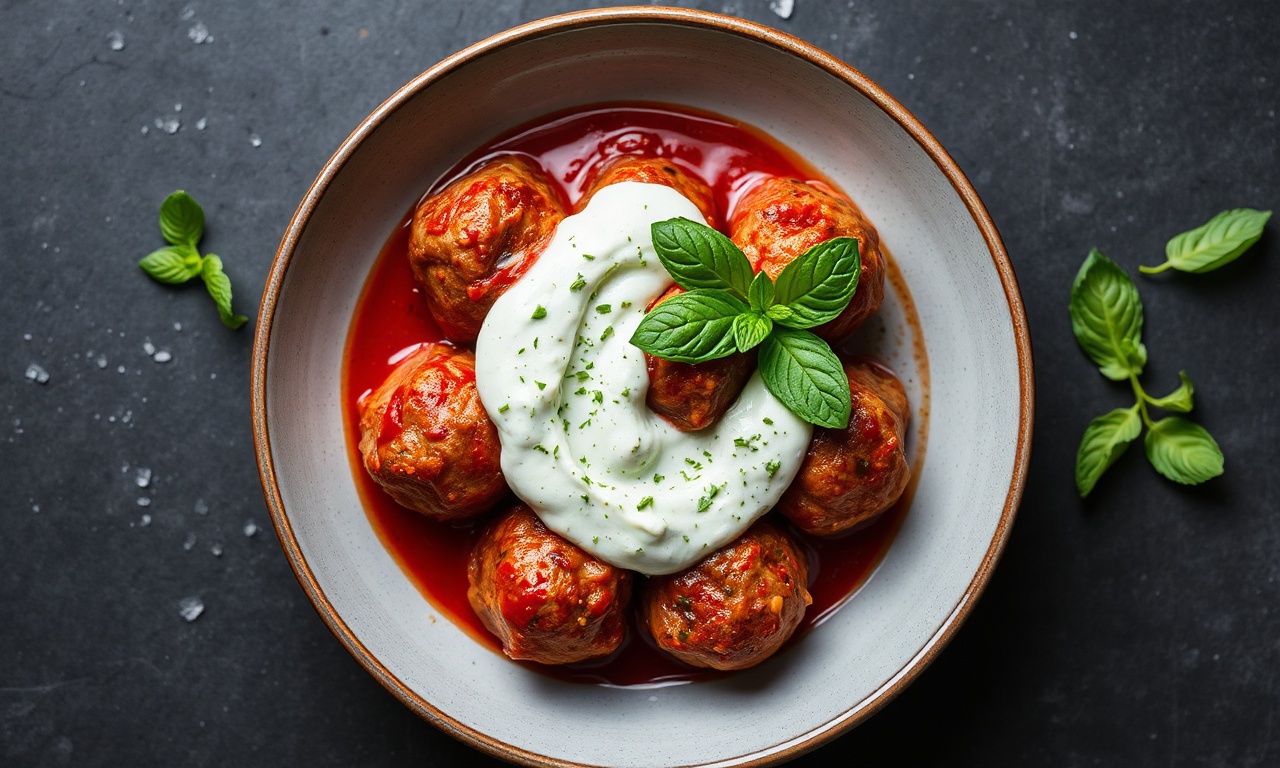
What is it about a dish that transcends mere sustenance and becomes an unforgettable culinary narrative? It’s often the audacious dance of contrasting elements, the thrilling dialogue between potent heat and delicate coolness that captivates us. This is precisely the magic woven into the fabric of harissa lamb, a culinary concept that has charmed palates across continents and generations. Imagine succulent, tender lamb, imbued with the complex, smoky fire of North African harissa paste, then masterfully counterpointed by a crisp, vibrant mint sauce. This isn’t just a meal; it’s an orchestrated sensory experience, proof of how thoughtfully selected ingredients and refined techniques can forge a truly memorable gastronomic adventure.
- Why Fiery Harissa Lamb Ignites the Palate and Soothes the Soul
- Unpacking the Essence: The Soul of Harissa and the Majesty of Lamb
- The Science of Contrast: Why Mint and Yogurt are Harissa Lamb’s Indispensable Allies
- Crafting Your Harissa Lamb Masterpiece: A Step-by-Step Culinary Journey
- Beyond the Bowl: Versatile Applications of Harissa Lamb
- Harissa Lamb Skewers: A Smoky, Charred Delight
- Slow-Cooked Harissa Lamb Shoulder: The Epitome of Tenderness
- Harissa Lamb Tagine: An Authentic North African Feast
- Expert Insights for Harissa Lamb Perfection
- The Importance of Fat Content and Ingredient Sourcing in Harissa Lamb
- Frequently Asked Questions: Your Burning Harissa Lamb Queries Answered
- What makes harissa such a good match for lamb?
- How can I ensure my harissa lamb meatballs are tender and not tough?
- Can I bake harissa lamb meatballs instead of pan-frying them?
- How far in advance can I prepare harissa lamb components?
- Are there dairy-free alternatives for the cooling mint sauce?
- Final Recommendations for Your Harissa Lamb Journey
Harissa, a staple spice paste from North Africa, is the soul of this dish.
The inherent richness of lamb, when kissed by the assertive embrace of harissa, awakens a primal satisfaction. Simultaneously, the cooling mint sauce acts as an essential palate cleanser, a refreshing counterpoint that allows each nuanced flavor to emerge and shine. This dynamic interplay is the very reason harissa lamb has ascended to beloved staple status, proving its remarkable adaptability from effortless weeknight dinners to sophisticated gatherings. It’s a masterclass in flavor architecture, illustrating how opposing sensations—intense heat and refreshing coolness—can amplify each other to create an unparalleled sensory delight. This exploration explores the heart of what makes harissa lamb so undeniably captivating, equipping you with the knowledge and practical techniques to recreate its magic in your own kitchen.
We will unpack its origins and essential components, dissect the science behind its perfect pairings, and guide you through a foolproof method for crafting sensational harissa lamb dishes, complete with that indispensable cooling mint accompaniment. Prepare to embark on a culinary journey that will redefine your understanding of flavor complexity.
The true artistry of harissa lamb lies not just in its bold spice, but in the exquisite harmony achieved through its cooling counterpoint, proof of balance in flavor.
Key Insights & Takeaways
- Flavor Synergy: The deep, smoky, and complex heat of harissa paste synergizes profoundly with the natural richness and subtle gaminess of lamb, creating a multi-layered flavor profile that is both robust and harmonious.
- Balance is Paramount: A cooling element, most famously a mint-yogurt sauce, is not merely an accompaniment but a crucial component for tempering the spice, preventing palate fatigue, and enhancing the lamb’s inherent deliciousness.
- Ingredient Quality Matters: The foundation of an exceptional harissa lamb dish rests on selecting the right cut of lamb (with adequate fat for moisture and flavor) and a high-quality, authentic harissa paste, which varies significantly in flavor and heat.
- Technique Amplifies Taste: Gentle handling of the lamb mixture during preparation and precise cooking methods are essential for ensuring maximum tenderness and optimal flavor distribution, preventing a tough or dry final product.
Unpacking the Essence: The Soul of Harissa and the Majesty of Lamb
When it comes to Harissa lamb, At its very core, harissa is more than just a paste; it’s a culinary heritage originating from the Maghreb region of North Africa, with Tunisia often cited as its ancestral home. Traditionally, it’s a vibrant concoction crafted from fire-roasted red chili peppers, pungent garlic, rich olive oil, and a complex symphony of spices. This aromatic blend frequently includes caraway, coriander, cumin, and sometimes even the subtle floral notes of rose petals. The precise composition can diverge significantly by region and producer, giving rise to a wide spectrum of flavors, from intensely fiery to subtly smoky and deeply aromatic.
In the context of Harissa lamb, This inherent complexity is what elevates harissa from a mere condiment to a transformative ingredient, capable of turning simple dishes into profound flavor powerhouses.
The marriage of harissa with lamb is no culinary accident; it is a tradition steeped in both history and sound flavor logic. Lamb possesses a distinct, luxurious richness and a characteristically subtle gamey undertone that stands up magnificently to bold, assertive flavors. The natural fat content inherent in lamb, when rendered expertly during cooking, provides a sumptuous mouthfeel and acts as an impeccable carrier for the intense, nuanced spices of the harissa. Research published in the *Journal of Food Science* has illuminated how specific spice profiles, such as those found in harissa, can intricately interact with the fatty acids present in meat.
This interaction creates more complex and desirable aroma compounds during the cooking process, a phenomenon known as the Maillard reaction’s sophisticated cousin. Consequently, the smoky, peppery notes of harissa do not merely reside on the surface; they meld intrinsically with the lamb’s natural essence, forging a depth of flavor that is both robust and exquisitely harmonious. When lamb serves as the canvas, harissa becomes the brush, painting with vibrant hues of heat, spice, and aromatic depth.
The Science of Contrast: Why Mint and Yogurt are Harissa Lamb’s Indispensable Allies
The sensation of heat we experience from chili peppers, primarily attributed to the compound capsaicin, triggers a physiological response that our brains interpret as burning. This is precisely where the ingenious pairing with a cooling counterpart becomes not just desirable, but essential. The classic culinary partnership of mint and yogurt with spicy dishes is rooted in more than just taste preference; it’s a fascinating interplay of chemistry. Yogurt, particularly thicker varieties like Greek yogurt, contains casein proteins. These proteins possess the remarkable ability to bind with capsaicin molecules, effectively neutralizing their heat-inducing properties. This molecular binding action helps to cleanse the palate, providing a welcome and refreshing respite from the lingering spice.
Mint, with its naturally occurring compound menthol, delivers a distinct sensory cooling effect. When menthol interacts with the cold receptors present in our mouths, it creates a powerful sensation of coolness, irrespective of the actual temperature of the food or sauce. This dual action—the chemical neutralization of heat by yogurt and the distinct sensory cooling sensation imparted by mint—creates a profoundly satisfying and almost addictive contrast with the fiery intensity of harissa. It’s a deliberate, almost scientific, approach to achieving perfect flavor balance. The inherent acidity from a touch of lemon juice, a frequent addition to mint sauces, further cuts through the richness of the lamb and amplifies the refreshing quality of the sauce.
This isn’t merely about adding a side dish; it’s about meticulously constructing a complete flavor profile where each element plays a significant role in the overall gastronomic harmony. This careful calibration ensures that the lamb remains the undisputed star, its inherent deliciousness amplified, not masked, by the meticulously chosen accompanying elements.
Crafting Your Harissa Lamb Masterpiece: A Step-by-Step Culinary Journey
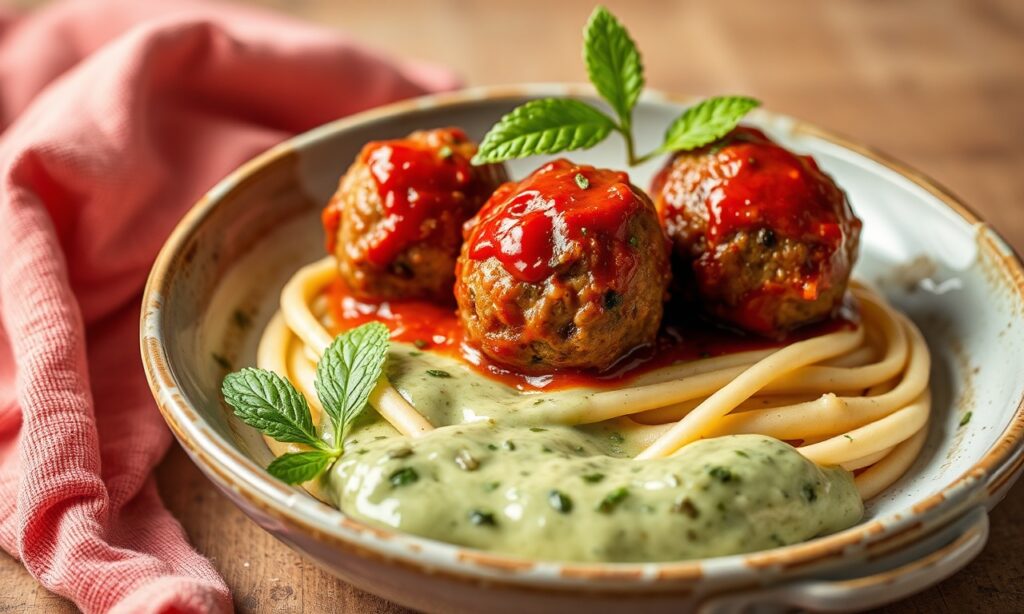
Creating truly exceptional harissa lamb dishes, whether in the form of succulent meatballs, flavorful skewers, or a slow-cooked, melt-in-your-mouth stew, hinges on a few fundamental principles. The following guide focuses on crafting exceptionally flavorful and tender harissa lamb meatballs, serving as a versatile and approachable starting point that beautifully showcases the core techniques.
- Prepare the Meatball Mixture: In a generous mixing bowl, combine approximately 500 grams (about 1.1 lbs) of high-quality ground lamb. Aim for a lean-to-fat ratio of around 80/20 for optimal juiciness and flavor. To this, add 3 tablespoons of authentic, high-quality harissa paste. Incorporate finely grated half of a small onion, 2 cloves of minced garlic, 1 lightly beaten egg, ½ cup of fresh breadcrumbs (or panko for a lighter, crispier texture), 2 tablespoons of finely chopped fresh parsley, 1 teaspoon of ground cumin, and generous pinches of salt and freshly ground black pepper to taste.
- Gentle Mixing is Paramount: Using your hands is the most effective method here. Gently fold and combine the ingredients until they are just incorporated. It is absolutely critical to avoid overworking the meat mixture, as this will inevitably lead to tough, dense meatballs.
- Test Seasoning: Before shaping all the meatballs, take a small spoonful of the mixture and fry it in a lightly oiled skillet until cooked through. Allow this small patty to cool slightly, then taste it carefully. This is your opportunity to adjust the harissa level, salt, and pepper to perfectly suit your palate. This step is absolutely critical for ensuring the final dish is precisely seasoned.
- Chill for Firmness: Cover the bowl containing the meatball mixture and refrigerate it for a minimum of 15-30 minutes. This chilling period allows the complex flavors to meld beautifully and, crucially, firms up the mixture, making it significantly easier to shape into uniform meatballs without them falling apart.
- Shape the Meatballs: Lightly wet your hands with cool water or a small amount of olive oil to prevent the mixture from sticking. Divide the chilled mixture into roughly 16 equal portions. Gently roll each portion into a uniform ball, aiming for a diameter of approximately 1.5 inches. Consistency in size is key for ensuring even cooking.
- Cook the Meatballs: Heat 2 tablespoons of good quality olive oil in a heavy-bottomed skillet over medium-high heat until it shimmers. Carefully place the shaped meatballs into the hot skillet, ensuring you do not overcrowd the pan; cook in batches if necessary. Brown the meatballs on all sides, turning them gently with tongs to develop a beautiful, flavorful crust.
- Sear for Flavor: This browning process is essential. It initiates the Maillard reaction, which is responsible for developing those deep, savory, and complex flavors that are characteristic of perfectly cooked meat.
- Finish Cooking: Once the meatballs have achieved a uniform golden-brown crust, reduce the heat to medium-low. Continue to cook for another 8-12 minutes, turning occasionally, until the meatballs are cooked through to the center. Alternatively, for a more hands-off approach, transfer the browned meatballs to a preheated oven at 375°F (190°C) for 8-10 minutes to finish cooking. The internal temperature of the meatballs should reach 160°F (71°C) for both food safety and optimal juiciness.
- Prepare the Cooling Mint Sauce: While the meatballs are cooking, prepare the essential cooling sauce. In a small bowl, whisk together ½ cup of thick Greek yogurt, ¼ cup of finely chopped fresh mint leaves, 1 tablespoon of fresh lemon juice, 1 teaspoon of honey (or to taste), and a pinch of salt and freshly ground black pepper.
- Freshness is Vital: For the most vibrant and clean mint flavor in your sauce, use the freshest mint leaves you can find.
- Balance Flavors: Taste the mint sauce and adjust the lemon juice for acidity or the honey for sweetness to perfectly complement the harissa’s heat.
- Allow Flavors to Marry: For the ultimate flavor experience, chill the mint sauce for at least 10-20 minutes before serving. This allows the mint flavor to fully infuse the yogurt and all the components to meld into a harmonious whole.
- Serve and Enjoy: Arrange the perfectly cooked harissa lamb meatballs on a serving platter. Drizzle generously with the prepared mint sauce, or serve the sauce on the side for individual dipping. Garnish with extra fresh mint leaves and lemon wedges for an added burst of brightness and freshness.
- Presentation Matters: A beautifully presented dish enhances the overall dining experience. Consider serving your harissa lamb meatballs with fluffy couscous, a crisp Mediterranean salad, or warm pita bread.
Beyond the Bowl: Versatile Applications of Harissa Lamb
While meatballs represent a fantastic and accessible entry point into the world of harissa lamb, the true allure and versatility of this flavor combination extend far beyond this singular preparation. The bold character of harissa and the rich depth of lamb lend themselves to an astonishing array of culinary applications, each offering a unique textural and flavor experience.
Harissa Lamb Skewers: A Smoky, Charred Delight
Marinate cubes of lamb shoulder or leg in a potent mixture of harissa, good quality olive oil, minced garlic, fresh lemon juice, and warming spices such as cumin and coriander. Thread these marinated lamb pieces onto skewers, alternating them with chunks of colorful bell peppers, sweet onions, and juicy cherry tomatoes. When grilled or broiled to perfection, these skewers offer a delightful char and an intense, concentrated burst of harissa-lamb flavor. Serve them with a side of cooling yogurt or a fresh, crisp salad to balance the intensity.
Slow-Cooked Harissa Lamb Shoulder: The Epitome of Tenderness
For a dish that practically dissolves in your mouth, consider slow-cooking a whole lamb shoulder. Begin by searing the shoulder on all sides until deeply browned. Then, braise it in a rich liquid infused with harissa, diced tomatoes, aromatic onions, garlic, and a robust lamb stock. The low and slow cooking process is crucial; it expertly breaks down the connective tissues, rendering the lamb incredibly tender and allowing it to absorb the deep, complex flavors of the harissa and other braising ingredients. This preparation is ideal for shredding and serving in tacos, gourmet sandwiches, or alongside hearty grains like farro or barley.
Harissa Lamb Tagine: An Authentic North African Feast
Embrace the rich culinary heritage of North Africa with a traditional tagine. This slow-cooked stew typically features tender chunks of lamb simmered with sweet dried fruits, such as apricots or prunes, crunchy nuts, and a fragrant spice blend that is further enhanced by the inclusion of harissa. The distinctive conical lid of a tagine is designed to trap steam, ensuring the lamb remains incredibly moist and tender while the myriad of flavors meld beautifully. Served traditionally with fluffy couscous, a harissa lamb tagine is a true feast for the senses, offering a complex tapestry of sweet, savory, and spicy notes.
Expert Insights for Harissa Lamb Perfection
Achieving harissa lamb perfection involves more than just following a recipe; it requires an understanding of ingredient nuances and culinary intuition. The choice of harissa paste is paramount. Different brands and homemade versions offer varying levels of heat intensity and distinct flavor profiles. Some harissas are intensely smoky, while others lean towards brighter, fruitier notes due to the specific chili varietals used. Experimenting with different varieties is key to unlocking new dimensions of flavor for your lamb. A common pitfall is using harissa that is either too mild, resulting in a lack of impact, or too aggressive, overpowering the delicate lamb.
Always begin with less harissa than you initially think you might need, and add more incrementally, tasting as you go, particularly during the seasoning test patty phase. This meticulous approach ensures you achieve the perfect balance for your specific palate.
Furthermore, the quality of the lamb itself plays a significant role. Opting for ground lamb with a moderate fat content, typically around 15-20%, is crucial. Fat is not the enemy in this context; it is a vital flavor enhancer and a critical moisture retainer, contributing significantly to the succulence of the final dish. When it comes to binding agents for meatballs, using fresh breadcrumbs, or even slightly stale bread that has been briefly soaked in milk and then squeezed dry, creates a more tender and moist meatball than relying solely on dried breadcrumbs. This added moisture helps to tenderize the meat during the cooking process.
The Importance of Fat Content and Ingredient Sourcing in Harissa Lamb
Embarking on your harissa lamb culinary adventures means paying close attention to the quality and sourcing of your ingredients. For ground lamb, as previously highlighted, a fat content of around 15-20% is ideal. This fat content not only contributes significantly to the succulence and tender mouthfeel of the final dish but also acts as an exceptional vehicle for carrying and distributing the nuanced flavors of the harissa paste. Sourcing lamb from reputable butchers or trusted local farms can make a noticeable difference in both the flavor profile and the overall texture of your final creation.
Similarly, the harissa paste itself is a star ingredient and rightfully deserves careful selection. Look for pastes made with high-quality chili peppers and freshly ground spices, as these will offer a more authentic and vibrant flavor. Many specialty food stores and reputable online retailers offer a diverse variety of harissas, each with its unique character and flavor profile. Do not shy away from exploring different brands and varieties to discover your personal favorite. A well-made harissa paste, rich in smoky depth and aromatic spices, has the power to transform your harissa lamb from merely good to truly extraordinary.
According to the Wikipedia entry on Harissa, traditional recipes often involve sun-drying the peppers and carefully grinding them with a mortar and pestle, a labor-intensive process that imparts a distinct and unparalleled depth of flavor.
Frequently Asked Questions: Your Burning Harissa Lamb Queries Answered
What makes harissa such a good match for lamb?
Harissa’s complex blend of smoky, roasted chilies, pungent garlic, and warm spices like cumin and coriander provides a robust and aromatic flavor profile that beautifully complements the inherent richness and subtly gamey notes of lamb. The spices within harissa possess the unique ability to cut through the lamb’s natural fat, creating a balanced, deeply satisfying, and remarkably complex taste experience that is greater than the sum of its parts.
How can I ensure my harissa lamb meatballs are tender and not tough?
The key to achieving tender, succulent meatballs lies in a combination of gentle handling and the right ingredients. Utilize ground lamb with a moderate fat content (around 15-20%), consciously avoid overmixing the ingredients once combined, and opt for fresh breadcrumbs as your primary binder. Overworking the meat mixture develops gluten, which invariably leads to a tough and undesirable texture in the final cooked product.
Can I bake harissa lamb meatballs instead of pan-frying them?
Absolutely. Baking is a highly convenient and often healthier alternative that requires less oil. Arrange the shaped meatballs on a baking sheet lined with parchment paper for easy cleanup. Bake at 375°F (190°C) for approximately 15-20 minutes, or until they are beautifully browned and cooked through to an internal temperature of 160°F (71°C), ensuring they are safe to eat and perfectly juicy.
How far in advance can I prepare harissa lamb components?
The cooling mint sauce can be prepared up to 2-3 days in advance and stored in an airtight container in the refrigerator. Chilling allows the flavors to meld and deepen, significantly enhancing its overall taste. Raw meatballs can be shaped and refrigerated for up to 24 hours before cooking, or frozen for longer storage; they can be cooked directly from a chilled state or from a thawed state. Thaw frozen meatballs in the refrigerator overnight for best results.
Are there dairy-free alternatives for the cooling mint sauce?
Yes, for a dairy-free or vegan option, substitute the Greek yogurt with a thick, unsweetened plant-based yogurt such as coconut, almond, or soy yogurt. It’s important to ensure the consistency of the plant-based yogurt is similar to that of Greek yogurt for the best texture. You may need to adjust the lemon juice and honey to achieve the desired balance of acidity and sweetness.
Final Recommendations for Your Harissa Lamb Journey
Mastering the art of harissa lamb is fundamentally an exercise in understanding and expertly manipulating flavor dynamics. It’s about embracing the boldness of spice, celebrating the complexity of aromatic ingredients, and always striving for that perfect, harmonious equilibrium. By meticulously paying attention to the quality of your ingredients, employing gentle and precise techniques, and deeply understanding the crucial role of contrasting flavors, you can consistently create dishes that are not only exceptionally delicious but also profoundly satisfying. Whether you are crafting simple weeknight meatballs or a show-stopping slow-cooked shoulder, the underlying principles remain the same: allow the lamb to shine as the star, let the harissa sing its complex song, and let the cooling elements provide that essential, palate-cleansing counterpoint.
Never be afraid to experiment with different harissa varieties and complementary spices to discover your own signature harissa lamb creation. The journey into the vibrant and exhilarating world of harissa lamb is one of continuous delicious discovery, and with these insights and practical guidance, you are exceptionally well-equipped to embark on it with unwavering confidence and refined culinary flair.
RELATED TOPICS: North African cuisine, Spicy recipes, Lamb cooking techniques, Mediterranean flavors, Flavor pairing science.
See also: Harissa lamb