


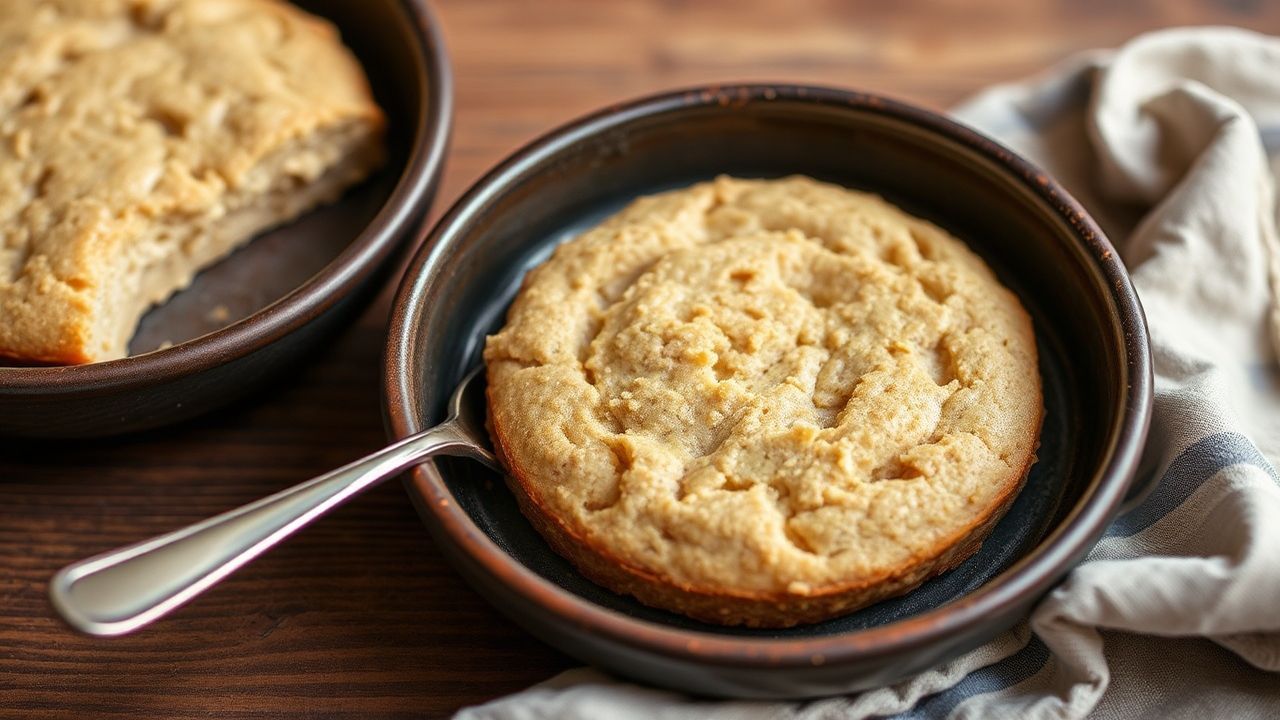
Hidden within Southern home cooking is a comforting dish that turns a simple grain into a creamy bake: buckwheat spoonbread. This spoonable casserole uses buckwheat flour to deliver a gentle nuttiness, then pairs it with melted cheese for a soft, custard-like crumb.
- Buckwheat Spoonbread: What Makes It Creamy?
- Ingredients for a Classic Buckwheat Cheese Spoonbread
- Prep and Cook Time
- Step-by-Step Instructions
- Tips for Success: Crafting the Perfect Creamy Texture
- Cheese Pairing Secrets: Elevating Buckwheat Spoonbread
- Classic sharp cheddar for bold comfort
- Gruyère or Comté for nutty depth
- Goat cheese or mozzarella for different textures
- Serving Suggestions and Recipe Variations
- Nutrition Snapshot (Estimated)
- FAQ
- Buckwheat flour gives nutty flavor and a gluten-free-friendly base.
- Egg separation and gentle folding create lift and a tender spoonable texture.
- Cheese choice changes the flavor fast—sharp cheddar stays bold and savory.
- Short rest time helps the batter set so slices scoop cleanly.
This recipe stays faithful to spoonbread technique—custard structure, lightness from eggs, and warm dairy richness. At the same time, it gives you a modern reason to reach for buckwheat in everyday cooking.
For background, it helps to know that buckwheat is not wheat. It comes from the Polygonaceae family, which explains why many cooks use it as a gluten-free grain alternative. See buckwheat on Wikipedia for a clear overview.
Buckwheat Spoonbread: What Makes It Creamy?
Buckwheat spoonbread becomes creamy when two things happen together: the batter hydrates and the eggs set into a custard. Buckwheat flour thickens as it heats, while cheese melts and blends into that custard network.
The flavor also comes from the grain’s natural compounds. Buckwheat has a nutty profile that feels close to roasted grains, which complements aged cheese well. If you want ingredient science, read thickening agents on Wikipedia.
How buckwheat flour behaves in baking
Buckwheat flour absorbs liquid differently than cornmeal or wheat flour. That’s why you should grind buckwheat finely (or use buckwheat flour) and let the batter rest for a few minutes before baking.
During that rest, flour particles fully hydrate, which reduces grittiness. This matters most for spoonbread, where you want a smooth scoop, not a dry crumble.
Why egg whites matter for texture
Egg whites trap air when you whip them, and that air expands in the oven. Then the proteins set, giving spoonbread a lighter structure even though it’s rich and cheesy.
To understand the role of egg proteins, review egg structure on Wikipedia. This is the same basic mechanism behind many soufflé-like bakes and custards.
Ingredients for a Classic Buckwheat Cheese Spoonbread
Use simple, reliable ingredients so the technique does the heavy lifting. This list balances moisture, fat, lift, and savory flavor without overcomplicating the process.
For nutrition context, buckwheat is commonly discussed as a whole-food option. If you want a broad nutrient discussion and terminology, see whole foods on Wikipedia.
- 1 cup buckwheat flour, finely ground
- 1 cup whole milk, warmed
- 3 large eggs, separated
- 1/2 cup sharp aged cheddar cheese, finely grated
- 1/4 cup cream cheese, softened
- 2 tbsp unsalted butter, melted, plus extra for greasing
- 1 tbsp honey or pure maple syrup
- 1/2 tsp kosher salt
- 1/4 tsp freshly ground black pepper
- 1/2 tsp baking powder for lightness
- Fresh herbs (optional—chives or thyme), finely chopped
Prep and Cook Time
Readiness: 15 minutes
Cooking: 45 minutes (plus a short rest)
Total: about 1 hour
Step-by-Step Instructions
Follow these steps in order. The small choices—resting the batter, folding egg whites gently, and baking until the center sets—create the spoonbread’s signature texture.
If you need general oven timing guidance, check oven basics on Wikipedia. It helps explain why preheating and temperature consistency affect baking results.
- Preheat your oven to 350°F (175°C). Butter an 8×8 inch baking dish.
- Warm the milk in a small saucepan until hot but not boiling. Whisk in buckwheat flour, salt, pepper, and baking powder gradually until you get a thick, smooth batter. Rest 5 minutes.
- Mix the yolk base in a bowl: whisk egg yolks with honey and softened cream cheese. Stir in melted butter and grated cheddar until evenly combined. Fold this into the buckwheat batter.
- Whip the egg whites until you see stiff peaks. Fold them into the batter in three additions, using slow, gentle strokes.
- Transfer the batter to the baking dish. Smooth the top. Add extra cheddar and herbs if you want a more savory top layer.
- Bake for 40–45 minutes, until golden on top and set at the edges. The center should look firm but still slightly soft. A toothpick should come out with a few moist crumbs.
- Rest for 10 minutes before serving. This short pause helps the custard set so you can scoop cleanly.
Tips for Success: Crafting the Perfect Creamy Texture
Small adjustments make a big difference in spoonbread. Use these tips to protect the batter texture and keep the final bake tender, not dense.
For general comfort baking terms like “custard” and “set,” you can also refer to custard on Wikipedia.
- Hydration matters: Resting after mixing buckwheat flour and milk improves smoothness.
- Whip to stiff peaks: Soft peaks can lead to less lift.
- Use warm milk and room-temp eggs: They blend more smoothly into the batter.
- Cheese variety: Sharp cheddar adds clear savory flavor; Gruyère or Comté adds deeper nutty notes.
- Make-ahead: Bake earlier, then reheat gently. Low heat preserves the creamy texture.
When you watch the bake, focus on how the edges look and how the center jiggles. It should hold shape without looking liquid.
Cheese Pairing Secrets: Elevating Buckwheat Spoonbread
Cheese drives both flavor and melt behavior. Choose a cheese you enjoy eating on its own, then let it work as part of the custard.
If you want a quick reference for how cheese types differ, review cheese on Wikipedia. Aging and moisture content often explain why some cheeses melt creamier or taste sharper.
Classic sharp cheddar for bold comfort
Sharp cheddar gives a tangy, savory edge that matches buckwheat’s nuttiness. Use finely grated cheese so it melts quickly and evenly into the batter.
If you like a stronger flavor, choose an aged cheddar. If you prefer mild creaminess, blend cheddar with a softer melting cheese like creamier Swiss-style options.
Gruyère or Comté for nutty depth
Gruyère and Comté bring a toasted, nut-like character that mirrors buckwheat. This creates a layered flavor that feels rich without needing extra sugar.
Swap them in a 1:1 ratio for cheddar. Keep the cheese amount the same so the custard sets correctly.
Goat cheese or mozzarella for different textures
Goat cheese adds tang and a softer, slightly tangy melt. Mozzarella gives mild, elastic melt and a more family-friendly flavor.
If you use softer cheeses, watch baking time. The extra moisture can make the center take a few minutes longer to set.
Serving Suggestions and Recipe Variations
Serve buckwheat spoonbread warm so the cheese stays fluid and the custard feels silky. It works as a side, or you can treat it like a comforting main with a topping.
For a food pairing approach, consider the idea of balancing savory bakes with bright acids. If you want vocabulary for that balance, see acids in food on Wikipedia.
- As a side dish: Serve with roasted vegetables or a simple salad with lemon vinaigrette.
- For brunch: Add herbs, a drizzle of honey, or a dollop of crème fraîche.
- Vegetarian main: Pair with mushroom ragout or ratatouille.
- Flavor boost: Fold in sautéed mushrooms, caramelized onions, or roasted garlic.
- Herb infusion: Stir chopped thyme or rosemary into the batter.
If you want a tighter spoonbread with cleaner slices, let it cool 10 minutes, then serve. For a softer scoop, serve closer to warm-from-the-oven.
Nutrition Snapshot (Estimated)
Nutrition varies by brand and portion size, but this estimate gives you a practical baseline. It also helps you plan sides when you’re building a balanced plate.
For general guidance on how calories relate to nutrition labeling, see calories on Wikipedia.
| Nutrient | Per Serving |
|---|---|
| Calories | 230 kcal |
| Protein | 10 g |
| Carbohydrates | 25 g |
| Fat | 10 g |
FAQ
These answers focus on the most common questions home cooks ask when making buckwheat spoonbread. Read them before you bake, so you can adjust with confidence.
Is buckwheat spoonbread gluten-free?
Buckwheat itself is naturally gluten-free. If you need strict gluten-free cooking, confirm that your buckwheat flour and all packaged ingredients are labeled gluten-free.
Can I use a different cheese?
Yes. Sharp cheddar, Gruyère, Comté, goat cheese, and mozzarella all work. Choose cheeses that melt well, then keep the same total cheese amount for best custard setting.
Why did my spoonbread turn out dense?
Density usually comes from under-whipped egg whites or rough folding that knocks out the air. It can also happen if the batter is too hot when you combine components.
How do I reheat without losing creaminess?
Reheat gently at low heat or in short microwave bursts. Warm it just until heated through, then serve right away.
Can I make it ahead for a gathering?
Yes. Bake, cool to warm, then cover and refrigerate. Reheat gently before serving so the texture stays soft and spoonable.
See also: buckwheat spoonbread