


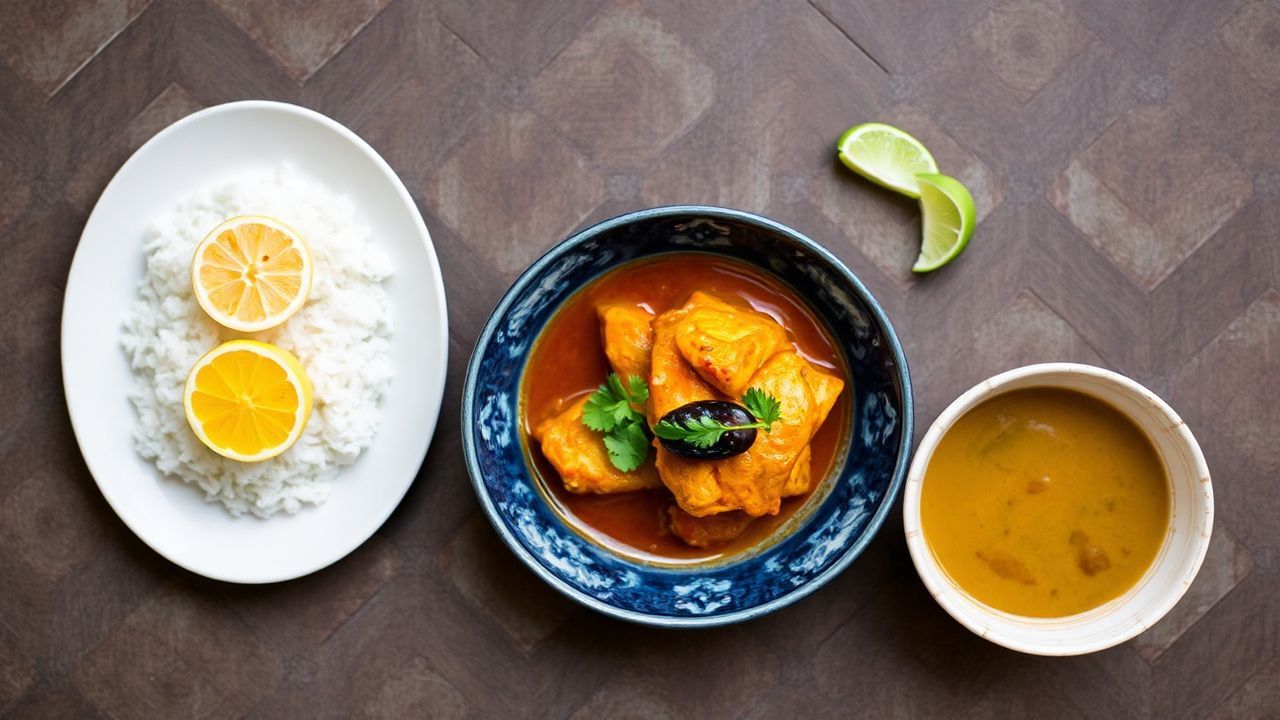
In the vibrant tapestry of global cuisine, tamarind fish curry stands out for its bright sourness, warming spices, and comforting depth. The dish balances tart tamarind with savory aromatics and tender fish so every bite feels lively, not heavy. It’s a favorite in many coastal cooking traditions where sour fruit and fresh seafood pair naturally.
- Zesty Tamarind Fish Curry Flavor Profile
- Key Ingredients for Tamarind Fish Curry
- Prep and Cook Time (Serves 4)
- Ingredients List
- How to Make Tamarind Fish Curry (Step-by-Step)
- 1) Marinate the fish
- 2) Temper mustard and fenugreek
- 3) Build the spice base
- 4) Cook tomatoes until the sauce thickens
- 5) Incorporate tamarind and simmer
- 6) Optional coconut milk
- 7) Cook the fish
- 8) Final seasoning and garnish
- 💡 Expert Insight Expert Insight: How to hit the perfect sourness
- Chef’s Notes: Tips for Success
- ⚠️ Pro-Caution Pro-Caution: Avoid a hard boil after adding fish
- Serving Suggestions and Pairings
- FAQ
- 1) Why is tamarind the star of this curry?
- 2) How do I adjust spice without losing flavor?
- 3) What fish works best for tamarind fish curry?
- 4) Can I make this curry ahead of time?
- 5) Why does gentle simmering matter?
- Final Take: A Balanced Bowl of Sour, Spicy Comfort
- At a Glance: Tamarind pulp drives the sour profile, so start with good tamarind.
- Heat control: Spice layers build flavor; simmering keeps fish tender.
- Optional richness: Coconut milk smooths the curry without dulling tang.
- Best texture: Use firm white fish and cook just until flakes.
This guide explains how to craft tamarind fish curry with clear steps you can repeat. You’ll learn key ingredients, timing, and technique so the curry stays balanced from first simmer to final garnish. If you’ve had sour curries that tasted harsh, this version fixes that with proper tamarind extraction and gentle cooking.
Zesty Tamarind Fish Curry Flavor Profile
The signature taste comes from the contrast of sour tamarind and aromatic spice. Tamarind’s natural acids cut through fish richness and make the sauce feel clean and bright. The backbone is a tempered base of onion, garlic, ginger, and whole seeds that release fragrance before powders hit the pan.
For context, tamarind is a fruit known for its tangy pulp and culinary versatility. When you simmer it gently, it turns from sharp to rounded. To understand the sour-sweet balance, you can also read about tamarind and how fruit-based acids behave in cooking.
What “zesty” really means in this curry
“Zesty” here means bright sourness plus fragrant spice oils. You get that effect when you toast spices briefly and then simmer long enough for tamarind to blend. If you boil hard, fish can overcook and the sauce can taste too aggressive.
Many readers compare this curry to other tangy sauces that rely on acidic fruit. Techniques like tempering and simmering are tied to classic curry methods across regions. The goal is always harmony, not just heat.
Key Ingredients for Tamarind Fish Curry
Start with firm fish, quality tamarind paste, and a measured spice mix. White fish such as cod or snapper holds shape and cooks evenly in a saucy simmer. Tamarind paste dissolved in warm water helps you control sour strength.
The aromatics matter as much as the sour element. Onion builds sweetness, ginger adds sharp warmth, and garlic deepens savory notes. Whole mustard and fenugreek seeds create a toasted aroma that powders alone can’t match. For background on the plant used for oil-seed tempering, see mustard and how mustard seeds contribute to flavor.
Fish selection and sizing
Choose firm fillets and cut them into similar-sized chunks. That keeps the cooking time consistent across pieces. If your chunks vary, some will turn dry while others stay underdone.
For tenderness, stop cooking when the fish flakes easily but still looks moist. Overcooked fish turns grainy fast in acidic sauces. If you want a sturdier bite, use thicker cuts and simmer gently rather than aggressively.
Tamarind: paste vs pulp extraction
Paste works well when you dilute it and simmer briefly. Extraction from pulp can feel more nuanced, but paste is easier and more consistent for weeknight cooking. Either approach should yield a smooth sour base after the sauce thickens slightly.
To learn why sour fruits need gentle heat to soften, review food acids. Acidity changes how flavors taste and how proteins tighten, which affects fish texture. This is why low simmering works best.
Prep and Cook Time (Serves 4)
Plan for about 20 minutes of prep and 35 minutes of cooking. This schedule includes simmering the tamarind base and cooking the fish until tender. If you use coconut milk, add it at the end so the sauce stays aromatic.
Working ahead also helps. If you pre-chop onion, mince garlic, and grate ginger, your cooking flow stays smooth. That reduces the chance of burning tempering spices during busy steps.
Timing that protects fish texture
Simmer the tamarind-spice sauce for around 5 minutes before adding fish. That step lets sourness blend and thickens the base slightly. Then cook fish for 10–12 minutes at a medium-low heat.
Keep the lid on, but avoid boiling. A steady gentle simmer prevents the fish from breaking apart. Use a timer and taste the sauce before the fish goes in.
Ingredients List
Gather everything before you start. Measured ingredients create a consistent tamarind fish curry and keep flavors balanced even if you cook for the first time. Adjust chili and salt toward the end for a final, restaurant-style finish.
Below is a dependable set of quantities for four servings. If you prefer a creamier version, coconut milk stays optional and should be added after the tomato-tamarind base.
Shopping checklist
- 600g firm white fish fillets (kingfish, snapper, or cod), cut into chunks
- 2 tbsp tamarind paste, dissolved in 1/2 cup warm water
- 3 tbsp vegetable oil or mustard oil
- 1 large onion, finely sliced
- 3 garlic cloves, minced
- 1-inch ginger piece, grated
- 2 fresh green chilies, slit lengthwise
- 1 tsp mustard seeds
- 1 tsp fenugreek seeds
- 1 tsp turmeric powder
- 2 tsp coriander powder
- 1 tsp cumin powder
- 1 tsp red chili powder (adjust to taste)
- 1 medium tomato, finely chopped
- 1 cup coconut milk (optional)
- Salt to taste
- Fresh coriander leaves for garnish
How to Make Tamarind Fish Curry (Step-by-Step)
Follow these steps in order for the best flavor. This sequence keeps the tempering aromatic, lets tomato soften and sweeten, then blends tamarind for a smooth sour profile. Finally, you cook fish gently so it stays tender.
Use a heavy-bottom pan for even heat. That helps onions caramelize evenly and prevents spices from scorching during toasting. For general sauce-building methods, you can also review sauce structure and thickening behavior.
1) Marinate the fish
Lightly season fish with salt and a pinch of turmeric. Let it rest while you build the curry base. This step improves flavor contact without making the fish tough.
Keep the marination short at around 10–15 minutes. Long soaking can start to change fish texture, especially in kitchens with strong acids.
2) Temper mustard and fenugreek
Heat oil over medium heat in a heavy pan. Add mustard seeds and fenugreek seeds; once they sizzle and smell toasted, add sliced onion.
Sauté until golden brown, about 8 minutes. This browning step boosts sweetness, which helps tame the sharp edge of tamarind later.
3) Build the spice base
Stir in minced garlic, grated ginger, and green chilies. Cook for about 2 minutes until fragrant, but avoid browning the garlic too far.
Add turmeric, coriander, cumin, and red chili powder. Toast the powders for 1–2 minutes, stirring often. If the spices darken too quickly, lower the heat.
4) Cook tomatoes until the sauce thickens
Add chopped tomato and cook until soft and the oil begins to separate. This takes about 5 minutes and forms the curry’s savory-sweet base.
Tomato’s natural sugars help round out acidity. For background on tomato cooking behavior, see tomato.
5) Incorporate tamarind and simmer
Pour in tamarind water and stir well. Simmer for 5 minutes so the flavors merge and the sourness becomes smoother.
Taste at this stage. If it’s too sharp, simmer 1–2 minutes more. If it’s too mild, add a small splash of extra tamarind water and simmer briefly.
6) Optional coconut milk
For a softer, richer curry, stir in coconut milk now. Simmer gently for another 5 minutes so the sauce turns creamy and cohesive.
Avoid boiling after adding coconut milk. High heat can split some coconut sauces, which affects texture and mouthfeel.
7) Cook the fish
Gently add marinated fish chunks. Cover and cook on medium-low heat for 10–12 minutes until the fish is tender and flakes easily.
Stir gently once midway. Use a flat spoon or ladle so you don’t break chunks apart.
8) Final seasoning and garnish
Taste and adjust salt. If you want more sourness, add a little more tamarind water. If you want more heat, add chili powder in small amounts.
Finish with fresh coriander leaves right before serving. This keeps the aroma bright and prevents herbs from turning dull.
Serve tamarind fish curry hot with basmati rice or flaky parathas. A squeeze of lime can sharpen the top notes, and cucumber raita cools the palate without hiding the spice.
💡 Expert Insight
Expert Insight: How to hit the perfect sourness
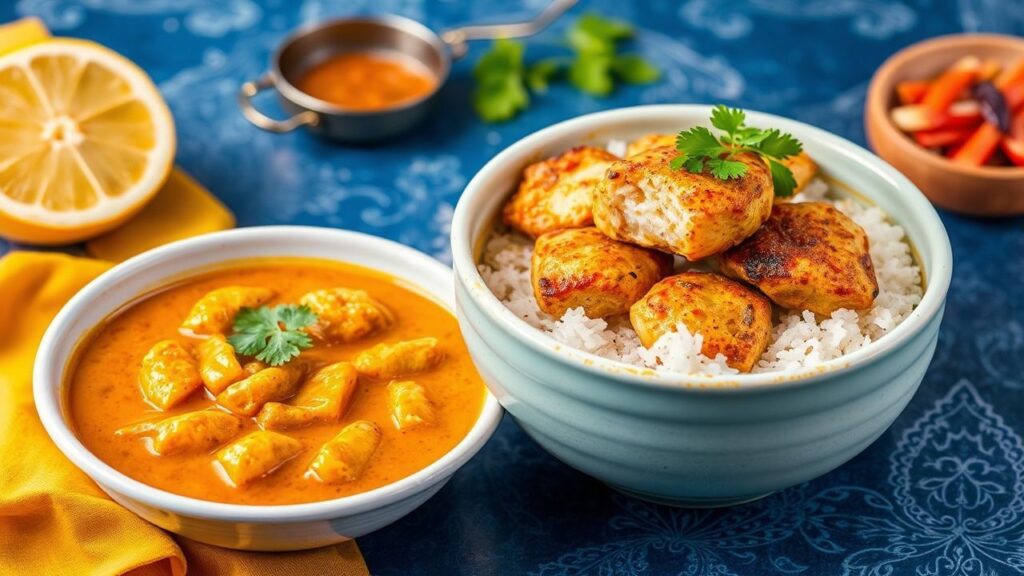
[TIP]Expert Insight: Dissolve tamarind paste in warm water first, then add it to the sauce in one measured pour. Taste after the 5-minute simmer and fine-tune with extra tamarind water so sourness stays controlled.
[TIP]Expert Insight: Dissolve tamarind paste in warm water first, then add it to the sauce in one measured pour. Taste after the 5-minute simmer and fine-tune with extra tamarind water so sourness stays controlled.
This method prevents a common issue: adding tamarind late when fish is already cooked. Late acid can feel harsh and can push fish texture toward softness or breakage. Measure, simmer, taste, adjust.
Chef’s Notes: Tips for Success
Small choices shape the final curry more than many cooks expect. The goal is tender fish, balanced tamarind, and layered spice aroma. Use these notes to improve consistency and texture.
Keep your cooking pace steady. When you toast spices, do it briefly. When you simmer tamarind, do it gently. That balance protects both flavor and fish structure.
- Choose firm fish flesh so chunks hold their shape.
- Adjust chili heat based on preference; green chilies can mellow as they cook.
- For deeper tamarind flavor, soak tamarind pulp in warm water for 15 minutes, then strain.
- Mustard oil adds an earthy edge; vegetable oil keeps flavor lighter.
- Fish curry often tastes better the next day after flavors marry.
- Don’t over-stir after adding fish to prevent breaking.
⚠️ Pro-Caution
Pro-Caution: Avoid a hard boil after adding fish
[WARNING]Pro-Caution: Once fish goes in, keep the heat medium-low and avoid hard boiling. Acidic tamarind plus vigorous bubbling can break fish pieces and make the curry grainy.
[WARNING]Pro-Caution: Once fish goes in, keep the heat medium-low and avoid hard boiling. Acidic tamarind plus vigorous bubbling can break fish pieces and make the curry grainy.
If you notice bubbles getting too strong, lower the burner and let the curry simmer steadily. This keeps fish moist and maintains a clean sauce texture.
Serving Suggestions and Pairings
Serve zesty tamarind fish curry piping hot with fragrant basmati rice or parathas. The rice absorbs the sour-spiced sauce and makes each spoonful balanced rather than intense.
For extra brightness, add a lime wedge and more fresh coriander. If you want cooling contrast, include cucumber raita or a simple coconut chutney. For a broader view of rice types that pair with curries, see rice.
Pairing also affects perceived heat. Cooling sides reduce spice sting while still letting tamarind acidity show. That makes the overall flavor feel smoother and more “zesty.”
| nutrient | Per Serving |
|---|---|
| Calories | 320 kcal |
| Protein | 38 g |
| Carbohydrates | 10 g |
| Fat | 12 g |
For more seafood curry ideas, explore your own ingredient variations. Swap fish types if they’re firm and add greens if you want extra freshness. The core tamarind-spice balance stays the same.
FAQ
These quick answers help you troubleshoot flavor and texture. Use them to adjust sourness, spice, and fish cooking time with confidence.
Because tamarind strength varies by brand, always taste during the simmer stage. Then you can lock in the flavor before fish goes in.
1) Why is tamarind the star of this curry?
Tamarind creates the sour backbone that makes the curry feel bright. It cuts through the fish’s richness and lets toasted spice aromas stand out. When simmered, tamarind tastes rounded rather than harsh.
2) How do I adjust spice without losing flavor?
Reduce chili powder and use fewer green chilies. Keep the onion-garlic-ginger base and tempering seeds the same, so aroma stays full. Then simmer so the sauce still blends smoothly.
3) What fish works best for tamarind fish curry?
Choose firm white fish like cod, snapper, or kingfish. Firm flesh holds its shape through a saucy simmer. Avoid very delicate fish that breaks easily in acid.
4) Can I make this curry ahead of time?
Yes, the flavors often improve after resting. Refrigerate and reheat gently. For best texture, reheat the sauce slightly, then add fish only if you cooked it separately.
5) Why does gentle simmering matter?
Gentle heat helps tamarind blend and protects fish proteins from over-tightening. Hard boiling can break fish pieces and change the curry’s texture. A steady low simmer gives tender results.
Final Take: A Balanced Bowl of Sour, Spicy Comfort
Tamarind fish curry delivers zesty, spicy comfort through smart layering. The tempering builds aroma, the tomato rounds the sauce, and tamarind sets the sour profile. When you simmer gently and cook fish carefully, the curry turns tender and vivid.
Next time you want a dish that tastes bold yet balanced, follow this method. You’ll get a curry that feels bright, satisfying, and repeatable—whether it’s your first attempt or your next favorite weeknight meal.

See also: tamarind fish curry