

One-Pan Lemon Garlic Salmon: Bright Flavor in 25 Minutes
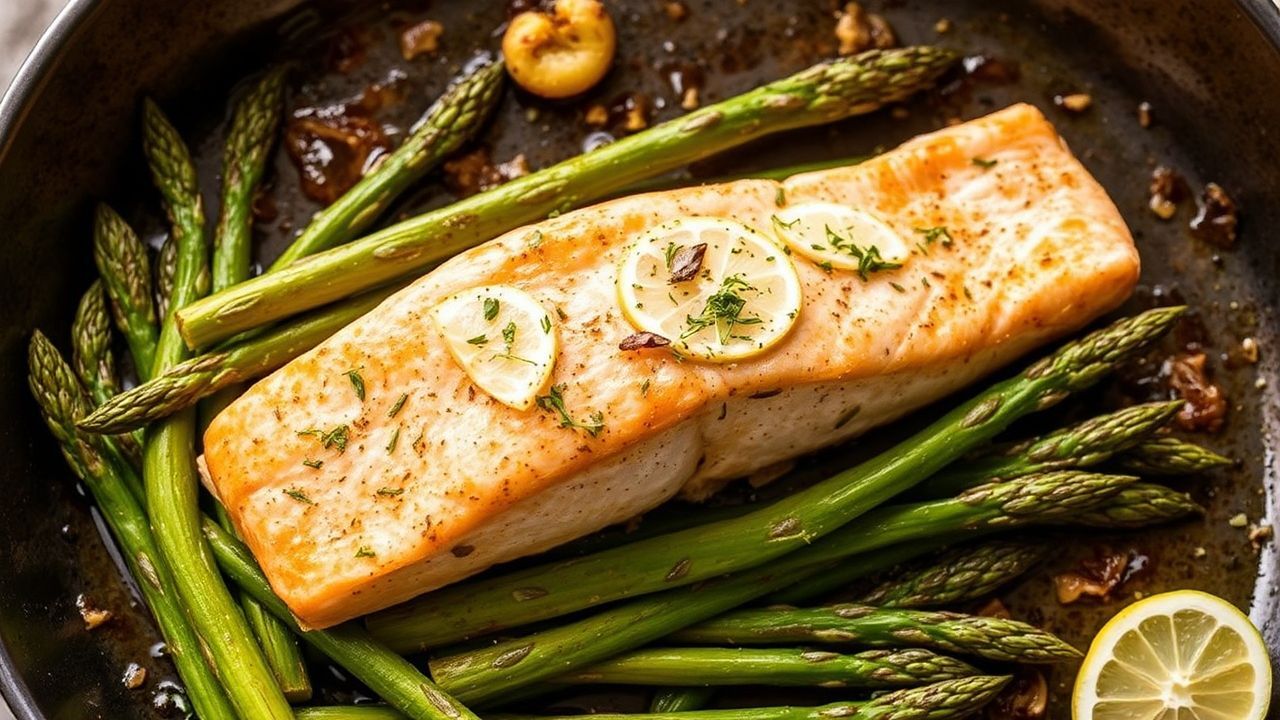
Zesty lemon garlic salmon with tender-crisp asparagus hits the sweet spot for weeknights: bold flavor, quick timing, and one skillet to clean. You get a glossy sauce that clings to the fish while the asparagus stays green instead of turning soft.
- One-Pan Lemon Garlic Salmon: Bright Flavor in 25 Minutes
- Why This One-Pan Method Works (So Your Salmon Stays Juicy)
- Choosing the Best Salmon and Asparagus (Quality Starts at the Market)
- Ingredients You Need (Simple, Purposeful, and Balanced)
- Step-by-Step: How to Cook Lemon Garlic Salmon and Asparagus in One Pan
- 1) Whisk the Lemon Garlic Butter Sauce
- 2) Season the Salmon for Maximum Browning
- 3) Sear Skin-Side Down Until the Edges Turn Opaque
- 4) Add Asparagus and Pour the Sauce
- 5) Cover Briefly to Steam, Then Uncover to Reduce
- Timing Targets (So Texture Stays Perfect)
- Heat Control: The “Medium Simmer” Rule for the Best Glaze
- Common Mistakes (and How to Fix Them Fast)
- Mistake 1: Crowding the Pan
- Mistake 2: Sauce Added Too Early
- Mistake 3: Skipping the Uncovered Reduction
- Variations That Keep the Same One-Pan Logic
- Serving Suggestions: Match Sides to the Lemon-Butter Sauce
- Storage and Reheating (Without Drying Salmon)
- Prep Time, Cook Time, and Yield
- FAQ
The secret sits in the cooking order. First, you sear the salmon for crisp edges and a proper crust. Then you add asparagus and finish with a short covered steam so everything reaches doneness at the same time.
- Timing wins: asparagus goes in after searing, then cooks briefly under a lid.
- Flavor sticks: lemon-garlic butter emulsifies into a glaze that coats fish and stems.
- Heat control matters: light simmering thickens sauce without drying salmon.
- Simple prep: trim, mince, and whisk before the first sear.
Why This One-Pan Method Works (So Your Salmon Stays Juicy)
Salmon is lean enough to dry quickly, but it stays moist when you cook it with the right heat and the right timing. When you sear first, the surface sets and firms up, which reduces moisture loss.
After the crust forms, a brief covered phase gently steams the asparagus. That steam cooks the stems fast while shielding the fish from further browning. Finally, an uncovered reduction thickens the lemon-garlic butter into a sauce you can spoon over every bite.
If you want to understand the technique at a food-science level, emulsified sauces behave differently than watery pan drippings. A butter-lemon mixture emulsifies, helping it cling instead of sliding off the protein. For background, see emulsion.
You’ll also notice that heat level changes texture. High heat drives rapid browning, while moderate heat supports controlled cooking. For the heat/texture relationship, Maillard reaction explains why searing creates that deeper flavor layer.
Choosing the Best Salmon and Asparagus (Quality Starts at the Market)
Great results start with fish that looks good and smells fresh. Choose salmon fillets with firm flesh and a clean, ocean-like aroma. If the surface looks slimy or the color seems dull, skip it.
For optimal pan performance, pick skin-on fillets when possible. The skin helps the fish hold shape during searing and improves crisping. It also acts like a natural barrier against direct heat at first.
Asparagus should look vivid green with tight tips. The stems should feel firm, not limp. Thinner spears cook faster and stay tender-crisp more easily in a one-pan schedule.
Fresh asparagus also matters because its water content affects cooking speed. Aged or woody stalks need longer time and tend to soften beyond the ideal stage. If you want to compare plant structure and texture, asparagus covers the basics of the vegetable.
Ingredients You Need (Simple, Purposeful, and Balanced)
This recipe keeps the ingredient list tight so each component has a job: sear-friendly oil, aromatic garlic, bright lemon, and emulsifying butter.
Use fresh herbs if you have them. Parsley adds freshness at the finish, which balances the richness of butter.
Shopping List
For 4 servings:
4 salmon fillets (about 6 oz each, skin-on if possible)
1 lb asparagus, trimmed (halve thick spears)
3 tbsp extra-virgin olive oil, divided
4 cloves garlic, minced
1 lemon, zest + juice
3 tbsp unsalted butter
Salt and black pepper
1 tsp dried Italian herbs (optional)
Chopped fresh parsley (optional garnish)
Step-by-Step: How to Cook Lemon Garlic Salmon and Asparagus in One Pan
Start by preparing everything before you heat the skillet. Once salmon hits the pan, you move fast. Prepping early prevents overcooking and keeps the sauce from running thin.
Use a large nonstick or cast-iron skillet. Cast iron holds heat well, which helps create consistent browning. If you use nonstick, preheat properly so you still get good searing.
1) Whisk the Lemon Garlic Butter Sauce
In a small bowl, mix minced garlic, lemon zest, lemon juice, and softened butter. Stir until the butter breaks down into a smooth mixture.
Set the sauce aside. You want it ready so you can pour it in at the right moment, rather than pausing mid-sear.
2) Season the Salmon for Maximum Browning
Pat salmon dry with paper towels. Then season both sides (and the skin side) with salt and black pepper. Dry surfaces sear better, and salt draws out surface moisture so it can evaporate quickly.
If you use Italian herbs, sprinkle them over the flesh side. Herbs don’t need long cooking here; the lemon-garlic sauce finishes the flavor.
3) Sear Skin-Side Down Until the Edges Turn Opaque
Heat the skillet over medium-high. Add about 2 tablespoons olive oil. When the oil shimmers, place salmon skin-side down.
Leave it undisturbed for 4–5 minutes depending on thickness. You’re aiming for crisping skin and edges that look opaque. If the pan is too cool, the fish steams and the crust won’t form.
4) Add Asparagus and Pour the Sauce
Once salmon edges look opaque, gently flip salmon or slide it slightly so the flesh side has contact with the pan. Arrange asparagus around the fish. Drizzle the remaining olive oil over asparagus.
Pour the lemon garlic butter mixture into the skillet. If the pan seems dry, the liquid helps create a thin sauce layer that carries flavor to the stems.
5) Cover Briefly to Steam, Then Uncover to Reduce
Reduce heat to medium. Cover the skillet and cook 5–7 minutes until asparagus turns tender-crisp and salmon flakes easily. Cooking time depends on spear thickness and salmon thickness.
After that, uncover and cook 1–2 minutes to reduce excess liquid. You want a glossy glaze, not a watery pan sauce.
Timing Targets (So Texture Stays Perfect)
Texture comes down to two clocks: the fish clock and the vegetable clock. Salmon cooks fast once the exterior sets. Asparagus cooks faster than you think, but it still needs just enough time to soften without losing its spring.
Use these targets as a practical guide. They work best when fillets are similar thickness and asparagus pieces finish at the same time.
Doneness Cues for Salmon
Look for opaque edges and a slightly translucent center early on. When you press gently, the fillet should feel set but still moist.
Then use a fork-test. If it flakes with light pressure along the thickest portion, it’s ready. Remember: carryover cooking continues as the sauce reduces.
Doneness Cues for Asparagus
Asparagus should stay bright green and tender-crisp. You should feel a bit of resistance when you bite through the thickest spear.
If asparagus turns dull green or looks pale, you’ve likely overcooked it. Trim more evenly next time and shorten the covered phase by a minute.
Heat Control: The “Medium Simmer” Rule for the Best Glaze
A lemon garlic butter sauce is not supposed to boil violently. Boiling can break the sauce texture and scatter flavor, and it can also overheat the fish surface.
Instead, keep the sauce at a gentle bubble. When the sauce simmers lightly, butter emulsifies and thickens in a controlled way, which creates that spoonable coating.
If you like to understand the mechanics, butter is a fat-based ingredient, and fats behave differently at different temperatures. For background, see butter.
Common Mistakes (and How to Fix Them Fast)
Most failures come from small process errors, not bad ingredients. If your salmon turns out uneven or your asparagus turns mushy, check these points first.
Mistake 1: Crowding the Pan
If asparagus piles on top of itself, it traps steam and prevents browning. Spread spears around the salmon so hot air can circulate.
If your pan feels too small, cook in batches. One-pan comfort disappears when you lose heat consistency.
Mistake 2: Sauce Added Too Early
If you pour the lemon garlic butter before searing, the garlic can burn and the fish won’t develop a crust. Add sauce after the initial sear phase.
That keeps garlic aromatic rather than bitter.
Mistake 3: Skipping the Uncovered Reduction
If you never uncover, the sauce stays thin and tastes less concentrated. The short uncovered stage thickens the mixture and boosts lemon-garlic aroma.
Watch it closely. You only need 1–2 minutes.
Variations That Keep the Same One-Pan Logic
One-pan cooking works because the order matches cooking times. You can adjust flavors and still rely on the same sequence: sear, add vegetables, glaze, finish uncovered.
Here are a few variations that keep texture consistent.
Add a Gentle Heat
Stir a pinch of red pepper flakes into the lemon-garlic butter. The heat warms the dish without fighting lemon brightness.
Keep the amount small so garlic flavor stays clean.
Swap Asparagus for Similar-Cooking Greens
You can use broccolini or green beans cut to similar lengths. Both tolerate the short covered steam stage.
Still, adjust thickness. Thick stems may need an extra minute under the lid.
Make It a Meal-Prep Friendly Dinner
You can whisk the lemon garlic butter up to a few hours ahead. Store it chilled, then let it sit briefly at room temperature so it pours easily.
Cook fresh asparagus and fresh salmon for best texture. Reheated fish can lose crisp edges.
Serving Suggestions: Match Sides to the Lemon-Butter Sauce
This dish pairs well with sides that soak up sauce. That’s the point of the glaze—make sure something on the plate can catch it.
Serve with rice, quinoa, or mashed potatoes for comfort. For lighter plates, add a crisp salad with a lemony vinaigrette.
If you want a simple grain pairing, quinoa’s nutty flavor complements rich seafood and helps balance the lemon-butter finish. For background, see quinoa.
Storage and Reheating (Without Drying Salmon)
Store leftovers in a sealed container within two hours. Refrigerate for up to 2 days for best quality.
When reheating, add a spoon of water or extra lemon juice to help loosen the sauce. Warm the skillet over low heat and cover briefly so the salmon heats gently.
Microwave reheating works, but use short bursts and stop while the center still feels slightly soft. Overheating is the fastest way to change salmon texture.
Prep Time, Cook Time, and Yield
This recipe fits a weeknight schedule. You’ll spend about 10 minutes prepping, then 15 minutes cooking while you manage the heat and timing.
Yield: 4 servings. If you cook for fewer people, scale salmon portions and keep the sauce ratio similar so it still emulsifies into a glossy glaze.
FAQ
How do I stop asparagus from getting mushy?
Trim asparagus so spears match in thickness. Add asparagus after you sear the salmon, then cover only until the stems turn bright and fork-tender. Finish uncovered for 1–2 minutes so the sauce reduces without over-steaming.
What if my salmon fillets are thicker or thinner?
Thicker salmon needs extra time during the covered phase, while thinner fillets need less. Use the fork-test and watch the opaque-edge cue. Adjust by 1–2 minutes next time rather than changing the whole method.
Can I use frozen salmon for this?
Yes, but thaw it fully in the refrigerator first. Pat it dry before searing so you still get crust. Frozen salmon can release extra moisture, so keep an eye on sauce thickness and reduce uncovered a bit longer if needed.
Is this recipe gluten-free and keto-friendly?
As written, it uses salmon, asparagus, butter, garlic, lemon, and olive oil—no gluten ingredients. It’s naturally low in carbs, which makes it a strong fit for keto-style eating.
How do I reheat leftovers without drying salmon?
Reheat gently on low heat in a skillet, covered briefly. Add a splash of water or lemon juice to loosen the sauce. Stop when salmon feels just warmed, since carryover continues after you take it off heat.
See also: lemon garlic salmon