
Wholesome Chicken Adobo: A Nutritious Filipino Classic
Chicken Adobo remains a cornerstone of Filipino home cooking and a reliable, nutritious weeknight meal. This Chicken Adobo guide focuses on healthy ingredient choices, proven techniques, and practical serving ideas to maximize flavor and nutrition.
- The Rich History Behind Chicken Adobo
- Key Nutritive Components in Chicken Adobo
- Choosing Ingredients for Healthier Chicken Adobo
- Prep and Cook Time for Chicken Adobo
- Step-by-Step Guide to Preparing Chicken Adobo
- Chef’s Notes: Tips for Success with Chicken Adobo
- Serving Suggestions for Chicken Adobo
- Nutritional Information (Per Serving) for Chicken Adobo
- FAQ
- What exactly is Chicken Adobo?
- How can I make Chicken Adobo healthier?
- Can I make Chicken Adobo ahead of time?
- Is Chicken Adobo gluten-free?
- Why does my Chicken Adobo taste too sharp?
- Key Takeaways
- Balanced nutrition: protein-forward with simple, nutrient-dense ingredients.
- Flexible technique: adaptable to low-sodium and gluten-free diets.
- Flavor retention: slow simmering builds depth without heavy fats.
The Rich History Behind Chicken Adobo
Chicken Adobo traces to indigenous Filipino preservation methods and later culinary adaptation under colonial exchange. The method of simmering meat in vinegar and spices created a long-lasting, flavorful dish central to household cooking.
Scholars and cooks reference the traditional method as distinct from other global adobo variants; see the culinary history captured on Adobo (Philippine cuisine) for authoritative context. The dish also reflects island ingredients and regional variations across the Philippines.
Key Nutritive Components in Chicken Adobo
Chicken Adobo delivers high-quality protein primarily from chicken thighs or breasts, which support muscle repair and satiety. Using skin-on or skinless cuts changes the fat profile, so choose according to dietary goals.
Core aromatics like garlic and bay leaves add micronutrients and phytochemicals; the role of vinegar helps preserve and can aid digestion. For further reading on common ingredients, consult entries on garlic and vinegar.
Choosing Ingredients for Healthier Chicken Adobo
Selecting the right ingredients determines both flavor and nutrition in Chicken Adobo. Opt for low-sodium soy or tamari, leaner cuts if needed, and use measured sugar to control added carbohydrates.
Fresh herbs and minimally processed vinegars enhance nutrient density. Use organic free-range chicken when possible for better fat composition, and prioritize whole-grain or vegetable sides for fiber.
- Organic free-range chicken thighs (about 2 lbs): Juicier and richer in flavor, with a healthier fat profile.
- Native cane vinegar or coconut vinegar (½ cup): Milder acidity that preserves while adding tang.
- Low-sodium soy sauce (¼ cup): Controls sodium without losing umami depth.
- Fresh garlic cloves (6 large, minced): For aroma and bioactive compounds.
- Bay leaves (3): For aroma and subtle digestive benefits.
- Whole black peppercorns (1 tsp): Adds warmth and balance.
- Brown sugar (1 tbsp, optional): Small amount to balance acidity, optional.
- Water or low-sodium chicken broth (1 cup): Builds sauce without excess salt.
- Cilantro and green onions (garnish): Fresh finish with micronutrients.
Prep and Cook Time for Chicken Adobo
Time management makes Chicken Adobo practical for weeknight cooking and meal prep. Plan 15 minutes active prep, a recommended 30-minute marinade, and 40 minutes of simmering for optimal tenderness.
Marinating longer—up to overnight—improves flavor penetration. Use the resting window to prepare grains and vegetables so the meal comes together efficiently.
- Preparation: 15 minutes
- Marinating time: 30 minutes (optional but recommended)
- Cooking time: 40 minutes
- Total time: ~1 hour 25 minutes
Step-by-Step Guide to Preparing Chicken Adobo
Follow a clear sequence to ensure texture and flavor balance in Chicken Adobo. Searing first locks juices, while a gentle simmer develops a glossy sauce without breaking down the protein.
Keep heat low during the main simmer to avoid reducing the liquid too quickly. Taste along the way and adjust acidity and salt gradually.
- Marinate the chicken: Combine chicken with vinegar, soy sauce, garlic, bay leaves, peppercorns, and optional sugar. Marinate 30 minutes or refrigerate overnight for deeper flavor.
- Sear the chicken: Remove chicken from marinade and sear skin side down until golden. Searing adds Maillard flavor and texture.
- Sauté aromatics: Briefly cook additional garlic in the pan until fragrant to build a savory base.
- Deglaze and simmer: Add reserved marinade and water or broth. Bring to boil, then lower heat to a gentle simmer.
- Simmer uncovered: Cook 30–35 minutes until chicken is tender and sauce reduces to a glaze. Stir occasionally and skim if needed.
- Finish and rest: Remove bay leaves, rest five minutes, then garnish with cilantro and green onions before serving.
Chef’s Notes: Tips for Success with Chicken Adobo
Small technique choices produce markedly better Chicken Adobo. Use medium-low heat for simmering and resist the urge to rush reduction; slow concentration builds complexity.
Also, taste as you cook and adjust vinegar, soy, and sugar incrementally. That approach preserves balance and prevents an overly sharp or salty final dish.
When adapting Chicken Adobo for special diets, swap tamari for gluten-free needs and reduce soy for sodium-sensitive eaters. Balanced sides amplify nutrition and satiety.
Serving Suggestions for Chicken Adobo
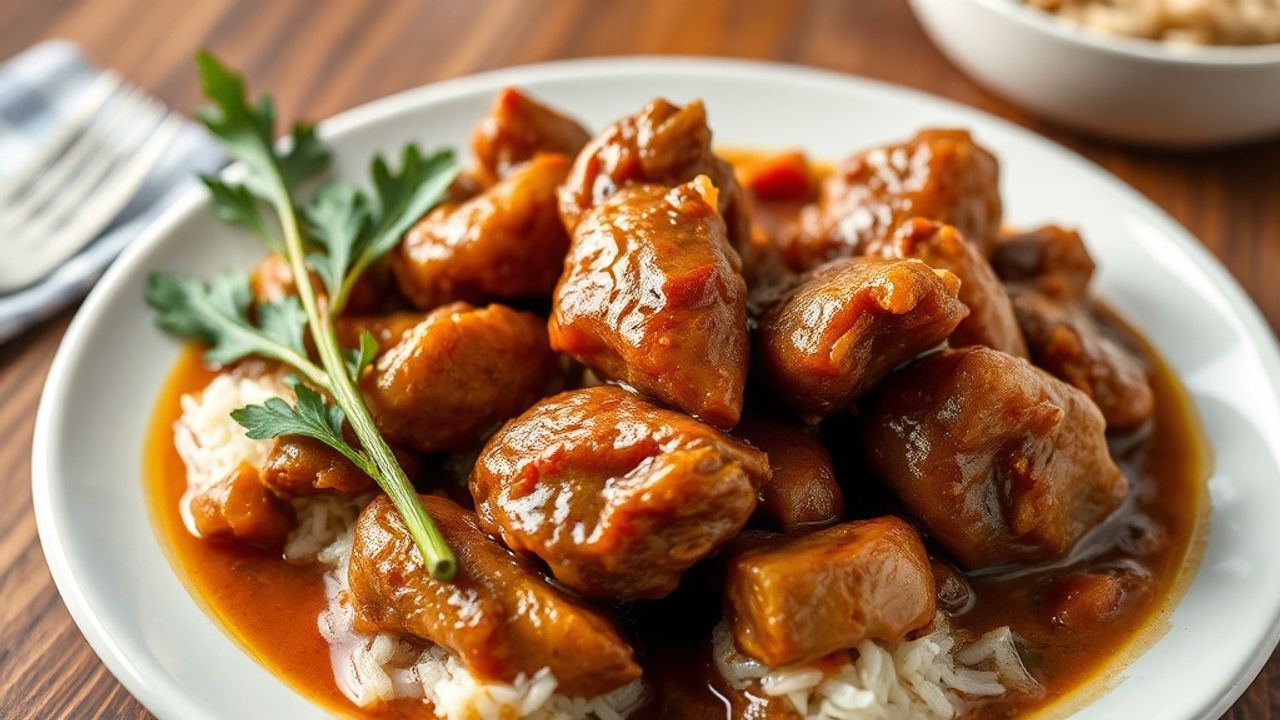
Serve Chicken Adobo with steamed brown jasmine rice or quinoa to add fiber and sustain energy. Vegetables such as sautéed spinach, green beans, or a cucumber salad provide color and vitamins.
For plating, a shallow bowl helps the sauce mingle with grains for each bite. Offer citrus wedges like calamansi or lemon to brighten the palate at the table.
Nutritional Information (Per Serving) for Chicken Adobo
A standard serving of Chicken Adobo made with skin-on thighs typically provides a balanced macronutrient profile. Expect moderate calories, substantial protein, and a variable fat amount depending on cut and preparation.
If you use low-sodium soy and skinless chicken, you can lower sodium and saturated fat considerably. Pairing with whole grains increases fiber and micronutrient density.
| nutrient | Amount |
|---|---|
| Calories | ≈320 kcal |
| Protein | ≈28 g |
| Carbohydrates | ≈8 g |
| Fat | ≈18 g |
| Sodium | ≈600–700 mg (adjust with low-sodium soy) |
FAQ
What exactly is Chicken Adobo?
Chicken Adobo is a Filipino cooking method where chicken simmers in a mixture of vinegar, soy sauce, garlic, and spices until tender. The technique emphasizes preservation and layered savory-tangy flavor.
How can I make Chicken Adobo healthier?
Choose skinless chicken, low-sodium soy or tamari, and reduce added sugar. Add vegetables to the pot or serve with whole grains to increase fiber and vitamins.
Can I make Chicken Adobo ahead of time?
Yes. Chicken Adobo often tastes better the next day as flavors meld in refrigeration. Reheat gently over low heat with a splash of water to loosen the sauce.
Is Chicken Adobo gluten-free?
Traditional soy sauce contains gluten, but you can use tamari to make Chicken Adobo gluten-free. Always check labels for cross-contamination if you have celiac disease.
Why does my Chicken Adobo taste too sharp?
An overly sharp profile often indicates too much undiluted vinegar or insufficient cooking time. Add a small amount of sugar or broth and simmer longer to balance acidity.
Key Takeaways
Chicken Adobo combines efficient technique with adaptable health choices, making it a practical, nutritious main. Thoughtful ingredient swaps and controlled simmering deliver a balanced, family-friendly dish.
Use low-sodium soy, fresh aromatics, and whole-grain sides to optimize nutrition while honoring the traditional flavor profile. The method remains versatile and forgiving for weeknight cooks.
See also: Chicken Adobo