Spring Vegetable & Goat Cheese Frittata: Why This Version Always Slices Clean
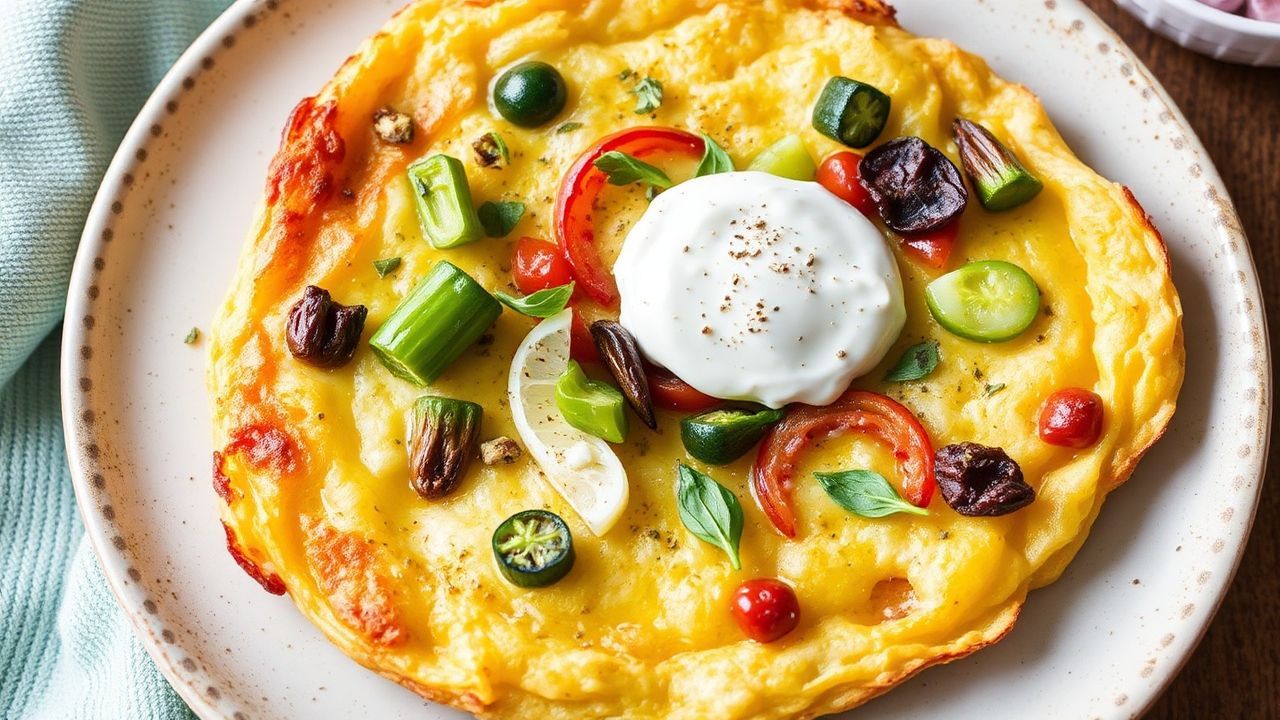
A frittata is an open-faced, crustless egg bake that firms up from the edges to the center. That structure makes it ideal for neat slices—especially when you build it with crisp-tender spring vegetables.
- Spring Vegetable & Goat Cheese Frittata: Why This Version Always Slices Clean
- Key Ingredients (and the Texture They Create)
- Egg Base: Structure Without Heaviness
- Spring Vegetables: Choose by Moisture, Not Just Color
- Goat Cheese: Tang + Melted Creaminess
- 30-Minute Spring Frittata Recipe (Step-by-Step, No Guesswork)
- Ingredients (Serves 4)
- Step 1: Preheat and Prep Your Pan
- Step 2: Sauté Aromatics, Then Build Vegetable Texture
- Step 3: Whisk Eggs for a Smooth Set
- Step 4: Pour, Set, Add Cheese, Bake
- Step 5: Rest, Slice, and Serve
- Common Problems (and Exact Fixes)
- Make-Ahead, Reheating, and Storage
- Seasonal Swaps That Still Work (Fast)
- Serving Ideas That Match the Flavor
- FAQ
This recipe uses goat cheese for tang and creamy melt, plus quick-cooking vegetables for a lighter spring flavor. You can serve it hot, room temperature, or even warm leftovers without losing its texture.
For the science of why eggs change as they heat, see egg cooking. You’ll notice the same pattern: proteins set as temperature rises, then tighten into a firm matrix.
At a Glance
- Stovetop-first sets the perimeter; the oven finishes the center evenly.
- Crisp-tender sauté prevents watery eggs and keeps vegetables bright.
- Goat cheese timing creates creamy pockets instead of a greasy top.
- Rest 5–8 minutes locks the crumb so slices stay intact.
Key Ingredients (and the Texture They Create)
Great frittatas rely on balance: eggs for structure, vegetables for flavor, and dairy for softness. When each part hits the right stage, the final slice feels tender—not dry, rubbery, or watery.
This dish pairs classic spring vegetables—like asparagus and peas—with goat cheese for tang and richness. Goat cheese also melts well, which helps distribute flavor across the whole pan.
Egg Base: Structure Without Heaviness
Use large eggs at room temperature. Room-temp eggs blend more smoothly, and they cook more evenly from the first set at the edges to the center finish.
A small amount of milk supports a softer crumb. Milk doesn’t replace moisture like soup; it fine-tunes the final texture so the frittata feels creamy when you slice it.
If you want an overview of how proteins behave in cooking, denaturation explains the basic mechanism behind egg setting.
Spring Vegetables: Choose by Moisture, Not Just Color
Asparagus and peas work well because they cook fast and hold shape. When you sauté until crisp-tender, you remove some surface water so the eggs don’t get diluted.
Ramps or spring onions bring a mild allium bite. If you swap vegetables, keep cook time in mind: frittatas favor ingredients that can go from pan-ready to fork-ready in minutes.
For general guidance on plant foods and how they cook, you can reference vegetables—especially categories like leafy greens and tender shoots.
Goat Cheese: Tang + Melted Creaminess
Crumbled goat cheese melts into small pockets rather than forming a single uniform layer. That creates flavor “targets” across the slice, so every forkful tastes balanced.
For best results, add goat cheese after the egg has started to set at the edges. That timing prevents the cheese from sinking too far before the egg structure firms.
If you want background on why goat cheese tastes distinct, goat cheese covers production basics and flavor character.
30-Minute Spring Frittata Recipe (Step-by-Step, No Guesswork)
This version aims for a true weeknight rhythm. You’ll prep quickly, sauté with control, then finish in the oven for a center that sets without overbaking.
Plan on about 30–40 minutes depending on chopping speed and your oven’s heat recovery. The method works in one pan if you use an ovenproof skillet.
Ingredients (Serves 4)
Egg base: 8 large eggs, room temperature; 1/2 cup whole milk; salt and black pepper to taste.
Vegetables: 1 cup asparagus, trimmed and cut into 1-inch pieces; 1/2 cup peas (fresh or thawed); 1/2 cup ramps (or spring onions), roughly chopped.
Aromatics: 1 small shallot, finely chopped; 1 clove garlic, minced.
Cheese + cooking: 4 oz goat cheese, crumbled; 2 tablespoons olive oil; fresh herbs for garnish (chives, dill, or parsley).
Step 1: Preheat and Prep Your Pan
Heat your oven to 375°F / 190°C. Preheating matters because eggs set fast once the pan hits a stable heat zone.
Set an ovenproof skillet on the stovetop before you start sautéing. When you finish assembling, you want a smooth transition into the oven with no delay.
Step 2: Sauté Aromatics, Then Build Vegetable Texture
Warm the olive oil over medium heat. Sauté shallot for 2–3 minutes until translucent, then add garlic and cook 30–45 seconds until fragrant.
Add asparagus and sauté until crisp-tender, about 4–6 minutes. Stir often to prevent scorching, but don’t overwork the vegetables—your goal is texture, not mush.
Fold in peas and ramps/spring onions and cook 1–2 minutes. Season lightly with salt and pepper, then turn off the heat.
Step 3: Whisk Eggs for a Smooth Set
Whisk eggs and milk until smooth. Keep it brisk but short; you want an even base, not foam that can create uneven bubbles.
Season with a pinch of salt and pepper. Taste the raw base if you like, but remember cheese adds saltiness after melting.
Step 4: Pour, Set, Add Cheese, Bake
Pour the egg mixture evenly over the vegetables. Let it cook on the stovetop 3–4 minutes until the edges look set and the center still jiggles slightly.
Scatter goat cheese over the top. Bake 12–16 minutes, until the center has a gentle wobble but no wet liquid.
Step 5: Rest, Slice, and Serve
Rest the frittata 5–8 minutes before slicing. During rest, steam redistributes and the egg matrix stabilizes, which helps clean cuts.
Slice into wedges and garnish with herbs. Serve warm for a softer bite, or cool toward room temperature for a firmer, lunch-friendly texture.
If you want more on how heat affects egg proteins, protein denaturation gives a broader biological mechanism that matches what you see in the skillet.
Common Problems (and Exact Fixes)
Frittatas fail for predictable reasons: too much moisture, uneven heat, or overbaking. Once you identify which one happened, you can correct it next time.
Use these troubleshooting rules as a checklist, not a guess. Most issues come from a single step.
Watery Center
Watery centers usually come from vegetables that hold extra water—especially peas, leafy greens, or very fresh asparagus tips.
Fix it by sautéing a minute longer to evaporate surface moisture. Also, drain thawed frozen peas well before cooking.
Rubbery or Dry Texture
Dry frittatas happen when you overbake or when the center reaches full set too early. Eggs keep tightening as they stay in heat.
Pull the frittata when the center has a soft wobble. It will finish setting while it rests.
Uneven Browning
If one side browns faster, your skillet or oven heat may be uneven. Hot spots can overcook one edge before the center sets.
Rotate the pan halfway through baking for more even color, especially in small ovens or convection settings.
Cheese Clumping
Goat cheese usually melts smoothly when it hits the egg at the right stage. If it clumps too early, it can sink before the egg firms.
Add goat cheese after you see edges set but before baking. That timing helps the cheese distribute across the set surface.
Make-Ahead, Reheating, and Storage
Frittata is naturally meal-prep friendly. You can cook it earlier, slice it later, and reheat without rebuilding the dish from scratch.
Store it properly so it stays tender and doesn’t dry out.
Cool and Store
Let the frittata cool to room temperature before refrigerating. Cooling prevents condensation inside the container, which can soften the top.
Wrap or seal it and refrigerate up to 3–4 days. For best quality, slice before reheating or reheat in wedges so you don’t break the structure.
For general food safety principles about refrigeration and storage time, refrigeration provides helpful background.
Reheat Without Drying
Reheat slices in a preheated oven at 300–325°F (150–160°C) until warmed through. Cover loosely with foil to protect moisture.
In a microwave, use short bursts and stop early. Microwave reheating can push eggs past their ideal texture if you overdo the time.
Seasonal Swaps That Still Work (Fast)
You can adapt this recipe to what looks best at your market. The egg base stays constant; you mainly control moisture and cook time.
Choose vegetables that sauté quickly or that you can sauté until their surface water evaporates.
Swap Ideas for Spring
Peas → fava beans: Use fava if they’re tender, and cook until just soft. Remove any thick skins if needed for a smoother bite.
Asparagus → baby zucchini: Slice zucchini thin and sauté until it no longer looks wet. Add a pinch of salt after sautéing to draw out excess moisture.
Ramps → spring onions: Spring onions deliver the allium note without a stronger flavor spike.
Low-Mess Dairy Alternatives
If you want a dairy-free vibe, use a firm tofu crumble seasoned with lemon and herbs. Heat it briefly so it warms through, then fold it into the egg mixture.
Because tofu moisture varies by brand, keep an eye on the bake time. If the center looks loose, bake 2 minutes longer and rest longer before slicing.
Serving Ideas That Match the Flavor
This frittata tastes bright and savory, so pair it with foods that cut through richness and add crunch. That contrast makes each bite feel lighter.
Keep pairings simple so the vegetables and goat cheese stay the focus.
Best Pairings
Greens + lemon vinaigrette: The acidity helps balance tangy goat cheese. Add shaved radish or cucumbers for crunch.
Warm toast: Sourdough works especially well. A thin brush of olive oil or a small swipe of butter adds mouthfeel without overpowering.
Brunch-to-Lunch Transition
Serve slices with fruit if you want a complete brunch plate. Berries, citrus segments, or sliced peaches work well with spring herbs.
Pack leftover wedges for lunch. Reheat gently and garnish again so the top doesn’t feel flat.
FAQ
What makes a frittata different from an omelet or quiche?
A frittata is crustless and cooked mainly like an open-faced egg bake. You set the edges on the stovetop, then finish in the oven for a sliceable center. Quiche uses a pastry crust, and an omelet usually folds and cooks in one pan.
Can I use frozen vegetables?
Yes, but you must thaw and drain thoroughly. Frozen vegetables release more water during cooking, so sauté a bit longer to evaporate moisture before adding eggs.
How do I prevent a watery frittata?
Sauté vegetables until crisp-tender and dry on the surface. Season after sautéing, and don’t crowd the skillet. Finally, bake until the center has a soft wobble—not liquid—then rest before slicing.
Why did my frittata turn out dry?
Dry results usually come from overbaking or baking too long after the center is already set. Pull it when it still jiggles slightly, then let it finish during the rest period.
How long can I store leftovers, and how should I reheat?
Store in the refrigerator up to 3–4 days. Reheat in a 300–325°F (150–160°C) oven covered loosely with foil, or use short microwave bursts, checking often to avoid overcooking.
See also: goat cheese frittata