

Vegan Lasagna: Layered Goodness Explained
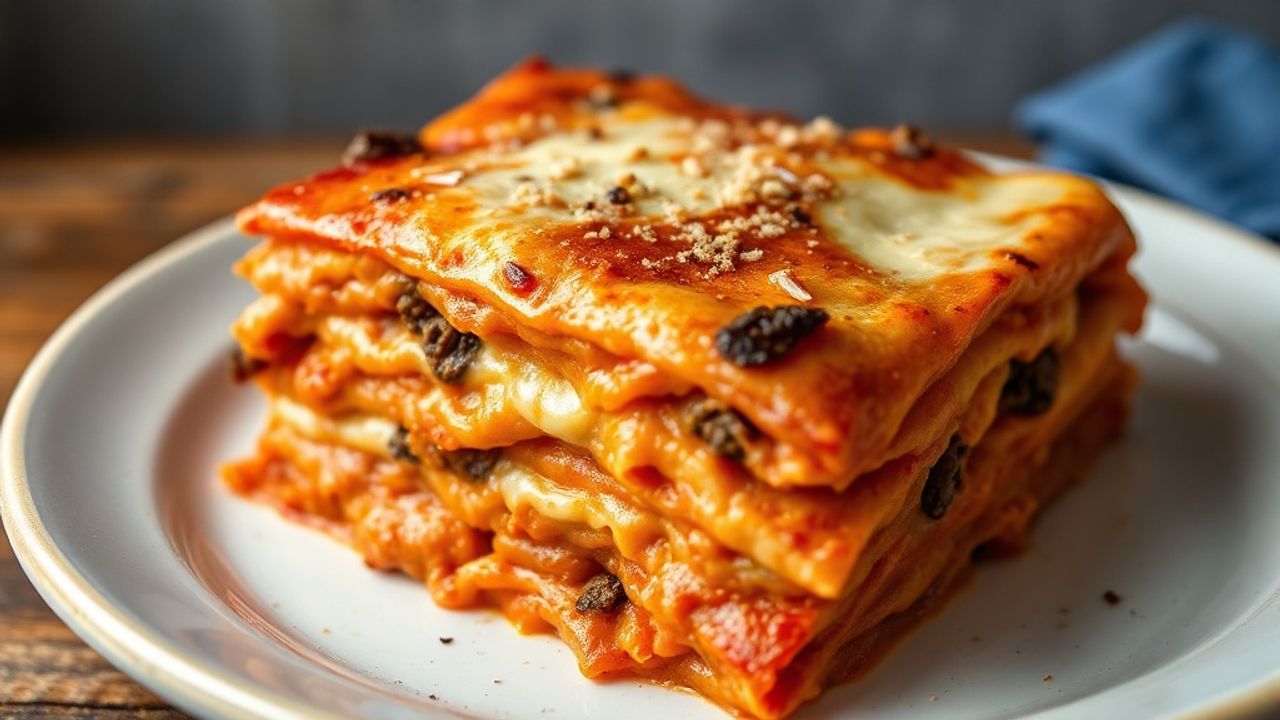
There is a unique satisfaction in a well-made vegan lasagna: stacked pasta, rich tomato sauce, creamy plant-based béchamel, and perfectly seasoned veggies. This guide delivers a practical, chef-tested approach so home cooks produce consistent, flavorful results.
- Vegan Lasagna: Layered Goodness Explained
- Vegan Lasagna: Prep and Cook Time
- Vegan Lasagna: Yield and Difficulty
- Vegan Lasagna Ingredients
- Vegan Lasagna Instructions
- Tips for Vegan Lasagna Success
- Make-Ahead, Freezing, and Storage
- Serving Suggestions & Nutrition
- Q&A
- What makes vegan lasagna different from traditional lasagna?
- Can vegan lasagna be as satisfying as the original?
- Is gluten-free vegan lasagna possible?
- How long can I prepare lasagna ahead of time?
- Where can I read more about the history and context of lasagna?
- Insights and Conclusions
- Make a stable béchamel: it binds layers and prevents dryness.
- Manage moisture: reduce watery sauces and press zucchini to avoid sogginess.
- Layer with intention: alternate sauce, cheese, and veggies for even cooking and flavor balance.
- Rest before slicing: a 10-15 minute rest yields clean slices and firm layers.
Vegan Lasagna: Prep and Cook Time
Preparation time typically runs 25-35 minutes for chopping, sautéing, and preparing the béchamel. A short mise en place speeds assembly and prevents overcooking during layering.
Cooking time is about 40-45 minutes at 375°F (190°C). Allow an additional 10-15 minutes of resting. Total active time depends on whether you pre-cook noodles.
Vegan Lasagna: Yield and Difficulty
This recipe yields about six generous servings—ideal for family dinners or meal prep. It suits cooks at an intermediate level who are comfortable sautéing, whisking a roux, and layering a casserole.
If you prefer lower effort, use no-boil noodles or assemble a day ahead to reduce on-the-day steps. Both strategies cut stress without compromising flavor.
Vegan Lasagna Ingredients
Assemble quality base ingredients: good tomatoes for sauce, dependable plant milk for béchamel, and firm tofu or cashews for ricotta. High-quality components give the lasagna depth without complex techniques.
Key ingredient notes: the traditional white sauce is a variant of béchamel, and the dish traces its lineage to lasagne traditions. For plant-based protein, consider legumes, tofu, or mushrooms.
- For the Vegan Béchamel:
- 4 tbsp vegan butter
- 1/4 cup all-purpose flour, sifted
- 3 cups unsweetened almond or oat milk
- 1/2 tsp garlic powder, 1/2 tsp onion powder
- 1/4 tsp grated nutmeg, salt and white pepper to taste
- For the Lasagna Layers:
- 12 fresh or no-boil lasagna noodles
- 2 cups plant-based ricotta (tofu- or cashew-based)
- 1-1/2 cups shredded vegan mozzarella
- 3 cups thick marinara sauce
- 2 cups sautéed spinach and mushrooms
- 1 medium zucchini, thinly sliced and drained
- 1/2 cup fresh basil, chopped
Vegan Lasagna Instructions
Follow concise, tested steps to deliver a layered lasagna with clean slices and balanced moisture. Keep tools ready: a whisk, spatula, and a 9×13″ baking dish work best.
Prepare components in parallel where possible: sauce simmers while you make béchamel and sauté vegetables. This parallel workflow reduces overall time and keeps ingredients hot and ready for layering.
- Make the vegan béchamel: melt vegan butter over medium heat, whisk in flour to form a pale roux, then slowly add plant milk while whisking until thick and smooth.
- Season the sauce with garlic powder, onion powder, nutmeg, salt, and white pepper. Remove from heat once it coats the back of a spoon.
- Preheat oven to 375°F (190°C). If using traditional noodles, boil until slightly under al dente, drain, and toss with a little olive oil to prevent sticking.
- Assemble: spread a thin film of marinara on the dish base. Arrange three noodles across, add dollops of plant ricotta mixed with basil, then a layer of sautéed vegetables and zucchini slices.
- Layer more marinara and a light drizzle of béchamel, then sprinkle one-third of the vegan mozzarella. Repeat the sequence twice more to build three full layers.
- Finish with a top layer of noodles, cover generously with marinara and béchamel, and add the remaining vegan mozzarella to promote browning.
- Bake uncovered for 40-45 minutes until bubbling and golden. Tent with foil if the top browns too fast.
- Let rest 10-15 minutes before slicing to allow the structure to set for neat portions.
Assemble and Bake: Practical Notes
When you assemble, keep layers even and avoid over-saucing any single layer. Too much liquid in one spot leads to uneven cooking and potential sogginess.
Use a serrated or long-blade spatula to check doneness: the center should be hot and the top bubbling. If you want extra browning, broil for 2-3 minutes while watching closely.
Resting and Slicing
Resting is non-negotiable. Hot lasagna holds together better after a brief wait because the starches and sauces settle and firm up.
Slice with a sharp chef’s knife or use a filo spatula to lift portions cleanly. Warm slices reheat well in single portions for easy lunches.
Explore more plant-based comfort recipes for side ideas and complementary mains. For deeper reading on plant-based diets, see Veganism on Wikipedia.
Tips for Vegan Lasagna Success
Small technique changes create big improvements. Manage moisture, choose melt-friendly vegan cheeses, and balance textures between creamy and tender for the best result.
Season components separately. Well-seasoned ricotta and vegetables reduce the need to over-salt the final bake and give flavors clear layers.
To press zucchini or eggplant: salt slices lightly and rest them on paper towels for 10 minutes, then pat dry. This step removes excess water without losing brightness.
Cheese and Texture
Cashew-based ricottas give richness; tofu-based blends add protein and structure. For melt, choose brands labeled for meltability or add a small amount of starchy binder to help with browning.
Combine textures: creamy ricotta pockets, chewy pasta, tender roasted vegetables, and a crisp top layer make each slice interesting and satisfying.
Read our internal guide to plant-based cheeses for brand recommendations and DIY recipes.
Make-Ahead, Freezing, and Storage
Lasagna often tastes better after a day in the fridge because flavors meld. Assemble it the day before, then bake when convenient. This is a reliable entertaining strategy.
For freezing, cool completely, portion if desired, and wrap tightly. Freeze up to three months. Thaw overnight in the refrigerator before reheating to preserve texture.
When reheating from frozen, allow extra bake time and cover loosely to prevent over-browning while the interior reaches safe serving temperature.
Serving Suggestions & Nutrition
Serve slices on warm plates and garnish with fresh basil and a drizzle of extra-virgin olive oil. Offer a simple green salad to cut richness and add freshness.
Per-serving nutrition varies by ingredients, but a plant-based lasagna often provides fiber, plant protein, and lower saturated fat than versions with meat and dairy. Adjust portions to fit dietary needs.
| nutrient | Per Serving |
|---|---|
| calories | 380 kcal |
| Protein | 15 g |
| carbohydrates | 45 g |
| fat | 12 g |
Q&A
What makes vegan lasagna different from traditional lasagna?
Vegan lasagna replaces dairy, eggs, and meat with plant-based alternatives like cashew ricotta, tofu blends, lentils, or mushrooms. The result keeps the layered format but shifts the fat profile and ingredient sourcing.
Techniques such as creating a stable béchamel and reducing vegetable moisture ensure the texture matches expectations from a traditional lasagna.
Can vegan lasagna be as satisfying as the original?
Yes. With balanced umami from roasted vegetables, a robust tomato sauce, and a creamy plant-based bechamel, vegan lasagna delivers comparable comfort and depth of flavor.
Texture management—choosing the right noodles and cheeses—ensures the dish feels hearty and satisfying.
Is gluten-free vegan lasagna possible?
Absolutely. Use certified gluten-free lasagna noodles or thin vegetable slices (zucchini, eggplant, or sweet potato) as noodle substitutes. Adjust moisture management to account for vegetable water content.
Many gluten-free noodles benefit from slightly undercooking so they finish perfectly in the oven.
How long can I prepare lasagna ahead of time?
Assemble it up to 24 hours before baking and refrigerate. This timing improves flavor meld and simplifies serving on the day you plan to eat or entertain.
If freezing, cool fully and wrap securely; thaw in the refrigerator before baking for best texture.
Where can I read more about the history and context of lasagna?
For historical context and culinary evolution, see the Lasagne entry on Wikipedia. For sauce technique and sauce family references, consult the béchamel page.
Insights and Conclusions
Vegan lasagna rewards patience and precise moisture control. A reliable béchamel and well-drained vegetables change a good lasagna into a great one.
Experiment with fillings, cheeses, and herbs. Use this guide as a foundation and adapt ratios to fit your taste and ingredient availability. Happy layering, and enjoy sharing your plant-based lasagna.
For information on ingredients like cashews, see the cashew entry, which helps when evaluating cashew-based cheeses and their nutritional role.
See also: Vegan Lasagna