Radiant vegan glow bowls with zesty miso-ginger dressing bring bright, plant-based nutrition to your table. They combine a crunchy base, a creamy element, and an umami-rich dressing that keeps each bite lively. If you want meals that look fresh and taste balanced, this format delivers.
- Radiant Vegan Glow Bowls: What Makes Them “Glow”
- Zesty Miso-Ginger Dressing: The Flavor Engine
- Prep and Cook Time (and Serving Size)
- Ingredients for Radiant Vegan Glow Bowls
- Instructions: Assemble the Bowl in Steps
- Tips for Success (Texture, Taste, and Timing)
- Serving Suggestions for Maximum “Glow”
- Q&A: Radiant Vegan Glow Bowls with Zesty Miso-Ginger Dressing
- Key Takeaways
- FAQ
At a Glance
- Flavor structure: miso + ginger + citrus gives instant umami and brightness.
- Texture balance: crisp cabbage, tender edamame, creamy avocado, crunchy chickpeas.
- Make-ahead friendly: prep components in advance to keep the bowl crisp.
- Diet flexible: easy to swap grains and keep it fully vegan.
These radiant vegan glow bowls are designed for real meals, not just photos. The dressing uses fermented miso for deep savory notes, while fresh ginger adds warmth. Lime juice lifts the whole bowl so it tastes clean, not heavy.
In practice, a glow bowl works because each component has a job. Grains provide steady energy, vegetables add fiber and color, and a protein topper makes it feel complete. When you finish with dressing right before eating, you protect crunch and keep flavor vivid.
Radiant Vegan Glow Bowls: What Makes Them “Glow”
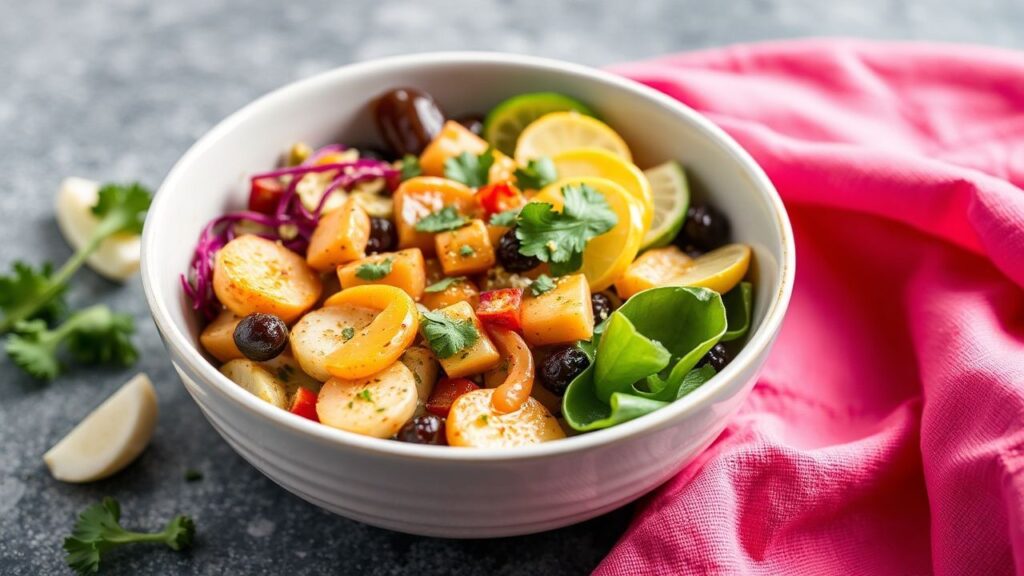
A glow bowl “glows” when flavor and texture stay in sync. Purple cabbage, carrots, and cucumber deliver crispness, while quinoa and avocado add a softer bite. Then the zesty miso-ginger dressing ties everything together with tang and umami.
Fermented foods like miso bring a savory depth that raw ingredients often lack. Ginger adds a spicy, aromatic edge that balances richness. If you’ve ever tasted a restaurant bowl and wondered why it feels brighter, this dressing logic usually explains it.
For a deeper look at fermentation and how it supports savory flavor, see fermentation. For ingredient context on the base grain, review quinoa.
When you follow that order, you stop over-seasoning. You can also reduce waste because you use each topping where it performs best: crunchy veg for crunch, creamy veg for creaminess, and warm chickpeas for hearty texture.
Zesty Miso-Ginger Dressing: The Flavor Engine
This dressing makes the bowl memorable because it hits multiple taste angles. White miso paste delivers umami, ginger brings warmth, and lime juice adds bright acidity. A touch of maple syrup balances the edge so the sauce tastes smooth.
In culinary terms, miso adds savory depth similar to how cooked broths and slow-simmered sauces develop flavor. That depth matters when your bowl uses mostly vegetables. For a general reference on umami, visit umami.
Ginger also plays a role beyond heat. It adds a fresh, aromatic note that cuts through roasted chickpeas and avocado. For ingredient background, you can reference ginger.
Use warm water to thin miso so it blends fast. Then whisk until smooth. Taste and adjust with more lime for brightness, or more maple if you want a softer finish.
For best results, drizzle the dressing right before serving. If you dress too early, the cabbage and cucumber lose snap. If you meal-prep, keep dressing separate and combine just before eating.
Prep and Cook Time (and Serving Size)
This recipe supports two hearty servings and moves quickly if you prep while the quinoa cooks. You can also roast chickpeas ahead for weekday lunches. Keep components in sealed containers and assemble fresh.
Use the times below as a realistic planning guide. Your actual timing may vary based on quinoa brand and how crispy you like chickpeas. Still, the process stays simple.
Time Breakdown
- Preparation: 20 minutes
- Cooking: 15 minutes
- Total Time: 35 minutes
Yield
Serves: 2 generous portions for lunch or dinner.
Each serving works as a full meal when you include quinoa, edamame, and chickpeas.
Ingredients for Radiant Vegan Glow Bowls
Gather everything first so the assembly stays calm. When you line up the toppings, layering becomes fast and your bowl looks intentional. Aim for fresh produce with bright color and firm texture.
Below you’ll find the full ingredient list for the glow bowl and the zesty miso-ginger dressing. You can swap veggies, but keep the texture roles the same.
For the Glow Bowl
- 1 cup cooked quinoa, fluff with a fork
- 1 cup shredded purple cabbage
- 1 medium carrot, julienned
- 1/2 cup edamame, shelled and steamed
- 1 ripe avocado, sliced
- 1/2 cup roasted chickpeas (seasoned with smoked paprika)
- 1 small cucumber, thinly sliced
- 1 tbsp black sesame seeds
- Fresh cilantro and microgreens for garnish
For the Zesty Miso-Ginger Dressing
- 3 tbsp white miso paste
- 2 tbsp freshly grated ginger
- 2 tbsp lime juice (about 1 lime)
- 1 tbsp tamari or gluten-free soy sauce
- 1 tbsp toasted sesame oil
- 1 tbsp maple syrup
- 2 tbsp warm water (to thin as needed)
- 1 small garlic clove, minced
Instructions: Assemble the Bowl in Steps
Follow this order to keep textures crisp and the dressing tasting fresh. You’ll cook the quinoa, steam edamame, roast chickpeas, whisk the dressing, then assemble. Keep the final dressing step for the end.
Each step below stays short so you can execute it quickly. If you already cooked quinoa, you can skip that part and focus on toppings.
- Prepare the quinoa: Rinse quinoa under cold water, then cook according to package instructions (typically 1 part quinoa to 2 parts water). Fluff with a fork and let cool slightly.
- Steam the edamame: Steam edamame for about 5 minutes until tender but still vibrant green. Drain and set aside.
- Roast the chickpeas: Preheat oven to 400°F (200°C). Toss drained chickpeas with smoked paprika and 1/2 tsp salt, plus 1 tbsp olive oil. Roast for about 20 minutes, shaking once, until golden and crisp.
- Make the zesty miso-ginger dressing: Whisk miso, grated ginger, lime juice, tamari, sesame oil, maple syrup, minced garlic, and warm water until smooth. Adjust water for a pourable texture.
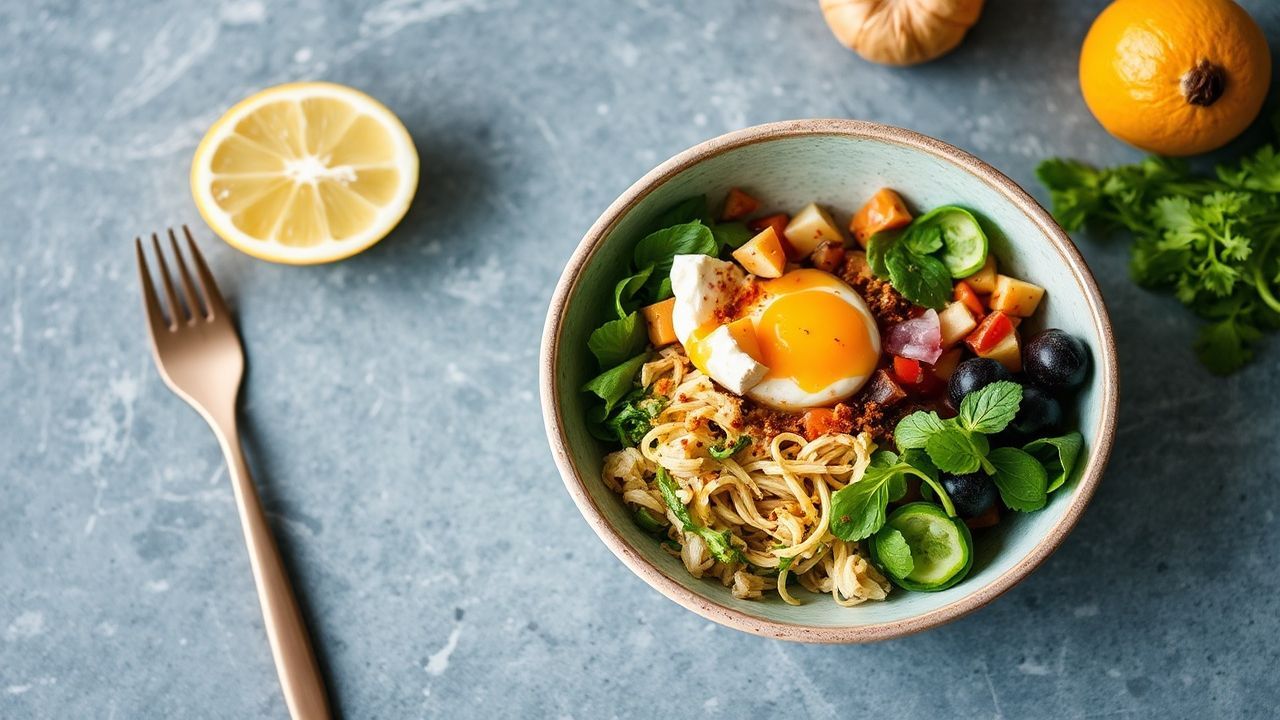
- Assemble the bowl: Spread quinoa in a wide shallow bowl. Arrange shredded cabbage, carrots, cucumber, edamame, roasted chickpeas, and avocado in separate sections.
- Finish and garnish: Drizzle the zesty miso-ginger dressing generously over the bowl. Sprinkle black sesame seeds, cilantro, and microgreens.
- Serve promptly: Eat right after assembly for the best crunch and creamy contrast.
Tips for Success (Texture, Taste, and Timing)
Small choices create big results. Choose firm vegetables and don’t over-steam edamame. Then keep toppings separate until the moment you serve.
You can also fine-tune the dressing so it matches your taste. If you love tang, add a bit more lime. If you want a softer profile, add more maple and thin with water.
- Ingredient freshness matters: Use seasonal produce when possible for better crunch and sweetness.
- Balance textures: Combine creamy avocado, crunchy cabbage, crisp cucumber, and crispy chickpeas.
- Adjust the dressing: Warm water helps miso blend smoothly; taste and tune acidity or sweetness.
- Nut-free option: Add pumpkin seeds if you want extra crunch without tree nuts.
- Make-ahead prep: Roast chickpeas and cook quinoa up to 3 days ahead. Assemble just before eating.
Quick Swaps That Still Work
If you change ingredients, keep roles consistent. For example, if you swap quinoa for brown rice, maintain similar portion size so the bowl still feels hearty. If you replace edamame, choose another plant-based protein with comparable bite.
For general nutrition background on legumes, you can reference legumes. This helps explain why chickpeas and edamame support satiety in plant-forward meals.
Serving Suggestions for Maximum “Glow”
Serve in shallow bowls so you can see the layers. A wide surface makes garnishes more visible and keeps every bite balanced. Add extra lime wedges at the table so people can brighten their own serving.
Pair the bowl with a light beverage to keep the palate clean. Unsweetened green tea works well because it supports a refreshing finish after savory dressing. If you prefer something colder, try a cucumber-based drink.
For quick culinary ideas around citrus use, see lime. For understanding how sesame fits into many flavor systems, check sesame.
| Nutrient | Per Serving |
|---|---|
| Calories | 420 kcal |
| Protein | 18g |
| Carbohydrates | 50g |
| Fat | 15g |
If you want more variety, keep the same dressing and rotate the bowl base. Try swapping cabbage for shredded kale, or use roasted sweet potato for extra sweetness. The dressing stays the anchor.
For a deeper food reference on how cooking methods change chickpeas, see roasting. This supports why roasting boosts crispness and intensifies flavor.
Q&A: Radiant Vegan Glow Bowls with Zesty Miso-Ginger Dressing
These questions cover the details most home cooks ask. Use the answers to adjust flavor, customize ingredients, and prep safely for busy days. Keep the bowl structure intact and the results stay consistent.
Q1: What makes the Radiant vegan Glow Bowls so special?
They combine a colorful vegetable mix with grains and plant-based protein. The zesty miso-ginger dressing adds savory depth and bright acidity, so each bite feels balanced.
Q2: Why choose a miso-ginger dressing for these bowls?
Miso brings umami richness, which makes vegetables taste fuller. Ginger adds warmth and aroma, while lime keeps the finish fresh rather than heavy.
Q3: Are these bowls suitable for all dietary preferences?
Yes, the recipe is fully plant-based. For gluten-free needs, use tamari instead of soy sauce if required, and double-check your miso labeling.
Q4: Can I customize the ingredients in the Glow Bowl?
Absolutely. Swap vegetables based on what’s in season, but keep crisp items crisp and creamy items creamy. That balance creates the “glow” effect.
Q5: How can I get the best flavor from the dressing?
Whisk miso with warm water for a smooth texture, then adjust with lime and maple until it tastes right. Taste before assembling so you control salinity and tang.
Key Takeaways
Radiant vegan glow bowls are built on smart texture choices and a flavor-forward dressing. When you pair crisp vegetables with quinoa, protein toppings, and miso-ginger sauce, you get a meal that feels fresh and satisfying.
If you want fast weeknight success, prep components ahead and assemble right before eating. That simple timing protects crunch and keeps the dressing tasting bright.
You can also scale the bowl to your routine by rotating seasonal vegetables. Keep the miso-ginger profile as your anchor, and the bowl stays consistent every time.
FAQ
How long can I store components for these radiant vegan glow bowls?
Store quinoa, roasted chickpeas, and steamed edamame in separate sealed containers in the fridge for up to 3 days. Keep cabbage and cucumber fresh as separate toppings until assembly.
Can I make the zesty miso-ginger dressing ahead of time?
Yes. Whisk it and store in a jar in the refrigerator for up to 5 days. Stir before using, and thin with a splash of water if it thickens.
What’s the best way to keep the bowl crunchy?
Keep crunchy vegetables dry until serving. Dress the bowl at the last moment so cabbage and cucumber hold their texture.
Is this bowl meal-prep friendly for lunch?
Very. Pack quinoa and warm toppings in one container, crunchy toppings in another, and dressing separately. Then assemble and drizzle at lunch.
Can I swap quinoa for another grain?
Yes. Brown rice and millet work well, as long as you maintain a similar portion size. Aim for tender grains that pair well with crisp vegetables and a pourable dressing.
See also: radiant vegan glow