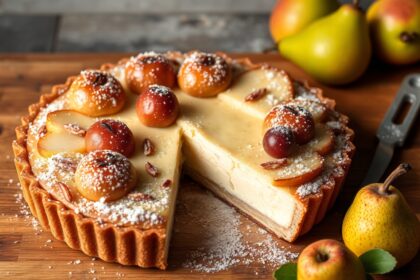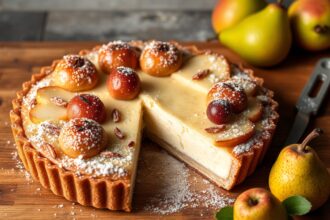
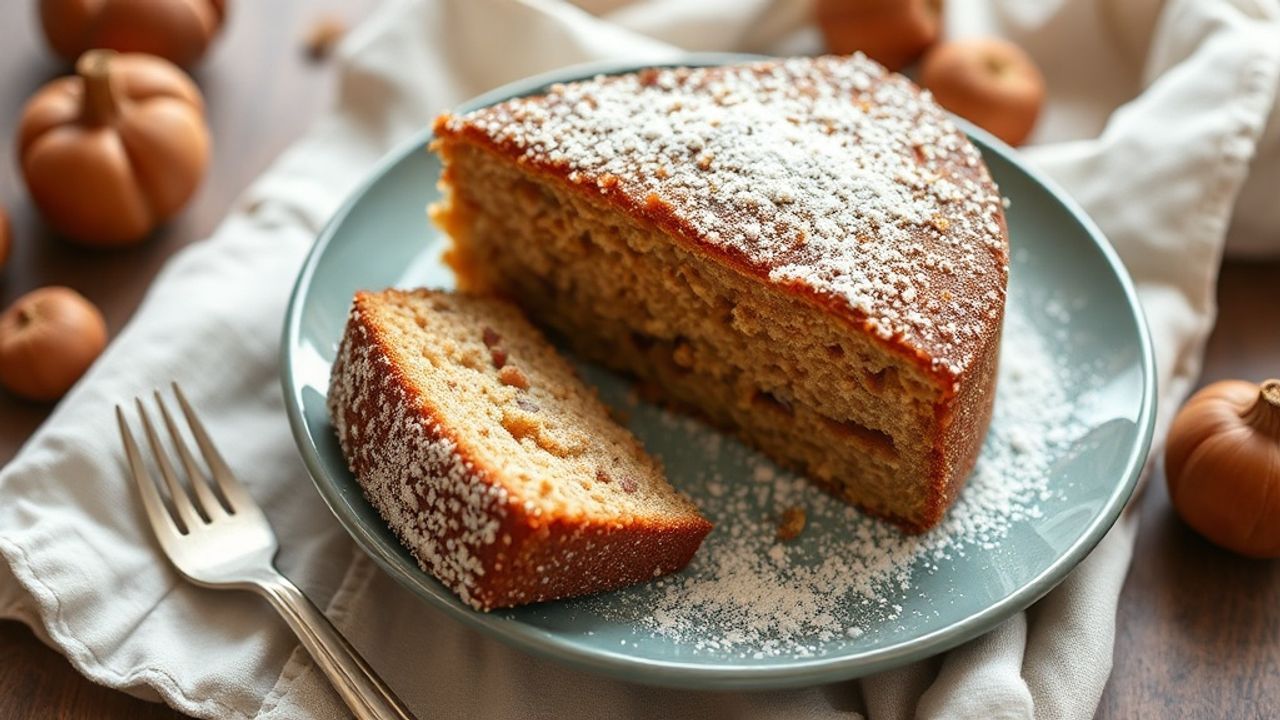
The chestnut cake combines naturally sweet chestnut flour with simple plant-based binders to deliver a moist, nutty dessert that performs well in vegan baking. This chestnut cake works for everyday treats and special occasions when you want depth of flavour without dairy or eggs.
- Key outcome: A tender, naturally sweet chestnut cake using chestnut flour and a flax egg.
- Time commitment: Roughly 55 minutes from start to finish, including bake and short cool times.
- Texture goal: Moist crumb with a delicate, slightly dense structure that showcases the nutty profile.
- Storage: Keeps 2 days at room temperature or up to 4 days refrigerated when wrapped airtight.
Why choose chestnut cake for vegan baking?
Chestnut flour imparts a warm, earthy sweetness that reduces the need for excess sugar and pairs naturally with warming spices. As an expert baker, I rely on chestnut flour when I want a dessert that reads rustic but serves like a refined patisserie item.
Chestnut flour comes from the genus Castanea and contributes unique starch and fiber characteristics compared with nut meals. Read about the botanical background of chestnuts on Chestnut for context on why the flour behaves differently from wheat or almond flours.
Ingredients for Chestnut Cake
Assemble measured, room-temperature ingredients for predictable results. Use sifted chestnut flour, a plant milk such as almond or oat, coconut sugar, melted coconut oil, ground flaxseed for the binder, and a touch of baking powder and soda for lift.
Below is a clear list so you can prep mise en place. Measure chestnut flour carefully; its absorbency can vary by brand and batch, so weigh when possible for repeatability.
- 1 ¾ cups chestnut flour, sifted (weigh for precision)
- 1 cup almond or oat milk
- ½ cup coconut sugar or maple syrup scaled to taste
- ⅓ cup melted coconut oil or neutral oil
- 2 tbsp ground flaxseed + 6 tbsp warm water (flax egg)
- 1 tsp baking powder and ½ tsp baking soda
- 1 tsp vanilla, 1 tsp ground cinnamon, pinch of sea salt
- Optional: ¼ cup toasted walnuts or vegan chocolate chips
How to Make Chestnut Cake: Step-by-step
Start by making the flax egg: combine ground flax with warm water and let it gel for 5–7 minutes. Preheat the oven to 350°F (175°C) and prepare an 8-inch round pan with parchment for even baking and clean release.
Whisk the wet ingredients until smooth and lightly aerated, then fold the sifted dry ingredients in gently. Bake for about 35–40 minutes; a toothpick should come out clean and the top should show a light golden hue.
- Prepare flax egg and preheat oven to 350°F (175°C).
- Mix wet ingredients: milk, melted oil, sugar, vanilla, and flax.
- Sift chestnut flour with leaveners and spices.
- Fold dry into wet just until combined; add mix-ins last.
- Pour into pan, smooth surface, and bake 35–40 minutes.
- Cool 10 minutes in pan, then move to a wire rack to reach room temperature.
Tips for Chestnut Cake Success
Chestnut flour absorbs liquid differently than wheat flours, so aim for a slightly loose batter that still holds structure. Overmixing develops any gluten-like networks present in added ingredients and can tighten the crumb; fold gently for a tender result.
Tip: Toast optional walnuts before folding them in to amplify aroma and preserve crunch after baking. Toasting unlocks volatile oils and improves mouthfeel.
Allow the cake to cool fully before slicing; chestnut flour firms slightly as it reaches room temperature, which improves slice quality. A rested cake also develops more integrated flavors, making each bite more balanced.
Variations and Serving for Chestnut Cake
Customize the chestnut cake with citrus zest, a swirl of date syrup, or a cashew-based glaze for contrast and richness. For seasonal variation, fold in chopped roasted figs or prune purée to add moistness and a fruit-forward profile.
Serve warm with coconut whipped cream or a scoop of plant-based vanilla ice cream to contrast texture and temperature. For context on plant-based choices and their nutritional and ethical dimensions, see Veganism.
Nutrition, Storage, and Technical Notes for Chestnut Cake
Chestnut flour supplies complex carbohydrates, fiber, and a modest protein contribution compared with nut meals. It also carries a lower fat load than ground almonds, which influences mouthfeel and storage behavior.
This recipe yields slices that store well when wrapped airtight. Keep at room temperature up to 48 hours, refrigerate for up to 4 days, or freeze wrapped slices for up to one month. Thaw in the refrigerator to preserve crumb structure.
For readers managing gluten sensitivity, chestnut flour is naturally gluten-free but cross-contact can occur. Consult resources on a gluten-free diet to verify ingredient choices and leavening agents.
Quick technical notes
Use a moderate oven temperature to protect the delicate sugars in chestnut flour from caramelizing too aggressively. Rotating the pan halfway through baking promotes uniform color and heat exposure.
When scaling the recipe, maintain the wet-to-dry ratio rather than raw volume increments. Chestnut flour tolerates small increases in liquid better than large jumps, so adjust in 5–10% steps and monitor batter viscosity.
Practical Baking Tools and Methods
Reliable scales, an accurate oven thermometer, and a fine-mesh sieve for the chestnut flour improve reproducibility. These simple tools reduce variability and allow the recipe to perform consistently across kitchens.
For foundational techniques related to heat transfer and starch gelatinization during baking, consult general resources on baking. Understanding those principles helps you troubleshoot texture issues quickly.
FAQ
Is chestnut cake gluten-free by default?
Chestnut flour itself is gluten-free; however, a fully gluten-free chestnut cake depends on all other ingredients and the absence of cross-contact. Use certified gluten-free baking powder and avoid shared equipment that processes wheat.
Can I replace the flax egg for binding?
Yes. Aquafaba, applesauce, or commercial egg replacers work, but each alters hydration and structure. Aquafaba typically yields a lighter crumb while applesauce increases moistness and reduces fat.
How do I prevent a dense chestnut cake?
Balance wet and dry ingredients and avoid overmixing. Ensure baking powder is fresh and give the batter immediate transfer to the oven after stirring to capture maximum leavening lift.
What toppings complement chestnut cake?
Simple options include a cashew cream glaze, maple-drizzle, or a dusting of powdered coconut sugar. Fresh berries and toasted seeds add texture and visual contrast without masking the chestnut flavor.
Can I make this chestnut cake ahead?
Yes. The cake often tastes better the next day as flavors meld. Store tightly covered in the fridge or freeze portions for convenient reheating and serving later.
Use these expert techniques and measured approaches to produce a dependable and flavorful chestnut cake that showcases the distinct character of chestnut flour. With attention to hydration and gentle handling, the result will be a refined, nut-forward vegan dessert that stands out for its texture and aroma.
See also: chestnut cake