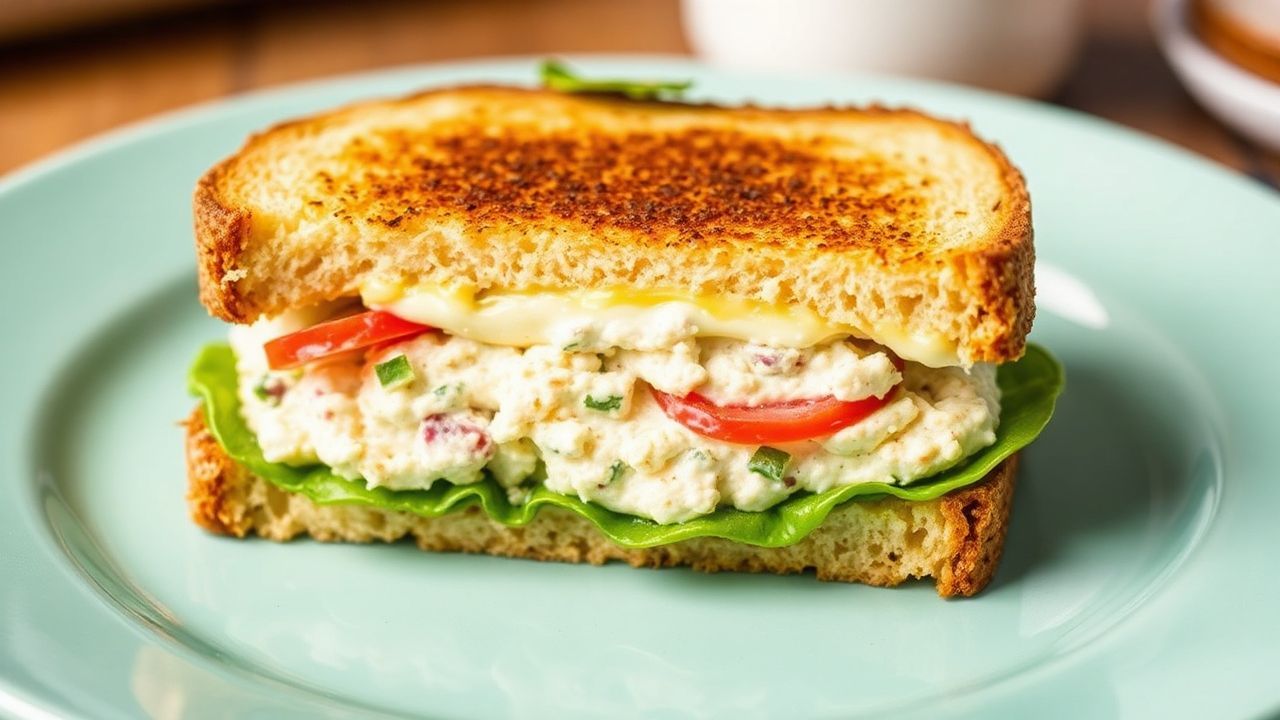
Best tuna melt sandwiches deliver that classic combo: savory tuna, creamy mayo, and melty cheese on toasted bread. You get warm, gooey comfort in every bite—and you can still add a few intelligent upgrades to make it feel new.
At a Glance: Tuna Melt Sandwich Wins
- Use seasoned tuna salad for bold flavor.
- Choose bread that toasts well and won’t turn soggy.
- Pick cheese that melts smoothly and browns at the edges.
- Grill with steady heat for crisp crust + gooey center.
Warm cheese clings best when the tuna mixture stays thick and the bread surface gets enough contact time in the pan. That balance—creaminess plus crispness—is what turns a simple lunch into a sandwich worth repeating.
Tuna Melt Sandwiches: Classic Comfort, Upgraded
Tuna melt sandwiches work because they fuse two textures: a tender, creamy filling and a browned, crisp bread exterior. The tuna salad brings savory depth, while cheese adds fat that helps carry flavor and supports melt.
For an easy twist, treat the tuna like a base sauce. Add crunch (celery), brightness (lemon), and sharpness (Dijon) so each bite tastes layered instead of flat. If you want to go deeper, use a cheese that matches your flavor direction—nutty, tangy, or mildly spicy.
When you’re selecting ingredients, remember that tuna is a protein that takes on seasoning well. That’s why even simple additions—mustard, acid, and salt—make a noticeable difference.
Prep and Cook Time
These Best tuna melt sandwiches move fast. Most people can prep the filling while the skillet heats, then grill until the cheese fully melts and the bread browns.
Plan for steady cooking rather than rushing. If the heat runs too high, the outside browns before the cheese melts, and you lose that classic gooey center.
- Preparation: 15 minutes
- Cooking: 10 minutes
- Total Time: 25 minutes
Yield and Difficulty Level
This recipe yields 4 hearty tuna melt sandwiches. The method suits both beginners and cooks who want consistent results.
Difficulty stays low because the steps repeat—mix, assemble, grill, and rest. You control quality mainly through seasoning and heat management.
Difficulty: Easy to medium
Ingredients for the Best Tuna Melt Sandwiches
Start with tuna that’s drained well. Excess liquid waters down the filling and can soften the bread too fast.
For a balanced tuna salad, you want a creamy coating that still holds shape when you spread it.
- 2 cans (5 oz each) high-quality tuna, drained and flaked
- 1/4 cup finely diced celery for crunch
- 3 tbsp mayonnaise (adjust for creaminess)
- 1 tbsp Dijon mustard for tang
- 1 tsp lemon juice to brighten flavors
- 1/4 cup finely chopped red onion (optional for bite)
- Salt and freshly ground pepper to taste
- 4 slices crusty sourdough or multigrain bread
- 4 slices sharp cheddar cheese (or your chosen melter)
- Butter or olive oil for grilling
- Optional add-ins: sliced avocado, thin pickles, fresh dill or chives
If you want cheese guidance, cheese selection matters. Softer, well-aged varieties often melt more reliably than very low-moisture cheeses.
Instructions
Follow this sequence for clean assembly and consistent melt. Mixing the filling evenly prevents dry spots that can taste bland even when you use good cheese.
Keep the bread surface dry and toasted. Moisture + heat can sabotage crispness, so avoid over-spreading tuna mixture to the bread edges.
- Prepare the tuna filling: In a medium bowl, combine flaked tuna, diced celery, mayonnaise, Dijon mustard, lemon juice, and red onion. Season with salt and black pepper. Mix gently so the tuna stays lightly textured.
- Assemble the sandwich: Lay bread on a clean surface. Spread tuna mixture on two slices. Place cheese over the tuna.
- Top and butter: Add the remaining bread slices. Spread butter (or brush oil) on the outside faces so the skillet can brown them evenly.
- Grill the sandwiches: Preheat a non-stick skillet or cast-iron pan over medium heat. Grill until golden brown and crisp, about 3–4 minutes per side. Press gently with a spatula to improve contact and melting.
- Confirm cheese melt: Flip carefully. Cook the second side until the cheese melts and the bread toasts evenly. Adjust heat if the bread browns too quickly.
- Rest and slice: Rest for 1 minute before slicing diagonally. This short rest helps the cheese set slightly so it stays cohesive on the fork.
Tip for consistency: If your tuna salad seems loose, let it sit 5 minutes. The mixture thickens as ingredients absorb moisture.
Chef’s Notes: Tips for Success
Small technique details control texture. If the filling tastes flat, the cheese can’t save it. If the bread isn’t toasted enough, the sandwich tastes heavy instead of crisp.
Use these notes to dial in your ideal flavor profile—classic cheddar and tang, or a bolder twist with herbs and roasted add-ins.
- Enhance texture: Keep celery for crunch, and avoid over-mashing.
- Boost depth: Add a pinch of smoked salt or sea salt to the tuna mixture.
- Bread pairing: Sourdough offers tang; multigrain adds structure. Thick-cut white bread also works well.
- Cheese alternatives: Swiss for nuttiness, provolone for creamy melt, pepper jack for a mild kick.
- Unexpected additions: Stir in capers, chopped roasted red peppers, or fresh dill and chives.
- Make-ahead: Mix the tuna filling up to 24 hours ahead and refrigerate. Assemble right before grilling.
- Grilling technique: Use a press or heavy skillet on top for even browning and faster melting.
For bread texture science, check Maillard reaction. That browning happens when heat and sugars interact, which is why medium heat works better than rushing on high.
Choose your cheese with a melt mindset. When cheese warms, fats and proteins shift, and that’s what creates the stretchy, cohesive feel you want in tuna melt sandwiches. For background, see cooking methods and heat transfer principles.
Now you can add variety while staying true to the classic. Below are practical twist directions that keep the sandwich coherent, not messy.
Serving Suggestions
Pairing matters because tuna melt sandwiches taste rich and savory. A fresh side cuts through that richness and makes the meal feel balanced.
For crunch and brightness, serve with a peppery arugula salad dressed in lemon vinaigrette. Pickled vegetables also work well because acid refreshes your palate between bites.
If you want more guidance on pickling flavor chemistry, pickling explains why sour notes help balance fatty foods.
For drinks, choose something clean and cold, like sparkling lemonade or iced tea. Keep the drink bright so it doesn’t compete with the cheese.
For presentation, slice diagonally and serve immediately. The goal is to show the melted cheese pull while keeping the bread crisp.
| Nutrition Per Serving | calories | Protein | Carbs | Fat |
|---|---|---|---|---|
| Tuna Melt Sandwich | 450 kcal | 30 g | 35 g | 22 g |
Optional pair: If you love comfort-food variety, serve these alongside simple grilled vegetables or roasted cherry tomatoes.
To understand why rest helps, note that warm cheese firms up as temperatures equalize. That improves sliceability and reduces drips.
Q&A: Best Tuna Melt Sandwiches
Common questions come up every time people try to perfect the classic. Use these answers to troubleshoot flavor, texture, and ingredient choices.
Each response focuses on practical changes you can taste right away.
What makes tuna melt sandwiches taste “right”?
Tuna melt sandwiches need balanced seasoning in the tuna salad plus full cheese melt. Salt, mustard, and a small amount of acid (lemon) sharpen the flavor and make the cheese taste more rounded.
Texture also matters: bread should toast and crisp, not steam. Medium heat and controlled filling thickness support that outcome.
Which cheese melts best for a tuna melt?
Sharp cheddar is a reliable choice because it browns and melts into a cohesive layer. If you want a different feel, Swiss melts smoothly, while provolone offers creamy stretch.
If you want background on why cheese melts, cheese chemistry covers the general concept of heat behavior across varieties.
Can I add spicy or tangy twists without ruining the sandwich?
Yes. Additions like capers, chopped roasted red peppers, pickles, or dill keep the flavor bright. For heat, use pepper jack in small portions so spice doesn’t overpower tuna.
Keep the mix thick and avoid watery add-ins. That protects the crust and prevents messy leakage.
How do I prevent soggy bread?
Drain tuna well and don’t spread filling all the way to the edges. Use medium heat so the bread toasts gradually while the cheese melts inside.
Also, assemble just before grilling. Bread sits too long with wet filling, and the crust softens quickly.
Is canned tuna the best option?
Canned tuna works well for convenience and consistent texture. Many people prefer it because it’s already cooked and easy to portion, which supports even mixing.
If you want to explore tuna selection, tuna covers key background that helps you understand why different tuna types behave similarly in recipes once they’re cooked and flaked.
How can I make tuna melt sandwiches lighter?
You can swap part or all of the mayonnaise for Greek yogurt while keeping the tuna salad creamy. Add extra celery or chopped cucumber for volume and crunch.
Use whole-grain bread if you want extra fiber. Keep the grilling method the same to maintain crisp edges and a gooey interior.
Bottom line: When your tuna salad tastes balanced and your bread toasts evenly, the result feels like classic comfort—plus a twist you can control.
See also: tuna melt