Healthy Cheese & Egg Boat Flatbreads: Thin, Crispy, and Comforting
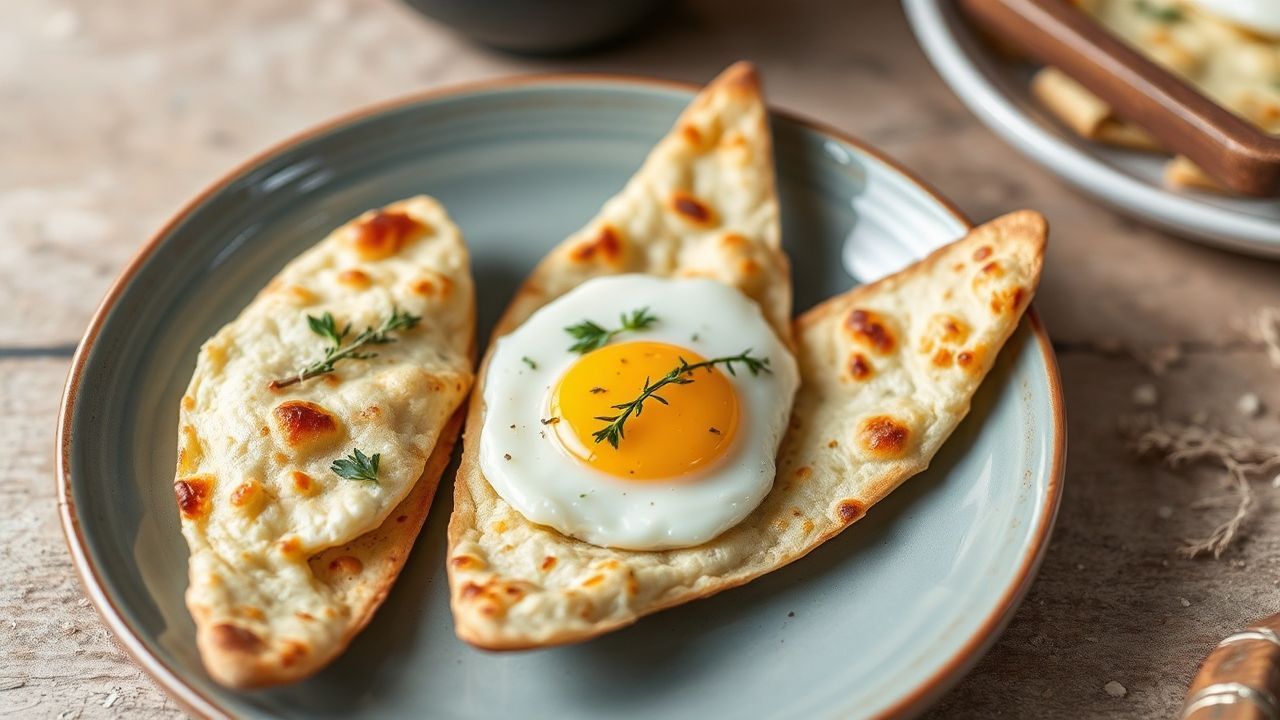
Healthy cheese & egg boat flatbreads are a smart upgrade to routine bread-based meals. You get a paper-thin dough with crispy edges, plus a filling that cooks fast—so the egg stays tender and the cheese turns silky.
- Why the Boat Shape Works for Cheese & Egg
- Prep and Cook Time, Yield, and Difficulty
- Ingredients for Healthy Cheese & Egg Boat Flatbreads
- Instructions: How to Make Thin Boat-Shaped Flatbreads
- Chef’s Notes and Tips for Success
- Serving Suggestions for Healthy Cheese & Egg Boat Flatbreads
- Q&A: Healthy Cheese & Egg Boat Flatbreads
- What are healthy cheese & egg boat flatbreads called?
- Why does the egg taste best when added near the end?
- What cheeses melt best for this style of flatbread?
- Can I make the dough ahead of time?
- How do I keep the crust crisp after cooking?
- FAQs
- Shape matters: The boat form holds filling without spills.
- Thin dough cooks quicker: Crisp exterior, set egg, warm cheese.
- Balance your cheese: Mix meltable and tangy types for flavor.
- Control heat: Medium keeps edges crisp, not burnt.
Originating from the broader Black Sea and Caucasus food sphere, boat-shaped stuffed flatbreads relate closely to khachapuri traditions. The signature look—an open cradle—lets the filling steam and melt inside a crisp shell.
To make them “healthy” in a practical sense, focus on portion control, balanced cheese choices, and fast cooking that reduces the need for heavy sauces. This recipe keeps the process simple, so you can repeat it often without turning dinner into a project.
Why the Boat Shape Works for Cheese & Egg
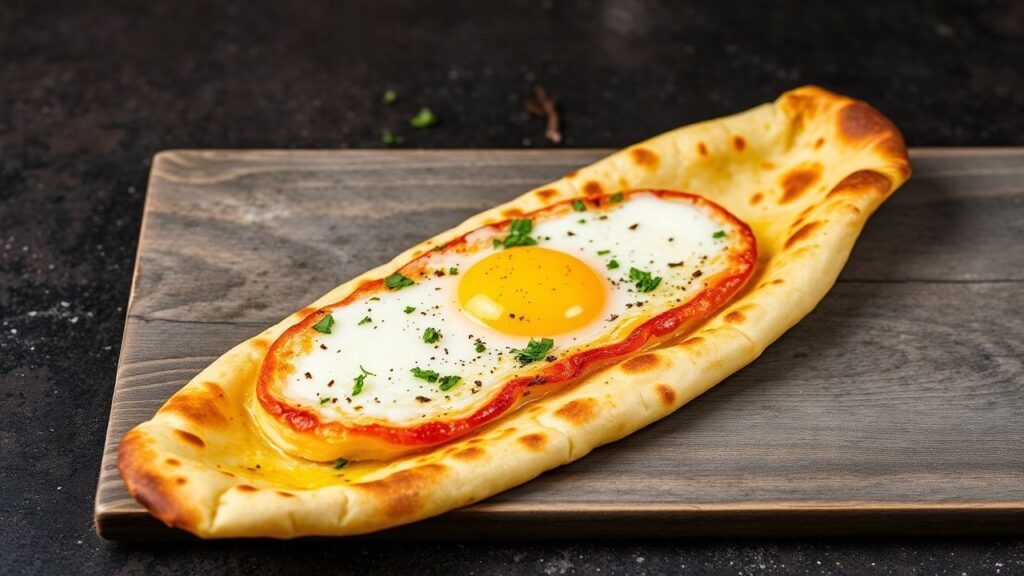
The boat shape functions like a built-in baking holder. When you fold the long edges inward and pinch the ends, the dough forms a shallow bowl that cradles melted cheese and a gently set egg.
During cooking, the thin dough gets crisp at the edges first, while the center stays flexible long enough for the filling to heat through. That difference in texture gives each bite contrast—crunch on the outside, creamy inside.
If you want a clearer mental model, think about how emulsions behave in warm dairy mixtures. Once the egg warms and thickens slightly, it binds with melted cheese fat and proteins into a cohesive, scoopable filling.
Prep and Cook Time, Yield, and Difficulty
Plan for under an hour total. The dough rests briefly, then the boats cook quickly on a skillet.
- Preparation: 25 minutes
- Cooking: 12 minutes
- Total: 37 minutes
Serves 4. If you like larger portions, make 3 boats per person instead of 2, but expect a slightly thicker dough roll.
Ingredients for Healthy Cheese & Egg Boat Flatbreads
Use everyday pantry staples plus quality cheese. For a healthier direction, measure carefully and choose a mix that melts well without needing extra fat.
- 1 ½ cups all-purpose flour, sifted
- ½ cup warm water (about 100°F/38°C)
- 1 tbsp olive oil, plus extra for brushing
- ½ tsp fine sea salt
- 3 large eggs
- ¾ cup shredded mozzarella
- ½ cup crumbled feta
- 2 tbsp finely chopped fresh parsley
- Freshly ground black pepper, to taste
- Optional: pinch of red pepper flakes
Cheese variety matters because mozzarella provides stretch and melt, while feta adds tang and a firmer curd texture. This approach also matches how many classic stuffed flatbread versions balance mild and tangy notes.
Instructions: How to Make Thin Boat-Shaped Flatbreads
Move through the steps in order. You’ll get better thinness and fewer tears when you knead first, then rest, then roll.
- Prepare the dough: In a mixing bowl, combine sifted flour and sea salt. Slowly add warm water and 1 tablespoon olive oil. Bring the dough together, then knead 8–10 minutes until smooth and elastic. Cover and rest 20 minutes.
- Make the filling: Whisk eggs gently in a medium bowl. Add mozzarella, feta, parsley, black pepper, and red pepper flakes (if using). Mix just enough to combine while keeping some texture.
- Roll out the flatbreads: Divide dough into 4 equal portions. Roll each portion into an elongated oval about 10–12 inches long and 6 inches wide. Keep the dough covered to prevent drying.
- Fill and shape: Place a quarter of the cheese & egg mixture down the center. Fold the long edges inward and pinch the ends to seal, creating a boat cradle for filling.
- Cook the flatbreads: Heat a non-stick or cast-iron skillet over medium heat. Brush lightly with olive oil. Cook 3–4 minutes until the bottom turns golden and crisp. Flip and cook another 3 minutes. Cover for the final 2–3 minutes so the egg sets while edges stay crisp. Repeat with remaining boats, brushing oil between batches.
- Serve hot: Place on a wire rack to keep crispness. Garnish with parsley and a light olive oil drizzle.
For texture control, avoid overcooking. Egg proteins tighten as heat rises, so cooking past “set” quickly shifts the filling from creamy to rubbery. Medium heat keeps the window wider and the result steadier.
Chef’s Notes and Tips for Success
These notes address the most common failures: tough dough, leaking filling, and eggs that turn too firm.
- Dough texture: If the dough tears when you roll, it likely needs more hydration. Add warm water in 1-teaspoon increments until pliable but not sticky.
- Cheese selection: Use mozzarella for melt and feta for tang. For a milder option, reduce feta by 2 tablespoons.
- Cooking heat: Medium heat crisps without burning. If the surface darkens too fast, lower the heat and extend by 1 minute.
- Make-ahead: You can refrigerate the rested dough wrapped in plastic wrap for up to 24 hours. Bring it to room temperature before rolling. Prepare filling the same day for best texture.
- Vegan adaptation (optional): Use firm tofu crumbled and a plant-based “melting” cheese. Start with small amounts and cook slightly longer to dry excess moisture.
Protein behavior also plays a role. Egg proteins denature and set with heat, while cheese proteins and fats melt and emulsify. If you want a foundation for that chemistry, review denaturation in cooking.
[TIP]Expert Insight: Roll on a light flour dusting and measure thickness by feel. The dough should look thin but still resist tearing when you lift an edge with your fingers. Resting improves gluten relax, which helps you roll thinner without holes.
After flipping, watch steam. If you see heavy bubbling, the heat is too high. Lower it to keep the egg silky and the cheese smooth.
[WARNING]Pro-Caution: Don’t press the boats flat while cooking. Pressing squeezes out filling and makes the egg cook into the dough instead of staying in the cradle. Let the skillet do the work.
Serving Suggestions for Healthy Cheese & Egg Boat Flatbreads
Serve immediately for best contrast. The crisp crust softens as steam redistributes, so warm plating keeps the “boat” structure most satisfying.
For a fresh side, pair with cucumber-yogurt or a tomato-herb salad. Cold, acidic flavors cut richness and reduce the need for extra cheese.
If you prefer hot sides, keep them light. Roasted vegetables add fiber and volume without heavy sauces. A simple green salad with lemon vinaigrette also works well because it brightens the dairy flavors.
Tea pairing fits the profile too. A mild black tea complements the savory notes without overpowering salt and fat.
| Nutritional Info (per serving) | Calories | Protein | Carbs | Fat |
|---|---|---|---|---|
| thin boat-shaped flatbread with cheese & egg | 320 kcal | 15 g | 30 g | 14 g |
You can further improve “healthy” outcomes by using slightly less cheese and adding extra parsley or sautéed greens to the filling. Just keep the moisture low so the dough stays crisp.
Explore More Flatbread Recipes
Q&A: Healthy Cheese & Egg Boat Flatbreads
What are healthy cheese & egg boat flatbreads called?
They’re often associated with khachapuri in Georgian culinary tradition. The exact name varies by region, but the boat shape and cheese-egg filling are the common cues.
Why does the egg taste best when added near the end?
When the egg cooks to just-set, it stays creamy. Egg proteins tighten as cooking continues, so a controlled cook gives you a tender, spoonable center rather than a fully firm scramble texture.
What cheeses melt best for this style of flatbread?
For stretch and melt, mozzarella fits the role well. For tang and flavor depth, feta adds a distinctive bite. Classic blends aim for both melting and flavor contrast, which you can also see in cheese categorizations like cheese types.
Can I make the dough ahead of time?
Yes. Refrigerate the rested dough wrapped tightly for up to 24 hours. Bring it to room temperature, then roll and shape right before cooking for the best thinness and crisp edges.
How do I keep the crust crisp after cooking?
Use a wire rack so steam escapes instead of soaking into the bottom. Eat right away, and avoid stacking boats while hot. If you must hold them briefly, keep them uncovered.
FAQs
Are these boat flatbreads actually “healthy”?
They can fit a balanced diet when you control portions and choose quality ingredients. Keep cheese measured, cook without added sugar or heavy sauces, and add a vegetable side for better meal volume.
Can I adjust the spice level?
Yes. Start with a small pinch of red pepper flakes, then increase only if you like heat. The egg and cheese flavor stay dominant, so spice works best as a background note.
What’s the best pan type?
Non-stick makes flipping easier, while cast iron builds strong browning. Either works if you keep heat at medium and watch color closely.
Why do thin flatbreads tear?
Usually it’s under-resting, low hydration, or rolling too aggressively. Rest improves dough elasticity, and a small hydration increase can fix tears without changing flavor.
What sides pair best with the filling?
Pickled vegetables, cucumber-yogurt, or a tomato-herb salad all cut richness. For a fuller plate, add roasted vegetables and keep dressings light.
To understand why fermentation and resting improve dough handling, you can review the basics of bread dough structure and gluten behavior. Rest gives gluten time to relax so thin rolling stays smooth.
See also: cheese & egg