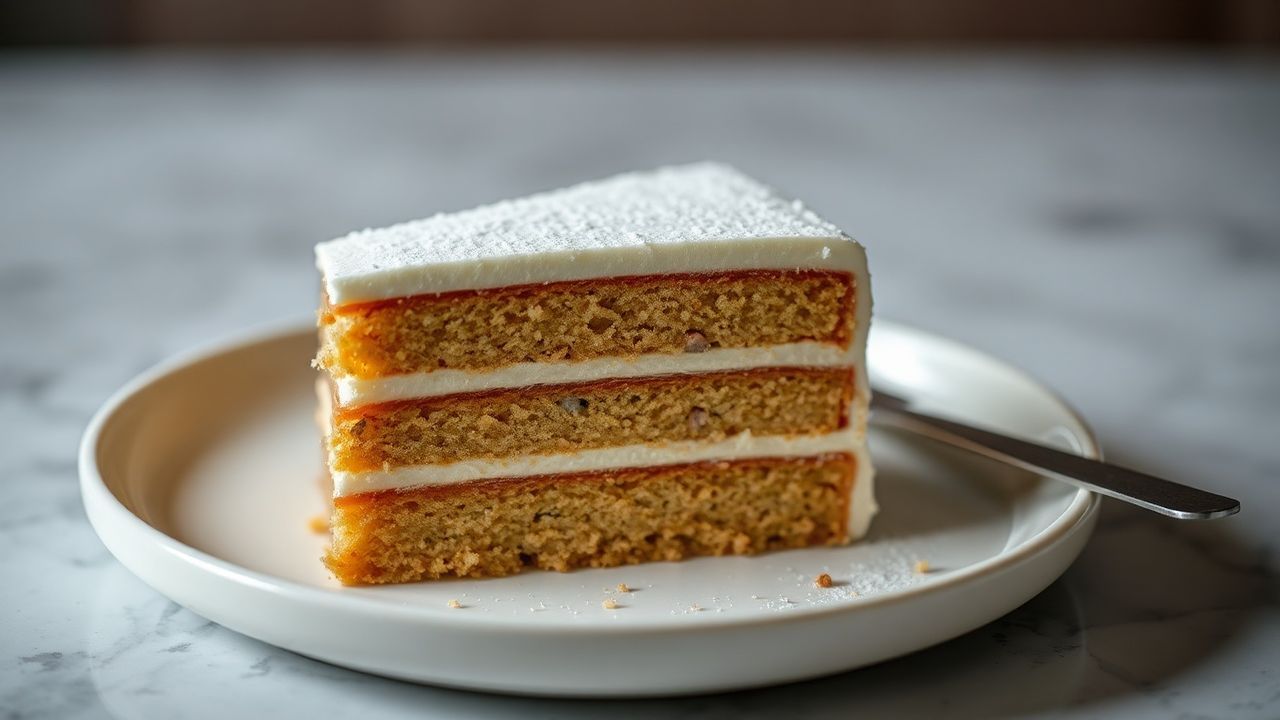
Imagine a dessert that captures the fragrant warmth of Thai tea, then turns it into delicate layers of moist cake. Welcome to the best Thai tea layer cake—where spiced tea aroma meets creamy frosting in every slice.
- Prep and Cook Time
- Yield and Difficulty
- Ingredients
- Instructions
- Tips for Success
- Serving Suggestions
- Q&A
- What exactly is a Thai tea layer cake?
- How does Thai tea influence color and flavor?
- Why does layering matter for texture?
- Can I make this Thai tea layer cake without coconut milk?
- How do I get clean slices every time?
- Wrapping Up
- Bold Thai tea flavor comes from strong steeped tea and Thai tea concentrate.
- Clean layers rely on full cooling and careful assembly.
- Balanced sweetness comes from cream cheese frosting with a tea-spice finish.
- Slice-ready texture improves after chilling.
This guide shows you how a Thai tea layer cake gets its signature color, aroma, and spice depth. You’ll also learn how to bake layers that stay tender, not dry, and how to frost without squashing the crumb.
Thai tea uses black tea plus aromatic spices such as star anise. When you brew it strong and cool it, the flavor spreads through batter and frosting instead of sitting on top.
For cultural context, Thai tea connects to Thai street drink culture and its wide love for sweet, spiced tea. If you want a quick background on the ingredients, see black tea and star anise.
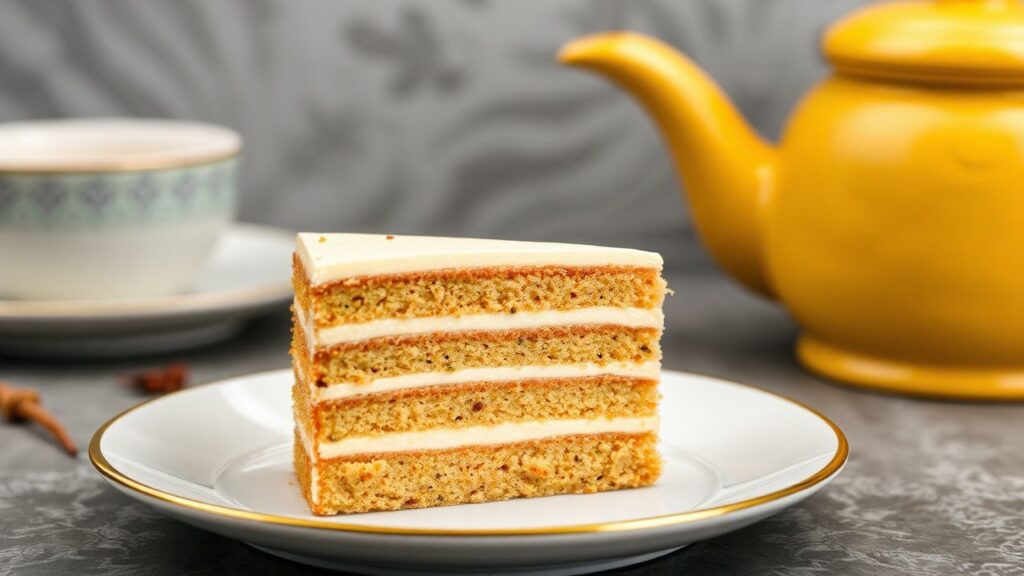
Thai tea layer cake turns a spiced beverage into a layered bake with a soft sponge and a creamy top. Each slice tastes like a sweet sip: spiced tea notes first, then vanilla and dairy richness, then a gentle caramel-like tea finish.
Prep and Cook Time
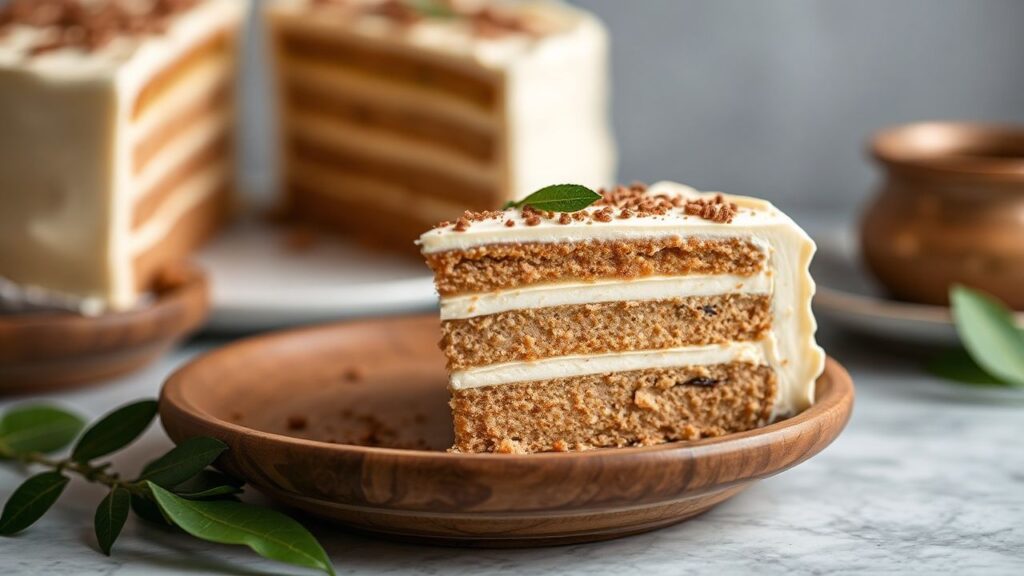
Plan your schedule so the layers cool fully before frosting. That one step protects your texture and keeps the frosting smooth.
Because this recipe uses multiple thin layers, baking time adds up. Still, you can bake efficiently by preparing pans and batter in batches.
- Readiness: 45 minutes
- Cooking: 10 minutes per layer (typically 6 layers)
- Chilling & Assembly: 2 hours
- Total Time: Approximately 4 hours
Yield and Difficulty
This best Thai tea layer cake makes 8–10 slices. You’ll get clean, evenly thick portions when you chill the cake first.
Difficulty: Medium. The method asks for patience with layering, but the steps stay straightforward. If you follow the cooling and assembly timing, you’ll succeed.
Ingredients
Use fresh ingredients for the cleanest flavor. Strong tea matters, so don’t rush the steeping and cooling step.
For an overview of how baking powders work in cake structure, you can read about baking powder. For tea component context, tea helps explain why brewed flavor stays aromatic.
For the Thai Tea Sponge Layers
- 1 cup all-purpose flour, sifted
- 1 tsp baking powder
- ¼ tsp fine sea salt
- ¾ cup granulated sugar
- 3 large eggs, room temperature
- ½ cup full-fat coconut milk
- 2 tbsp Thai tea leaves (preferably the bold orange variety)
- 2 tbsp boiling water
- 1 tsp vanilla extract
- ¼ cup vegetable oil (neutral flavor)
For the Cream Cheese Frosting
- 8 oz cream cheese, softened
- ½ cup unsalted butter, softened
- 1 ½ cups powdered sugar, sifted
- 1 tsp vanilla extract
- 1 tbsp Thai tea concentrate (steep Thai tea leaves in hot water, then cool)
Optional Garnishes
- Edible gold leaf flakes
- Crushed toasted coconut
- Star anise pods for decoration
Instructions
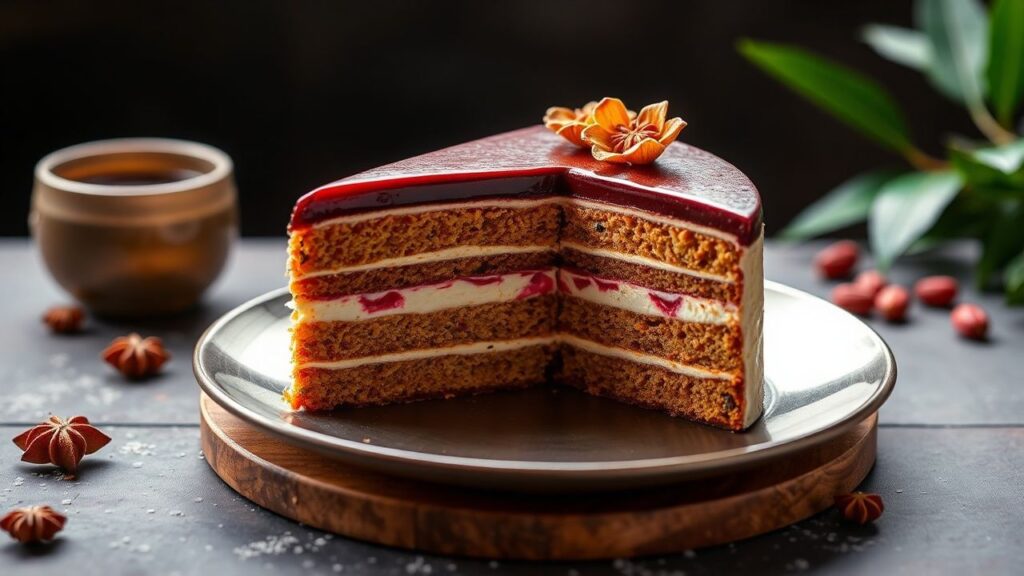
Work in order: steep tea, mix batter, bake thin layers, cool completely, then assemble. This sequence gives you better lift and cleaner frosting coverage.
While the process is repetitive, the timing stays consistent. Keep your layers thin for quick baking and even texture.
- Prepare Thai tea infusion: Place Thai tea leaves in a heatproof bowl and add 2 tbsp boiling water. Steep 5 minutes, then strain. Reserve 1 tbsp for the frosting; use the rest in the batter.
- Mix dry ingredients: In a medium bowl, sift flour, baking powder, and salt. Set aside.
- Beat eggs and sugar: Whisk eggs and granulated sugar until pale, thick, and tripled in volume (about 5 minutes). This step builds the sponge’s light structure.
- Combine wet ingredients: Slowly mix in Thai tea infusion, coconut milk, vanilla extract, and vegetable oil. Fold gently so the batter stays airy.
- Fold in dry ingredients: Add the dry mix gradually and fold until just combined. Avoid overmixing to prevent a dense crumb.
- Bake layers: Preheat oven to 350°F (175°C). Grease and line six 6-inch round pans. Pour a thin layer of batter (about ⅓ cup per pan). Bake 8–10 minutes, until a toothpick comes out clean.
- Cool layers: Cool cakes completely on wire racks. Warm layers soften frosting and blur the edges.
- Prepare frosting: Beat cream cheese and butter until smooth. Add powdered sugar gradually. Mix in vanilla and the Thai tea concentrate. Chill 15 minutes if the frosting feels too soft.
- Assemble the cake: Place the first layer on a cake board. Spread a thin, even frosting layer. Repeat with all layers, then frost the top and sides.
- Chill and garnish: Refrigerate at least 2 hours to set the frosting and deepen flavor. Garnish before serving if possible.
Texture improves after chilling because butter firms and tea flavor settles evenly. If you taste the cake warm, the tea can feel sharper than it does after rest.
For tea-based baking techniques and flavor infusion logic, it helps to understand how tea polyphenols contribute to bitterness and aroma. With cooling and correct dilution, those notes turn balanced instead of harsh.
Also, keep your layers the same thickness. Uneven cakes create gaps, and your frosting will hide the gaps instead of smoothing them cleanly.
Tips for Success
Small adjustments make a big difference in a layered bake. Focus on room-temperature eggs, strong tea infusion, and gentle folding.
If you handle the crumb carefully, the sponge stays tender even after chilling. That tenderness matters most when you cut thin slices.
- Keep eggs at room temperature to maximize volume when beaten.
- Use a fine mesh strainer to remove tea leaves for a smoother batter and frosting.
- If you don’t have six pans, bake one layer at a time. Cool each layer fully before starting the next.
- For extra moist sponge, replace 2 tbsp vegetable oil with melted coconut oil (same amount).
- For dairy-free variations, use dairy-free cream cheese and plant butter. Expect slight texture and flavor differences.
- Make the cake a day ahead. Refrigeration helps Thai tea flavor mellow and blend.
Serving Suggestions
Serve slices chilled for the neatest cuts. A chilled cake also lets the tea spices come through with less bitterness.
Pair each slice with Thai iced tea or a lightly sweetened jasmine iced tea. The shared tea profile creates a smooth tasting arc from sip to bite.
If you want a dessert-drink pairing reference for classic tea beverages, see jasmine tea. For sweet-spice aroma pairing, vanilla explains why vanilla boosts perceived sweetness without extra sugar.
For a modern presentation, add toasted coconut to each slice. If you use edible gold leaf, add it right before serving so it stays crisp and visually sharp.
| Nutrient | Per Serving (1 slice) |
|---|---|
| Calories | 320 kcal |
| Protein | 5 g |
| Carbohydrates | 40 g |
| Fat | 15 g |
Q&A
Quick answers help you troubleshoot and bake with confidence. Use these notes before you start, and you’ll avoid most common layer-cake mistakes.
If you want the best flavor, focus on strong tea and full cooling. Then, chill the finished cake so the layers slice cleanly.
What exactly is a Thai tea layer cake?
A Thai tea layer cake is a multi-layer sponge cake infused with Thai tea flavor, topped with a creamy frosting that often includes Thai tea concentrate. The goal is to turn a sweet, spiced beverage into a balanced dessert.
Unlike lightly flavored tea cakes, this style uses tea infusion in batter and additional tea flavor in the frosting. That’s what creates the “sweet sip” effect in every bite.
How does Thai tea influence color and flavor?
Thai tea commonly features bold black tea notes plus aromatic spices. When you steep it strong, it brings a reddish-orange tint and a warm, spiced aroma.
In baking, the tea flavor spreads through moisture and fat. Coconut milk and vanilla then round out any tea bitterness for a smooth finish.
Why does layering matter for texture?
Layering improves both texture and flavor distribution. Thin layers bake faster, stay tender, and spread the tea infusion evenly.
When you chill after assembly, butter firms and frosting sets. That lets each slice hold its shape without crumbling.
Can I make this Thai tea layer cake without coconut milk?
Yes, you can replace coconut milk with full-fat dairy milk, or use an equal amount of a neutral plant milk. The sponge may feel slightly less aromatic, but it will still bake well.
If you skip coconut, consider adding a touch more vanilla to keep the flavor bright.
How do I get clean slices every time?
Chill the cake at least 2 hours before cutting. Then, use a sharp knife and wipe it between slices so frosting stays neat.
For the best results, cut when the cake is cold and serve promptly. If it sits at room temperature too long, the frosting softens.
Wrapping Up
When the final slice disappears, you’ll taste more than sweetness. You’ll taste warm tea spice, creamy frosting, and the careful balance of thin layers.
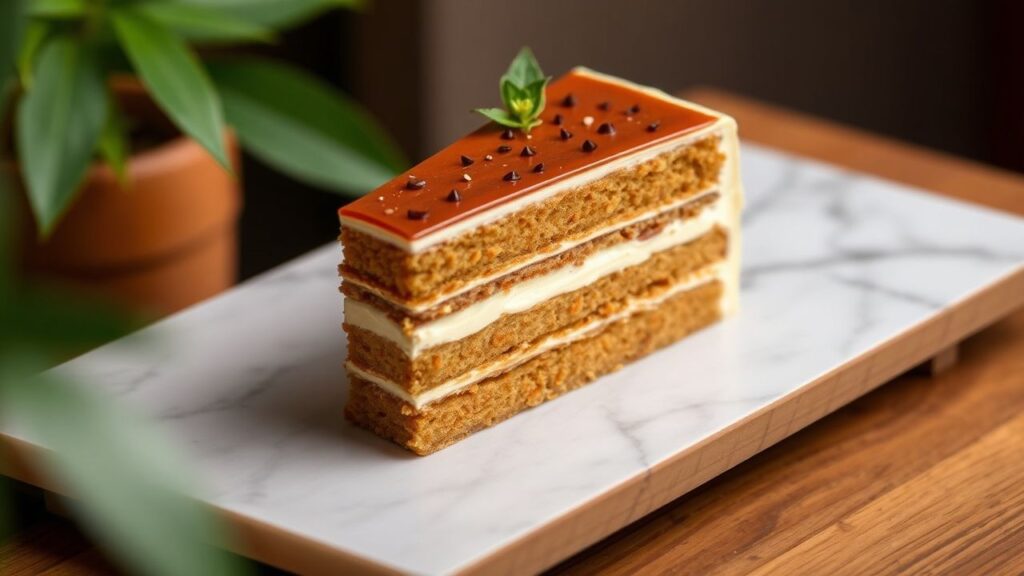
This best Thai tea layer cake works because strong tea infusion carries aroma throughout the crumb. Then chilled frosting locks in texture so each bite feels like a sweet sip.
See also: Thai tea layer cake