
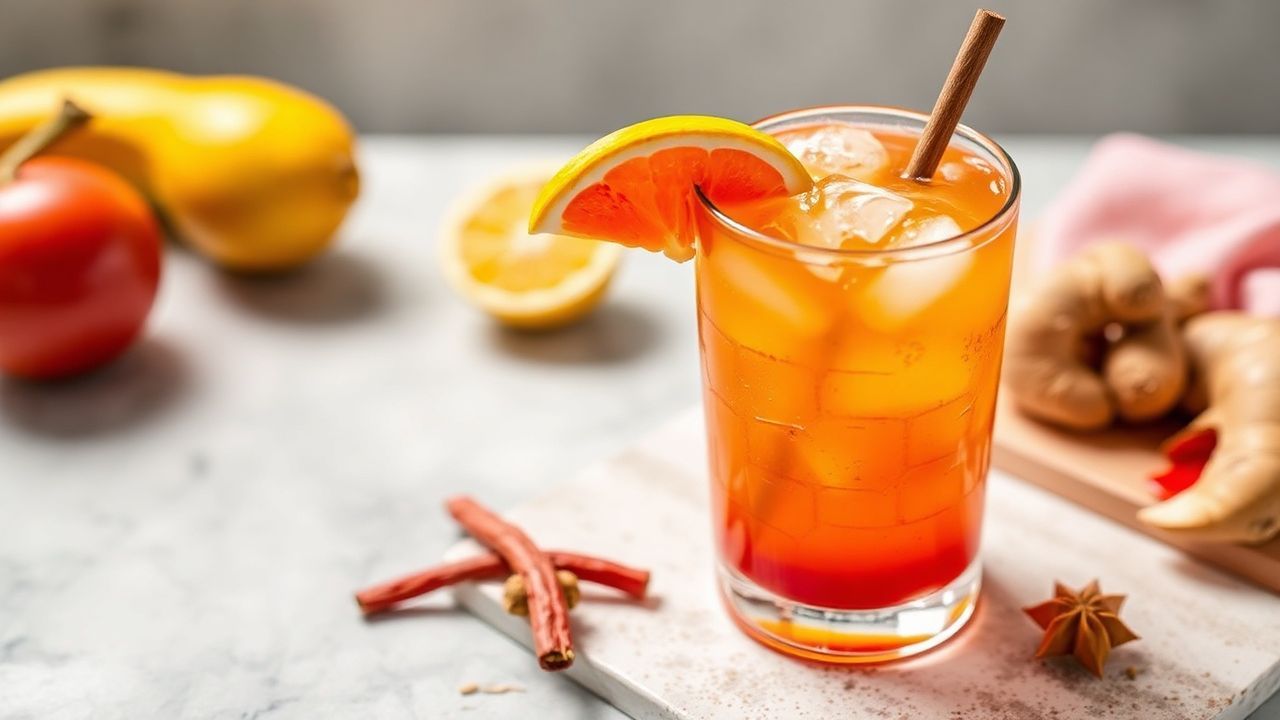
When summer heat spikes, you need a drink that cools fast and tastes bright. This tamarind ginger cooler hits the balance you want: tangy tamarind meets peppery ginger for a sweet-sour-spicy sip that feels clean and lively.
- The Tangy Twist of Tamarind: Flavor Profile & Known Benefits
- Ginger’s Spicy Kick: Why It Lifts the Cooler
- Crafting the Perfect Tamarind Ginger Cooler: 4 Steps
- Ingredients (Serves 4)
- Step 1: Prepare Tamarind Extract
- Step 2: Add Sweetness, Ginger, and Lime
- Step 3: Chill for Flavor Melding
- Step 4: Finish with Sparkling Water and Serve
- Tips for Success: Texture, Strength, and Make-Ahead Flow
- Creative Variations and Pairings for a Brighter Summer Table
- At a Glance: Quick Checklist Before You Pour
- FAQ
- Fast refresh: soak, strain, mix, then chill for a quick summer drink.
- Balanced flavor: tamarind tang leads while ginger adds warm aroma.
- Easy control: adjust ginger and sweetness to match your taste.
- Best served cold: add sparkling water right before you pour.
The tamarind ginger cooler is more than a summer trend. Tamarind pulp brings natural fruit acidity that lifts flavors. Ginger adds aromatic bite that supports digestion comfort for many people and helps the drink taste less flat.
- Bold flavor balance: tamarind tang + ginger warmth + lime freshness.
- Simple process: soak, strain, mix, chill—no fancy tools required.
- Adjustable heat: control ginger intensity without dulling fruit notes.
- Serve-ready fast: enjoy chilled over ice in under 30 minutes.
The Tangy Twist of Tamarind: Flavor Profile & Known Benefits
The core of any tamarind ginger cooler starts with tamarind. It tastes like a mix of citrusy sour and gentle fruit sweetness, which makes it ideal for refreshing cold drinks.
Tamarind contains naturally occurring acids and plant compounds. People often enjoy it in traditional diets for digestion support, and it also includes antioxidants. For background, see tamarind.
In the glass, you get a deep amber color and a tang that stands up to ice. That acidity cuts through the sweetness you add later, so the cooler stays crisp instead of cloying.
If you want extra depth, use fresh tamarind pulp or a high-quality paste. Low-quality paste can taste flat or too sharp, and that forces you to overcompensate with sugar or extra ginger.
Ginger’s Spicy Kick: Why It Lifts the Cooler
Ginger does not just add heat. It adds fragrance, with compounds that create a warming sensation and a clean, spicy finish.
Ginger also shows up in many regional drink styles because it brings both aroma and comfort. For background on the plant, see ginger.
When you grate or steep ginger, you release oils into the liquid. Those oils travel through each sip, so the cooler tastes bright from the first mouthful to the last.
To keep ginger balanced, aim for “noticeable,” not “dominant.” A strong ginger bite can mask tamarind’s tang, so start moderate, then adjust after chilling.
For acidity and flavor chemistry context, it helps to think in terms of sour balance and dilution. If you want a quick reference, see acid.
Crafting the Perfect Tamarind Ginger Cooler: 4 Steps
This recipe keeps steps simple for busy days. You make tamarind extract first, then blend in sweetness, ginger, and lime. Finally, you chill and serve over ice.
Prep time runs about 15 minutes, plus short soaking and chilling. Total time often lands around 25 to 35 minutes depending on how long you rest the flavors.
Follow the plan below, then fine-tune based on your taste. The goal stays the same: a cooler that feels refreshing, not sticky, bitter, or overly sour.
Also, remember that chilling changes perception. Cold temperatures mute sweetness and soften harsh edges, so your “perfect” balance may shift slightly after 10 to 15 minutes in the fridge.
For a clean, drinkable texture, strain well and use a smooth tamarind liquid. That choice keeps ginger distribution consistent and prevents gritty mouthfeel when you pour over ice.
Ingredients (Serves 4)
Use these amounts as a starting point for your tamarind ginger cooler. You can scale up or down without trouble.
Ingredients: 100g tamarind pulp (seedless), 3 cups water (divided), 2-inch piece fresh ginger (peeled and finely grated), 1/3 cup honey (or natural sweetener), juice of 1 lime, 1 cup chilled sparkling water (or soda water), ice cubes, fresh mint leaves, and lime slices for garnish.
Step 1: Prepare Tamarind Extract
Place tamarind pulp in a medium bowl. Pour in about 2 cups hot water and soak for 10 minutes.
Mash the pulp, then strain through a fine mesh sieve into a clean pitcher. Discard solids and keep the smooth tamarind liquid. For broader sour fruit context, see fruit.
Step 2: Add Sweetness, Ginger, and Lime
Stir honey into the warm tamarind extract until fully dissolved. Add grated ginger and lime juice, then mix well.
This step builds your core flavor. Ginger should blend into the liquid evenly so every glass tastes similar, even when guests add different amounts of ice.
If you like a deeper ginger note, you can steep grated ginger in the warm mixture for 3 to 5 minutes before straining. Keep it short to avoid a bitter finish.
Step 3: Chill for Flavor Melding
Refrigerate the mixture for 10 to 15 minutes. Chilling helps ginger aroma soften while tamarind tang stays vivid.
For freshness, avoid long storage at this stage. Temperature shifts can dull the sharpness you want from lime and ginger, especially if you leave it uncovered.
Step 4: Finish with Sparkling Water and Serve
When you are ready to serve, stir in the remaining water and chilled sparkling water. Add ice to tall glasses and pour immediately.
Garnish with mint leaves and thin lime slices. Serve cold so the aroma stays active and the drink feels clean.
To protect carbonation, add sparkling water right before serving. That keeps bubbles strong and improves mouthfeel.
If you over-sweeten, the drink can lose its “clean” edge. Fix it by adding a little extra lime juice rather than more ginger.
Also, avoid weak tamarind. Low-flavor paste forces you to compensate with extra sugar or ginger, and the balance often turns muddy.
Tips for Success: Texture, Strength, and Make-Ahead Flow
Getting texture right improves mouthfeel. A well-strained tamarind extract feels smooth, and it also helps ginger distribute evenly through the full batch.
If you want extra clarity, strain twice. That extra step removes tiny fibers, so the drink stays cleaner when guests sip over melting ice.
Adjust ginger intensity for your household. For milder zing, use less ginger or reduce steep time. For bolder spice, increase ginger slightly, but keep tamarind tang in the lead.
For make-ahead convenience, prep tamarind extract and ginger mixture separately. Combine them, then add sparkling water only right before serving to protect carbonation and keep flavor lively.
If you plan a party, keep mint and lime as fresh finishing touches. Add herbs right before serving so their aroma stays bright.
Creative Variations and Pairings for a Brighter Summer Table
You can customize your tamarind ginger cooler without changing the core recipe. Start with one add-in at a time, then taste so you can track the effect.
Add pomegranate seeds for jewel-like crunch. Pomegranate brings fruit pop and pairs well with tart profiles. For ingredient background, see pomegranate.
Try a small splash of coconut water for a tropical twist. Coconut water adds a smooth, mild sweetness that supports lime. If you want a quick reference, see coconut water.
Herb lovers can add basil or cilantro at the end. Stir in a few leaves off the heat, then garnish lightly. Fresh herbs work best when you don’t boil them.
For spice experimentation, add a pinch of cayenne or black pepper. Add slowly, then taste after chilling so you feel warmth, not overpowering heat.
To deepen spice understanding, aromatic compounds help flavors feel stronger at lower sugar levels. For general spice context, see spice.
Pair this cooler with light summer foods. It matches grilled vegetable skewers, fresh fish tacos, and citrus-forward salads. Because it’s tangy, it also cuts through richer dishes.
At a Glance: Quick Checklist Before You Pour
Use this checklist for your next batch of tamarind ginger cooler. It helps keep the drink balanced and truly refreshing.
- Tamarind: smooth extract, strong aroma, not watery.
- Ginger: grated or lightly infused, then chilled.
- Sweetener: dissolve while warm for even balance.
- Serve cold: add sparkling water right before serving.
If you follow these steps, your cooler tastes consistent from the first glass to the last. That repeatable balance is what turns a simple drink into a summer staple.
For more variety ideas, keep experimenting with garnish and add-ins. Just keep the tamarind-tang lead so the drink stays crisp.
See also: Tamarind & Ginger Cooler
FAQ
What is the ideal balance for a tamarind ginger cooler?
A good balance uses tamarind for tang, honey for roundness, ginger for aromatic warmth, and lime for brightness. Start with the recipe amounts, chill, then adjust sweetness with honey and acidity with extra lime.
If it tastes flat, add lime. If it tastes too sharp, add a small amount of honey while the extract is warm next time.
Can I use tamarind paste instead of pulp?
Yes. Use a paste that tastes strong and fresh. Start with slightly less than you think you need, then dilute and adjust until the flavor matches your target tang.
After mixing, chill and taste again. Cold changes perception, so fine-tuning after chilling prevents over-correction.
How long does the tamarind ginger cooler stay fresh in the fridge?
For best taste, drink within 24 to 48 hours. Keep it covered and stir before serving because natural sediment can settle.
Store without adding sparkling water if possible. Then add bubbles right before you pour for the best texture.
How can I make it less spicy without losing flavor?
Reduce grated ginger slightly and chill for the full 10 to 15 minutes. You can also strain the cooled mixture to remove some ginger fibers and soften the bite.
For extra gentleness, keep ginger infusion short when warming it. Short steep time lowers bitterness risk.
Is this drink suitable for kids?
It can be kid-friendly if you reduce ginger and keep sweetness moderate. Use lime carefully and skip spicy add-ins like cayenne for younger palates.
Serve smaller portions first, then adjust next time based on how your kids prefer the tang and aroma.