
Golden Crispy Sweet Fried Plantains (Platanos): Why They’re So Good
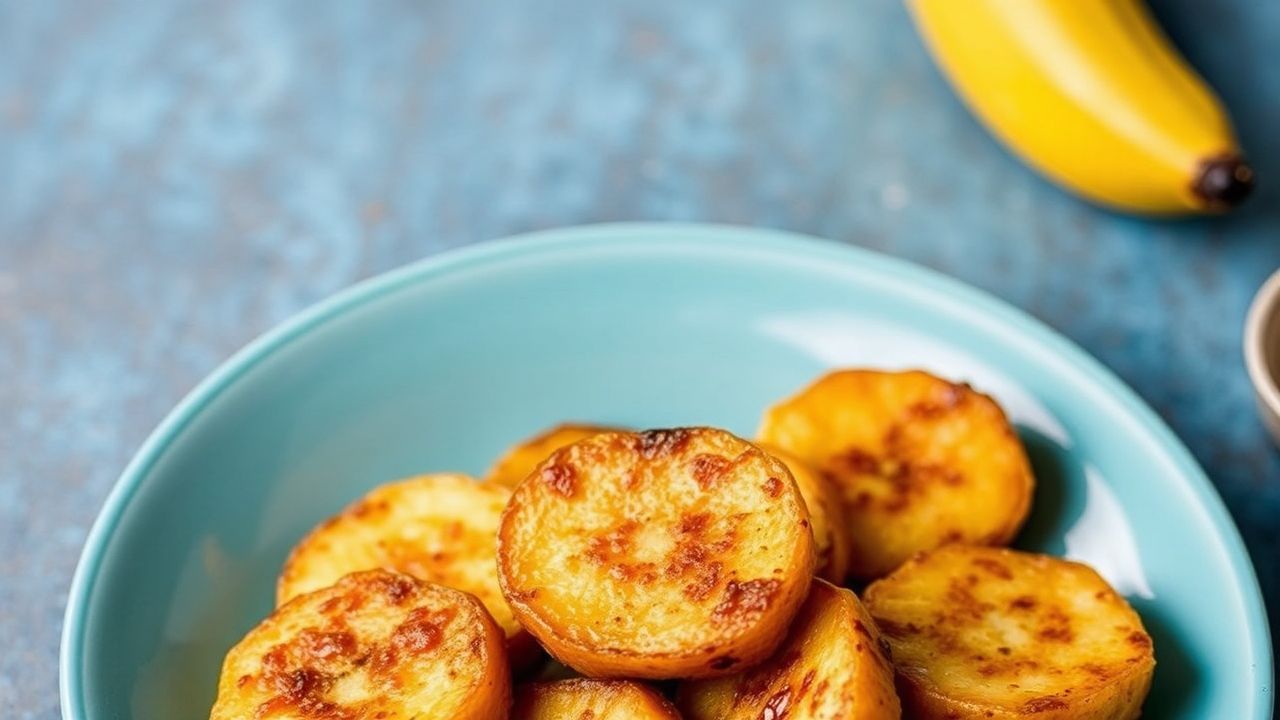
Sweet fried plantains (platanos) turn ripe fruit into golden, caramelized slices with a crisp edge and tender center. When you fry them at the right temperature, their starches convert to sugars and the surface browns fast.
- Golden Crispy Sweet Fried Plantains (Platanos): Why They’re So Good
- Prep Essentials: Times, Yield, and Equipment
- Ingredients for Sweet Fried Plantains (Platanos)
- Instructions: Make Golden Sweet Fried Plantains
- 1) Select Your Plantains
- 2) Peel and Slice Correctly
- 3) Season Lightly
- 4) Heat the Oil to the Right Temp
- 5) Fry in Batches
- 6) Drain for Crispness
- 7) Serve While Warm
- Tips for Success: Texture, Color, and Repeatable Results
- Ripeness Is Everything
- Temperature Control
- Maple Syrup and Spice Balance
- Make-Ahead Handling
- Double-Fry for Extra Crisp
- Serving Suggestions: Sweet, Savory, and Dessert-Style
- Nutritional Notes and Portion Guidance
- FAQ: Sweet Fried Plantains (Platanos)
- Q1: How ripe should plantains be for sweet fried plantains?
- Q2: Why do my fried plantains come out greasy?
- Q3: What oil works best for frying?
- Q4: How do I keep plantains crisp after frying?
- Q5: Can I reheat sweet fried plantains?
- To Wrap It Up
In Caribbean and Latin American kitchens, this dish works as a snack, side, or dessert. You can pair it with savory plates or finish it like a treat, so it earns a place at everyday tables and special gatherings.
At a Glance
- Use very ripe plantains for natural sweetness.
- Slice diagonally for more crispy surface area.
- Control oil temperature to avoid burnt outsides and raw insides.
- Drain well to keep them crisp longer.
To get that signature “caramel crunch,” start with the right ripeness level. If your plantains are too green, they taste starchy and resist browning. If they’re ready, you’ll see dark speckles, soft flesh, and a sweet aroma.
Prep Essentials: Times, Yield, and Equipment
Plan about 25 minutes from prep to frying for a small batch. Once you set your oil temperature, the cook time stays steady and repeatable.
You only need a heavy skillet and a slotted spoon. A thermometer also helps a lot, because small swings in heat change texture and color.
Prep and Cook Time
- Planning: 10 minutes
- Cooking: 15 minutes
- Total time: 25 minutes
Yield
This recipe makes about serves 4 as a side or snack. If you’re serving a crowd, fry in batches so the oil stays hot.
For best crispness, plan to eat them right after frying. Warm slices cool quickly, and the outer layer can soften.
Difficulty Level
Easy. Sweet fried plantains suit beginners because the process has clear steps: ripen, slice, fry, drain, and serve.
Once you make one batch, you’ll understand how your stove and pan hold temperature.
Ingredients for Sweet Fried Plantains (Platanos)
Keep the ingredient list simple. Plantains already contain natural sugars, so you mainly need oil and a pinch of salt.
Optional flavor boosters can add aroma, but they should not overpower the fruit. Cinnamon and maple syrup work well because they match the caramel notes from frying.
Core Ingredients
- 3 large ripe plantains (yellow with abundant black spots for maximum sweetness)
- 1 cup vegetable oil (use a neutral, high-smoke-point oil)
- 1/2 teaspoon fine sea salt
- 1 tablespoon pure maple syrup (optional, for extra caramelization)
- Pinch of ground cinnamon (optional)
If you want oil guidance, read about smoke point. Higher smoke point oils brown foods more safely at frying temperatures.
For plantain background, this plantain overview helps you understand how plantains differ from bananas and how ripeness affects flavor.
Instructions: Make Golden Sweet Fried Plantains
Start with ripe fruit and steady heat. Then follow the sequence: peel, slice, season, fry in batches, and drain immediately.
You’ll get better results when your slices cook evenly. That means uniform thickness and enough space in the skillet.
1) Select Your Plantains
Choose plantains with skins that are mostly black with hints of bright yellow. These ripen fully, so their sugars develop and their flesh softens.
Avoid green plantains. Unripe fruit stays firm and tastes starchy after frying, which harms the classic sweet flavor.
2) Peel and Slice Correctly
Cut off both ends, then slice the peel down the ridges. Lift the peel away carefully to expose the bright fruit.
Cut into about 1/2-inch diagonal slices. Diagonal cuts increase surface area, so you gain more crisp edges per piece.
3) Season Lightly
Toss slices with sea salt. Add maple syrup and cinnamon if you want deeper caramel notes.
Maple syrup can create a light glaze as the sugars heat. That browning effect aligns with browning reactions that build flavor on hot surfaces.
4) Heat the Oil to the Right Temp
Warm oil in a heavy skillet over medium heat until it shimmers. A thermometer should read around 350°F / 175°C for consistent results.
Fry in the sweet spot. Too hot burns the outside; too cool makes slices greasy and pale.
5) Fry in Batches
Place plantains gently into the hot oil without crowding the pan. Crowding drops the oil temperature and slows crisping.
Fry each side for 2 to 3 minutes or until edges look crisp and golden brown. Flip carefully with tongs or a slotted spoon.
6) Drain for Crispness
Transfer fried slices to a plate lined with paper towels. Drain right away so excess oil doesn’t soften the surface.
Moisture control matters for texture. Crispness depends on surface dryness, and paper towels help remove surface oil.
7) Serve While Warm
Serve immediately for the best crunch. Warm plantains keep their contrast: crisp outside, tender inside.
For serving ideas, keep reading. You’ll find quick pairings for both sweet and savory plates.
Also, avoid thick overcrowding. If the skillet feels crowded, stop and fry the rest in a second batch.
For overall heat cooking basics, you can reference frying to better understand how oil transfer and cooking speed work.
Tips for Success: Texture, Color, and Repeatable Results
Small tweaks improve everything: ripeness, slice thickness, oil temperature, and draining. Use these tips to get the same golden results each time.
If your first batch isn’t perfect, adjust one variable next time. That’s faster than changing everything at once.
Ripeness Is Everything
Go for plantains that are mostly black. The deeper the color, the more natural sweetness you’ll taste after frying.
Green plantains need more cooking time and often stay less sweet. Reserve those for savory plantain dishes.
Temperature Control
Keep oil around 320°F to 350°F. This range supports even browning without excessive greasiness.
If your oil runs cooler, fry longer but still monitor color. If it runs hot, lower the heat to protect the interior.
Maple Syrup and Spice Balance
Maple syrup adds aroma and a gentle caramel layer. Cinnamon adds warmth that matches the fried sweetness.
If you want spiced notes, start with a small pinch. Too much cinnamon can shift the flavor away from the fruit.
Make-Ahead Handling
Cook fresh for best crunch. If you must prep ahead, keep fried slices warm in a low oven on a rack to reduce steam.
Warm storage helps, but it cannot fully replace fresh frying. Crispness declines as moisture moves back into the surface.
Double-Fry for Extra Crisp
If you want a stronger crunch, try a two-stage fry. First cook at a lower temp to heat through, then crisp at a slightly higher temp.
This method builds a dry exterior faster, which supports a longer-lasting bite.
Serving Suggestions: Sweet, Savory, and Dessert-Style
Sweet fried plantains adapt to many plates. Choose toppings based on whether you want sweet-forward or balanced flavor.
For a classic Caribbean feel, serve alongside savory sides. For dessert, add creamy elements or a light dusting of sugar.
Savory Pairings
Serve plantains with black beans, rice, or a simple salad. The natural sweetness balances salty, earthy flavors and adds contrast on the palate.
You can also pair them with avocado for a creamy bite. The fat in avocado softens the crisp edge without flattening the flavor.
Sweet Toppings
For dessert-style plates, add coconut whipped cream or a scoop of vanilla ice cream. The cold cream contrasts the warm caramelized fruit.
A small squeeze of lime zest can brighten sweetness. Citrus lifts the aroma and makes the caramel taste feel less heavy.
Quick Garnish Ideas
Try finely chopped mint for freshness. Or use a light sprinkle of toasted coconut flakes for texture and aroma.
If you like a sweet-salty vibe, a pinch of extra sea salt works well. It boosts the perception of sweetness.
Nutritional Notes and Portion Guidance
Calories and fat depend on how much oil the slices absorb. Good temperature control and quick draining help reduce excess oil.
This recipe typically lands around 220 calories per serving for the quantities listed, but your exact value can vary based on plantain size and frying conditions.
Nutrient Table (Per Serving)
| Nutrient | Per Serving |
|---|---|
| Calories | 220 |
| Protein | 1.5g |
| Carbohydrates | 33g |
| Fat | 9g |
Frying adds fat, so balance matters. If you serve plantains as a snack, pair with fruit or a lighter side to keep the meal balanced.
For general diet context, you can review fat and how calories can rise quickly in cooking methods like frying.
FAQ: Sweet Fried Plantains (Platanos)
These answers cover the most common problems people face. If you hit any texture or flavor issues, use the guidance below.
Adjust just one factor at a time so you can learn what your kitchen needs.
Q1: How ripe should plantains be for sweet fried plantains?
Use plantains with skins that are mostly black or heavily speckled with black. The flesh should feel soft and the fruit should smell sweet.
If the plantains still look mostly green, they will fry but stay starchier and less sweet.
Q2: Why do my fried plantains come out greasy?
Greasy slices usually mean the oil runs too cool or the pan is overcrowded. When temperature drops, plantains soak up more oil.
Fry in smaller batches and keep oil steady near 350°F / 175°C.
Q3: What oil works best for frying?
Choose a neutral oil with a high smoke point, such as vegetable oil, canola oil, or sunflower oil. This keeps flavor clean and supports stable frying.
You can learn more about why smoke point matters for frying.
Q4: How do I keep plantains crisp after frying?
Drain immediately on paper towels, then serve right away. For longer holding, place them on a rack in a low oven.
Steam ruins crispness, so avoid stacking thick piles.
Q5: Can I reheat sweet fried plantains?
Yes. Reheat in an oven or skillet over medium-low heat. Use gentle heat to warm centers without re-greasing the outside.
Microwaving often softens the surface, so it usually reduces crispness.
To Wrap It Up
Sweet fried plantains (platanos) deliver that bright caramel sweetness and crisp-edged bite that people remember. With ripe fruit, correct slicing, and stable oil heat, the results stay consistent.
Fry in batches, drain right away, and serve while warm. Then enjoy them as a snack, a side, or a dessert—golden, sweet, and reliably delicious.
See also: sweet fried plantains