
Sushi has earned its place for a reason. It balances umami, acidity, salt, and fresh crunch in every bite. The only catch is the rolling step, which many home cooks skip.
- Ingredients for Deconstructed Sushi Bowls
- Prep, Marinate, and Cook Time
- How to Make Deconstructed Sushi Bowls with Ahi or Tofu
- Step 1: Marinate the Protein
- Step 2: Season the Rice Base
- Step 3: Cook the Protein
- Step 4: Assemble the Bowls
- Step 5: Finish with Garnishes
- Tips for Success (No Soggy Bowl)
- Serving Suggestions
- Q&A: Deconstructed Sushi Bowls with Ahi or Tofu
- What exactly is a deconstructed sushi bowl?
- Why choose ahi tuna or tofu for these bowls?
- What makes the bowls taste “sushi-like”?
- How do I get sushi rice for the bowl?
- Can I make the bowls ahead of time?
- Final Note on Flavor and Texture
That’s where deconstructed sushi bowls shine. You still get the flavors you love—sushi rice, marinated ahi tuna or tofu, bright toppings, and bold sauces—just layered in a bowl for fast, flexible prep.
- Layer flavor like classic sushi: seasoned rice, protein, then fresh garnishes.
- Pick ahi or tofu based on taste and dietary needs.
- Keep textures separate to avoid soggy bites.
- Finish with acidity and crunch for a clean finish.
Choose ahi for a buttery, sashimi-style bite or go plant-based with tofu for a crispy or silky texture. Either way, the marinades use soy sauce, sesame, ginger, and rice vinegar so the bowl tastes like sushi without the fuss.
For the rice base, use techniques similar to sushi rice. Rice vinegar and sugar create the classic sweet-sour profile, while proper rinsing helps the grains stay tender but not gummy. If you want background on the key ingredient, see sushi rice.
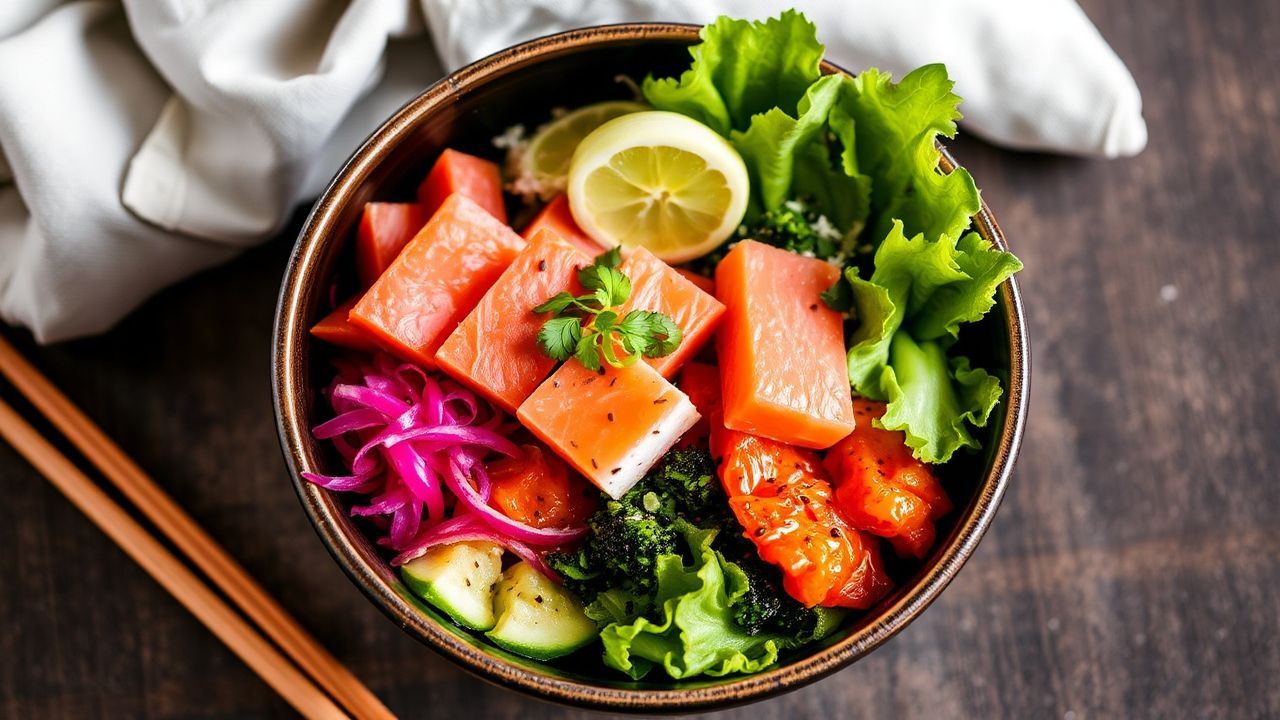
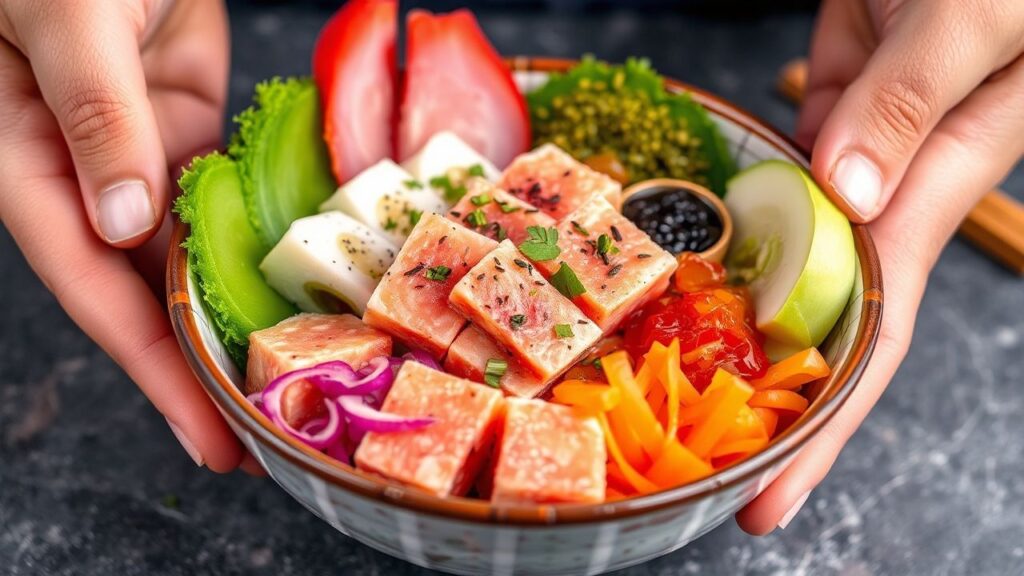
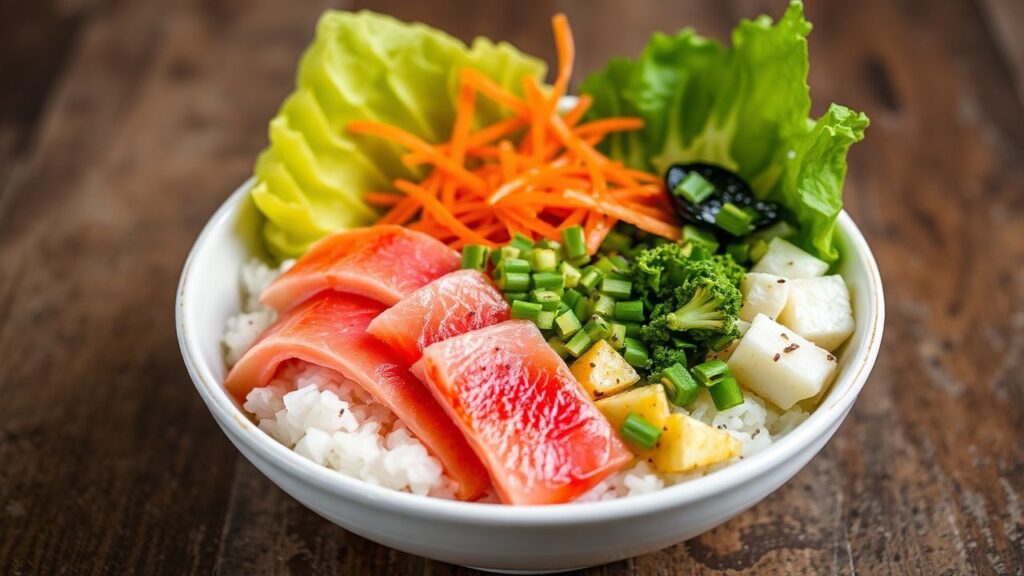
Flavor-packed deconstructed sushi bowls bring sushi’s signature balance into a home-friendly format. You layer marinated ahi or tofu over seasoned rice, then top with crunchy vegetables and creamy avocado. As a result, you get a meal that feels fresh, colorful, and totally customizable.
Ingredients for Deconstructed Sushi Bowls
Start with two parts: the protein (ahi or tofu) and the grain base. Then add toppings that match sushi’s texture map: crisp, creamy, and bright.
For the soy component, remember that soy sauce relies on fermentation flavors. If you want a quick food science overview, read soy sauce on Wikipedia. That context helps you understand why small changes in seasoning shift the whole bowl.
Ahi or Tofu Marinade
Marinating builds flavor deeper than surface seasoning. For ahi, short exposure keeps it tender. For tofu, a longer sit helps sauce cling to the surface.
Use the same structure for both: soy (or tamari), sesame oil, ginger, garlic, a touch of sweetness, and rice vinegar. Then add chili flakes if you want heat.
- For the Ahi or Tofu Marinade:
- 12 oz sashimi-grade ahi tuna, cut into 1-inch cubes OR 14 oz extra-firm tofu, pressed and cubed
- 3 tbsp soy sauce (or tamari for gluten-free)
- 1 tbsp sesame oil
- 2 tsp grated fresh ginger
- 1 clove garlic, minced
- 1 tsp honey or maple syrup
- 1 tbsp rice vinegar
- 1 tsp chili flakes (optional)
Grain Base: Seasoned Sushi Rice
The bowl’s foundation should taste like sushi rice, not plain rice. Seasoning in warm rice helps sugar and salt dissolve and coat evenly.
To anchor your technique, review sushi on Wikipedia for a clear overview of how the rice component fits with seafood and vegetables.
- Grain Base:
- 2 cups cooked calrose rice (or sushi rice)
- 2 tbsp rice vinegar
- 1 tbsp mirin (optional)
- 1 tsp salt
- 1 tsp sugar
Essential Toppings & Garnishes
Think in contrasts. Crunch from cucumber and carrot, creaminess from avocado, and spicy brightness from wasabi or spicy mayo.
Pickled ginger adds a clean tang and refreshes each bite. If you want a general view of pickling, visit pickling.
- Essential Toppings & Garnishes:
- ½ cup edamame, shelled and steamed
- 1 ripe avocado, sliced
- 1 medium carrot, julienned
- 1 small cucumber, thinly sliced
- 2 green onions, chopped
- 1 tbsp toasted sesame seeds
- Pickled ginger and wasabi, for serving
- Fresh cilantro or shiso leaves, chopped (optional)
Prep, Marinate, and Cook Time
This recipe stays efficient because you can multitask. While the protein marinates, you can season the rice and prep toppings.
Using organized steps also protects texture. Crisp toppings should stay dry and cool, while warm rice should stay covered until plating.
- preparation: 20 minutes
- Marinating: 15 minutes
- Cooking: 10 minutes
- Total: 45 minutes
Yield: Serves 4 generous bowls.
Difficulty Level: Medium—ideal for cooks comfortable with basic knife skills and careful timing.
How to Make Deconstructed Sushi Bowls with Ahi or Tofu
Follow the flow from marinade to rice to assembly. This order keeps flavors layered and prevents soggy vegetables.
Also, pay attention to protein handling. Cold ahi needs gentle searing or brief heat, while tofu benefits from crisping to stand up to rice and sauces.
Step 1: Marinate the Protein
In a shallow bowl, whisk soy sauce, sesame oil, ginger, garlic, honey, rice vinegar, and chili flakes if using. Add ahi cubes or cubed tofu and toss to coat.
Let it marinate for at least 15 minutes. If you want deeper flavor for tofu, you can marinate longer, but keep ahi brief to preserve a clean sashimi-like texture.
Step 2: Season the Rice Base
Warm rice vinegar, mirin, salt, and sugar just until dissolved. Pour the mixture over the cooked calrose rice and fold gently.
Keep the rice warm and covered. The goal is to maintain a soft, cohesive base that clings to toppings instead of turning dry.
Step 3: Cook the Protein
Heat a non-stick skillet over medium-high heat. For ahi, sear cubes quickly—about 1–2 minutes per side—until slightly browned but still tender inside.
For tofu, sauté until golden and crisp, about 5 minutes per side, turning carefully so the cubes hold their shape. Texture matters here, because crisp tofu adds that “sushi crunch” effect.
Step 4: Assemble the Bowls
Divide the seasoned rice among four bowls. Arrange marinated and cooked ahi or tofu on top, then layer in edamame, avocado slices, carrot, cucumber, and chopped green onions.
Keep crunchy items on top so they stay crisp. For sauces, serve them on the side so each bite can stay balanced instead of soaked.
Step 5: Finish with Garnishes
Finish with toasted sesame seeds and chopped cilantro or shiso if you like. Add pickled ginger and a small amount of wasabi at the table.
For a classic sushi flavor profile, remember that acidity and aromatic spice work together. If you want more on the role of vinegar in Asian cooking, see vinegar.
Tips for Success (No Soggy Bowl)
Deconstructed sushi bowls succeed when each component stays in its lane. Rice should stay warm. Protein should stay flavorful. Toppings should stay cool and crisp.
Small prep choices make the biggest difference, especially with tofu and avocado. If you’re planning ahead, keep sauces separate and assemble right before eating.
- Choosing tofu? Press it well (at least 30 minutes) to remove water so it crisps. For extra chew, freeze then thaw tofu before pressing.
- Want bolder flavor? For tofu, marinate up to 1 hour in the fridge. Stir halfway so the marinade coats evenly.
- Rice tip: Use freshly cooked rice and fold in seasoning while the grains are still warm.
- Make ahead: Chop veggies, cook rice, and marinate proteins up to 1 day ahead. Assemble only when you’re ready to eat.
Serving Suggestions
Serve these bowls as a full meal. Pair them with miso soup or a simple seaweed salad for a salty, savory counterpoint to the fresh toppings.
If you like heat, add spicy mayo or a light drizzle of ponzu. Keep the sauce portion small so it amplifies, not overwhelms, the sushi flavors.
Nutritional snapshot (per serving):
| Nutrient | Per Serving |
|---|---|
| Calories | 420 kcal |
| Protein | 32 g |
| Carbohydrates | 45 g |
| Fat | 12 g |
For sauce and seasoning reference, you can also explore miso and how fermented flavors complement rice and proteins.
Q&A: Deconstructed Sushi Bowls with Ahi or Tofu
Use these answers to troubleshoot flavor, texture, and timing. Small adjustments help you nail the bowl every time.
Also, keep in mind that “sushi-style” comes from seasoning and balance, not from rolling. Your layering method gives you control.
What exactly is a deconstructed sushi bowl?
A deconstructed sushi bowl takes the typical sushi parts—seasoned rice, seafood or plant protein, and fresh toppings—and layers them in a bowl. You skip the nori wrap and rolling step, which makes it easier to customize.
The technique still follows sushi principles: balance acidity, salt, and umami, then add fresh crunch. For more on sushi traditions, see sushi.
Why choose ahi tuna or tofu for these bowls?
Ahi tuna delivers clean, rich flavor and a tender bite when seared briefly. Tofu delivers a mild, adaptable base that absorbs marinade and becomes crispy when properly pressed and cooked.
Both options work because the marinade and rice carry the sushi-like seasoning profile. If you want a broader protein overview, review tofu on Wikipedia.
What makes the bowls taste “sushi-like”?
Seasoned rice creates the foundation. Soy sauce and sesame build the umami and aroma, while rice vinegar adds the bright tang that cuts through richness.
Fresh toppings provide contrast. Avocado adds creaminess, and cucumber adds water-like crunch that keeps the bowl light.
How do I get sushi rice for the bowl?
Cook rice normally, then season it with rice vinegar, salt, and sugar. Fold gently while warm so the grains absorb seasoning evenly.
Let it rest so the vinegar settles. If you need a reference for the rice style itself, visit sushi rice.
Can I make the bowls ahead of time?
Yes for components. Cook rice, marinate and cook protein, and chop vegetables up to a day ahead. Store them separately.
Assemble right before eating. This protects crispy tofu, keeps cucumber bright, and prevents avocado from turning dull too fast.
Final Note on Flavor and Texture
When you build deconstructed sushi bowls, you’re aiming for the same result as a roll: balanced flavors and a clear bite-by-bite rhythm. Layering helps you control that rhythm.
With ahi or tofu, seasoned rice, and crunchy toppings, you get a meal that tastes fresh and feels satisfying. Serve it immediately, then adjust sauce at the table for the best personal fit.
See also: deconstructed sushi bowls