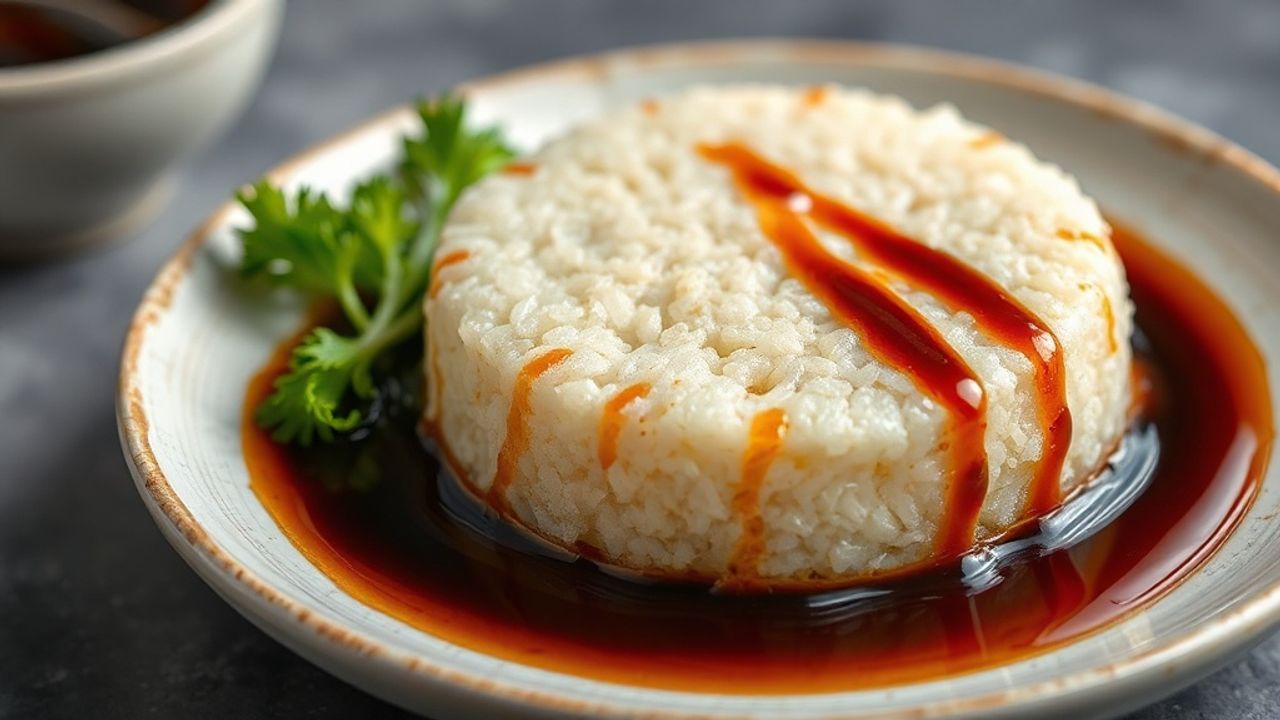
There’s something magnetic about rice cakes when a hot wok and a glossy soy glaze turn them into a chewy, savory centerpiece. This guide focuses on stir-fried rice cakes in savory soy sauce and shows precise timing, ingredient choices, and technique to reproduce street-market gloss at home.
- Why rice cakes work so well in a savory soy glaze
- Prep and Cook Time
- Yield and Difficulty — rice cakes as main or side
- Essential Ingredients for Stir-Fried Rice Cakes
- Equipment and mise en place
- Step-by-Step Instructions for perfect stir-fried rice cakes
- Tips for Success: Elevate Your Stir-Fried Rice Cakes
- Creative Variations and serving suggestions
- Nutrition snapshot
- FAQ
- What kind of rice cakes should I buy?
- How do I avoid sticky, gummy rice cakes?
- Can I make this gluten-free?
- How long do leftovers keep?
- What pairs well with these rice cakes?
- Authoritative closing notes
- Quick cook: Ready in about 20–30 minutes for a weeknight main.
- Texture first: Properly soaked rice cakes keep chew without becoming gummy.
- Glaze control: Balance soy, sweetness and heat to make the sauce cling.
- Versatile: Add protein, vegetables or a fried egg to scale the dish.
Why rice cakes work so well in a savory soy glaze
Rice cakes provide a neutral, starchy base that soaks up intense flavors while keeping a pleasing chew. When tossed in a reduced soy glaze the exterior caramelizes and the interior stays tender, which creates that sought-after contrast of texture.
Understanding rice cakes begins with the ingredient itself: many Korean rice cakes are a form of tteok. Their starch composition and density determine soak time and cook method, so buy the right shape for stir-fry.
Prep and Cook Time
Readiness: 15 minutes, including a brief soak if chilled or frozen. Soaking loosens the surface and prevents clumping during high-heat stir-frying.
Cooking: 12 minutes on medium-high heat. The goal is 3–4 minutes to blister and 3–4 minutes more to reduce the glaze and finish.
Yield and Difficulty — rice cakes as main or side
Serves 4 generously as a main or 6 as a side. The recipe scales linearly for larger batches but keep heat distribution consistent to avoid steam-sweating the rice cakes.
Difficulty: Medium. The technique relies on high heat, timing, and a balanced glaze. A properly seasoned wok or heavy skillet speeds things and improves glaze adhesion.
Essential Ingredients for Stir-Fried Rice Cakes
Use fresh or thawed cylindrical rice cakes that hold their shape; avoid puffed varieties that won’t produce the same chew. For the glaze, combine light soy for saltiness and a touch of dark soy or caramelized sugar for color and depth.
Key pantry items include garlic, toasted sesame oil, and a neutral frying oil. For context on soy products and fermentation, see soy sauce which explains flavor profiles and salt content that affect seasoning.
- 350g Korean rice cakes (tteok), fresh or thawed
- 3 tbsp light soy sauce
- 1 tbsp dark soy sauce
- 1 tbsp sesame oil
- 2 tbsp sugar
- 3 cloves garlic, minced
- 1/4 cup water or vegetable broth
- 1 small carrot, julienned
- 3 scallions, sliced
- 1 tsp toasted sesame seeds
- 2 tbsp vegetable oil
- Optional: chili flakes
Equipment and mise en place
A seasoned wok or a heavy-bottomed skillet gives the best sear and temperature control. A wide pan prevents overcrowding so each rice cake can blister rather than steam.
Prep all elements before heat: sauce mixed, vegetables julienned, and rice cakes drained. For technique on wok handling, review basic wok principles at wok.
Step-by-Step Instructions for perfect stir-fried rice cakes
1. Prep: Soak refrigerated or frozen rice cakes in warm water for 10 minutes. Drain thoroughly so excess water does not dilute the glaze.
2. Sauce: Combine light soy, dark soy, sugar, minced garlic and broth in a small bowl. Stir until sugar dissolves; this is your glaze base.
3. Heat: Warm the wok with oil until it shimmers but stops short of smoking. High, controlled heat gives fast surface caramelization that locks in chewiness.
4. Vegetables: Toss carrots and half the scallions and stir for about 2 minutes. This wakes up sweetness and keeps texture contrast.
5. Rice cakes: Add the rice cakes and keep them moving. Work in small batches if necessary so pieces blister rather than clump together.
6. Finish: Pour the sauce and continue tossing until the liquid reduces and coats each piece. Turn off heat, add sesame oil, and garnish with sesame seeds and remaining scallions.
Tips for Success: Elevate Your Stir-Fried Rice Cakes
Maintain a very hot pan and enough oil to create a slick surface; this prevents sticking and encourages blistering. Taste the glaze while reducing and adjust sugar or soy in small increments.
When substituting ingredients, note texture changes: rice noodles or pre-cooked rice will not mimic the chew of cylindrical rice cakes. For broader context on Korean flavor balances, see Korean cuisine.
Let the pan cool briefly after turning off the heat before tossing in the sesame oil. Adding sesame oil on high heat will dissipate the aroma and reduce its impact on the final dish.
Creative Variations and serving suggestions
Turn this base into a meal by adding thinly sliced beef, shrimp, or firm tofu. Toss proteins into the pan early enough to sear through but not long enough to dry them out; timing depends on cut thickness.
Try serving the rice cakes with a fried egg, crushed peanuts, or a pungent kimchi side to cut richness. For pairing ideas and wok technique practice, our internal resources provide stepwise skill drills at Authentic Korean Stir-Fry Techniques and a collection of similar mains at Rice Cake Recipes.
Nutrition snapshot
This recipe yields moderate calories with a carbohydrate-forward profile due to the rice cakes. A single serving typically provides energy for an active meal with modest protein from any added ingredients.
Adjust portion size or bulk with vegetables and lean protein to alter macro balance. The glaze contributes most of the sodium, so use reduced-sodium soy or tamari for a lower-salt option.
FAQ
What kind of rice cakes should I buy?
Choose cylindrical Korean rice cakes labeled for tteokbokki or stir-fry; they hold texture when heated. Avoid puffed or instant varieties that lack chew and structural integrity.
How do I avoid sticky, gummy rice cakes?
Soak briefly if chilled, drain and pat dry, then use a hot pan and generous oil. Keep pieces moving to allow even blistering and reduce the glaze only until it clings.
Can I make this gluten-free?
Yes. Substitute tamari or a certified gluten-free soy sauce. Rice cakes themselves are typically gluten-free but verify packaging for cross-contamination warnings.
How long do leftovers keep?
Store cooled rice cakes in an airtight container in the fridge for up to 2 days. Reheat gently with a splash of water or extra glaze to restore pliability and gloss.
What pairs well with these rice cakes?
Bright, acidic sides like cucumber salad or pickles balance the sweet-savory glaze. A light broth or steamed greens also complement the chewy texture and umami intensity.
Authoritative closing notes
Stir-fried rice cakes in savory soy sauce reward precise, repeatable technique: correct soak, very hot pan, and glaze reduction to the point of cling. Practicing these elements delivers the glossy, chewy results that define this dish.
For further reading on traditional rice cake varieties and cultural uses, explore referenced Wikipedia entries and use the internal links above to expand cooking technique and related recipes. Experiment with small adjustments until the glaze and chew match your preference; the method scales reliably.
See also: rice cakes