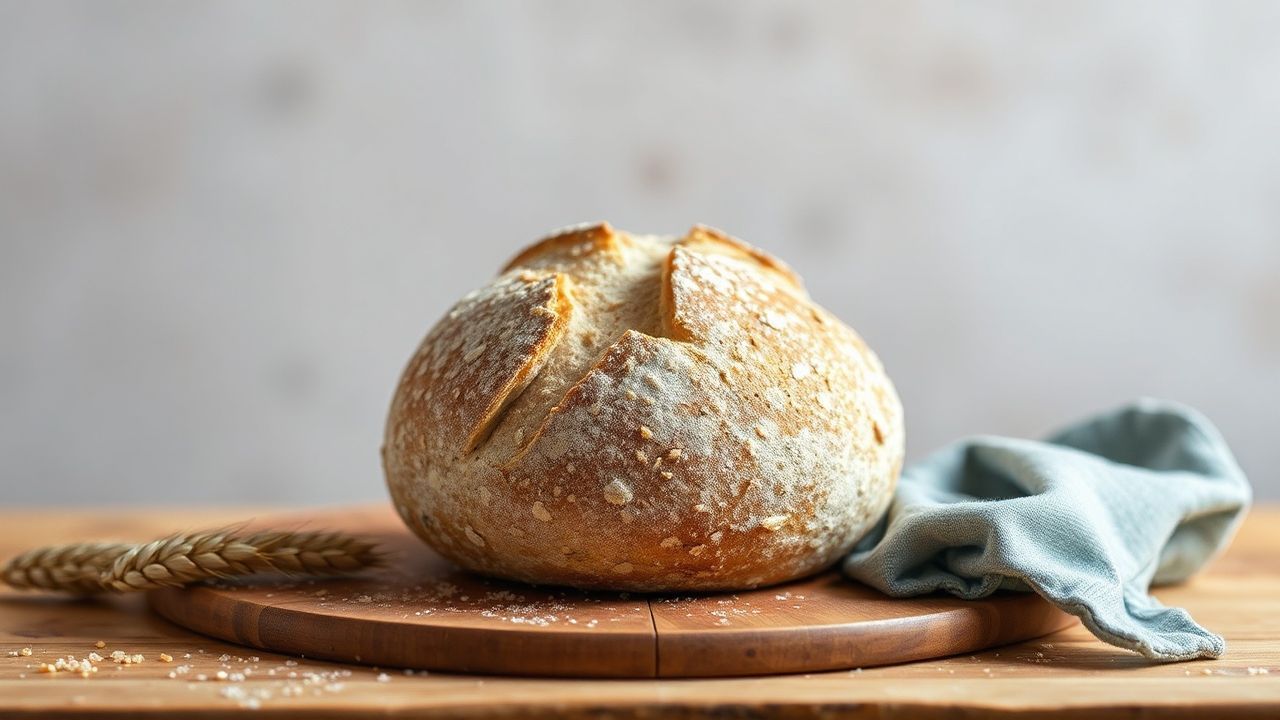
Crafting the perfect single-grain einkorn artisan loaf starts with one decision: bake with einkorn flour only, not blended wheat. That choice lets the grain’s warm, nutty notes and golden crumb show clearly.
- Why Single-Grain Einkorn Changes the Bake
- At a Glance
- Prep and Cook Time
- Yield and Difficulty
- Ingredients for Single-Grain Einkorn Artisan Loaf
- Instructions: From Mix to Bake
- 1) Activate the yeast (if using commercial yeast)
- 2) Mix the dough
- 3) Autolyse rest
- 4) Bulk fermentation with stretch and folds
- 5) Shape a tight boule
- 6) Final proof in a banneton
- 7) Preheat the oven
- 8) Score the dough
- 9) Bake with steam, then brown
- 10) Cool fully
- Tips for Success with Einkorn
- Serving Suggestions
- FAQ: Single-Grain Einkorn Artisan Loaf
- Use single-grain einkorn to keep flavor pure.
- Handle gently because einkorn dough needs softer strength.
- Watch fermentation since einkorn can move faster.
- Preheat the Dutch oven for a crisp, crackling crust.
Einkorn’s protein and gluten structure differ from modern bread wheat. As a result, the dough feels softer and more extensible, which shapes best with stretch and folds rather than heavy kneading.
This guide gives you a practical method for a classic boule: mix, ferment, shape, proof, score, and bake. You’ll also learn how to adjust water, timing, and steam so your loaf tastes like true artisan baking.
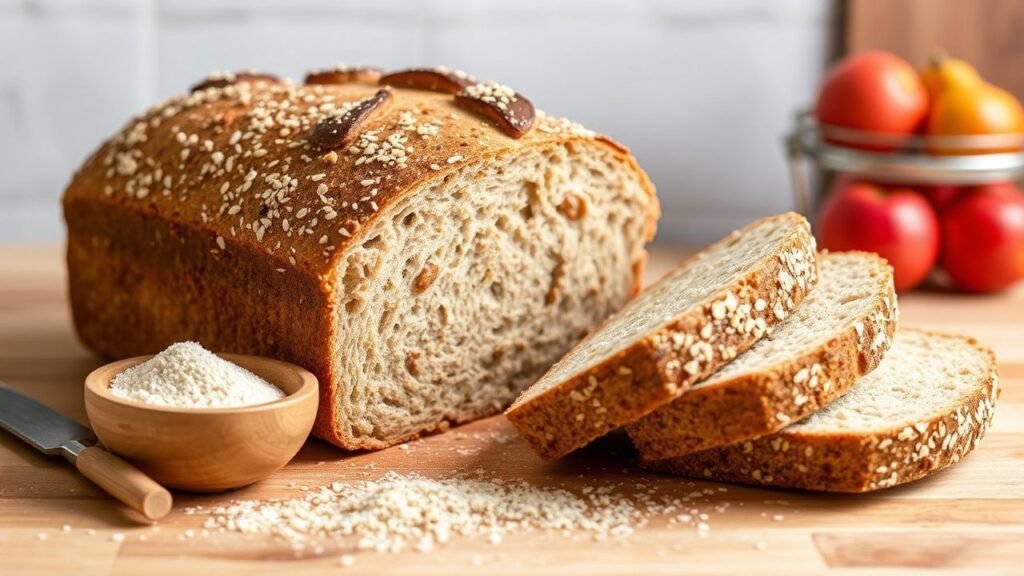
Master the Perfect Single-Grain Einkorn Artisan Loaf (Step-by-Step)
A perfect single-grain einkorn artisan loaf begins with selecting quality einkorn flour and measuring by weight. Next, you build structure through gentle stretch and folds. Finally, you lock in crust using a preheated baking vessel and controlled steaming.
Because einkorn flour hydrates differently, your dough will not behave exactly like standard bread flour. Plan to watch dough feel, not just the clock. When you follow the cues below, your loaf rewards you with a tender crumb and deep golden crust.
Why Single-Grain Einkorn Changes the Bake
Single-grain einkorn brings a distinct taste profile compared with modern wheat blends. It often tastes lightly sweet with a roasted, nutty aroma that intensifies as fermentation develops acids.
From a bread science view, einkorn forms gluten that behaves differently under mixing. For background on wheat proteins and gluten behavior, see gluten. This matters because softer dough needs different handling.
Flavor development during fermentation
Bulk fermentation builds flavor through yeast activity and acid production. Even if you use active dry yeast, longer fermentation can improve aroma and sweetness. The same principle applies to sourdough starters, which rely on microbial balance.
Fermentation also changes dough texture. Gluten networks gain strength, while acids and enzymes soften crumb structure for a moist bite. For general fermentation context, review fermentation.
At a Glance
Before you start, review the key decisions that make the single-grain einkorn artisan loaf work. These points cut trial-and-error and help you hit a tender crumb with a crisp crust.
- Hydration: start with the listed water, then adjust by dough feel.
- Ferment: aim for strong bubbles and visible rise, not just time.
- Shape: tighten the boule gently to avoid tearing.
- Bake: steam early, then uncover to deepen browning.
Prep and Cook Time
Your schedule stays realistic because the loaf uses a staged timeline. You’ll work in short sessions, then let fermentation do most of the labor.
- Planning Time: 30 minutes
- Bulk Fermentation: 4 to 5 hours (room temperature dependent)
- Proofing: 1 to 1.5 hours
- Baking Time: 35 to 40 minutes
- Total Time: Approximately 6 to 7 hours
If you choose a cold overnight proof, you extend timeline but reduce active work. Cold fermentation also sharpens flavor in many bakers’ results.
Yield and Difficulty
This method makes 1 rustic loaf, about 750g, enough for roughly 8 thick slices. The dough bakes as a single boule for even heat and a classic crust pattern.
Difficulty: Medium. You’ll need basic comfort with dough folding, shaping, and oven timing. The technique stays forgiving if you watch dough consistency during bulk fermentation.
Ingredients for Single-Grain Einkorn Artisan Loaf
Measure everything by weight for the most repeatable dough. Einkorn flour varies by milling, so accurate grams protect your texture.
For yeast basics, you can reference baker’s yeast. For flour context, flour explains why protein content and milling affect hydration.
- 500g whole einkorn wheat flour, finely milled, sifted for lightness
- 350ml filtered water, lukewarm (around 75°F/24°C)
- 10g fine sea salt
- 5g active dry yeast OR 50g active sourdough starter (fed and bubbly)
- 1 tbsp honey (optional, for enhanced flavor and browning)
Instructions: From Mix to Bake
Follow each step in order, but keep your eyes on the dough. Einkorn dough should feel sticky and alive, not tight and dry.
When you work cleanly, einkorn shaping becomes easier. Use a light dusting of flour only where needed, and keep your hands lightly floured.
1) Activate the yeast (if using commercial yeast)
In a small bowl, dissolve yeast and honey in 100ml of lukewarm water. Wait until the mixture foams, usually about 10 minutes.
If you use a sourdough starter instead, skip this step. Use starter straight from an active feeding so fermentation starts strong.
2) Mix the dough
Combine the einkorn flour and salt in a large bowl. Add the activated yeast mixture (or starter) plus the remaining 250ml water.
Mix with a wooden spoon or your hands until just combined. The dough will look shaggy and feel tacky, which is normal for einkorn.
3) Autolyse rest
Cover the bowl with a damp cloth and rest for 30 minutes. This pause hydrates the flour and improves mixing quality.
During autolyse, enzymes begin softening starch and proteins. That helps the final crumb stay tender without overmixing.
4) Bulk fermentation with stretch and folds
Over 4 to 5 hours, perform 3 sets of gentle stretch and folds. Do each set about every 45 to 60 minutes.
Lift dough edges and fold toward the center. This builds structure while keeping einkorn’s gluten from getting too tight.
To understand why folding strengthens dough, see gluten formation and how wheat proteins respond to water and mechanical work.
5) Shape a tight boule
Lightly flour your surface and turn the dough out gently. Handle with care because einkorn can tear if you pull too hard.
Fold edges inward to form a round boule. Tighten the top surface with a bench scraper, then bench rest for 20 minutes.
6) Final proof in a banneton
Transfer the shaped dough to a well-floured banneton or bowl lined with a linen cloth. Cover it and proof for 1 to 1.5 hours, until it looks puffy and slightly expanded.
Look for a slow spring-back when you gently press the dough with a finger. If it springs back immediately, proof a bit longer.
7) Preheat the oven
Place a Dutch oven (or baking stone) inside the oven and preheat to 475°F (250°C). Preheat at least 45 minutes for stable oven heat.
High initial heat helps the loaf “spring” and sets crust quickly. For general oven cooking concepts, you can review oven basics.
8) Score the dough
Carefully move the loaf onto parchment paper. Score the top with a sharp blade using one decisive motion.
A deep slash controls the opening during oven spring. If you hesitate or score shallow, the crust may burst in random places.
9) Bake with steam, then brown
Place the loaf with parchment into the preheated Dutch oven. Bake covered for 20 minutes to trap steam and support expansion.
Remove the lid and bake 15 to 20 minutes more. You want a deep golden-brown crust that looks dry and crackly.
10) Cool fully
Cool the loaf on a wire rack until fully set before slicing. Cooling prevents a gummy center and lets the crumb finish setting.
Wait at least 60 to 90 minutes for best texture. The loaf stays fragrant and slices cleanly once it cools.
Tips for Success with Einkorn
Einkorn rewards close attention. Small adjustments to hydration and temperature often make the difference between a good loaf and a truly memorable one.
Use these tips during bulk and proof, when dough cues appear. Then bake with confidence because you’ll understand what the loaf tells you.
- Hydration matters: Einkorn absorbs water differently than modern wheat. Start with the given amount, then adjust next time based on stickiness and fold ability.
- Gentle handling: Keep folding mild. Avoid aggressive kneading that can over-tighten the dough.
- Temperature control: Natural fermentation often thrives around 70°F to 75°F (21°C to 24°C). Cooler rooms slow yeast and starter activity.
- Make-ahead option: After bulk, shape and refrigerate overnight for cold proof. Bake straight from the fridge (adjust proof time if needed).
- Flavor variations: Add toasted seeds or herbs during mixing for texture and aroma.
For a deeper look at how temperature influences dough rise, reference yeast. Yeast activity changes with warmth, which directly affects fermentation speed.
Expert Insight: When einkorn dough feels very loose, hold back by using a slightly drier flour dust only during shaping. If it tears during folds, increase folds gently and consider reducing water by 10–20g next batch instead of “fixing” with extra flour in bulk.
That approach protects crumb tenderness. It also keeps the dough’s hydration balance for better oven spring.
Serving Suggestions
Serve your single-grain einkorn artisan loaf simply. Its nutty profile pairs well with creamy toppings and bright, salty flavors.
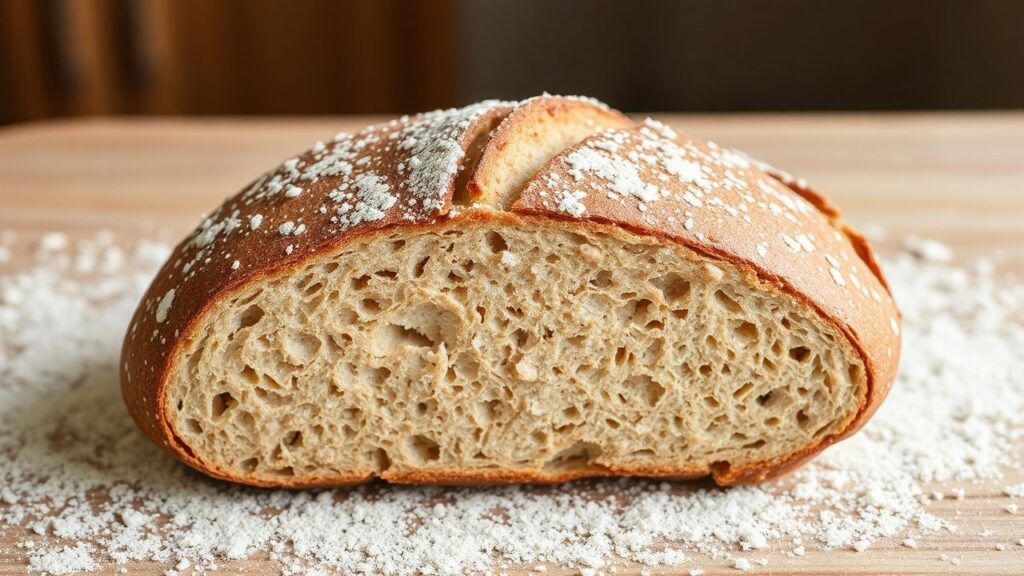
Try thick slices with ricotta, olive tapenade, or smashed avocado plus lemon zest. Add flaky salt and a drizzle of olive oil to highlight the loaf’s golden crust and soft interior.
For pairing ideas around taste and aroma, see flavor. This helps you choose toppings that enhance, not overpower, the grain.
| Nutrient | Per Slice (approx.) |
|---|---|
| Calories | 160 kcal |
| Protein | 6g |
| Carbohydrates | 32g |
| Fat | 1.5g |
Nutrition varies by flour brand, hydration, and slice size. If you track macros, weigh your loaf, calculate total ingredients, and then divide by the number of slices.
For general nutritional context on grains, you can consult whole grain.
FAQ: Single-Grain Einkorn Artisan Loaf
These answers address the most common questions bakers ask when making einkorn dough. Use them to troubleshoot fermentation, shaping, and oven results.
What makes einkorn flour different from modern wheat flour?
Einkorn forms gluten with different strength and elasticity than modern bread wheat. This often creates a softer dough and a tender, sometimes more uneven crumb.
You’ll usually get best results by using stretch and folds and avoiding heavy kneading. For protein background, see protein and how nutrition connects to flour performance.
Why does my einkorn dough feel stickier than expected?
Einkorn flour hydrates differently, and its gluten network holds water in a distinct way. Sticky dough doesn’t mean it’s failing; it often means hydration and folding are working.
Use light flour on your hands and surface during shaping. If it truly pools and won’t hold shape, reduce water by 10–20g in your next batch.
How do I know when bulk fermentation is done?
Bulk is usually ready when dough shows visible rise, increased aeration, and a smoother feel after folds. You should also see bubbles along the dough surface or edges.
Timing varies with room temperature and starter strength. Use dough cues first, then adjust timing next time.
Can I use sourdough starter instead of yeast?
Yes. A mature starter can ferment einkorn dough and add tangy aroma. Use the same ingredient ratios by weight and keep starter active.
If your loaf runs slow, warm the dough slightly. For starter basics, review sourdough for general principles.
Why does my crust not turn deep golden-brown?
Crust color depends on oven heat and baking time with enough surface moisture removal. If your oven runs cool or you bake too briefly uncovered, browning stays pale.
Preheat the Dutch oven longer and bake the lid off until the crust looks dry and crackly. Steam early, then remove the lid to drive browning.
See also: einkorn artisan loaf