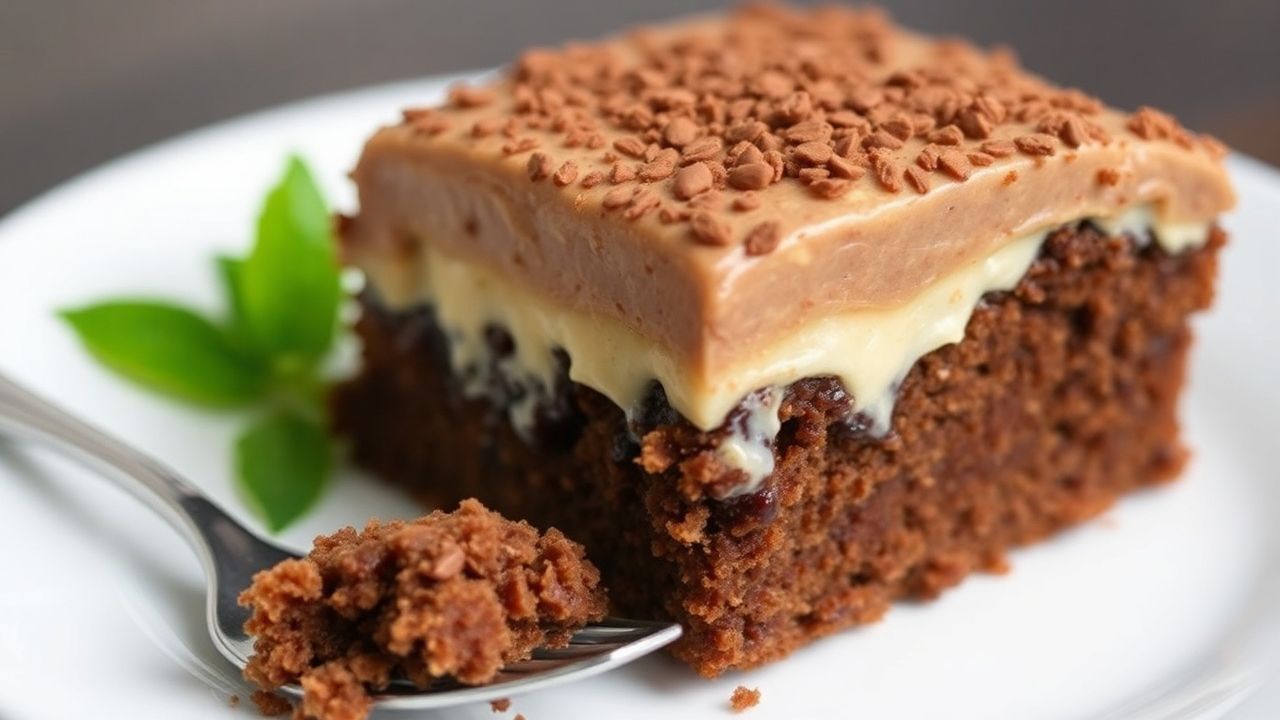
The smell of cinnamon and warm vanilla can turn any morning into a small celebration. This keto coffee cake keeps that cozy bakery vibe while cutting carbs with almond and coconut flours plus low-carb sweeteners. You still get a tender crumb, a buttery cinnamon layer, and a slice that feels truly indulgent.
- Why This Keto Coffee Cake Works (Even Without Wheat Flour)
- At a Glance Recipe Plan (You’ll Be Done Fast)
- Ingredients That Create a Bakery-Style Crumb
- Step-by-Step: Bake a Tender Keto Coffee Cake
- Step 1: Prep the Pan
- Step 2: Mix Dry Ingredients
- Step 3: Mix Wet Ingredients
- Step 4: Combine Wet and Dry (Don’t Overmix)
- Step 5: Layer the Cinnamon Swirl
- Step 6: Bake and Test for Doneness
- Step 7: Cool Before Slicing
- Expert Adjustments for Best Texture
- Nutritional Reality Check (What “Low-Carb” Means Here)
- Make-Ahead, Storage, and Reheating Tips
- Serving Ideas That Match the Flavor Profile
- FAQ
- Fast bake: prep in ~15 minutes, then bake 35–40 minutes.
- Real coffee-cake texture: almond + eggs for structure, coconut for soft tenderness.
- Clear cinnamon ribbon: a thick swirl paste seals inside the cake.
- Moist slice: full-fat dairy supports hydration and flavor.
Why This Keto Coffee Cake Works (Even Without Wheat Flour)
Traditional coffee cake relies on wheat flour to trap gas bubbles and set the crumb. In a low-carb version, you build structure with proteins, fats, and fiber instead. That means you must use the right flour blend and mix with care so the batter bakes evenly.
Almond flour brings protein and natural oils for browning and softness. Coconut flour absorbs moisture quickly, so you need enough liquid and eggs to keep the crumb tender. If you treat coconut flour like wheat flour, your cake can turn dry.
At a Glance Recipe Plan (You’ll Be Done Fast)
This recipe targets a single-pan bake that sets in under an hour. You layer the cinnamon swirl, then bake until the center looks set. Cooling matters because it finishes moisture distribution and makes slicing cleaner.
Follow the timing closely to avoid the most common issue with low-carb bakes: overbaking. Almond and coconut flours brown and dry faster than wheat, so start checking at about minute 30. For a helpful primer on leavening behavior, see baking powder.
Prep, Bake, and Yield
Prep time: 15 minutes
Bake time: 35–40 minutes at 350°F (175°C)
Total time: about 50–55 minutes with cooling
Yield: 8 generous slices (8-inch square pan)
Ingredients That Create a Bakery-Style Crumb
Each ingredient has a job. Almond flour builds crumb and flavor. Coconut flour adds fiber and soaks up excess moisture for a stable slice.
Eggs provide binding and lift. Butter and full-fat yogurt add moisture, fat, and a tender bite. When fat-to-protein balance shifts, keto bakes can swing from crumbly to greasy.
Low-Carb Base
1 1/2 cups almond flour (finely ground works best)
1/4 cup coconut flour
3/4 cup keto-friendly sweetener (granular, cup-for-cup style)
1 1/2 tsp baking powder
1/2 tsp baking soda
1/2 cup unsalted butter (melted)
3 large eggs
1/2 cup full-fat Greek yogurt or full-fat sour cream
1 tsp vanilla extract
1/4 tsp fine salt
Cinnamon Layer (Streusel-Style Swirl)
1/4 cup keto sweetener
1 tbsp almond flour
1 tsp cinnamon
2 tbsp melted butter
That swirl should feel like a thick paste. If it looks runny, it will spread too far and blur the ribbon. For background on cinnamon’s flavor compounds, read cinnamon.
Step-by-Step: Bake a Tender Keto Coffee Cake
Work in order. Small changes—like overmixing or using cold dairy—can affect how almond flour hydrates and sets. This method keeps the batter cohesive and helps the center bake through without turning dry.
Before you start, set eggs and yogurt out so they aren’t icy. Cold dairy can slow batter hydration and delay setting. Meanwhile, preheat fully so the cake rises on schedule.
Step 1: Prep the Pan
Preheat the oven to 350°F (175°C). Grease an 8-inch square pan or line it with parchment.
Parchment reduces sticking and helps you lift slices cleanly. Low-carb cakes can cling as they cool because almond flour lacks wheat’s gluten-based release behavior.
Step 2: Mix Dry Ingredients
Whisk almond flour, coconut flour, sweetener, baking powder, baking soda, cinnamon, and salt until uniform. Break up almond flour clumps so the cake bakes evenly.
Uniform dry mixing prevents streaks of coconut flour that can taste gritty. It also helps leaveners distribute consistently for a more even rise.
Step 3: Mix Wet Ingredients
In a second bowl, whisk eggs, melted butter, yogurt (or sour cream), and vanilla until smooth. The batter should look glossy and cohesive.
If you notice separation, whisk a bit longer. Butter temperature matters because warm melted butter blends better than butter that has cooled into thicker fat layers.
Step 4: Combine Wet and Dry (Don’t Overmix)
Fold dry into wet with a spatula. Stop when you don’t see visible dry spots.
Overmixing can make almond flour cakes tough because you develop structure you don’t want. Let the batter rest for 5 minutes so coconut flour hydrates and thickens the batter to a spreadable consistency.
Step 5: Layer the Cinnamon Swirl
Spread half the batter in the prepared pan. Mix the swirl ingredients into a thick paste, then spoon it over the batter.
Use a spoon to spread gently and leave small gaps if you want a marbled look. Add the remaining batter and smooth the top so the swirl stays sealed inside.
Step 6: Bake and Test for Doneness
Bake for 35–40 minutes until the center looks set and the edges turn golden. Start checking at minute 30, because oven differences can shorten bake time.
To test, insert a toothpick or thin knife near the center. It should come out mostly clean with a few moist crumbs. For more on flour’s role in texture, see flour.
Step 7: Cool Before Slicing
Cool in the pan for 15 minutes, then lift onto a rack. Keto cakes keep baking slightly as they cool, and cutting too soon can create a gummy slice.
Once cooled, slice into 8 pieces with a sharp knife. Wipe the blade between cuts for cleaner edges.
Expert Adjustments for Best Texture
Keto baking often comes down to small adjustments that match your ingredients and your oven. Use these tweaks when batter seems thicker, thinner, or more delicate than expected.
These changes also help if you want a different sweetness level or a more classic “coffee cake” crumb feel. The goal stays consistent: moist, tender, and sliceable.
works best because it corrects batter hydration fast. Coconut flour thickens quickly, so small hydration changes shift scoopability without wrecking structure. Warm additions blend more evenly than cold ones.
Pro-Caution: Don’t Treat It Like a Wheat Cake
If you wait for a bone-dry toothpick, you often get a crumb that tastes chalky. Low-carb bakes keep cooking as they cool, so early removal protects moisture and tenderness.
Next, handle sweeteners thoughtfully. Different sweeteners can affect browning and mouthfeel. Erythritol and monk fruit blends behave differently in the oven, so your swirl may look slightly thicker or spreadier depending on brand.
If you want a deeper view of monk fruit, see monk fruit. This helps you understand why some blends taste cleaner or feel smoother.
Common Ingredient Swaps (That Still Work)
Greek yogurt vs. sour cream: Both work. Yogurt adds a bit more tang and can feel slightly lighter. Sour cream tends to bake very tender and rich.
Butter type: Use unsalted butter for clean flavor. If you use salted butter, reduce the added salt slightly so the cake doesn’t taste sharp.
Sweetener swaps: Use a granular 1:1 substitute when possible. Liquid sweeteners change moisture balance, so you may need to adjust hydration carefully.
Extra flavor: Add 1/2 teaspoon nutmeg or a splash of almond extract for aroma. Keep extracts modest so vanilla still leads.
Nutritional Reality Check (What “Low-Carb” Means Here)
Carb counts in keto baking vary by flour brands, sweetener choice, and slice size. Almond and coconut flours contain different fiber and sugar amounts, so net carb math changes from pantry to pantry.
This recipe keeps carbs low while still tasting rich. It uses a moderate amount of sweetener and relies on eggs and fats for satisfaction. For general context on dietary carbohydrates and fiber, see carbohydrates and fiber.
If you track net carbs, measure slices consistently. A larger slice increases carbs quickly, even when the recipe stays “keto” on paper.
Also remember that fiber content can vary by brand and grind. That’s normal, not a cooking failure.
Make-Ahead, Storage, and Reheating Tips
This keto coffee cake improves after it rests. The crumb firms slightly, and cinnamon flavor spreads more evenly through the cake.
Store slices in an airtight container. Keep at room temperature for up to 2 days, or refrigerate for up to 5 days for best freshness.
Reheat So It Feels Fresh
Warm individual slices for 10–20 seconds in the microwave. Or reheat in a low oven at 300°F (150°C) for 6–8 minutes.
Short heat restores aroma and softens the crumb. Avoid long reheats because almond flour can dry faster with repeated heat exposure.
Freeze for Later
Freeze slices in a freezer-safe bag for up to 2 months. Thaw in the fridge overnight, then warm briefly before serving.
Wrap slices well to prevent freezer odors. When reheated gently, the cake keeps a tender texture.
Serving Ideas That Match the Flavor Profile
This coffee cake pairs naturally with warm drinks and creamy toppings. Cinnamon and vanilla shine when you add fat and a touch of acidity, like fresh cream or yogurt.
If you want a café moment, serve it with a latte made from unsweetened almond milk. For a classic pairing, serve with black coffee and a small pat of butter.
Simple Pairings
Hot coffee: balances sweetness and highlights cinnamon.
Chai-spice tea: adds spice harmony without extra sugar.
Herbal tea: keeps it light for afternoon snacking.
Sugar-free whipped cream: adds a dessert-level finish.
For a bright contrast, add berries on the side. Berries contain natural sugars, so keep portions mindful if you track carbs closely.
If you want more general guidance on food storage and shelf life, you can reference freezing (for storage basics).
FAQ
Is this keto coffee cake truly low-carb?
Yes. It uses almond flour and coconut flour instead of wheat flour and relies on keto-friendly sweeteners. Net carbs still vary by brand and slice size, so check labels and measure slices consistently.
If you prefer accuracy, calculate net carbs per slice using your exact sweetener and flour brands.
Why does my keto cake turn out dry?
Dryness usually comes from overbaking or too much coconut flour. Pull the cake as soon as the center sets and the top turns golden.
Also measure coconut flour carefully. It absorbs liquid fast, so a small measuring error can remove moisture from the crumb.
Can I make it without erythritol?
Yes, but substitution matters. Use a granular 1:1 low-carb sweetener blend designed for baking.
If you swap to a sweetener that doesn’t measure cup-for-cup, sweetness and texture may shift, especially in the cinnamon swirl.
How do I get a better cinnamon swirl?
Make the swirl thick like a paste, then spread batter so it seals around the layer. If the swirl looks runny, it will bleed upward and blur the ribbon.
If it’s too thin, thicken with a little almond flour so it holds shape while baking.
What’s the best pan size?
Use an 8-inch square pan for the right thickness. A larger pan makes the cake thinner and can increase drying.
A smaller pan bakes deeper and can require a few extra minutes in the center.
Can I add nuts to this recipe?
Yes. Fold in 1/2 cup chopped walnuts or pecans for extra crunch. Nuts also increase the cake’s “coffee cake” feel.
Keep portions moderate so the cake still slices cleanly and doesn’t become overly dense.
See also: keto coffee cake