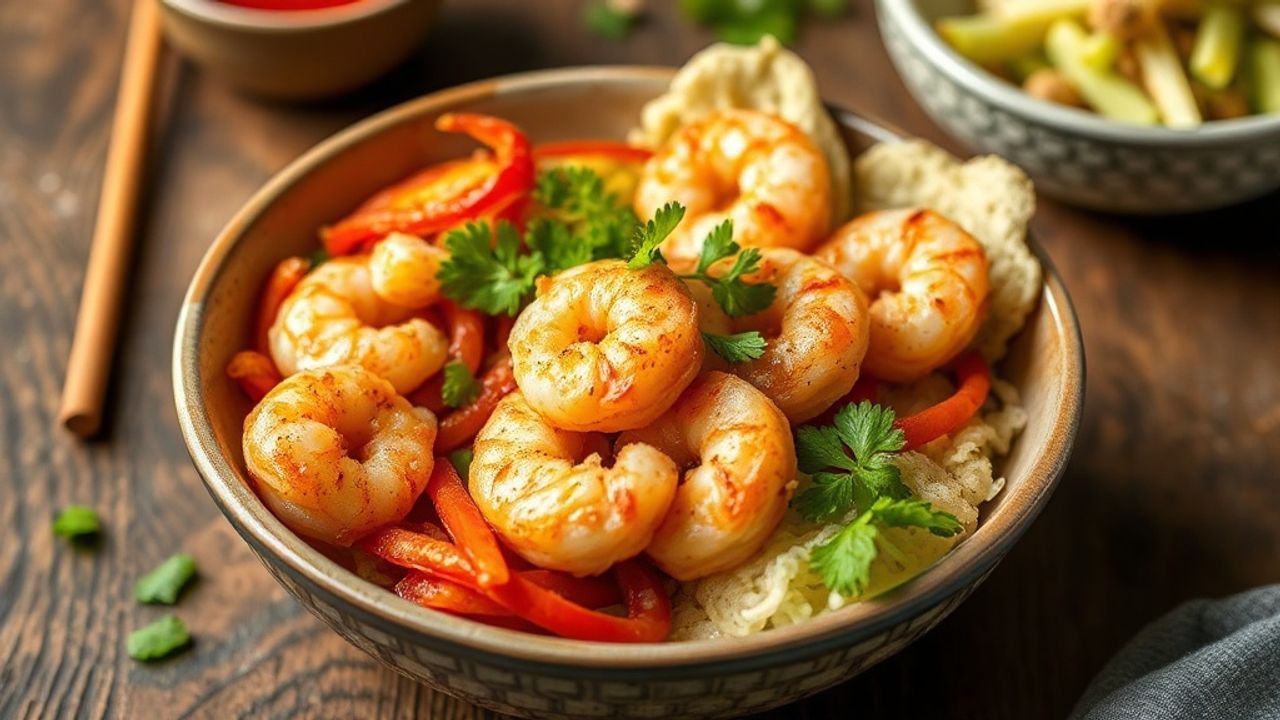
Shrimp Egg Roll in a Bowl keeps all the salty-savory satisfaction of egg roll flavors, but it swaps the wrapper for a crisp, low-carb skillet bowl. You get tender shrimp, quick stir-fry vegetables, and a bold sauce profile that tastes like takeout—minus the heavy carbs.
- Shrimp Egg Roll in a Bowl: What It Is and Why It Works
- Prep and Cook Time, Yield, and Difficulty
- Essential Ingredients for a Flavorful Low-Carb Twist
- Step-by-Step Guide to Cooking Shrimp Egg Roll in a Bowl
- Tips for Success: Chef’s Notes
- Creative Serving Suggestions to Elevate Shrimp Egg Roll in a Bowl
- In Summary
- FAQ
- Low-carb by design: cabbage and aromatics replace the wrapper.
- Fast weeknight build: most bowls come together in about 30 minutes.
- Real flavor layers: garlic, ginger, soy, and sesame create depth.
- Easy to customize: adjust heat and swap vegetables without losing the core taste.
Unlike deep-fried egg rolls, this bowl focuses on texture: you sauté cabbage until it softens but still holds bite. Then you fold in shrimp so it stays juicy and slightly springy. The result feels hearty, even with fewer carbs.
For the best results, treat this like a stir-fry, not a soup. Keep your heat medium-high, move ingredients often, and add sauces at the right moment so they cling instead of steam. If you nail timing, every forkful tastes balanced and clean.
Shrimp Egg Roll in a Bowl: What It Is and Why It Works
Shrimp Egg Roll in a Bowl is a deconstructed egg roll. Instead of rolling filling in wrappers, you cook the filling and serve it straight over vegetables. This approach cuts flour and starch from the process while keeping the classic flavor cues.
Cabbage brings the crunchy base, while onion, garlic, and ginger build the savory foundation. Soy sauce adds umami, and rice vinegar brightens the whole bowl so it never feels heavy. Sesame oil finishes the profile with a nutty aroma that people recognize fast.
If you want deeper flavor control, learn how browning affects taste. Even in a quick skillet, light browning on aromatics and cabbage adds complexity. Keep moving ingredients so the edges toast without burning.
For the shrimp, you need fast cooking and careful timing. Shrimp firms up quickly when heat reaches the protein. Cook until just opaque, then stop; that simple rule prevents rubbery texture.
Prep and Cook Time, Yield, and Difficulty
This is a streamlined recipe built for busy evenings. You prep while the pan heats, then you cook in one pass with a simple order of operations.
- Readiness: 15 minutes
- Cooking: 15 minutes
- Total Time: 30 minutes
Yield: Serves 4 generous bowls. This makes it ideal for weeknight meals and light meal prep. If you store leftovers, reheat gently to protect shrimp texture.
- Difficulty Level: Easy — beginner-friendly
Essential Ingredients for a Flavorful Low-Carb Twist
The ingredient list targets three jobs: protein, crunch, and bold sauce. When you balance those jobs, the bowl tastes complete even without the wrapper.
Core ingredients below keep the flavor close to classic egg roll profiles while staying low-carb. You can swap within limits, but start with these so the sauce ratio makes sense.
Protein and Vegetables
- 1 lb raw shrimp, peeled and deveined, chopped into bite-sized pieces
- 4 cups green cabbage, finely shredded
- 1 cup carrot, julienned or grated (optional for minimal carbs)
- 1 small yellow onion, finely diced
- 3 cloves garlic, minced
- 1 tablespoon fresh ginger, grated
- 2 green onions, sliced thin for garnish
Egg Roll-Style Sauce and Seasonings
- 2 tablespoons avocado oil (or another high-heat oil)
- 3 tablespoons soy sauce (or tamari for gluten-free)
- 1 tablespoon rice vinegar
- 1 teaspoon toasted sesame oil
- 1 teaspoon red pepper flakes (adjust to taste)
- Salt and freshly ground black pepper to taste
- Optional: sesame seeds and fresh cilantro leaves for garnish
To understand why these flavors match egg roll expectations, note how umami from soy helps the dish taste “complete.” Vinegar then cuts through richness and keeps the palate awake.
If you prefer a gluten-free direction, choose tamari. Then taste once and adjust salt. Soy and tamari vary in salinity, so small changes matter.
Step-by-Step Guide to Cooking Shrimp Egg Roll in a Bowl
Follow this order for the best texture. First, sauté aromatics, then cook shrimp briefly, then stir-fry cabbage, and finally combine with sauce. This prevents overcooked shrimp and steamed cabbage.
Work with a large skillet or wok. Wide surface area helps moisture evaporate so cabbage browns instead of turning soft and watery.
- Prepare the shrimp: Pat shrimp dry, then chop into bite-sized pieces. Dry shrimp sears better and stays tender.
- Sauté aromatics: Heat avocado oil over medium-high heat. Add diced onion, minced garlic, and grated ginger. Stir for about 2–3 minutes until fragrant and lightly translucent.
- Cook the shrimp: Add shrimp and cook 3–4 minutes, until opaque and just curled. Remove shrimp to a plate immediately to avoid overcooking.
- Build the veggie base: Add shredded cabbage and carrot (if using). Stir-fry 5–7 minutes until cabbage softens but keeps a slight crunch.
- Combine flavors: Return shrimp to the pan. Pour in soy sauce, rice vinegar, and toasted sesame oil. Sprinkle red pepper flakes, then stir 2 minutes until everything heats through.
- Final seasoning: Taste and adjust with salt, pepper, or an extra splash of soy for boldness.
- Garnish and serve: Serve immediately with sliced green onions, optional sesame seeds, and cilantro. Serve right away for peak crunch.
For a quick refresher on cook timing, remember that shrimp protein sets fast. That’s why removal after searing works so well. You keep the shrimp’s moisture inside instead of drying it out.
Also, add sesame oil near the end. High heat can mute its aroma. This small move keeps the bowl smelling like classic Asian-inspired takeout.
Tips for Success: Chef’s Notes
These notes help you nail flavor consistency, even when shrimp sizes vary or cabbage thickness differs. Stir-fry recipes reward attention to small details.
Start with fresh aromatics and dry shrimp, then adjust sauce after tasting. Soy and vinegar levels decide whether the bowl tastes bright or flat.
- Freshness counts: Use fresh shrimp or properly thawed frozen shrimp. Pat dry to improve sear.
- Vegetable twists: Add snap peas or finely chopped bell pepper for extra color and crunch.
- Control the heat: Adjust red pepper flakes or add fresh chili slices.
- Make ahead: Store shrimp and veggie base separately if possible, then combine right before serving.
- Use a wok or large skillet: Spread ingredients for faster moisture loss and better browning.
One more control point: cabbage moisture. If your cabbage releases liquid, keep heat on and stir more often. You want to evaporate that water so the bowl tastes stir-fried, not boiled.
Creative Serving Suggestions to Elevate Shrimp Egg Roll in a Bowl
Serve this bowl in ways that highlight crunch and contrast. A simple topping plan boosts texture without adding carbs or complexity.
Try cauliflower rice or spiralized zucchini noodles as a low-carb base. Then add crunchy toppings to mimic the satisfying bite you get from fried wrappers.
Low-Carb Bases
Cauliflower rice soaks up sauce without turning mushy when you reheat correctly. Zucchini noodles bring freshness and a lighter mouthfeel that balances the salty sauce.
If you love classic sides, pair it with a quick cucumber salad dressed in rice vinegar and sesame oil. The acidity makes the shrimp bowl taste brighter with each bite.
Crunch and Aroma Toppings
Top with toasted sesame seeds, sliced green onions, or crushed peanuts. These add fat and aroma, which help the dish feel richer and more “takeout.”
For herbs, add fresh cilantro or Thai basil at the end. Fresh leaves don’t need heat, and that keeps their flavor crisp instead of muted.
To fine-tune crunch, learn about texture science in food. Heat controls moisture, and moisture controls crunch. Keep the cabbage sautéed and the toppings dry until serving.
| Nutrient | Per Serving (1 bowl) |
|---|---|
| Calories | 280 |
| Protein | 34g |
| Carbohydrates | 8g |
| Fat | 9g |
In Summary
Shrimp Egg Roll in a Bowl delivers the flavor DNA of classic egg rolls—garlic, ginger, soy, and sesame—while keeping carbs low through a cabbage-forward filling. It works because the recipe targets texture (crunch), timing (quick shrimp cook), and seasoning (balanced salty and bright).
When you follow the sauté order and serve immediately, the bowl tastes fresh instead of soggy. This is a strong option for keto-friendly meals, protein-focused dinners, and anyone who wants takeout energy without the wrapper.
If you’re improving low-carb stir-fries, revisit the basics of stir-fry technique. High heat and fast cooking help ingredients brown and stay distinct, which is exactly what this dish needs.
FAQ
What exactly is Shrimp Egg Roll in a Bowl?
It’s a deconstructed egg roll. The shrimp and seasoned cabbage fill the role of the classic filling, but you skip the wrapper and serve everything in a bowl.
How does this dish stay low-carb without losing flavor?
It uses cabbage and aromatics for structure and replaces wrapper starch with stir-fried vegetables. Soy sauce, ginger, garlic, rice vinegar, and sesame oil deliver the bold, savory flavor that people expect from egg rolls.
Can I make Shrimp Egg Roll in a Bowl ahead of time?
Yes, but store components separately if you can. Keep shrimp and veggie base apart until serving to preserve the best texture, especially if you plan to reheat.
How do I keep shrimp juicy and tender?
Cook shrimp briefly until just opaque, then remove it. Shrimp continues to firm after heat, so overcooking is the main cause of rubbery texture.
What vegetables can I add or swap?
You can add snap peas, bell pepper, or mushrooms. Keep pieces small for even cooking, and aim to sauté until tender-crisp so the bowl still feels “egg roll crunchy.”
See also: Shrimp Egg Roll