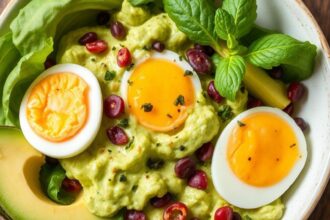



Savory umami oatmeal turns a plain breakfast into something warm, hearty, and seriously satisfying. You get creamy oats, browned mushrooms, and a soy sauce finish that tastes deep instead of salty.
- Why Savory Oatmeal Hits Different
- The Umami Build: Mushrooms First, Soy Sauce Last
- Ingredients That Matter (and Simple Substitutions)
- Step-by-Step Recipe (30 Minutes)
- Flavor Tuning: Get Salt, Aroma, and Balance Right
- Texture and Technique Tips (So It Stays Creamy)
- Serve It Like a Bowl Meal
- Nutritional Snapshot (Per Serving)
- FAQ
At a Glance
- Flavor: mushrooms deliver earthy umami; soy sauce adds fermented depth.
- Texture: browned mushroom edges + creamy oats = contrast in every bite.
- Method: brown mushrooms first, then cook oats, then finish with soy sauce.
- Control: add soy sauce gradually and taste at the end.
Sweet oatmeal gets attention, but it often feels one-note. This bowl feels more complete—like a cozy bowl meal—because the flavor builds in steps. First you create aroma, then you create creaminess, then you lock in umami.
Why Savory Oatmeal Hits Different
Oats carry flavor well, but they need help to feel savory and not bland. When you cook oats with a flavorful liquid and then add umami late, the bowl tastes richer without getting heavy.
Mushrooms bring naturally savory compounds and strong aroma after browning. Soy sauce adds additional savory notes tied to fermentation, which makes the overall taste feel “rounded” and lingering.
If you want the chemistry in simple terms, browning creates new flavor molecules. Soy sauce also contains compounds that our taste system reads as savory, especially when paired with browned ingredients. You can read more about this process in Maillard reaction.
For broader background on the concept, see umami. Umami doesn’t taste like one flavor. It tastes like more depth, more fullness, and more satisfaction.
The Umami Build: Mushrooms First, Soy Sauce Last
The biggest improvement comes from the order you cook things. Mushrooms taste best after you brown them, because browning concentrates aroma and flavor. Oats taste best when you keep the finish seasoning for the final minutes.
Start by sautéing mushrooms until they develop golden edges. Then cook the oats until they turn creamy. Only then add soy sauce, sesame oil, and pepper so they stay bright instead of dull.
How to Brown Mushrooms for Real Flavor
Most people stir mushrooms too much and cook them in a crowded pan. That traps steam, so you end up with soft mushrooms that taste less complex. Instead, let them sit briefly so moisture can cook off.
Use enough heat to drive off water, and leave space between slices. You’ll notice the change: they go from pale and watery to glossy, browned, and fragrant.
Different mushrooms brown differently. Cremini tends to brown easily and tastes “meaty” even though it’s plant-based. Shiitake brings a woodsy aroma that makes the bowl feel more restaurant-like. For general species info, review mushrooms.
Why Finishing with Soy Sauce Works
Soy sauce has strong aroma and salty depth. If you simmer it too long, you can dull the aroma and make the taste feel flatter. Finishing helps you keep that “lift.”
Also, oats absorb liquid quickly. If you add soy sauce early, you lose control over salt intensity. When you add it near the end, you can taste and adjust without guessing.
For context on fermentation and flavor formation, see soy sauce. Fermented ingredients contribute to savory perception in ways that work especially well with browned foods.
Ingredients That Matter (and Simple Substitutions)
This bowl uses a short ingredient list, but each item has a job. Oats create the creamy body. Mushrooms create the umami texture. Soy sauce and sesame oil create the final savor and aroma.
Below is a practical setup for two hearty servings. You can scale up easily, and you can swap ingredients based on your diet.
Core Ingredients
Rolled oats: best for creamy texture in about 10–12 minutes. Old-fashioned oats also work well. Steel-cut oats take longer.
Mushrooms: mix cremini and shiitake for a balanced profile. Add porcini if you want a deeper aroma.
Liquid Base: Broth vs. Water
Vegetable broth adds depth from the start. Choose low-sodium if you want better salt control. If you use regular broth, reduce soy sauce slightly.
Use water only if you compensate later with additional umami sources. Broth makes the process easier and the result more consistent.
For nutrition context on plant-based liquids, you can explore vegetarian diet as a starting point, though this recipe fits multiple diets.
Soy Sauce Choice
Light soy sauce tastes clean and savory. Tamari works well for gluten-free diets, because many tamari products are naturally gluten-free. Either way, add gradually.
To understand why soy sauce tastes so “full,” revisit fermentation. Fermentation helps form flavor compounds that pair naturally with browned vegetables.
Step-by-Step Recipe (30 Minutes)
This method keeps texture clean and flavor bold. You’ll sauté mushrooms, simmer oats, then finish with soy sauce and aromatic oil.
Read the steps once, prep everything, and then cook. That small habit speeds up the process and improves consistency.
Prep and Cook Time
Total time: about 30 minutes.
Readiness: ~10 minutes for setup.
Servings
This recipe makes 2 hearty servings. If you meal prep, cool quickly and reheat with a splash of broth.
Oats thicken as they cool. Reheat gently and stir to loosen them.
Ingredients
1 cup rolled oats
2 cups vegetable broth (low-sodium recommended)
1 cup shiitake mushrooms, stemmed and sliced
1 cup cremini mushrooms, sliced
1 tbsp soy sauce (light or tamari for gluten-free)
1 tsp toasted sesame oil
1 clove garlic, finely minced
1/2 tsp freshly ground black pepper
1 tbsp olive oil or neutral oil for sautéing
Green onions for garnish
Optional: 1 tsp dried mushroom powder for extra umami.
Instructions
1) Heat oil in a medium skillet over medium-high heat. Add garlic and sauté 30 seconds, until fragrant.
2) Add shiitake and cremini. Cook 6–7 minutes, stirring occasionally, until mushrooms turn golden and moisture cooks off.
3) While mushrooms cook, bring the vegetable broth to a gentle boil in a saucepan. Stir in oats and reduce to a steady simmer.
4) Cook oats 10–12 minutes, stirring often, until creamy and tender. Adjust heat if it bubbles too fast.
5) When oats finish cooking, stir in soy sauce, sesame oil, and black pepper. Add dried mushroom powder now if using. Taste and adjust carefully.
6) Fold in sautéed mushrooms (reserve a handful for topping). Divide into bowls and finish with green onions and the reserved mushrooms.
Flavor Tuning: Get Salt, Aroma, and Balance Right
Umami bowls fail most often for two reasons: oversalting or underbrowning. The cure is simple—brown properly and season gradually.
Oats also change after a minute. As the bowl rests, it can taste slightly more concentrated, especially if you used regular broth.
How Much Soy Sauce Should You Use?
Start with 1 tablespoon for two servings. If you use low-sodium broth, that amount usually hits a sweet spot. If your broth is already salty, use 1 to 2 teaspoons instead.
Stir soy sauce in after the oats finish. Then taste, adjust in small increments, and stop once the flavor feels complete.
Sesame Oil Timing
Toasted sesame oil brings aroma more than power. If you add it too early, you can lose some fragrance. Finish with it at the end so it stays nutty and fragrant.
Use only a teaspoon. Too much sesame oil can overpower the mushroom flavor and make the bowl feel heavy.
Pepper, Garlic, and Optional Heat
Black pepper adds warmth and slightly sharp edge. Garlic adds savory depth, but it should not taste raw. Sauté it briefly before mushrooms go in.
If you want heat, consider a drizzle of chili oil on top. Keep heat as a garnish so it stays fresh and doesn’t muddy the oatmeal’s creaminess.
Texture and Technique Tips (So It Stays Creamy)
Texture matters as much as taste. The goal is creamy oats with visible mushroom texture, not a mushy mix.
Follow these technique rules and your bowl will stay balanced.
Prevent Stickiness and Over-Thickening
Stir oats frequently during simmering. Oats thicken as starches hydrate, and stirring helps you avoid clumps. If the pot looks too dry, add a few tablespoons of broth or water.
When you fold in mushrooms, stir just enough to distribute. You don’t need to break down the mushrooms.
Meal Prep Without Losing Quality
If you make this ahead, store cooled oatmeal in a sealed container. Refrigerate promptly. Oats will thicken in the fridge, so reheat with a splash of broth.
Reheat gently on the stove or microwave, then stir and adjust with a small extra pinch of soy sauce if needed.
Serve It Like a Bowl Meal
This oatmeal works as a full meal. You can keep it simple with garnish, or you can add sides that balance richness and add crunch.
Think freshness and contrast. Warm oatmeal benefits from something bright.
Easy Toppings
Green onions: mild bite and fresh color.
Sesame seeds: toasty crunch.
Optional Add-Ins
Stir in baby spinach right before serving. Heat it for 30–60 seconds until wilted. This adds color and mild vegetal sweetness.
If you eat eggs, a soft-boiled egg makes the bowl extra satisfying. Keep toppings minimal so the oats stay the center.
Nutritional Snapshot (Per Serving)
This bowl is filling because oats provide complex carbs and a creamy base, while mushrooms add volume and savory complexity. Soy sauce and sesame oil add flavor without a large amount of bulk.
Exact values vary by brand and portion sizes, but a typical serving lands around the numbers below.
Calories: ~310 kcal
Protein: ~10 g
Carbohydrates: ~45 g
Fat: ~7 g
FAQ
Why does soy sauce taste better when I add it at the end?
Soy sauce has a strong aroma and salty depth. Finishing with it near the end keeps aroma brighter and helps you control salt, because oats continue to absorb flavor as they simmer.
It also gives you a clearer taste baseline. Once oats turn tender, you can adjust in small steps without overdoing it.
Can I use steel-cut oats instead of rolled oats?
Yes, but steel-cut oats take longer to soften and become creamy. Plan extra time and more stirring, and simmer until tender before adding soy sauce.
You may need slightly more liquid since steel-cut oats absorb more water during cooking.
What mushrooms give the strongest umami?
Shiitake often delivers strong savory aroma. Cremini provides reliable browning and a meaty bite. If you use porcini, use a small amount for richness rather than volume.
A mix usually tastes more complex than a single mushroom type.
Is this recipe vegan?
It can be fully vegan if you use vegetable broth and choose soy sauce or tamari that fits your dietary needs. Skip any optional non-vegan toppings like dairy-based garnishes.
You can keep it satisfying with mushrooms, sesame oil, and a bright topping like green onions.
How do I keep the bowl from turning too salty?
Use low-sodium broth when possible. Then add soy sauce gradually at the end, taste, and adjust in tiny increments.
Remember that salt can seem stronger after the oatmeal thickens. Give it 30–60 seconds after adjusting, then decide if you need more.
See also: umami oatmeal