
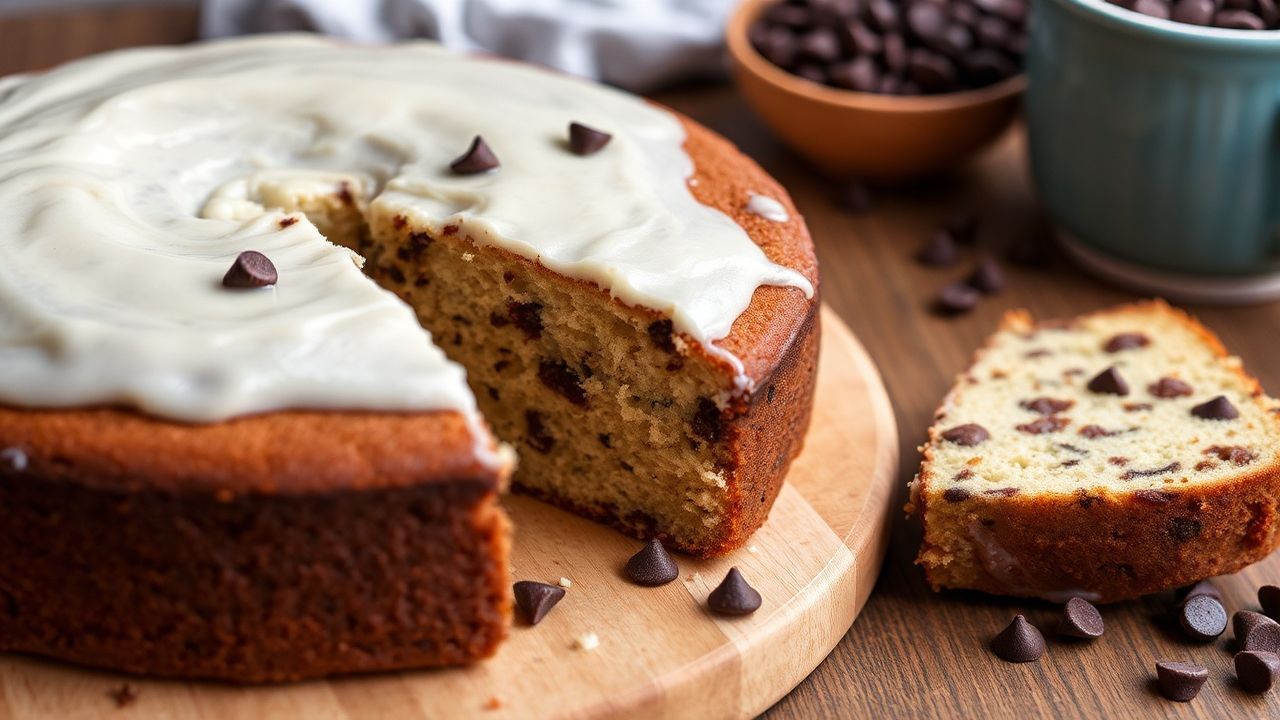
Few desserts feel as familiar and satisfying as a chocolate chip pound cake. This classic loaf delivers a dense, buttery crumb and steady pockets of melted chocolate in every slice.
- Classic Chocolate Chip Pound Cake Texture
- Step-by-Step Guide to Bake Moist, Rich Chocolate Chip Pound Cake
- Expert Tips for Serving and Presentation
- Chef’s Notes for Consistent Results
- Q&A
- What makes a chocolate chip pound cake so dense and tender?
- Why do chocolate chips sink, and how do I stop it?
- How do I know the cake is done without drying it out?
- Can I use dark or milk chocolate chips?
- What’s the best way to slice and store chocolate chip pound cake?
- FAQ
It’s the kind of baking that rewards simple technique: proper creaming, gentle mixing, and patient cooling. As the cake rests, the flavors meld and the texture sets into that signature pound-cake richness.
At a Glance
- Best texture comes from creaming butter and sugar until fluffy.
- Prevent sinking by folding in chips gently and using a thicker batter.
- Don’t overbake; a toothpick with a few moist crumbs keeps the crumb tender.
- Cool fully before slicing for clean, even slices.
Classic Chocolate Chip Pound Cake Texture
A pound cake gets its signature feel from a higher proportion of fat and eggs, which creates a rich, moist crumb. Chocolate chips add contrast: they melt and then set, leaving pockets that taste sweet, chocolaty, and slightly fudgy.
To understand the structure, think about how proteins in flour and egg help the batter set as it bakes. For the science of flour and gluten development, see gluten. For the role of fats in tenderness, the general chemistry behind butter is also useful via butter.
Start with correct mixing: aeration from creaming, then minimal flour contact after you combine dry ingredients. That balance keeps the cake dense in a good way, not tough.
When you fold in chocolate chips, mix just until coated and evenly distributed. That simple step protects the batter from deflating, so your pound cake stays thick and sliceable.
Choosing the Finest Ingredients for a Rich Flavor
Use unsalted butter for control. Room-temperature butter creams more evenly, trapping air that later expands in the oven for a tender crumb.
For ingredient background, granulated sugar helps explain why sugar supports creaming and moisture retention. Eggs contribute both structure and emulsification; see egg for an overview of how eggs function in baking.
- Unsalted butter (room temperature): creamy base for a moist crumb.
- Granulated sugar: supports creaming and a lightly caramelized top.
- Large eggs: structure and moisture, plus a stable emulsion.
- All-purpose flour (sifted): tender crumb with fewer lumps.
- Baking powder: subtle lift while keeping the classic dense bite.
- Pure vanilla extract: aromatic warmth that matches chocolate.
- Semi-sweet chocolate chips: balanced sweetness with deep cocoa notes.
Prep and Cook Time
Plan ahead so you can measure precisely and let the batter rest for a clean bake. Cooling time matters as much as baking time for proper slicing.
- Preparation: 20 minutes
- Baking: 60-70 minutes
- Cooling: 20 minutes (then fully cool for slicing)
Yield and Difficulty
This recipe yields a loaf with enough slices for sharing, especially for brunch or dessert buffets. The crumb stays rich even after storage.
- Servings: 10 generous slices
- Difficulty Level: Intermediate (mixing technique and timing control)
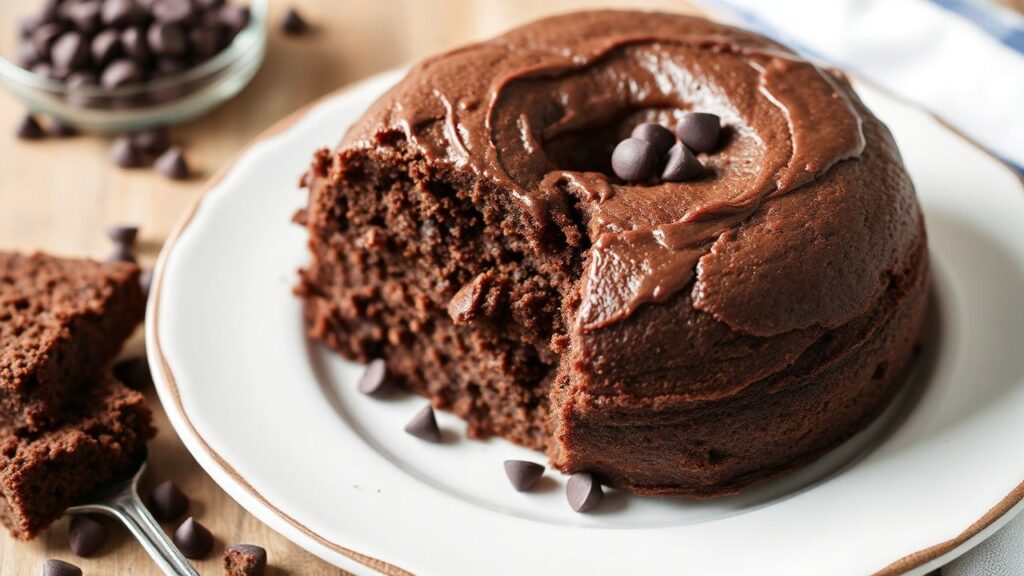
Step-by-Step Guide to Bake Moist, Rich Chocolate Chip Pound Cake
Follow these steps in order. Each one affects crumb, moisture, and how well the chips stay suspended while baking.
Use an oven thermometer if you bake often. Pound cakes can overbrown fast when ovens run hot, even if your timer feels accurate.
- Preheat your oven to 325°F (163°C). Grease and line a 9×5-inch loaf pan with parchment for easy release.
- Cream butter and sugar until light and fluffy, about 4-5 minutes with a stand mixer on medium. Scrape the bowl once so butter blends evenly.
- Beat in eggs one at a time. Mix fully after each addition. This keeps the batter smooth and prevents curdling.
- Mix in vanilla for aroma. Keep mixing short so you don’t overwork the fat and egg emulsion.
- Combine dry ingredients in a separate bowl, then sift if needed. This reduces flour lumps and helps even baking.
- Fold dry into wet using a rubber spatula. Mix gently until you don’t see dry flour. Overmixing can toughen the crumb.
- Fold in chocolate chips carefully. If chips tend to sink, toss them with 1-2 teaspoons of flour before folding.
- Fill the pan and smooth the top. Tap the pan lightly to settle large air pockets.
- Bake 60-70 minutes until a toothpick near the center comes out with a few moist crumbs. Avoid a fully dry toothpick.
- Cool 15-20 minutes in the pan, then move to a rack. For best slices, cool fully before cutting.
Moisture retention depends on timing. The loaf continues to set as it cools, so you want it baked through but still tender in the center.
If your chips look pale after baking, give the loaf a full cooling window. Chocolate sets more evenly as the cake temperature drops.
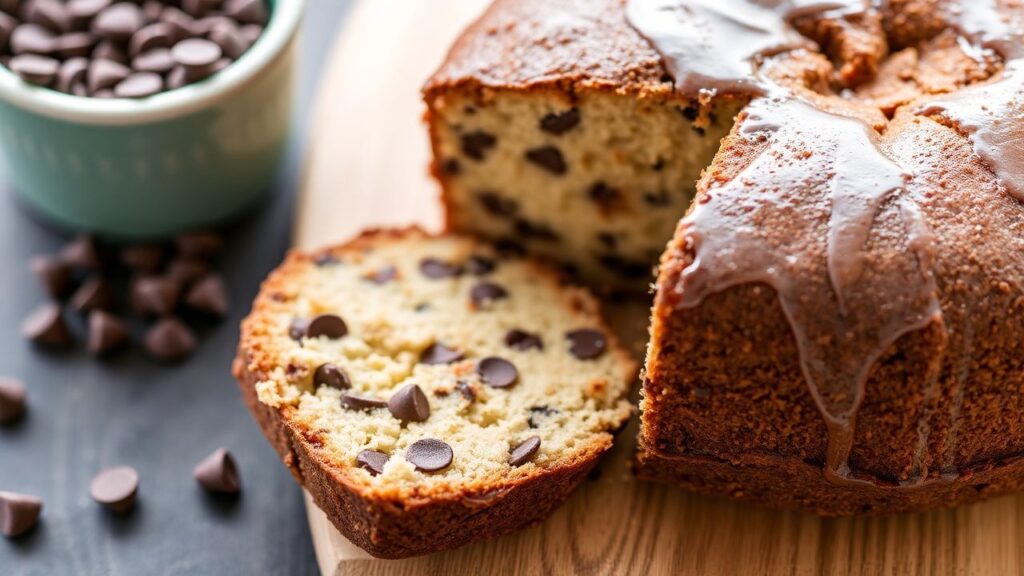
Expert Tips for Serving and Presentation
Serving matters because pound cake holds flavor and moisture well, especially when it’s rested. Small presentation upgrades make it feel bakery-fresh.
Keep garnishes minimal so the chocolate pockets stay the star. A dusting of sugar or a simple drizzle gives height without overpowering the crumb.
- Powdered sugar finish: quick, classic, and high-contrast on the loaf.
- Dark chocolate drizzle: add sheen and reinforce the chocolate flavor.
- Serve warm slices with vanilla ice cream or softly whipped cream.
- Add berries like raspberries to balance sweetness with acidity.
- Pair for brunch with chai or coffee for a warm spice-and-cocoa match.
If you want a clean slice for photos, use a sharp knife and wipe it between cuts. Heat from the blade can smudge chocolate pockets if you slice too hot.
To learn more about baking temperatures and how heat transfers through food, review baking. It helps you understand why cooling affects texture stability.
Chef’s Notes for Consistent Results
These notes solve the most common problems: dense-but-tough crumb, chips that sink, and dryness from overbaking.
Work with room-temperature ingredients and measure accurately. Pound cake tolerates slight variation, but technique still drives the final texture.
- Butter temperature matters: softened butter creams best. If it’s greasy, creaming won’t hold air.
- Eggs should be room temperature: they emulsify more smoothly into the butter-sugar mixture.
- Stick with chips for even pockets: chunks can bake differently and create uneven melting.
- Don’t open the oven early: quick temperature drops can affect rise and set.
- Make ahead: wrap cooled slices and refrigerate if you want firmer texture, or freeze for longer storage.
For storage basics and moisture control, general food storage guidance can help. See food storage for an overview of safe keeping practices.
Q&A
What makes a chocolate chip pound cake so dense and tender?
Pound cakes rely on fat and eggs to create a moist crumb. Proper creaming adds air, while gentle mixing limits excess gluten development so the cake stays tender instead of chewy.
Chocolate chips then set inside that crumb, creating sweet pockets without changing the overall structure.
Why do chocolate chips sink, and how do I stop it?
Chips sink when the batter is too thin or when you overmix and break the emulsion. They also sink if the batter can’t “hold” chips as it thickens during baking.
Toss chips with a small amount of flour, fold gently, and bake at the right temperature so the center sets on time.
How do I know the cake is done without drying it out?
Use the toothpick test near the center. Aim for a toothpick with a few moist crumbs, not raw batter and not totally dry crumbs.
Because the cake continues to set as it cools, removing it slightly early often gives the best moist slice.
Can I use dark or milk chocolate chips?
Yes. Dark chips add more cocoa intensity, while milk chips taste sweeter and more caramel-like. Your crumb won’t change much if you keep the same chip weight and follow the same mixing steps.
Just taste the batter with a tiny spoon to judge sweetness before baking.
What’s the best way to slice and store chocolate chip pound cake?
Slice only after the loaf cools fully. A warm cake can tear and smudge chocolate pockets.
Wrap tightly once cool. For longer storage, freeze in portions so you can thaw slices as needed.
FAQ
What pan size works best for this recipe?
A 9×5-inch loaf pan gives classic height and even baking. If you use a different pan size, reduce or increase bake time to match the center doneness.
Grease thoroughly and line with parchment so you can lift the loaf without damaging the crumb.
Can I bake this pound cake ahead of time for an event?
Yes. Pound cake tastes even better after resting because moisture redistributes and flavors smooth out.
Store wrapped at room temperature for short periods, then refrigerate or freeze if you need more time.
How should I reheat leftover slices?
Warm slices gently in the oven or toaster oven at low heat until just soft. High heat can dry the crumb.
For microwave reheating, use short intervals and let the slice rest for a minute.
Can I substitute flour or adjust the sweetness?
You can experiment, but texture depends on flour protein and baking behavior. For best results, keep changes small and test one loaf first.
If you reduce sugar significantly, expect a slightly less tender crumb and a different browning level.
Is this cake suitable for freezing?
Yes. Wrap slices well to prevent freezer moisture loss and flavor changes. Thaw in the fridge overnight for the most even texture.
Frozen cake often tastes great with a fresh powdered sugar dusting or a light drizzle.
Chocolate chip pound cake stays classic for a reason. It delivers that steady butter richness, then finishes with sweet chocolate pockets that feel comforting with coffee or tea. Bake it once, rest it well, slice it clean, and you’ll have a reliable dessert for every season.
See also: Chocolate chip