
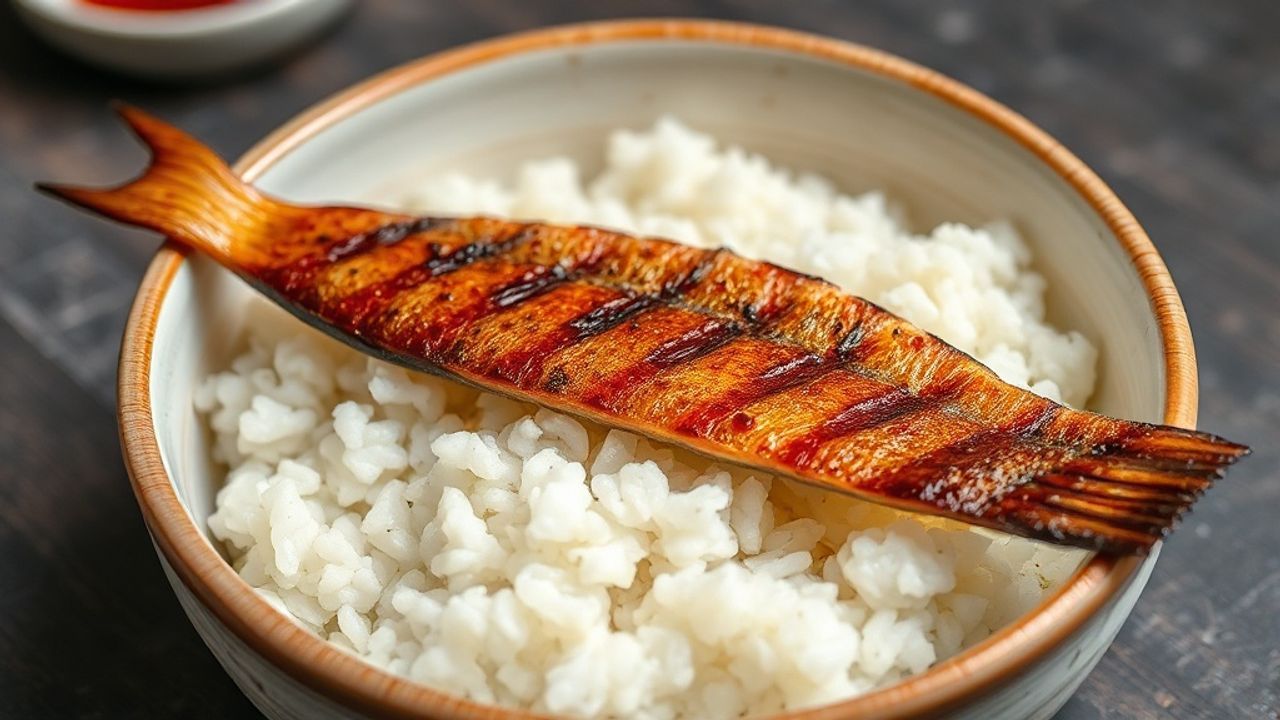
Grilled eel over steaming Japanese rice is a study in balance: smoky, caramelized protein paired with neutral, fluffy grains. This combination—rooted in techniques like kabayaki and careful rice preparation—rewards precision and respect for ingredients.
- Preparation and Cook Time for Grilled Eel
- Ingredients: Grilled Eel, Marinade, and Rice
- Instructions: Grill the Eel and Perfect the Rice
- Techniques and Timing for the Best Grilled Eel
- Tips for Success with Grilled Eel
- Serving Grilled Eel: Presentation and Pairings
- Nutritional Considerations
- Sources and Context
- FAQ
- At a glance: Grilled eel thrives on quality, controlled heat, and a glossy tare glaze.
- Rice matters: Short-grain rice, rinsed and rested, soaks up sauce without collapsing.
- Timing: Grill briefly, baste repeatedly, and serve immediately for best texture.
Preparation and Cook Time for Grilled Eel
Preparation for a grilled eel meal requires staging: sauce, eel, and rice each need dedicated time. Plan 30 minutes for mise en place and 15–20 minutes for active cooking to maintain peak temperature and texture.
Preheat the grill or broiler so the surface is hot and ready. A hot surface promotes quick caramelization without prolonged exposure to heat, which preserves the eel’s moisture.
Ingredients: Grilled Eel, Marinade, and Rice
Use high-quality eel fillets labeled unagi when possible; the flesh should be firm, glossy, and free of strong off-odors. For authentic flavor, prepare a tare (kabayaki) sauce with soy, mirin, sake, and sugar to build layered sweetness and umami.
Choose Japanese short-grain rice and rinse until the water runs clear to remove excess surface starch. That rinsing ensures the rice remains slightly sticky yet distinct, the ideal partner for grilled eel.
Instructions: Grill the Eel and Perfect the Rice
Start the rice first: rinse, soak 20–30 minutes, then cook using the absorption method for even texture. Let the cooked rice steam off-heat for 10 minutes before fluffing; this step produces the subtle resilience that catches the tare without becoming mushy.
Meanwhile, make the sauce and prepare the eel: brush fillets lightly before the first sear, then baste repeatedly as you grill. Short bursts over high heat build caramelization while minimizing moisture loss in the flesh.
Make the Kabayaki Sauce
Combine soy sauce, mirin, sake, and sugar in a small saucepan and reduce until slightly thickened. Maintain a gentle simmer and stir constantly to prevent burning and to dissolve the sugar fully, producing a glossy finish for the eel.
Cool the sauce to room temperature before using it to baste; warm sauce can thin quickly under heat, while a slightly cooled glaze clings better and creates layers of sheen with each application.
Cook the Rice
Rinse rice until clear, soak for 20–30 minutes, then bring to a boil and simmer covered on low for 12–15 minutes. Use the rice-to-water ratio recommended for your rice variety; small adjustments influence firmness and absorbency.
After cooking, let rice rest covered off-heat for 10 minutes. Fluff gently with a paddle to separate grains while preserving warmth—this keeps the rice ready to receive sauce from the grilled eel without turning soggy.
Techniques and Timing for the Best Grilled Eel
Grill skin-side down first to render fat and protect the flesh from the direct flame. Keep searing intervals short—typically 3–6 minutes per side—depending on fillet thickness and grill heat.
Baste with tare in two or three short applications rather than a single heavy coat. Each pass caramelizes into a thin, flavorful layer; multiple passes build a deep, non-sticky glaze that defines classic grilled eel.
Tips for Success with Grilled Eel
Quality control matters: inspect fillets for even thickness and remove stray bones before cooking. Uniform pieces cook predictably and require less corrective technique at the grill.
Adjust sugar and salt in the tare to suit your preference; traditional preparations swing toward sweet-salty balance. Taste the cooled sauce and tweak before applying it to the eel to prevent over-seasoning during grilling.
When grilling indoors, position fillets under a hot broiler for quick caramelization and move them away from the heat to finish. This mimics the two-zone technique and offers consistent results without a charcoal grill.
Serving Grilled Eel: Presentation and Pairings
Serve grilled eel immediately on a bed of steaming rice to capture aroma and texture at their peak. Brush a final thin layer of tare just before plating for an attractive sheen and integrated flavor.
Complement with simple sides that cleanse the palate—light pickles, a clear miso soup, or steamed greens. These elements balance the eel’s richness and keep the meal focused on the harmony between fish and rice.
Nutritional Considerations
Grilled eel provides concentrated protein and healthy fats, notably omega-3 fatty acids, which support cardiovascular health when consumed as part of a balanced diet. Rice contributes carbohydrate energy and is easily portioned to control caloric intake.
To manage overall meal balance, pair a moderate eel portion with a larger proportion of rice and a side of vegetables. This approach moderates fat density while maintaining the dish’s traditional proportions.
Sources and Context
For cultural context, study unagi and the seasonal traditions that surround eel consumption. Understanding customs clarifies why preparation and presentation matter for this dish.
Review technique entries such as kabayaki for the history of tare-based glazing, and consult the general rice article for grain selection and regional cooking methods. For side dishes, reference miso to pair appropriate soups and seasonings.
FAQ
How long should I grill eel to keep it moist?
Grill fillets briefly over high heat—about 3–6 minutes per side depending on thickness. Use repeated light basting instead of long exposure to maintain moisture while building a caramelized surface.
Can I use frozen eel and still get good results?
Yes. Thaw frozen fillets fully in the refrigerator and pat dry before seasoning. Frozen eel often benefits from an extra minute of sear but still follows the same basting and timing principles as fresh eel.
What rice type pairs best with grilled eel?
Japanese short-grain rice shows the ideal balance of stickiness and tooth; it absorbs tare without collapsing. Rinse and soak the rice to achieve consistent texture before cooking.
Is kabayaki sauce essential for authentic flavor?
Traditional kabayaki (tare) layers sweet and savory notes that define classic grilled eel. While you can experiment with reduced-sugar or alternative glazes, the tare profile remains central to the dish’s identity.
What sides complement grilled eel without overpowering it?
Light pickles, steamed greens, and a clear miso soup provide acidity and freshness to cut the eel’s richness. Keep seasonings restrained so the interplay between grilled eel and rice stays central to the meal.
See also: grilled eel