Lobster Rolls: More Than Just a Sandwich, It’s an Art Form
Lobster rolls are often dismissed as casual seaside fare, a simple assembly of seafood and bread. Yet, this perception dramatically undersells a dish that, when executed with precision, transcends mere sustenance to become a culinary masterpiece. The pursuit of the *perfect* lobster roll is an exercise in balance, ingredient synergy, and a deep respect for the star ingredient.
- Lobster Rolls: More Than Just a Sandwich, It’s an Art Form
- Deconstructing the Ideal Lobster Roll: A Symphony of Contrasts
- Mastering the Lobster: Selecting and Preparing the Star Ingredient
- The Art of the Binder: Enhancing, Not Overpowering
- The Crucial Role of the Bun: A Foundation of Crispness
- Building the Perfect Bite: Assembly and Seasoning Nuances
- Regional Variations: Exploring the Lobster Roll Spectrum
- Key Insights & Takeaways
- The Importance of Ingredient Quality for Lobster Rolls
- Binder Balance is Crucial for Lobster Rolls
- Bun Preparation is Paramount for Lobster Rolls
- Temperature Contrast is Key for Lobster Rolls
- Regional Styles Offer Diverse Delights
- Frequently Asked Questions
- What defines a truly classic lobster roll?
- Why is the bun preparation so critical for lobster rolls?
- How can I ensure my lobster filling has the perfect texture?
- Are there healthier alternatives to a traditional mayonnaise binder for lobster rolls?
- What are the key differences between New England and Connecticut style lobster rolls?
- Final Recommendations for Lobster Roll Excellence
It’s not about stuffing a bun; it’s about orchestrating a symphony of textures and flavors where every element plays a critical, harmonious role. Many falter by overwhelming the delicate lobster with too much binder or succumbing to a soggy bun, ultimately diminishing the sublime experience. True mastery lies in celebrating the sweet, briny essence of lobster, complemented by thoughtful preparation and presentation.
The true art of a lobster roll lies not in complexity, but in the exquisite simplicity of perfectly cooked lobster, a harmonious binder, and a meticulously prepared bun that offers both structure and delightful crunch.
The world of lobster rolls is surprisingly diverse, with regional variations like the chilled New England style and the warm Connecticut style offering distinct, yet equally celebrated, experiences. Research in food science consistently highlights the importance of textural variety in enhancing sensory pleasure; the crisp bun against the soft filling exemplifies this principle.
Deconstructing the Ideal Lobster Roll: A Symphony of Contrasts
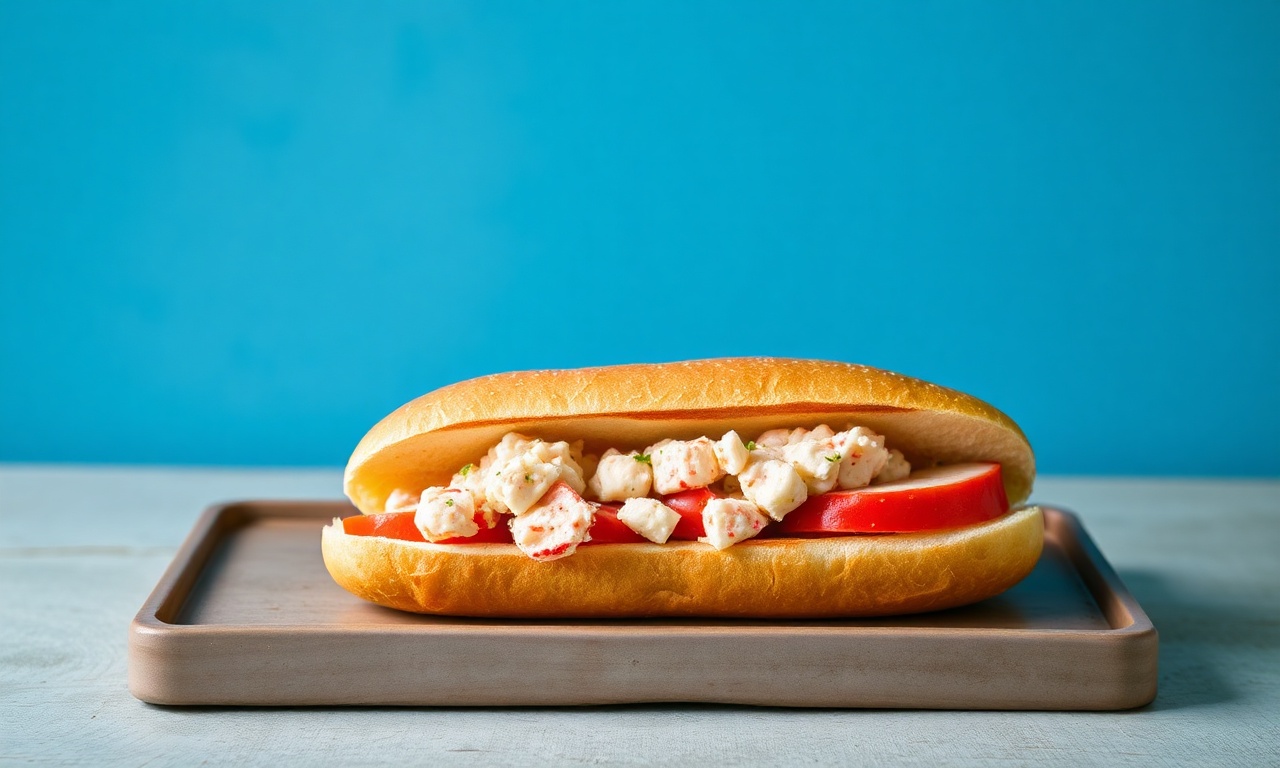
When it comes to lobster rolls, At its core, the quintessential lobster roll experience is built upon a foundation of temperature and textural contrast. The magic happens in the juxtaposition of a warm, yielding bun against a cool, succulent lobster filling. This isn’t merely a pleasant sensation; it’s fundamental to the dish’s identity, creating a dynamic interplay that engages the palate.
The lobster itself should be presented in discernible, generous chunks, allowing each bite to deliver a satisfying piece of oceanic sweetness, rather than dissolving into an indistinguishable paste. The binder, whether a classic mayonnaise-based dressing or a clarified butter emulsion, serves as a gentle embrace, enhancing the lobster’s natural flavors without masking them.
In the context of lobster rolls, The vessel, the bun, is far from an afterthought; it’s a critical textural component, requiring careful preparation to achieve a golden, resilient exterior that provides a satisfying crispness without becoming brittle.
Mastering the Lobster: Selecting and Preparing the Star Ingredient
Around lobster rolls, The absolute bedrock of any exceptional lobster roll is the uncompromised quality and meticulous preparation of the lobster meat itself. Not all portions of the lobster contribute equally to the desired mouthfeel and flavor profile. For a balanced and sublime bite, experts universally advocate for a blend of claw and knuckle meat. These sections offer an unparalleled tenderness and a delicate sweetness that forms the true backbone of the filling. While tail meat is undeniably delicious, its firmer, chewier texture can be incorporated judiciously for those who prefer a more pronounced bite, but it should never dominate.
Regarding lobster rolls, The critical factor is ensuring the lobster is cooked to absolute perfection – never overcooked, which leads to a rubbery disappointment – and then thoroughly chilled. This chilling process is paramount for both food safety and for achieving the signature cool contrast with the warm bun.
When it comes to lobster rolls, When preparing the meat, uniformity in chopping is not just a suggestion, but a necessity. Aim for generous, bite-sized pieces, roughly ½ to ¾ inch cubes. This size ensures that the lobster’s inherent texture remains distinct and that each mouthful delivers a satisfying piece of shellfish. Avoid the temptation to finely mince or shred the meat, as this invariably leads to a mushy filling that detracts significantly from the intended experience. A gentle hand is vital when combining the lobster with any other ingredients; over-mixing can bruise the delicate meat and compromise its integrity, dulling its vibrant flavor and yielding an unappealing texture.
In the context of lobster rolls, 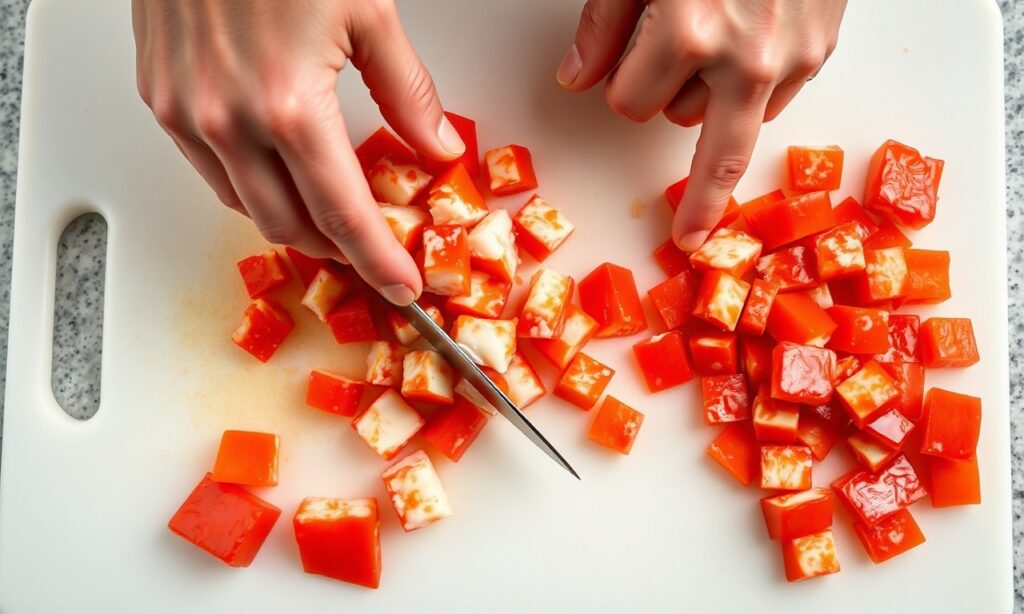
The Art of the Binder: Enhancing, Not Overpowering
Around lobster rolls, The binder’s role is nuanced: to lightly coat the lobster, bind it together cohesively, and introduce a subtle layer of richness and perhaps a touch of acidity. The classic New England style leans heavily on mayonnaise, but the quality and the quantity are absolutely critical. Opt for a high-quality, full-fat mayonnaise with a clean, neutral flavor profile. Brands that rely on excessive sugar or overly strong vinegar notes can unfortunately detract from the lobster’s natural sweetness. A commonly cited, and highly effective, ratio for achieving this delicate balance is approximately 2 parts lobster meat to 1 part mayonnaise by volume.
Regarding lobster rolls, This ratio ensures that the lobster remains the undisputed protagonist, with the mayonnaise acting as a subtle, supportive enhancer, not a dominant force.
When it comes to lobster rolls, For those who lean towards a warmer, richer profile, clarified butter, often referred to as drawn butter, is the traditional Connecticut-style binder. This preparation involves gently warming the cooked lobster meat in melted, clarified butter just before assembly. The butter should be seasoned lightly with salt and perhaps a whisper of lemon. Regardless of the chosen binder, the ultimate goal is cohesion and a silken mouthfeel, not a heavy, creamy, salad-like mixture that buries the lobster’s essence.
The Crucial Role of the Bun: A Foundation of Crispness
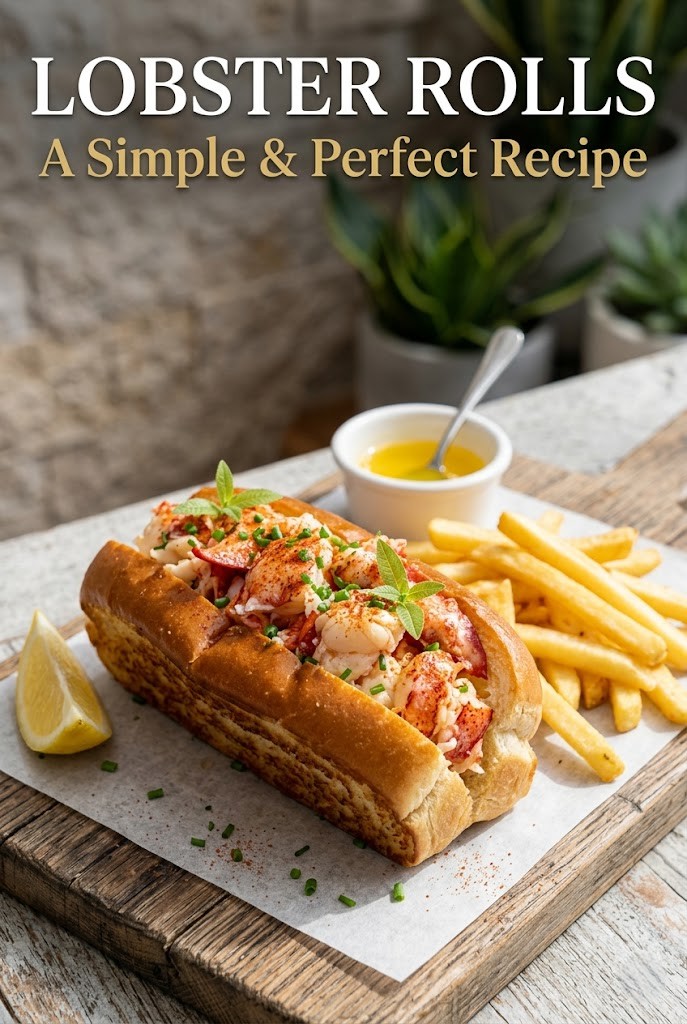
In the context of lobster rolls, The bun is far more than a mere edible container; it is an integral textural and flavor component of the lobster roll. The ideal vessel is unequivocally the top-split hot dog bun, a design chosen for its inherent ability to cradle a generous amount of filling without collapsing, and for its flat, even surfaces that are perfectly suited for toasting. The toasting process is where the magic truly happens, transforming a humble bun into a crisp, golden chalice.
Around lobster rolls, Even buttering is paramount. Use softened, unsalted butter and spread it thinly and evenly across the cut sides of the bun. This ensures consistent browning and, crucially, creates a protective barrier against sogginess. The heat of the skillet should be moderate. Too high, and the bun will scorch before it achieves desirable crispness; too low, and it will become dry and brittle. Toast the buttered sides down in a skillet over medium heat for approximately 2 to 3 minutes, pressing gently. The objective is a beautiful golden-brown hue, a slightly chewy interior, and a resilient exterior that offers a satisfying crunch.
Regarding lobster rolls, This carefully toasted exterior provides the essential textural contrast to the cool, tender lobster filling, a principle supported by extensive research in culinary science that highlights textural variety’s role in enhancing sensory pleasure.
Building the Perfect Bite: Assembly and Seasoning Nuances
Seasoning is where personal preference truly shines, but restraint remains the guiding principle for achieving truly exceptional lobster rolls. The lobster meat itself, when fresh, possesses a natural salinity that should be respected. Therefore, season the filling conservatively with kosher salt and freshly ground black pepper. Taste as you go, making small, incremental adjustments. A squeeze of fresh lemon juice is vital; its bright acidity cuts through the richness of the binder and awakens the palate, making the lobster flavor pop. Fresh chives offer a delicate, mild oniony note without the pungency of raw onion, adding a layer of freshness.
When it comes to lobster rolls, For an added layer of complexity and a welcome touch of crunch, finely diced celery is a highly regarded addition, providing a subtle counterpoint to the tender lobster.
In the context of lobster rolls, A whisper of Dijon mustard, used sparingly, can add a subtle depth and tang, but it should never be the dominant flavor. Its role is to add a hint of complexity, not to define the profile.
Around lobster rolls, When assembling, gently fold the prepared lobster filling into the warm, toasted buns. Don’t shy away from letting a little overflow; it signals generosity and abundance, an inviting visual cue. Garnish minimally with fresh parsley or dill for a touch of color and herbaceous aroma. The critical timing for serving is immediate. This ensures the ideal temperature contrast – warm bun, cool filling – and preserves the bun’s crisp integrity. If preparing the filling in advance, it should be kept well-chilled, and the buns toasted just moments before serving to maintain their perfect texture.
Regarding lobster rolls, The secret to a light, succulent lobster filling lies in the binder ratio. Aim for approximately 2 parts lobster meat to 1 part mayonnaise by volume. This ensures the lobster’s natural sweetness and delicate texture are front and center, with the binder providing just enough richness and cohesion. Chilling the filling briefly before assembly can also help it firm up, making it easier to handle and enhancing the cool contrast.
Regional Variations: Exploring the Lobster Roll Spectrum
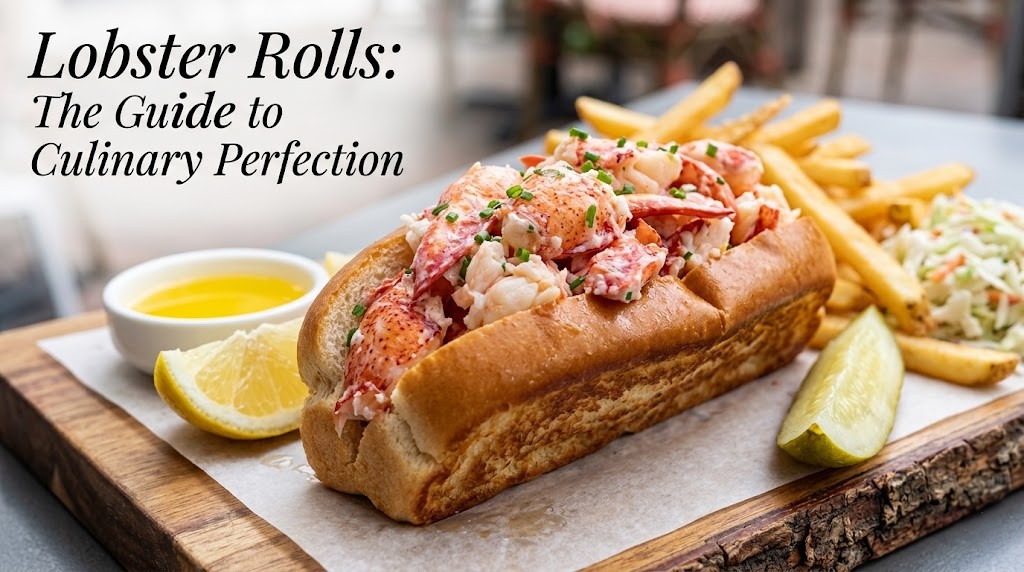
The world of lobster rolls is far from monolithic; distinct regional styles offer diverse and celebrated culinary experiences. The two most iconic and widely recognized are the New England style and the Connecticut style.
The New England style is the classic chilled preparation. Lobster meat is typically mixed with mayonnaise, a touch of lemon juice, and often finely diced celery and chives. It is then served cold in a perfectly toasted, top-split bun. This style exquisitely emphasizes the fresh, briny flavor of the lobster, beautifully complemented by the creamy, tangy binder. It’s a refreshing and bright rendition, particularly delightful during warmer weather, embodying the spirit of coastal dining.
In stark contrast, the Connecticut style features warm lobster meat lightly tossed with drawn butter. This preparation highlights the rich, buttery essence of the lobster, offering a comforting and luxurious experience. The drawn butter is often seasoned simply with salt, pepper, and a hint of lemon, allowing the natural sweetness of the lobster to shine through. While both styles are undeniably delicious and hold esteemed places in culinary traditions, they cater to fundamentally different preferences for temperature and flavor profile. Understanding these distinctions allows you to tailor your lobster roll experience to your specific craving, whether it’s the refreshing zest of the North Atlantic or the rich indulgence of a buttery embrace.
Key Insights & Takeaways
The Importance of Ingredient Quality for Lobster Rolls
The foundation of any exceptional lobster roll is the quality of the lobster meat. Opt for fresh, high-quality lobster, and prioritize a blend of claw and knuckle meat for optimal tenderness and sweetness. Proper cooking – never overcooked – and thorough chilling are non-negotiable steps.
Binder Balance is Crucial for Lobster Rolls
Whether using mayonnaise or clarified butter, the binder should enhance, not overpower, the lobster. A common ratio for mayonnaise-based binders is 2 parts lobster to 1 part binder by volume. The goal is cohesion and a silken texture, allowing the lobster’s natural flavors to dominate.
Bun Preparation is Paramount for Lobster Rolls
The top-split hot dog bun is the ideal vessel. Thorough toasting with even buttering is essential to create a golden, resilient exterior that provides critical textural contrast and prevents sogginess. Moderate heat is key to achieving the perfect crispness.
Temperature Contrast is Key for Lobster Rolls
The signature experience of a lobster roll often comes from the contrast between a warm, crisp bun and a cool, succulent lobster filling. This temperature dynamic is vital for both sensory pleasure and the overall integrity of the dish.
Regional Styles Offer Diverse Delights
Understanding the difference between the chilled, mayonnaise-based New England style and the warm, butter-based Connecticut style allows for a more informed appreciation and customization of your lobster roll experience.
Frequently Asked Questions
What defines a truly classic lobster roll?
A classic lobster roll is defined by generous, succulent chunks of tender lobster meat, lightly bound to preserve its natural sweetness and texture. The ideal is a harmonious balance between the cool, flavorful filling and a warm, crisp, top-split bun. The emphasis is unequivocally on celebrating the lobster itself, with minimal interference from overpowering seasonings or binders, allowing its oceanic essence to be the star.
Why is the bun preparation so critical for lobster rolls?
The bun serves as both the foundation and the essential textural counterpoint to the tender lobster filling. A split-top bun provides a stable structure for generous portions. Proper toasting, achieved through even buttering and moderate heat, creates a golden, resilient exterior. This crispness offers a delightful contrast to the soft filling, prevents the bun from becoming soggy, and adds a subtle toasted, nutty aroma that significantly enhances the overall sensory experience of the dish.
How can I ensure my lobster filling has the perfect texture?
Achieve perfect texture by using a mix of claw and knuckle meat for superior tenderness, chopping the lobster into uniform, generous bite-sized pieces, and employing a very light hand when mixing with the binder. Avoid over-mixing, which can lead to a mushy consistency that detracts from the intended delight. Ensure the lobster meat is thoroughly chilled for optimal textural and temperature contrast with the warm bun.
Are there healthier alternatives to a traditional mayonnaise binder for lobster rolls?
Yes, for a lighter option, you can substitute half of the mayonnaise with plain, unsweetened Greek yogurt. The yogurt provides creaminess and tang while reducing fat content. However, retaining some mayonnaise is often recommended for its emulsifying properties, which contribute to a smoother texture and a more desirable gloss that enhances the visual appeal and mouthfeel.
What are the key differences between New England and Connecticut style lobster rolls?
The New England style is typically served cold, with the lobster meat mixed in a mayonnaise-based dressing, often enhanced with celery and chives. The Connecticut style is served warm, with the lobster meat lightly tossed in clarified butter (drawn butter) and seasoned simply. Both styles feature the iconic split-top bun, but the difference in temperature and binder provides distinct and celebrated flavor profiles and textures that cater to different preferences.
Final Recommendations for Lobster Roll Excellence
The journey to crafting the perfect lobster roll is one of mindful attention to detail. From the initial selection of the freshest lobster to the final moment of assembly, each step contributes to the ultimate experience. Prioritize quality ingredients, understand the nuanced role of the binder, and dedicate time to perfecting the bun’s texture. Embrace the subtle regional variations, but never compromise on the core principles of balance and respect for the lobster itself. By adhering to these expert insights, you’ll not only create a delicious meal but an unforgettable culinary statement that celebrates the best of coastal cuisine.
RELATED TOPICS: Seafood Recipes, Summer Grilling, Classic American Cuisine, Coastal Cooking, Gourmet Sandwiches
See also: lobster rolls