

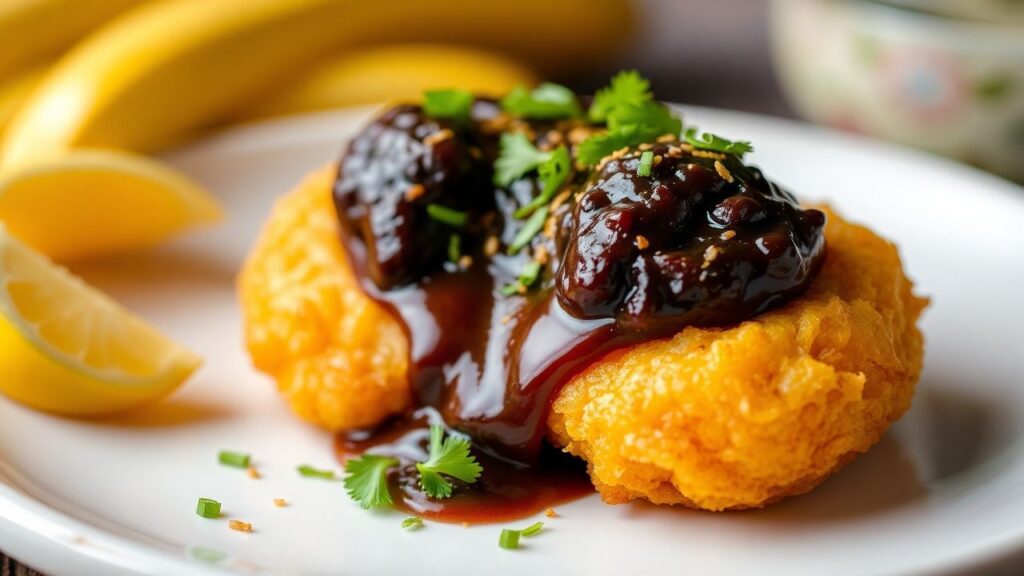
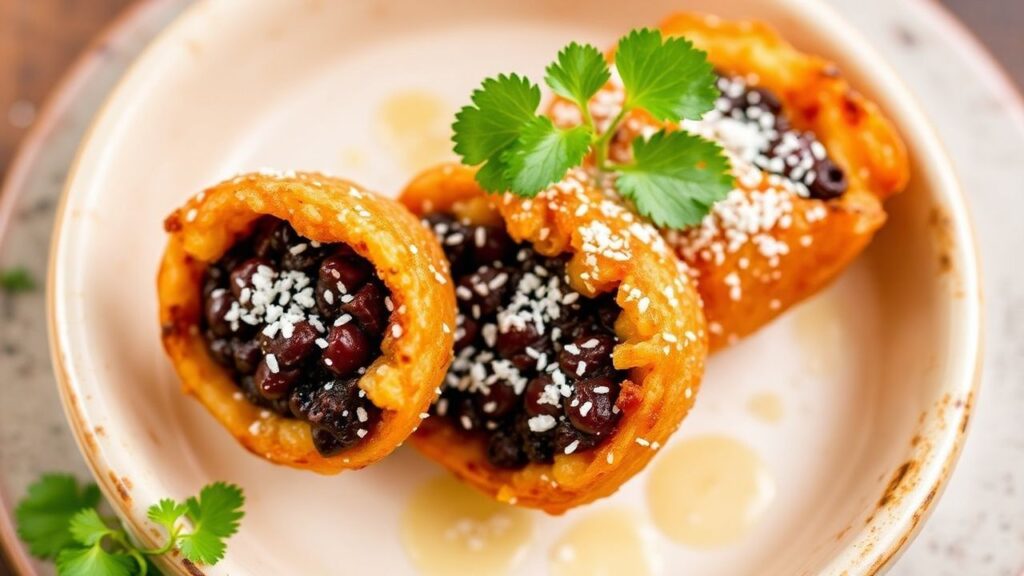
Hidden in Central American kitchens, rellenitos stand out for one reason: they combine sweet, ripe plantain dough with a savory black bean center, then fry to a crisp, golden shell. This recipe focuses on that classic balance and helps you repeat the results at home.
- What Rellenitos Are (and Why This Filling Works)
- Ingredients Overview: Build Flavor and Structure
- Time, Yield, and Difficulty
- Step-by-Step Instructions for Crispy Rellenitos
- 1) Prepare the Plantain Dough
- 2) Make the Black Bean Filling
- 3) Assemble and Seal
- 4) Fry for Golden Crunch
- 5) Serve at the Right Moment
- Chef’s Notes & Tips for Better Texture
- Creative Twists and Serving Suggestions
- Q&A: Rellenitos Black Bean & Plantain Fritters
- What exactly are rellenitos?
- Why use black beans in rellenitos?
- What kind of plantains are ideal for making rellenitos?
- How do I get the perfect texture?
- Can I make rellenitos ahead of time?
- In Summary
- Ripe plantains create the naturally sweet dough that holds shape while frying.
- Spiced black beans deliver a creamy, hearty filling that contrasts the crisp outside.
- Oil temperature decides crunch vs. greasiness.
- Sealing technique prevents filling leaks in the skillet.
The word rellenito refers to a stuffed bite-sized food, and in Guatemala the classic version uses plantain and black beans. You can serve these as a snack, a sweet-savory side, or a party platter item that disappears fast. If you love Latin flavors, this one hits the sweet-heat comfort zone without needing fancy equipment.
What Rellenitos Are (and Why This Filling Works)
Rellenitos are fritters made by wrapping mashed, ripe plantain around a filling, then frying until crisp. The filling matters because black beans bring earthy depth, while cinnamon and vanilla add warm aroma. Together, they balance sweetness and savory flavor in every bite.
Plantains belong to the banana family and ripen from starchy to sweet as their peel darkens. That ripening stage helps the mash become smooth and pliable, so you can mold clean discs without cracking (see plantain). Black beans, meanwhile, create a creamy texture when mashed and gently seasoned (see black bean).
To make this version reliable, keep two goals in mind: a dough that seals well and a filling that stays thick. If the filling turns runny, it will push out during frying. If the dough dries out, it will split at the seams.
Ingredients Overview: Build Flavor and Structure
You only need a few core ingredients, but each one has a job. Ripe plantains create the dough base, while cooked black beans form the center. Brown sugar and spices bring the sweet-savory identity, and salt keeps the filling tasting “alive,” not flat.
For frying, use a neutral vegetable oil so the plantain flavor and bean spices stay in front. Optional butter helps mash plantains smoothly. If you want more aroma, add nutmeg in small amounts; it pairs well with cinnamon without overpowering (spice guidance aligns with general spice use discussed in cinnamon).
Core Ingredients
- 4 ripe plantains (yellow with black spots for best sweetness)
- 2 cups cooked black beans, drained and rinsed
- 1/4 cup brown sugar
- 1 tsp ground cinnamon
- 1/2 tsp vanilla extract
- 1/4 tsp salt
- Vegetable oil for frying
- 1 tsp ground nutmeg (optional)
- 1 tbsp butter (optional, for smoother mashing)
Why Ripeness Controls Everything
When plantains get heavily spotted or nearly black, the starch converts and the mash becomes sweeter and more elastic. That texture helps you press, fold, and seal without stress. If you use under-ripe plantains, the dough often turns tough and hard to shape.
Look for peel color and feel: the fruit should mash easily and smell sweet. The recipe works best when the plantain mash stays warm, because warmth improves binding and sealing.
Time, Yield, and Difficulty
This recipe makes a crowd-friendly batch, and it stays manageable even if you cook in steps. Use the timing below as a realistic guide, since frying time depends on skillet size and batch size.
Readiness: 25 minutes
Cooking: 30 minutes
Total: 55 minutes
Yield
Serves: 6–8 rellenitos.
Difficulty
Medium. Home cooks can succeed with careful sealing and consistent oil heat.
Step-by-Step Instructions for Crispy Rellenitos
Follow each step in order so the dough stays workable and the filling stays thick. While it may look like a lot of work, you can move fast once you set up your station: mashed plantains, filling bowl, spoon, and a plate for formed fritters.
Work in small batches for frying. Overcrowding drops oil temperature, which leads to greasy fritters and a softer crust.
1) Prepare the Plantain Dough
Peel the ripe plantains and cut into chunks. Boil in lightly salted water until soft, around 15 minutes. Drain well and mash while the mixture stays warm.
Stir in butter if you want smoother texture. The mash should feel thick and pliable, not watery. If it seems loose, keep stirring over low heat for 1–2 minutes to drive off extra moisture.
2) Make the Black Bean Filling
Mash the black beans until creamy but still textured. Leaving a few small pieces adds bite and helps the filling hold inside the dough.
Mix in brown sugar, cinnamon, nutmeg (if using), vanilla, and salt. Taste once and adjust sweetness or salt. The filling should feel spreadable, like thick pudding.
3) Assemble and Seal
Pinch off plantain dough about the size of a golf ball. Flatten into a disc in your palm, then add 1–2 teaspoons filling to the center. Fold edges over and seal completely.
Roll gently between your palms to smooth seams. If the edges refuse to seal, the plantain mash likely needs more warmth or the surface is too dry. Keep a light hand; pressure forces filling outward.
After you form each fritter, keep them covered so the surface doesn’t dry. A dry surface can prevent sealing and cause cracks during frying.
4) Fry for Golden Crunch
Heat vegetable oil in a heavy skillet over medium heat. Aim for shimmering oil around 350°F / 175°C if you can measure with a thermometer.
Carefully add rellenitos, leaving space so the oil temperature stays steady. Fry until deeply golden and turn gently, about 3–4 minutes per side. Use a slotted spoon to avoid tearing the crust.
Drain on a wire rack when possible, because airflow keeps the crust crisp longer than paper towels alone. Let them cool 3–5 minutes so the filling firms up and the fritter stops steaming on the inside.
5) Serve at the Right Moment
Rellenitos taste best warm. Serve them with a quick drizzle or sauce, and add an acid element like lime wedges if you want the flavors to pop. Warm fritters pair well with creamy or tangy sides.
Keep the platter warm during serving by placing the finished batch in a low oven (around 200°F / 95°C) while you fry the rest. This helps maintain crisp texture without overcooking.
Chef’s Notes & Tips for Better Texture
Small changes improve texture more than people expect. The dough should bind, the filling should stay thick, and the oil should hold stable heat throughout the batch.
Use these notes as a quick checklist before you start frying. They will also help you troubleshoot if your first batch needs tweaks.
- Plantain ripeness: choose heavily spotted or near-black peels for sweeter, softer dough.
- Filling texture: avoid over-mashing until perfectly smooth; tiny pieces add structure.
- Seal carefully: complete seam coverage prevents leaks and keeps the fritter shape.
- Oil temperature: use a thermometer if you can; heat swings affect crispness.
- Make-ahead: form rellenitos up to 24 hours ahead, refrigerate, then rest at room temperature 20 minutes before frying.
To understand why frying works, remember that rapid heating drives water off the surface and creates a crisp crust. The same idea applies across many fried foods (see frying). Stable oil heat helps that crust set evenly.
Creative Twists and Serving Suggestions
Classic flavors stay the best starting point, but you can still personalize the finish. Try a light drizzle of piloncillo-style syrup, or add a honey-cinnamon glaze for extra sweetness. If you like contrast, serve with fresh lime juice or a tangy yogurt-style dip.
Because plantains are sweet, pairing them with creamy coconut sides or a fresh salad can keep the meal balanced. If you add any sauce, keep it light so the fritters stay crisp.
Flavor Pairings
Serve rellenitos with guacamole or a simple tomato salsa. The green and red colors make the platter feel festive, and the fresh ingredients cut through the richness of fried dough.
You can also dust lightly with cinnamon or add toasted sesame for a nutty finish. Sesame and similar seeds are common in Latin-inspired garnish styles, and a small amount goes a long way.
Portion Ideas for Parties
Make a platter with a dipping station: one bowl for a sweet syrup, one for a tangy sauce, and one for a neutral creamy option. Guests can mix and match, and you keep the texture experience consistent.
For family-style service, place the warm rellenitos on a board, add lime wedges, and let people choose toppings. This also makes it easier to keep dwell time high for viewers who want to see the finishing steps.
| Nutrient | Per Serving |
|---|---|
| Calories | 220 kcal |
| Protein | 5 g |
| Carbohydrates | 45 g |
| Fat | 3.5 g |
Q&A: Rellenitos Black Bean & Plantain Fritters
If you’re making rellenitos for the first time, questions usually center on ripeness, sealing, and frying. Use the answers below to avoid common issues and keep results consistent.
You can also treat this section as a mini troubleshooting guide after your first test batch. Adjust one variable at a time: ripeness, filling thickness, or oil heat.
What exactly are rellenitos?
Rellenitos are stuffed fritters where mashed ripe plantain wraps a spiced filling. In this recipe, the center uses black beans for a creamy, savory-sweet contrast.
Why use black beans in rellenitos?
Black beans create a hearty filling that balances plantain sweetness. When mashed and seasoned, they offer a creamy texture that stays inside the dough during frying.
What kind of plantains are ideal for making rellenitos?
Choose very ripe plantains, ideally with heavy spotting or an almost black peel. At that stage, the mash becomes soft, sweet, and easy to shape.
How do I get the perfect texture?
For texture, focus on two points: thick filling and a sealed dough shell. Fry at steady medium heat so the crust sets before the dough dries out.
Can I make rellenitos ahead of time?
Yes. You can form the fritters up to 24 hours ahead, refrigerate them, then rest at room temperature for about 20 minutes before frying. This helps the dough fry more evenly.
In Summary
Rellenitos are a classic sweet-savory snack built on three skills: ripe plantain dough, thick spiced black bean filling, and controlled frying. Once you nail those steps, the recipe becomes easy to repeat for family dinners and gatherings.
Make your first batch with confidence. If you follow the sealing and oil-temperature guidance, you’ll get crisp edges, a set filling, and a flavor profile that feels deeply Central American and unmistakably comforting.
See also: rellenitos