

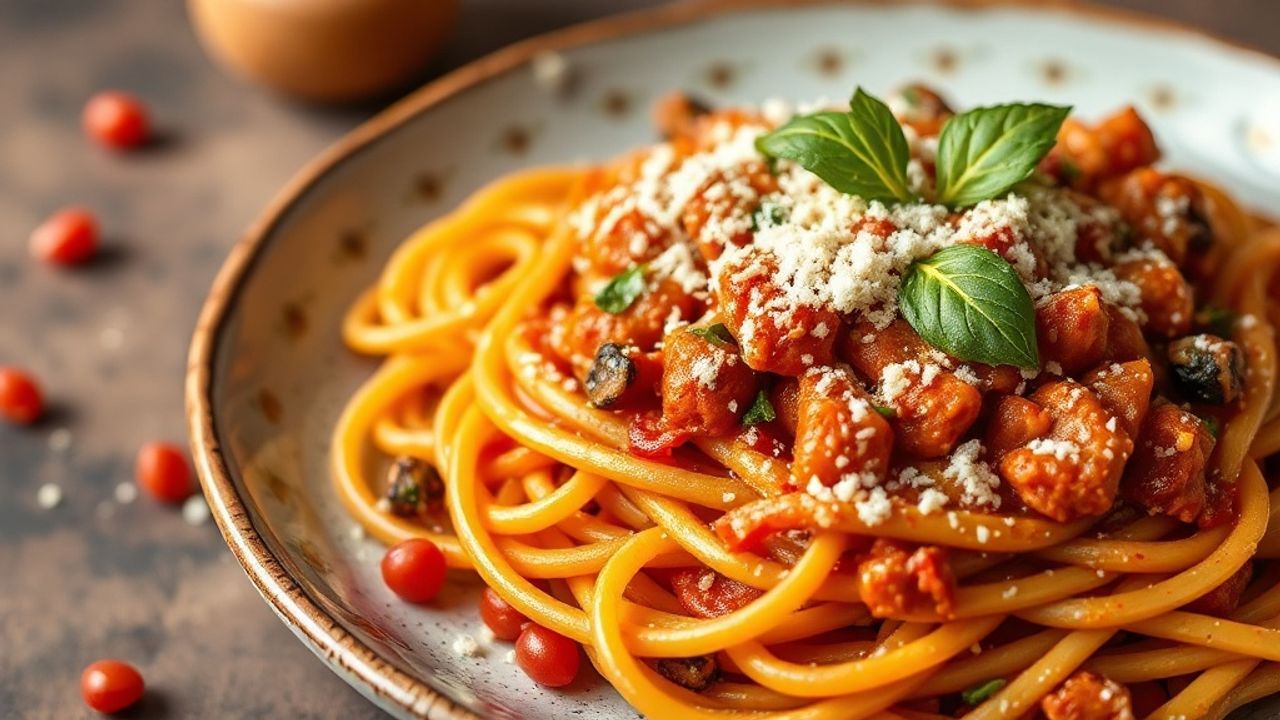
Red Lentil Pasta brings a protein-packed, gluten-free twist to classic comfort food, delivering bold flavor and reliable texture in minimal time. As a culinary nutrition specialist, I recommend it for weeknight meals and small gatherings because it balances macronutrients while staying fast and forgiving to cook.
- Red Lentil Pasta: Prep and Cook Time
- Red Lentil Pasta: Yield and Serving
- Red Lentil Pasta: Difficulty Level
- Red Lentil Pasta: Ingredients
- Red Lentil Pasta: Instructions
- Red Lentil Pasta: Tips for Success
- Red Lentil Pasta: Serving Suggestions
- Red Lentil Pasta: Nutrition per Serving
- Red Lentil Pasta: Common Questions and Answers
- What exactly is red lentil pasta?
- How does red lentil pasta differ from regular wheat pasta?
- Can I cook red lentil pasta the same way as traditional pasta?
- Is red lentil pasta suitable for special diets?
- How can I keep red lentil pasta from becoming mushy?
- The Conclusion
- High protein and fiber: supports satiety and muscle maintenance.
- Gluten-free option: suitable for many restricted diets.
- Quick to prepare: most recipes take under 20 minutes from start to plate.
- Versatile: pairs well with vegetables, herbs, and light sauces.
Red lentil pasta uses ground legumes rather than wheat flour, which concentrates plant protein and fiber in each serving. For context on the ingredient, see lentil.
Red Lentil Pasta: Prep and Cook Time
Plan on 5 minutes of prep and 8–10 minutes of active cooking for most shapes like penne or rotini. Timing varies by brand, so check the package and test for al dente texture.
Cooked properly, red lentil pasta keeps a firm bite and resists turning gummy. Use a timer and taste at the lower end of the recommended window to avoid overcooking.
Red Lentil Pasta: Yield and Serving
This recipe yields four generous servings, ideal for family dinners or meal-prep portions. Portion control is simple: 8 ounces dry typically becomes four plated servings once combined with sauce and vegetables.
Serve immediately for best texture. If held too long, the pasta continues to hydrate and softens; a quick skillet finish revives texture before plating.
Red Lentil Pasta: Difficulty Level
Difficulty: Easy. The method mirrors classic pasta techniques, so cooks of any skill level can execute it confidently. No specialty equipment is required.
Because the ingredient cooks faster than wheat pasta, the only key skill is timing. Stir, taste, and reserve cooking water to build a cohesive sauce.
Red Lentil Pasta: Ingredients
Ingredients list stays short and pantry-friendly: red lentil pasta, olive oil, garlic, onion, cherry tomatoes, leafy greens, fresh herbs, lemon, and an optional garnish like grated cheese or toasted nuts.
This formulation emphasizes whole-food pairings to maintain nutrient density. For broader dietary context, review topics like gluten-free diet and how legumes fit into it.
Ingredients (detailed)
• 8 oz red lentil pasta (rotini or penne)
• 2 tbsp extra virgin olive oil, 3 garlic cloves minced, 1 small yellow onion chopped
• 1 cup cherry tomatoes halved, 2 cups fresh spinach, 1/4 cup chopped basil
• Salt, pepper, red pepper flakes (optional), 1/2 cup grated Parmesan or nutritional yeast, lemon juice, toasted pine nuts (optional)
Red Lentil Pasta: Instructions
1) Bring a large pot of salted water to a rolling boil. Add the red lentil pasta and cook for 8–10 minutes or until al dente. Taste early; legume-based pasta can go soft quickly.
2) Reserve 1/2 cup of the cooking water, then drain the pasta. A small amount of starchy water helps emulsify a light sauce.
3) Heat olive oil in a skillet over medium. Sauté garlic and onion until translucent, then add cherry tomatoes and cook until they soften and release juices.
4) Toss in the spinach and wilt briefly. Return the pasta to the skillet, add basil and lemon juice, and marry ingredients with reserved pasta water a tablespoon at a time until the sauce clings.
5) Finish with grated Parmesan or nutritional yeast and toasted pine nuts. Serve immediately to preserve texture and flavor.
Red Lentil Pasta: Tips for Success
Don’t overcook the pasta. Unlike durum wheat, legume pasta softens faster. Aim for a slightly firm center when you taste it.
Reserve pasta water; its starch creates a silky emulsion that binds sauce without added cream. Start with one tablespoon and adjust for consistency.
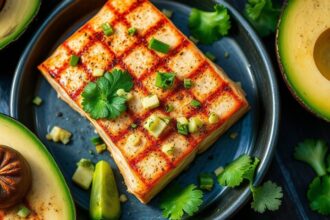
For added protein, fold in seared chicken or pan-fried tofu at the final stage. This improves both satiety and nutrient balance.
Swap greens: kale or arugula will change texture and flavor. Adjust sauté time to keep leaves vibrant and avoid bitterness.
Store cooked red lentil pasta in an airtight container in the refrigerator and consume within 3–4 days. Reheat gently in a skillet with a splash of water to recover texture.
Red Lentil Pasta: Serving Suggestions
Plate on a warm ceramic dish and finish with torn basil and a drizzle of high-quality olive oil for an inviting presentation. Lemon wedges brighten the dish at the table.
Pair with a simple mixed-green salad or crusty whole-grain bread. For beverage pairings, a crisp white wine or sparkling water with citrus complements the lentil pasta’s earthiness.
Red Lentil Pasta: Nutrition per Serving
Legume-based pasta increases plant protein and fiber per serving. A typical serving provides meaningful protein, carbohydrates, and modest fat from added olive oil or cheese.
For technical detail on protein content and nutrient comparisons, consult resources about dietary protein and pulses.
| Nutrient | Per Serving |
|---|---|
| Calories | ~310 kcal |
| Protein | ~22 g |
| Carbohydrates | ~35 g |
| Fat | ~7 g |
Red Lentil Pasta: Common Questions and Answers
Below I answer practical questions I hear most from cooks and nutrition-minded readers. These address preparation, storage, dietary fit, and flavor pairings.
Each answer is direct and based on culinary technique or standard nutrient data for legumes and pasta products.
What exactly is red lentil pasta?
Red lentil pasta is a pasta made primarily from milled red lentils rather than wheat flour. It mimics familiar shapes while boosting protein and fiber per serving.
Its bright color and slightly nutty taste make it a distinct base for sauces and vegetables.
How does red lentil pasta differ from regular wheat pasta?
Red lentil pasta is typically gluten-free and higher in plant protein and fiber than traditional durum wheat pasta. Texture can be denser and it cooks faster.
Because of its legume origin, it also contributes micronutrients like iron and folate in higher amounts than refined wheat pasta.
Can I cook red lentil pasta the same way as traditional pasta?
Yes, follow the package timing and test for al dente. Use ample water, stir to prevent sticking, and reserve a small amount of cooking water to finish the sauce.
A quick skillet toss with sauce ingredients after draining helps integrate flavors and maintain the pasta’s bite.
Is red lentil pasta suitable for special diets?
It suits gluten-free, vegetarian, and vegan diets when paired with plant-based toppings. Individuals with legume sensitivities should proceed cautiously.
For broader context on dietary patterns that include legumes, see Mediterranean diet, which emphasizes pulses among other plant foods.
How can I keep red lentil pasta from becoming mushy?
Cook to al dente and stop the cooking process by draining and immediately finishing in the skillet. Avoid prolonged simmering in sauce.
If storing, toss with a small amount of olive oil to prevent clumping and reheat gently to preserve texture.
The Conclusion
Red lentil pasta offers a simple, reliable upgrade when you want nutrient density without sacrificing convenience or flavor. It performs well across sauces and is especially effective with quick, vegetable-forward preparations.
Adopt it as an occasional or regular swap to increase plant protein and fiber in your meals. With a few technique tweaks—timing, reserved pasta water, and finishing in a skillet—you’ll get consistent results that please both the palate and dietary goals.
For a technical look at pasta types and processing, refer to pasta on Wikipedia. For culinary uses of pulses, consult the legume entry.
See also: Red Lentil Pasta