
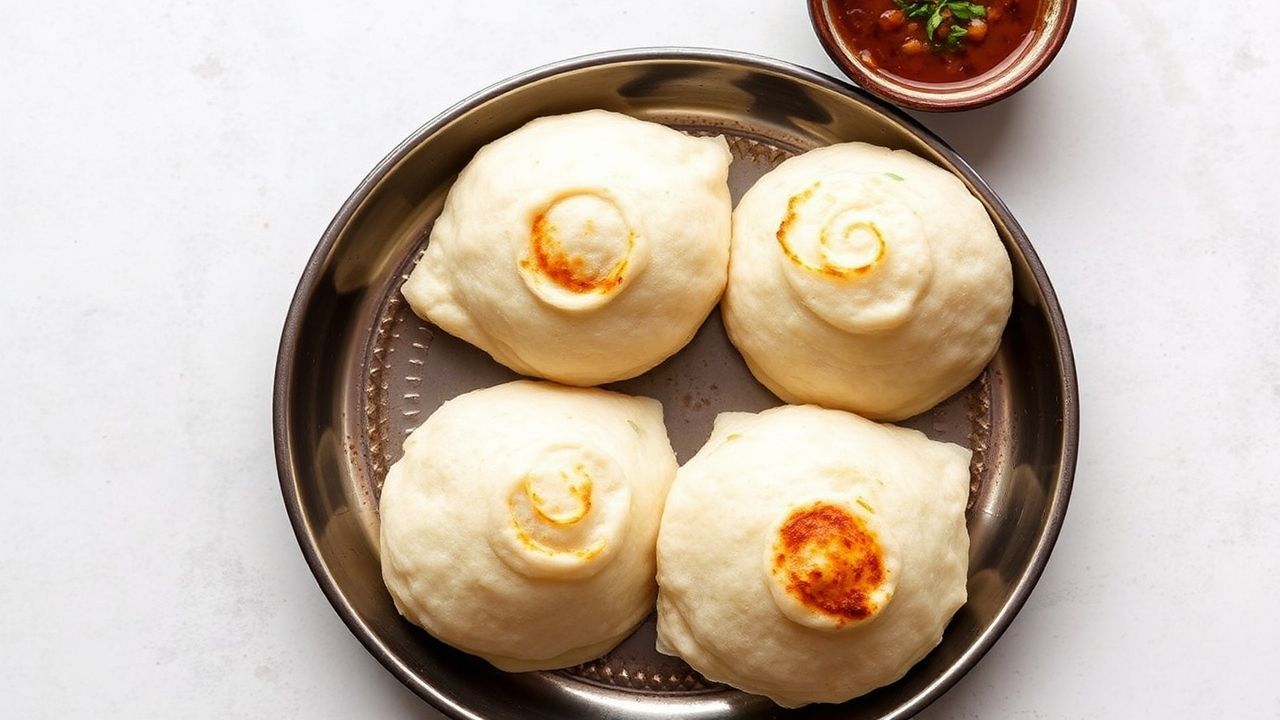
There’s real craft in turning simple dough into puffy deep-fried bhatura bread that stays crispy on the outside and soft and airy inside. When the dough hits hot oil, trapped moisture turns to steam and expands the layers. That puff is the key sensory marker of great bhatura.
- Understanding the Science Behind the Perfect Puffy Bhatura
- Choosing the Right Ingredients for Soft and Crispy Texture
- Mastering the Dough Preparation and Resting Techniques
- Kneading and Gluten Development
- Resting Time for Flavor and Pliability
- Shape With Control, Not Pressure
- Expert Tips for Frying Bhatura to Golden Perfection
- Prep and Cook Time
- Yield
- Difficulty Level
- Ingredients
- Instructions
- Tips for Success
- Serving Suggestions
- Nutritional Data (per bhatura)
- FAQ
- What makes puffy deep-fried bhatura bread puff more than other fried breads?
- Why does yogurt improve bhatura texture?
- How do I know my oil temperature is right?
- How long should the dough rest for best results?
- How can I reheat bhatura without losing crispness?
- In Retrospect
- Puff comes from steam: hydrated dough + the right oil temperature.
- Gluten stretch matters: proper kneading and resting build elasticity.
- Balance leavening: yogurt plus a small lift (baking powder or soda) improves lift.
- Thickness controls texture: roll evenly for consistent ballooning.
Perfect bhatura also relies on a practical routine: measure your flour, rest the dough long enough, then fry with steady heat. You can master it at home with repeatable steps and a thermometer.
Understanding the Science Behind the Perfect Puffy Bhatura
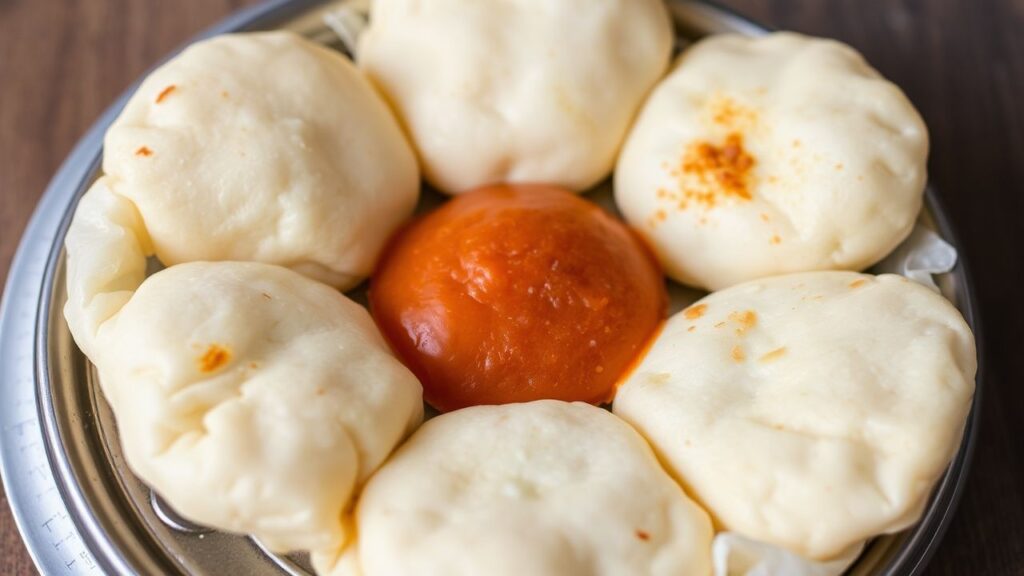
The best puffy deep-fried bhatura bread depends on two physics-driven events. First, steam forms quickly when hot oil contacts hydrated dough. Second, the dough needs enough elasticity to hold that expanding gas.
Dough elasticity comes from gluten networks formed during kneading. If gluten stays weak, steam escapes and you get a flat fried bread. For background on gluten formation, see gluten.
Why Steam Creates the Signature Balloon
Steam expansion happens fast, which is why temperature control matters. At roughly 175°C to 190°C (350°F to 375°F), the outside sets while the inside keeps producing steam. That timing creates the classic pocket and airy interior.
Steam behavior links to basic heat transfer and vaporization. If you want a quick science reference, read vaporization to understand how moisture changes phase under heat.
How Texture Builds Layer by Layer
A good bhatura breaks with a crisp shell, then softens as you chew. That contrast comes from the crust forming from surface cooking, while the interior stays tender from hydration and leavening. Yogurt helps because it adds acidity that improves dough handling and tenderness.
For a broader look at how starch and dough structure respond to heat, you can review starch. It helps explain why overcooking dries the bread and reduces puff.
Choosing the Right Ingredients for Soft and Crispy Texture
Your ingredient choices set the ceiling for puff. Use all-purpose flour (maida) for reliable gluten development. Add semolina (sooji) for a slightly firmer bite that supports a crisp edge.
Yogurt brings two benefits: it adds moisture and acidity. Acidity supports tenderness and helps fermentation produce gases during resting. For general fermentation basics, see fermentation.
Leavening: Yogurt + Baking Powder (or Soda)
Baking powder provides a controlled lift, while baking soda needs acidity to perform well. In bhatura, yogurt’s acidity helps soda work more predictably. Keep the amount small; too much can leave a bitter aftertaste.
If you want the chemical framing behind leavening, review leavening agent. It clarifies why balance matters for both flavor and texture.
Oil Selection and Frying Feel
For consistent results, choose neutral frying oil or use a stable fat like ghee if you prefer a richer aroma. The oil must heat evenly so the bread puffs without burning. Avoid old oil with heavy residues because it can taste off.
For reference on frying oil behavior, see frying. It covers why temperature and oil condition affect browning and texture.
Mastering the Dough Preparation and Resting Techniques
Strong dough equals strong puff. Start by mixing dry ingredients until the flour and semolina distribute evenly. Then add yogurt and warm water gradually until the dough turns smooth and pliable.
Knead for 8–10 minutes until the dough becomes elastic. When you stretch a small piece, it should pull slightly without tearing right away. This stretch holds steam during frying and supports expansion.
Kneading and Gluten Development
During kneading, gluten strands align and strengthen. That structure increases the dough’s ability to trap gas bubbles. If the dough feels tough, you probably underhydrated or under-kneaded.
For more on how proteins behave in dough, use dough as a general reference point. It helps connect mixing to final texture.
Resting Time for Flavor and Pliability
Resting relaxes gluten and allows mild fermentation to continue. A minimum rest of 2 hours works, but overnight resting gives better flavor depth and smoother rolling. Cover the bowl to prevent surface drying.
Fermentation timelines vary by room temperature, so watch the dough feel. It should look slightly puffed and feel softer after resting. For fermentation background, again refer to fermentation.
When the dough rests, it becomes easier to roll thinly without tearing. That matters because tears become weak spots that prevent full ballooning.
Shape With Control, Not Pressure
After resting, divide into equal portions. Roll each piece into a smooth ball, then flatten into a circle with even thickness. Keep gentle handling so you don’t deflate gas pockets.
Aim for about 6–7 inches diameter and around 1/4 inch thickness. If edges get too thin, they dry faster and may not puff evenly.
Expert Tips for Frying Bhatura to Golden Perfection
Frying is where your earlier work shows up. Heat oil to medium-high heat, typically around 175°C to 180°C (350°F to 360°F). Use a thermometer so you don’t guess; oil temperature drifts during frying.
Roll thickness and oil temperature must match. If oil is cooler, bhatura soaks oil and puffs less. If oil is hotter, the outside browns before the inside cooks through.
Temperature Targets and Visual Checks
At the right temperature, the bhatura rises quickly and turns golden in a steady rhythm. The surface should bubble lightly, then set into a crisp crust. Keep the oil stable to avoid uneven ballooning.
For general browning and heat effects during cooking, you can reference Maillard reaction. While bhatura browns quickly, your goal is color with intact puff, not heavy darkening.
Frying Technique for Even Puff
Slide one bhatura into the oil gently. Press lightly at the center for a moment if the dough does not start puffing immediately. Flip once the first side turns golden.
Drain on paper towels, then serve fast. Fresh bhatura holds its crisp shell best within minutes. If they sit too long uncovered, steam escapes and the crust softens.
Prep and Cook Time
Plan your schedule around resting. Most of the timeline happens while the dough ferments and relaxes.
Use this guide for one batch of bhatura.
- Preparation Time: 15 minutes
- Resting Time: 2 hours (minimum) or overnight
- Cooking Time: 20 minutes
Yield
This recipe makes about 8 medium bhaturas, depending on how thick you roll. The yield fits 4 people well for a typical North Indian meal.
If you want bigger bhaturas, you may get fewer pieces. If you roll thinner, you might get more.
Difficulty Level
Difficulty is medium because puff depends on multiple variables: dough elasticity, resting, and oil heat. You can learn it with two or three attempts.
After you dial in your thermometer and rolling thickness, results become very repeatable.
Ingredients
These ingredients keep the dough balanced for steam generation and crisp crust formation.
For best results, measure with dry cups and use room-temperature yogurt.
- 2 cups all-purpose flour (maida), sifted
- 1/4 cup fine semolina (sooji)
- 1/2 cup plain yogurt, at room temperature
- 1/2 teaspoon baking powder
- 1/4 teaspoon baking soda
- 1 teaspoon sugar
- 1 teaspoon salt
- 1 tablespoon vegetable oil or melted ghee
- Warm water as needed (about 1/2 cup)
- Vegetable oil for deep frying
Instructions
Follow these steps in order. Puff relies on dough readiness before frying.
Keep a thermometer nearby for oil temperature control.
- Combine dry ingredients: In a large mixing bowl, sift together flour, semolina, baking powder, baking soda, sugar, and salt.
- Add wet ingredients: Make a well. Add yogurt and oil. Pour warm water slowly, mixing until a rough dough forms.
- Knead the dough: Knead 8–10 minutes until smooth and elastic. The dough should feel slightly tacky but not sticky. Lightly oil your hands if needed.
- Rest the dough: Cover and rest at least 2 hours. For best flavor and pliability, refrigerate overnight, then bring to room temperature.
- Divide and shape: Punch down gently. Divide into 8 equal portions. Roll into smooth balls and dust lightly with flour.
- Roll out the bhaturas: Flatten each ball into a 6–7 inch circle about 1/4 inch thick. Keep thickness even so puffing stays consistent.
- Heat oil for frying: Heat vegetable oil to 350–360°F (175–180°C). Test by dropping a small dough piece; it should rise steadily without burning fast.
- Fry the bhaturas: Slide in one disk gently. Press lightly at the center if needed to encourage puff. Flip when golden, then cook until both sides crisp and browned.
- Drain excess oil: Remove to paper towels. Cover loosely with a clean towel to keep warm.
- Repeat and serve: Fry remaining bhaturas. Serve warm for best crisp-soft contrast.
Tips for Success
Small tweaks help you avoid common puff failures. Use these tips to troubleshoot quickly.
Keep notes after each batch so you can repeat what works.
- Fermentation boost: Slightly sour yogurt improves tenderness. A longer rest also strengthens texture.
- Consistent dough thickness: Uneven edges thin out and reduce puff. Roll evenly across the disk.
- Oil temperature control: Keep oil around 340–360°F (170–182°C) for a crisp crust without greasy results.
- Substitutions: Gluten-free blends often puff less because gluten provides elasticity. You may still get tasty fried bread, but texture will differ.
- Make ahead: Refrigerate dough overnight. Bring to room temperature before rolling.
Serving Suggestions
Serve bhatura hot alongside thick, spiced gravies. The bread’s crisp shell holds up well to spooned curry.
Classic pairings include authentic chole curry or rajma. Garnish with coriander, sliced onions, green chilies, and lemon wedges for a bright balance.
For extra aroma, brush the hot bhatura lightly with melted ghee right after frying. That step adds shine and a richer finish without changing the puff much.
Nutritional Data (per bhatura)
Nutrition depends on flour brand, thickness, and oil absorption. The values below offer a practical estimate for a medium bhatura.
Use this table for planning, not strict medical tracking.
| Calories | Protein | Carbohydrates | Fat |
|---|---|---|---|
| 180 kcal | 4 g | 25 g | 7 g |
For more on how oil temperature affects texture, you can review general frying principles on Frying. Use this as a reference while you practice at home.
FAQ
What makes puffy deep-fried bhatura bread puff more than other fried breads?
Bhatura puffs because the dough holds steam while the surface sets in hot oil. Gluten elasticity traps expanding gas, so the disk balloons instead of staying flat.
Why does yogurt improve bhatura texture?
Yogurt adds moisture and acidity. That combination tenderizes the dough and supports a more reliable lift from small leavening amounts.
How do I know my oil temperature is right?
Use a thermometer if you want consistent puff. Target about 350–360°F (175–180°C). If oil is too cool, bhatura turns greasy; if too hot, it browns before fully cooking.
How long should the dough rest for best results?
Rest at least 2 hours at room temperature. For deeper flavor and easier rolling, refrigerate overnight, then bring the dough to room temperature before shaping.
How can I reheat bhatura without losing crispness?
Reheat briefly in a hot skillet or oven until warmed through and the crust firms again. Avoid microwaving, because it softens the exterior quickly.
Final note: With steady heat, elastic dough, and even thickness, puffy deep-fried bhatura becomes a repeatable skill.
In Retrospect
Mastering puffy deep-fried bhatura bread is a balance of dough science and practical frying. Steam expansion creates the balloon, while gluten elasticity keeps it trapped long enough to set the shape.
When you control resting time and oil temperature, the result stays consistent. You get a crisp shell, a soft interior, and the kind of texture that makes bhatura the star of a North Indian plate.
So practice with measurements, use a thermometer, and handle the dough gently. That routine turns simple ingredients into a golden, puffed masterpiece—one batch at a time.
See also: Puffy bhatura