
Power-Packed Plant Bowls: Protein-Rich & Healthy
Plant Bowls deliver concentrated nutrition in a single, vibrant meal that balances protein, fiber, and healthy fats. These bowls combine whole grains, legumes, seeds, and vegetables to offer a practical, protein-rich option for daily eating.
- High protein per serving: combine quinoa, chickpeas, and seeds to reach ~20+ g protein.
- Meal-prep friendly: batch-cook grains and legumes for fast assembly of Plant Bowls.
- Flavor balance: acid, fat, salt, and texture make Plant Bowls satisfying and repeatable.
Choosing Protein Sources for Plant Bowls
To build effective Plant Bowls, prioritize complementary plant proteins that together provide a full amino acid profile. Combine a grain like quinoa with legumes such as chickpeas, or add fermented soy in the form of tempeh for concentrated protein.
Use evidence-based food pairings to optimize protein quality and digestion. For quick reference, review nutrient profiles on authoritative sources like protein (nutrient) and learn how legumes support protein intake via legume chemistry.
Ingredients & Prep: Core Components for Plant Bowls
Base grain: 1 cup cooked quinoa or brown rice creates a hearty foundation. Quinoa adds both texture and complete amino acids when paired with other plant proteins; see quinoa for nutrient context.
Protein pillars: 1 cup cooked chickpeas, ½ cup steamed edamame, or 4 oz tempeh provide most of the bowl’s protein. Edamame derives from young soybeans and is rich in isolated amino acids; background on edamame is available at edamame.
Recipe Yield and Timing
Planning: 15 minutes. Cooking: 25 minutes. Total time: 40 minutes. Yield: serves 2 generous portions.
Difficulty: Easy to medium. Most steps are straightforward and suited to batch cooking for multiple Plant Bowls across the week.
Ingredients List
- 1 cup cooked quinoa (rinsed)
- 1 cup cooked chickpeas
- ½ cup steamed edamame
- 1 medium carrot, julienned
- 1 cup baby spinach
- ½ avocado, sliced
- 2 tbsp pumpkin seeds, toasted
- 1 small beetroot, roasted and diced
- 2 tbsp tahini dressing
- 1 tbsp toasted sesame oil
- Salt and pepper to taste
Step-by-Step Instructions
1. Cook quinoa: rinse 1 cup thoroughly. Combine with 2 cups water, bring to a boil, then simmer covered for 15 minutes.
Let rest 5 minutes off heat.
2. Prepare chickpeas: drain canned chickpeas or cook dried legumes until tender. For extra flavor, sauté briefly with smoked paprika and salt.
3. Steam edamame: boil shelled edamame 3–4 minutes until tender-crisp, then drain. Roast beetroot at 400°F (200°C) for 40–50 minutes until fork-tender; peel and dice when cool.
4. Toast pumpkin seeds in a dry skillet 2–3 minutes until fragrant. Make tahini dressing by whisking 2 tbsp tahini, 1 tbsp lemon juice, 1 tsp maple syrup, 1 minced garlic clove, and 2–3 tbsp water to a pourable consistency.
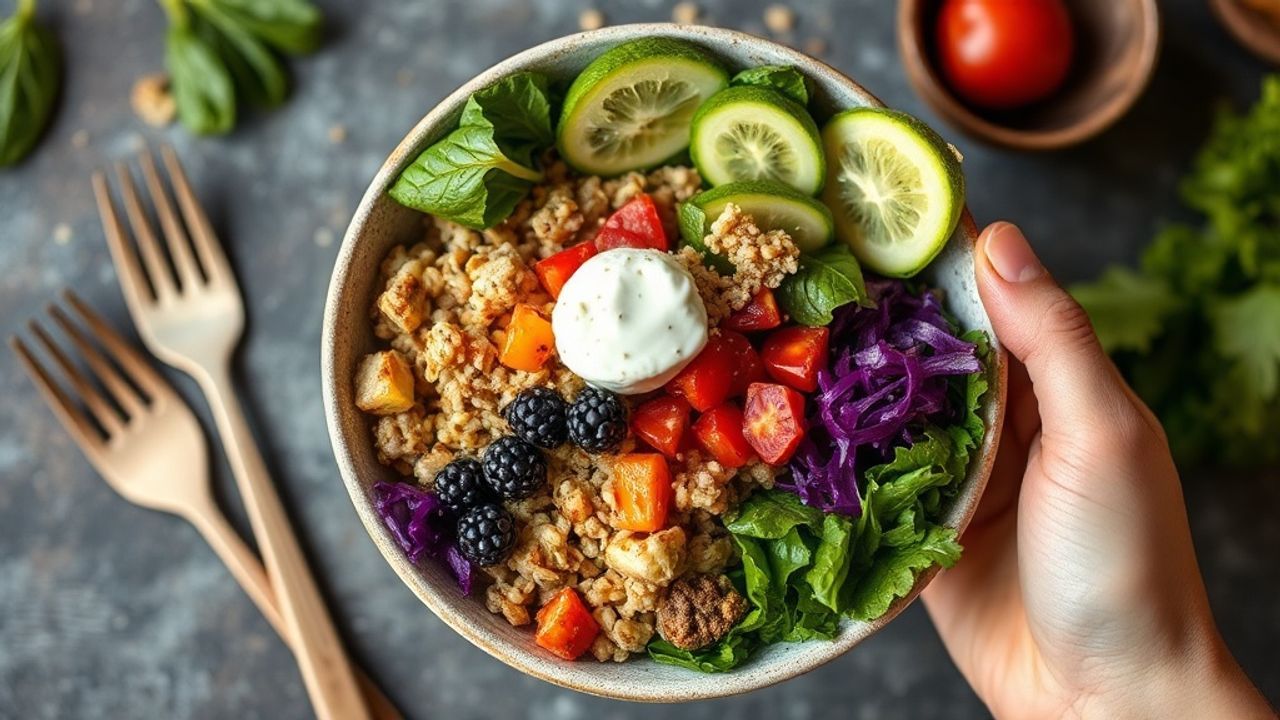
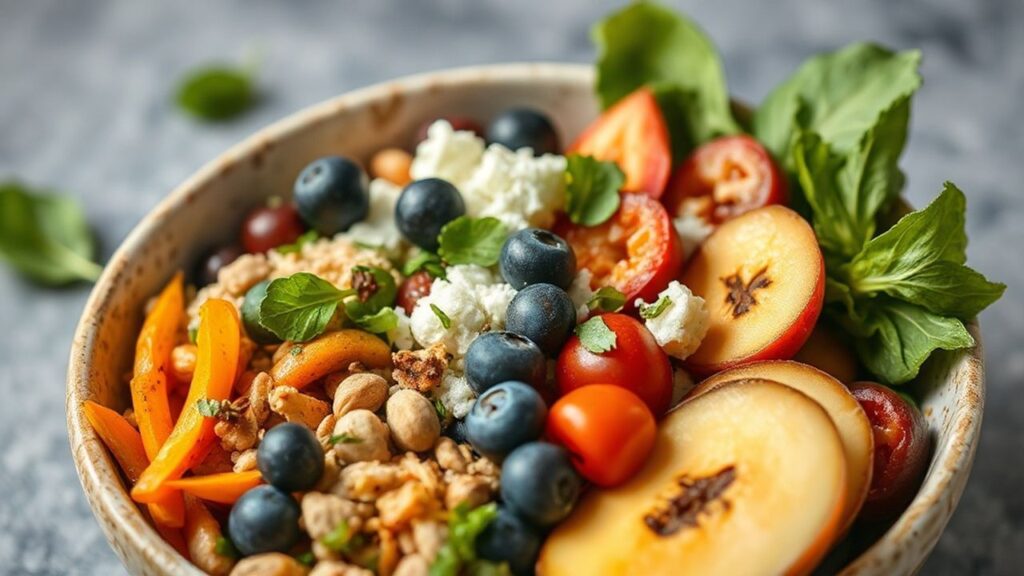
5. Assemble: divide quinoa between two bowls. Arrange chickpeas, edamame, spinach, carrot, beetroot, and avocado in sections. Drizzle tahini and a little sesame oil. Finish with toasted seeds and fresh herbs.
Practical Tips to Boost Protein and Flavor in Plant Bowls
Rotate protein sources to avoid monotony: swap chickpeas for lentils, add marinated tofu, or include tempeh to increase soy-based protein. Each swap alters texture and amino acid balance.
Layer textures: include crunchy radish or cucumber and a creamy element like avocado. This contrast increases palatability and encourages repeat consumption of Plant Bowls.
Batch-cook grains and legumes on a weekend to reduce weekday assembly time to 5–7 minutes. Store components separately to preserve texture and color.
Seasoning, Dressings, and Culinary Chemistry
Dressings bind flavors and help absorb fat-soluble vitamins from vegetables. Use tahini, lemon, miso, or simple vinaigrettes to complement the core ingredients. For a creamy option, blend avocado with lime and cilantro.
Balance acid, salt, fat, and texture in each Plant Bowl. A squeeze of lemon or a dash of apple-cider vinegar brightens dense ingredients and improves overall mouthfeel.
Serving Suggestions and Pairings
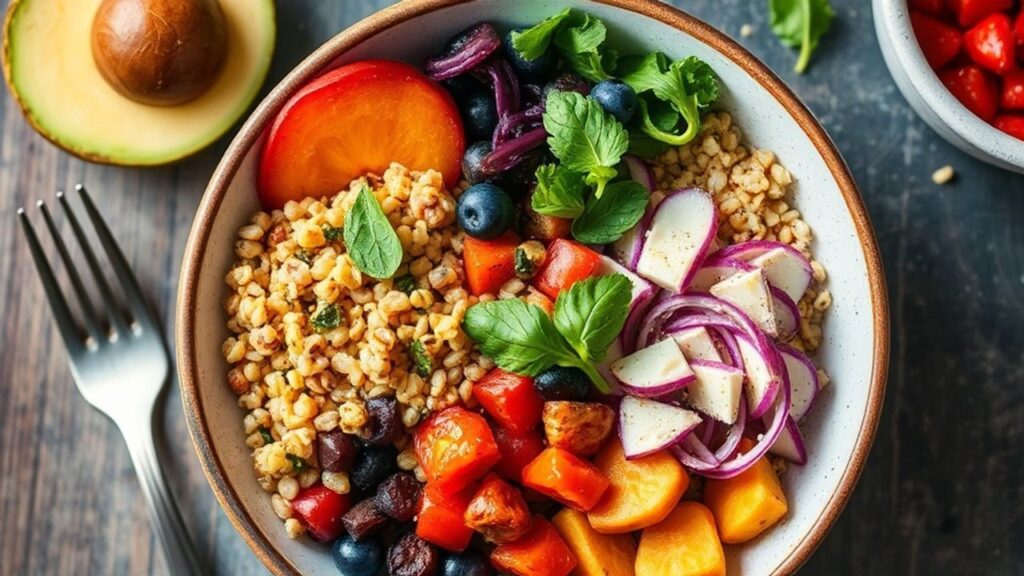
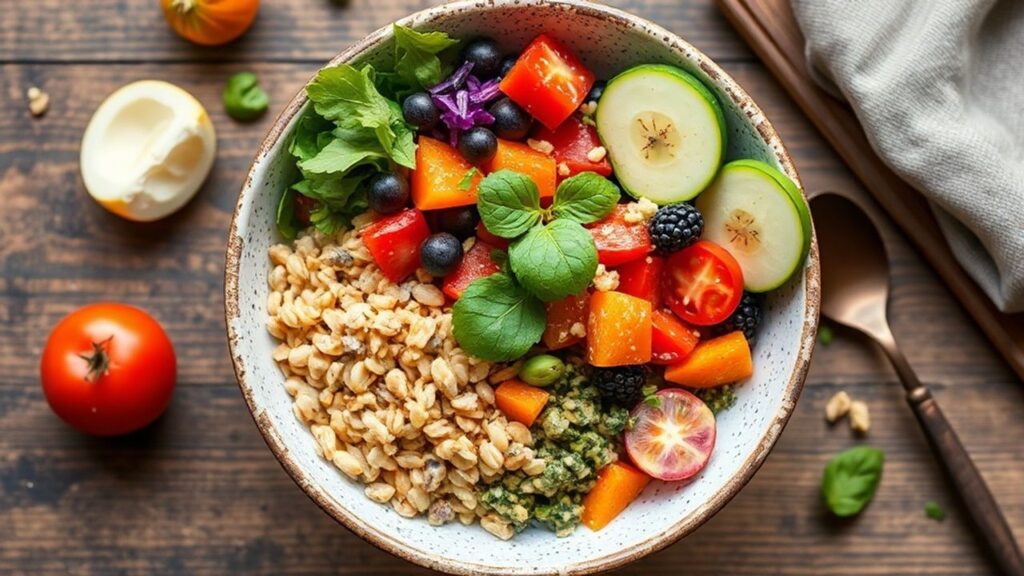
Present Plant Bowls on wide, shallow dishes to showcase colors. Garnish with lemon wedges, fresh herbs, and a sprinkle of nutritional yeast for a savory note.
Pair with chilled sparkling water or a light fermented beverage to aid digestion. For a protein-boosted snack, serve a small side of hummus or a seeded cracker.
| Nutrient | Per Serving |
|---|---|
| Calories | 480 kcal |
| Protein | 22 g |
| Carbohydrates | 55 g |
| Fat | 18 g |
For more practical meal ideas, explore internal guides like Vegan Protein Smoothie Recipes and Meal Prep: Plant Protein Staples to expand your repertoire of Plant Bowls and snacks.
Evidence, Variations, and Nutritional Notes
Plant Bowls can meet daily protein targets when composed intentionally. Combining grains with legumes and adding seeds yields a diversified amino acid profile supported by nutrient tables and dietetic practice.
Consider fortified nutritional yeast or a scoop of pea protein for athletes or individuals with higher protein demands. Track macronutrients if you have specific goals or dietary restrictions.
FAQ
How many Plant Bowls should I eat per week?
Two to five servings per week is reasonable for most people seeking variety and nutrient density. Adjust frequency based on caloric needs and activity level.
Can Plant Bowls supply complete protein?
Yes. By combining complementary proteins—grains like quinoa with legumes like chickpeas—you can achieve a complete amino acid profile within a single Plant Bowl.
How do I make Plant Bowls quick for weekday lunches?
Batch-cook quinoa, legumes, and roasted vegetables on one day. Store components separately and assemble bowls in under 10 minutes for fresh texture.
Are Plant Bowls suitable for weight management?
Plant Bowls are high in fiber and protein, which support satiety and portion control. Keep dressings measured to manage calorie density while preserving flavor.
What are good swaps for allergens?
Substitute seeds for nuts and use millet or buckwheat for gluten-free grain alternatives. Replace soy products with lentils or hemp seeds if soy-sensitive.
Plant Bowls are a practical, nutrient-forward strategy to increase plant protein and vegetable intake without sacrificing taste. With simple swaps and smart prep, these bowls fit varied diets and goals.
See also: Plant Bowls