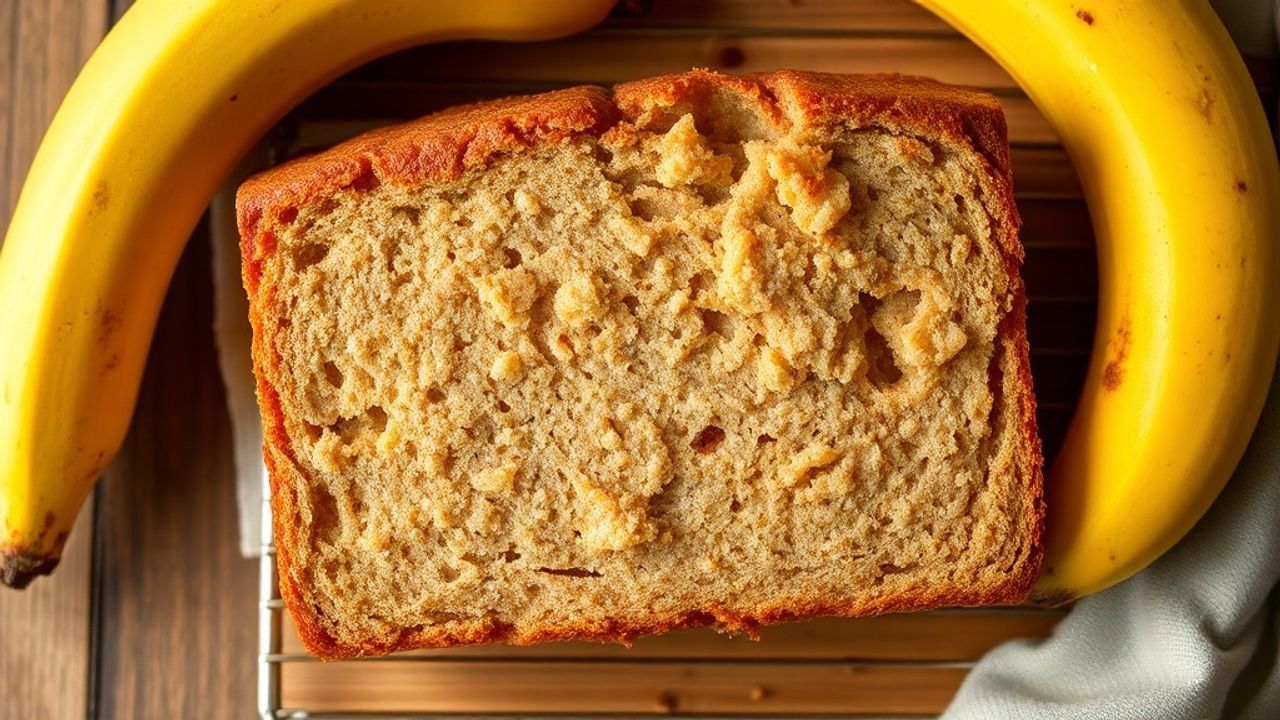
Introduction — Why this banana bread guide works
Banana bread remains one of the most forgiving and rewarding quick breads to bake at home. This guide focuses on practical, tested techniques so you can bake moist, evenly risen banana bread every time.
- Introduction — Why this banana bread guide works
- Choosing the Ripe Bananas That Make Better Banana Bread
- Ingredient Ratios and the Mix for Reliable Banana Bread
- Baking Techniques That Guarantee a Golden Crust and Tender Crumb
- Troubleshooting Common Banana Bread Problems
- Tips for Success and Variations
- Serving and Storage
- FAQ
- Use ripe bananas for the best natural sweetness and moisture.
- Balance fat and flour to avoid dryness or excessive density.
- Monitor oven time and test with a toothpick for perfect doneness.
- Store properly to extend freshness and texture.
Choosing the Ripe Bananas That Make Better Banana Bread
Banana ripeness determines flavor and moisture in the final loaf. For classic banana bread, pick bananas heavily freckled with brown spots; they provide concentrated sugar and soft flesh that blends smoothly into batter.
Under-ripe fruit gives less sweetness and a dry crumb. If you must speed-ripen, place bananas in a paper bag with a ripe apple for a day or two; the added ethylene accelerates softening. See general information on the banana fruit for context: banana.
How to judge ripeness
Look for brown freckling and a soft feel when the peel yields to gentle pressure. Smell the fruit: ripe bananas have a sweeter, more pronounced aroma that translates into flavor.
For measured control, mash a sample and taste. If it reads sweet and jammy, it will contribute both sugar and liquid to the banana bread without extra sweetener.
Ripening tricks that work
To convert firm bananas quickly, use a low oven roast: place whole, unpeeled bananas on a baking sheet at 300°F (150°C) for 10–15 minutes until skins blacken and flesh softens. Let cool before mashing.
Alternatively, freeze peeled bananas; thawed fruit yields a wetter mash useful for very moist loaves. Frozen banana tips are a reliable pantry tactic when you bake regularly.
Ingredient Ratios and the Mix for Reliable Banana Bread
Precise ratios control crumb and tenderness in banana bread. A dependable baseline is: 3 mashed medium ripe bananas, 1 cup sugar (or 3/4 cup brown sugar), 1/3 cup fat, 1 large egg, 1.5 cups all-purpose flour, 1 tsp baking soda, and 1/2 tsp salt.
Adjusting any component shifts texture: more fat softens crumb, extra flour firms it, and added sugar deepens color and caramelization. Keep the core ratios stable and tweak small amounts to suit mix-ins or flour swaps.
Fats and sugars — choices and effects
Butter delivers flavor and a slightly firmer crumb; neutral oils keep the loaf tender and moist. Use melted butter at room temperature to integrate easily into the wet mix.
Brown sugar adds molasses notes that complement banana. If you reduce sugar for health reasons, expect a paler crust and slightly firmer texture.
Flours and leavening — structure and lift
All-purpose flour gives a balanced structure. Replacing up to 1/4 cup with whole wheat or oat flour adds depth but increases chewiness; hydrate the batter slightly if you see a dry mix.
Use baking soda for rise when the batter contains acidic ingredients like brown sugar or yogurt. For background on leavening chemistry, see sodium bicarbonate and how it reacts.
Baking Techniques That Guarantee a Golden Crust and Tender Crumb
Temperature control, pan choice, and handling determine the difference between a good and a great banana bread. Preheat the oven to 350°F (175°C) and stabilize the temperature before the loaf enters.
Grease and parchment-line a 9×5-inch pan. Fill it two-thirds full to allow a steady domed rise without spillover. Bake on the center rack for even heat exposure.
Oven behavior and timing
Ovens vary; a calibrated oven thermometer gives reliable results. Start checking at 50 minutes; the toothpick test should show a few moist crumbs but no raw batter.
For a darker crust without overbaking, tent the loaf with foil after the top reaches a rich brown. Also consult the oven overview here: oven.
Mixing technique and pan prep
Use gentle folding: mix wet and dry components until just combined. Overmixing develops gluten, which produces a tough, dense loaf rather than a tender crumb.
Fold in nuts or chocolate chips at the end. Lightly flour add-ins to minimize sinking and distribute them evenly without deflating the batter.
Troubleshooting Common Banana Bread Problems
When banana bread sinks, underbaking and too much leavening are common culprits. Confirm baking time and weigh your baking soda next time to avoid overuse.
Dry crumb usually traces to insufficient banana moisture or excessive flour. If batter looks dry, stir in a tablespoon or two of yogurt or milk before baking to restore balance.
Dense or gummy textures
Excessive mixing or using high-protein flours causes density. Mix gently and use all-purpose flour unless the recipe specifically calls for bread or whole wheat flour.
Also check altitude and oven accuracy; both alter rise and moisture behavior. Small adjustments to time or temperature often restore the ideal crumb.
Sticky tops or uneven browning
Allow the loaf to cool fully in the pan for 10 minutes, then invert onto a rack. Immediate slicing steals moisture and can leave a tacky surface.
If the top browns too fast, lower the rack or reduce oven temperature by 10–15°F and extend bake time until the center sets.
Tips for Success and Variations
Simple tweaks yield consistent improvements in banana bread quality. Use room-temperature ingredients and measure flour by spooning into the cup and leveling; scooping compacts flour and leads to heavy loaves.
Store cooled slices wrapped or sealed to prevent staling. Freeze individual slices for up to three months; warm gently before serving for a fresh-baked mouthfeel.
Try these internal resources for related quick-bread ideas and recipe inspiration: Zucchini bread guide and banana bread variations.
Serving and Storage
Serve banana bread warm or at room temperature with a pat of butter, cream cheese, or a drizzle of honey. Sliced and toasted, it holds up well as a breakfast or snack option.
At room temperature, tightly wrapped banana bread stays fresh for 2–3 days. Refrigerate for up to a week or freeze slices wrapped individually for up to three months to retain optimal texture.
FAQ
How ripe should bananas be for best results?
Choose bananas with heavy brown freckling and a robust sweet aroma. These provide a concentrated sugar content and soft flesh that integrates easily into batter.
If you only have firm bananas, roast them at low heat or use the paper-bag method to accelerate ripening before baking.
Can I reduce sugar without ruining the loaf?
Yes. Reduce sugar by up to 25% and expect a slightly paler crust and less caramel flavor. Add a touch of brown sugar or molasses if you want deeper notes with less total sugar.
Remember that sugar affects moisture and structure; small reductions require small compensations in fat or baking time.
Is a loaf ever underbaked if the toothpick shows moist crumbs?
No. A clean toothpick indicates doneness; a few moist crumbs are normal and preferable to raw batter. If large wet streaks cling to the toothpick, bake an extra 5–10 minutes and retest.
Let the loaf rest in the pan for 10 minutes to set the crumb before removing to cool completely on a rack.
What mix-ins work best without causing collapse?
Chopped nuts, dried fruit, and chocolate chips work well when folded in gently. Toss add-ins lightly in flour to help suspend them throughout the batter and prevent sinking to the bottom.
Limit total add-ins to about 1/3 cup per loaf to avoid weighing down the rise and altering bake times substantially.
How can I make banana bread gluten-free?
Use a tested 1:1 gluten-free flour blend designed for baking, and expect minor adjustments in moisture—add an extra tablespoon of liquid if the batter seems too thick.
Almond or oat flour require recipe-specific adjustments; start with small batch trials and record successful ratios for future bakes.
Ready to bake? Follow the steps above with attention to banana ripeness, measured ratios, and gentle mixing. That routine delivers consistently moist, flavorful banana bread with a golden crust.
See also: banana bread