

Pearl Couscous Magic: Roasted Butternut & Sage Delight (Ready in 45 Minutes)
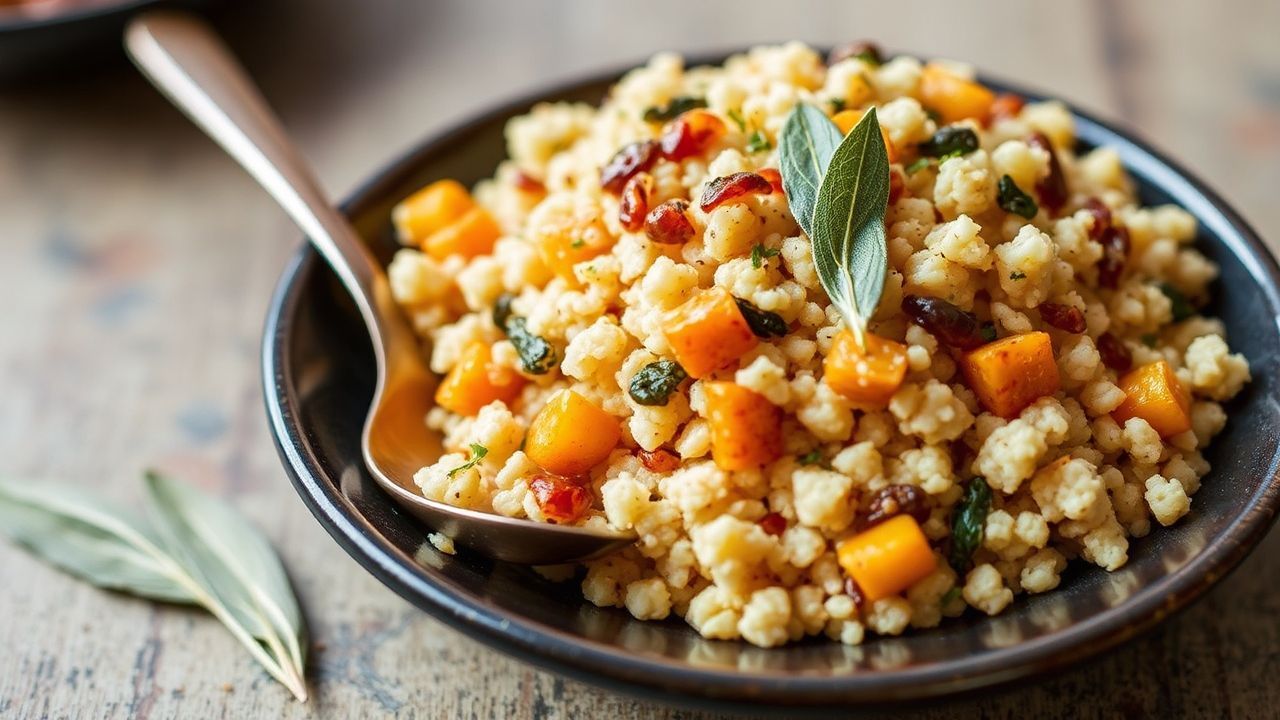
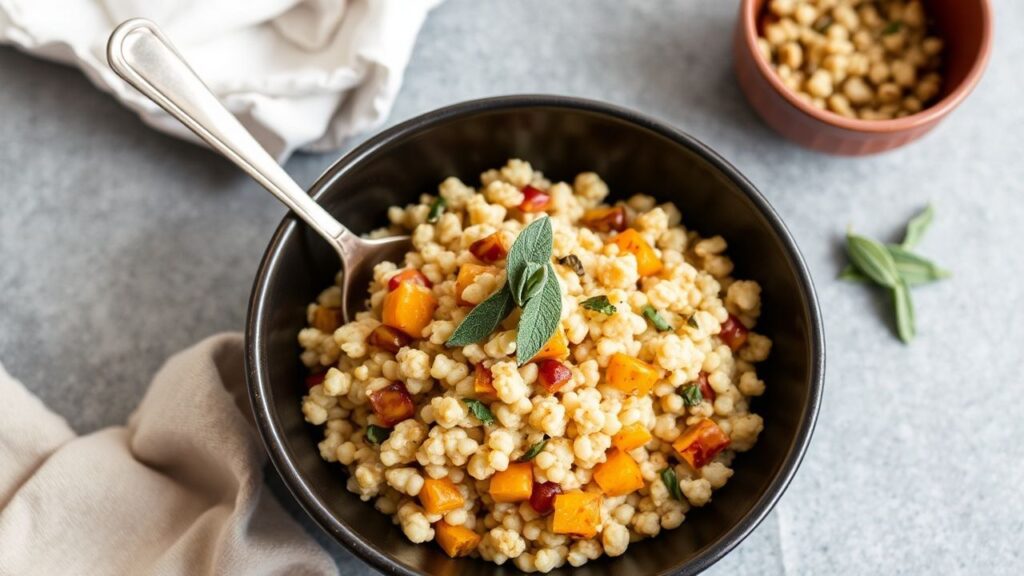
Pearl couscous magic comes from contrast: toasted, chewy pearls paired with sweet roasted butternut squash and the warm bite of fresh sage. This combination works because each ingredient brings a different flavor job—texture, sweetness, and aroma—then you tie them together with lemon and toasted nuts.
- Pearl Couscous Basics and Flavor Profiles
- Roasted Butternut Squash Techniques for Maximum Sweetness
- The Aromatic Influence of Fresh Sage in Savory Dishes
- Pairing Pearl Couscous Magic with Complementary Ingredients
- Prep and Cook Time
- Yield
- Difficulty Level
- Ingredients
- Instructions
- Tips for Success
- Serving Suggestions
- Nutritional Snapshot
- Q&A
- What makes pearl couscous different from regular couscous?
- Why roast butternut squash instead of steaming it?
- How do I keep fresh sage from tasting bitter?
- Can I make pearl couscous magic vegan?
- How do I store leftovers and keep the texture?
- In Retrospect
- Pearl couscous turns tender and chewy when you toast it before simmering.
- Roasted butternut develops caramel notes when you roast at high heat.
- Fresh sage stays fragrant when you sauté lightly and add at the right moment.
- Lemon brightens the whole bowl and balances the squash sweetness.
Build this dish for busy weeknights or calm dinner parties. You’ll feel the “magic” in the bowl—each bite tastes layered but still comforting.
Pearl Couscous Basics and Flavor Profiles
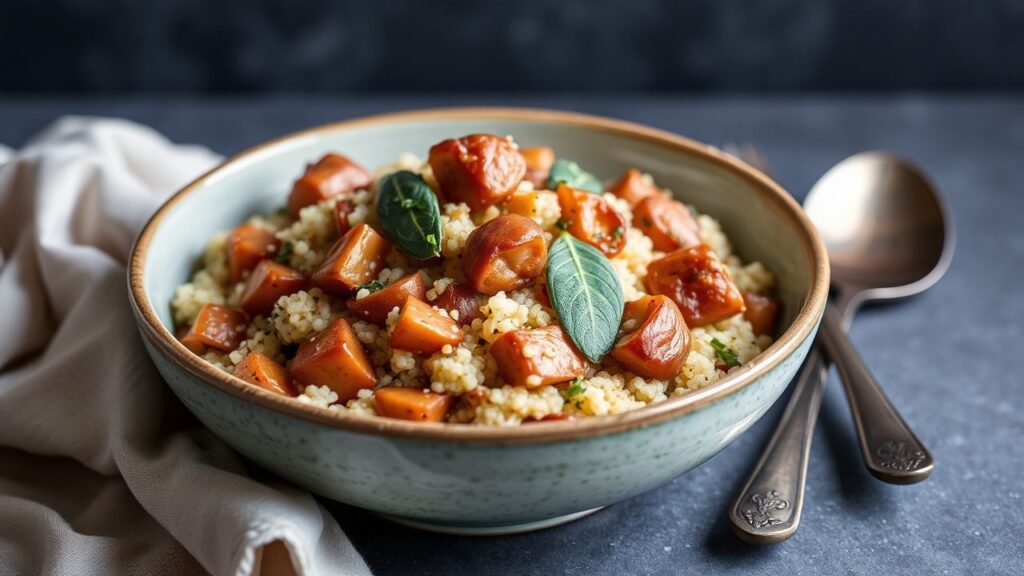
Pearl couscous is also called Israeli couscous, and it’s known for its larger, toasted pearls that hold a chew. Traditional couscous uses finer grains, so pearl couscous gives you more bite and a sturdier texture in warm salads or main bowls.
You’ll get the best flavor when you toast the dry pearls in oil first. That step deepens the nutty aroma and helps the couscous absorb broth evenly.
Think about flavor like this: mild grain + fragrant herbs + roasted sweetness. When you simmer gently, the pearls cook through without going mushy, and they keep their shape for every forkful. For a broader background on couscous traditions, see couscous.
Pair pearl couscous magic with earthy and bright accents. Lemon zest, fresh parsley, and a drizzle of olive oil add lift, while toasted nuts bring crunch and depth. These choices create balance rather than heaviness, especially when butternut squash is caramelized.
Roasted Butternut Squash Techniques for Maximum Sweetness
Roasting unlocks butternut squash’s natural sugars and builds savory caramel notes. Start with uniform 1-inch cubes so each piece reaches the same level of tender.
Coat the cubes in olive oil and salt, then spread them on a single layer. When you leave space on the tray, heat can circulate and you get browning instead of steaming.
Roast at about 425°F/220°C for 25–30 minutes, flipping once. Browning matters because Maillard reactions add complexity to the surface while the center stays soft. If you want the science behind browning, read Maillard reaction.
When the squash turns golden and yields to a fork, you’re ready to combine. Then let the squash cool for a few minutes. That quick rest keeps the bowl from turning watery and helps you get clean texture when you mix everything.
The Aromatic Influence of Fresh Sage in Savory Dishes
Fresh sage adds an earthy, slightly peppery aroma that lifts roasted vegetables. Its intensity works well with pearl couscous magic because the grain is mild and the herb stays noticeable in every bite.
Sauté sage in butter or olive oil for 2–3 minutes. You want crisp edges and fragrance, not burnt leaves. If you can smell the herb clearly, you’ve hit the sweet spot.
Sage belongs to the mint family and carries strong essential oils. Those oils release more easily with gentle heat, which is why sautéing works so well. For plant background, see sage.
Timing changes everything. Add sage to the dish after the couscous is cooked and fluff-ready. That keeps the aroma bright and stops the herb from fading into a flat background note.
Then finish with lemon juice and zest. Citrus cuts the richness of butter and balances the sweetness of roasted squash. If you like understanding acids in cooking, explore acid.
Pairing Pearl Couscous Magic with Complementary Ingredients
This recipe shines when you build layers: sweet squash, chewy couscous, crisp nuts, and fresh herbs. Keep toppings simple so the base flavors stay in control.
Start with crunch. Toasted pine nuts add buttery flavor, while walnuts offer a deeper earthiness. For a quick overview of nuts in cooking, visit nut.
Then add brightness. Lemon zest and juice wake up the dish and help sage taste cleaner. You can also include parsley for a fresh green lift that makes the bowl look as good as it tastes.
For optional creaminess, use shaved Parmesan or a spoon of Greek yogurt. Both add salt and smooth texture, so the roasted edges feel even more savory. If you choose vegan, select a plant-based alternative with a similar fat profile to maintain mouthfeel.
Serve this couscous warm, then garnish right before eating. That timing keeps nuts crisp and herbs fragrant.
Roasted Vegetable Tip: If you add extra vegetables, keep them similarly roasted or quick-cooked. Too many wet components can dilute the pearl couscous texture.
After you roast, you can also taste the squash. If it needs a pinch more salt, adjust before mixing. That small step keeps the final bowl balanced.
Finally, fluff the couscous with a fork. That action separates pearls and prevents clumps when you combine with squash and sage.
Now you have the flavor system in place: toast, roast, sauté, then brighten.
Prep and Cook Time
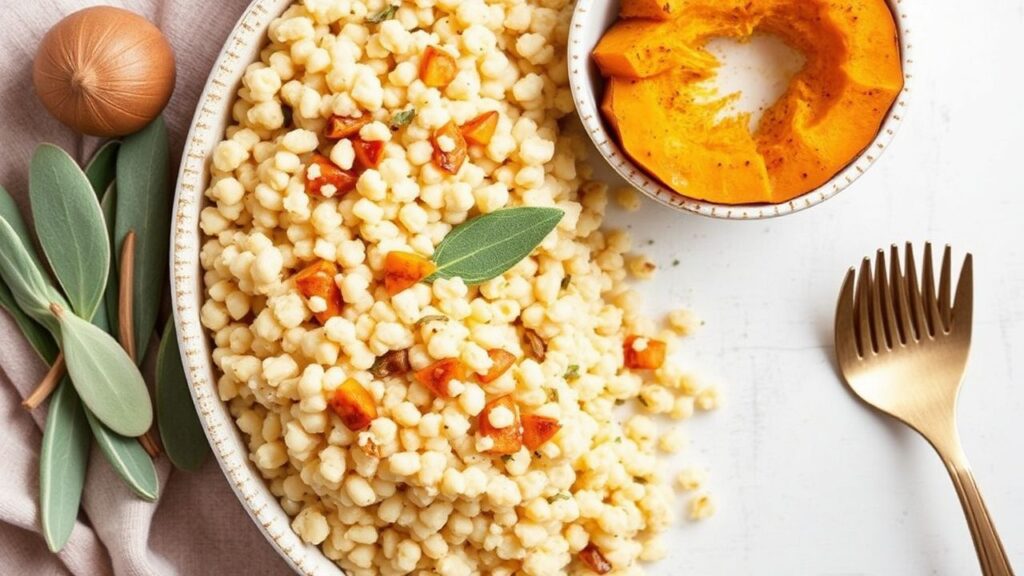
This dish moves at a steady pace and works well for meal prep. Most hands-on work happens while you roast squash and toast couscous.
- Preparation: 15 minutes
- Cooking: 30 minutes
- Total Time: 45 minutes
Yield
This recipe makes enough for a small crowd. The texture holds well even if you serve it slightly later.
- Serves 4 generous portions
Difficulty Level
You don’t need special equipment. A saucepan and a skillet handle the main steps.
- Easy to Medium – Great for confident beginners and seasoned cooks alike
Ingredients
Use fresh sage for the best aroma. If you substitute dried sage, use less because dried herbs concentrate flavor.
- 1½ cups pearl couscous (Israeli couscous)
- 3 cups low-sodium vegetable broth
- 3 cups butternut squash, peeled and diced into 1-inch cubes
- 3 tbsp extra virgin olive oil, divided
- 1 tsp kosher salt, divided
- ¼ tsp freshly ground black pepper
- 12 fresh sage leaves
- 2 cloves garlic, minced
- ½ cup toasted pine nuts
- Zest and juice of 1 lemon
- 2 tbsp chopped fresh parsley
- Shaved Parmesan or vegan cheese (optional)
Instructions
Follow the steps in order to keep timing smooth. Roasted squash and toasted couscous should meet around the same time.
- Preheat your oven to 425°F (220°C). Toss butternut squash cubes with 2 tbsp olive oil, ½ tsp salt, and ¼ tsp black pepper. Spread evenly in a single layer on a baking sheet. Roast for 25–30 minutes, flipping halfway, until golden and tender. Set aside.
- While squash roasts, toast the pearl couscous. Heat 1 tbsp olive oil in a medium saucepan over medium heat. Add pearl couscous and toast, stirring frequently, for about 5 minutes, until lightly golden and fragrant.
- Simmer in broth. Pour in vegetable broth and bring to a gentle simmer. Reduce heat to low, cover, and cook for 10–12 minutes, or until all liquid is absorbed and couscous is tender. Fluff with a fork.
- Bloom the sage and garlic. In a small skillet, heat a drizzle of olive oil over medium heat. Add fresh sage leaves and minced garlic; sauté until sage is crisp and fragrant, about 2–3 minutes. Remove from heat.
- Combine and finish. Stir roasted butternut squash, toasted couscous, and sautéed sage with garlic together. Add lemon zest, lemon juice, toasted pine nuts, and chopped parsley.
- Adjust seasoning with additional salt or pepper to taste.
- Serve warm, optionally topped with shaved Parmesan or vegan cheese.
Tips for Success
Small technique choices protect texture and flavor. Use these checks as you cook.
- Roast evenly: Keep squash cubes uniform to prevent uneven cooking and maximize sweetness.
- Toast your couscous: This step builds nutty flavor and reduces clumping.
- Sage magic: Add sage after couscous cooks so aroma stays vivid.
- Make-ahead tip: Roast squash and cook couscous up to 24 hours ahead. Reheat gently, then combine and finish with lemon and nuts.
- Substitutions: Swap pine nuts with toasted almonds or walnuts for different crunch.
Serving Suggestions
Serve pearl couscous magic as a warm vegetarian main or a hearty side. Garnish right before eating for best aroma and texture.
Plate with extra parsley and a handful of toasted pine nuts. Add a light lemon vinaigrette salad on the side if you want more brightness and a crisp contrast.
If you enjoy creamy balance, serve with Greek yogurt or a sprinkle of Parmesan. The creamy element softens the roasted edges without dulling the sage.
Nutritional Snapshot
Nutrition can vary by brand and portion size. Use this table as a helpful baseline for planning.
| Nutrient | Per Serving |
|---|---|
| Calories | 320 |
| Protein | 7g |
| Carbohydrates | 48g |
| Fat | 9g |
Q&A
Quick answers help you troubleshoot and cook with confidence. If you’re new to pearl couscous, start here.
What makes pearl couscous different from regular couscous?
Pearl couscous uses larger grains, so it stays chewy and holds texture better in warm bowls. Regular couscous cooks faster and often feels softer because the grains are finer.
Why roast butternut squash instead of steaming it?
Roasting browns the surface and builds caramel flavor. Steaming cooks squash, but it keeps flavor lighter and more watery.
How do I keep fresh sage from tasting bitter?
Sauté sage briefly and remove it before it turns dark. Fresh sage tastes bright when it’s heated gently and added at the end.
Can I make pearl couscous magic vegan?
Yes. Use olive oil instead of butter, then add richness with toasted nuts and optional vegan cheese. Lemon and parsley still balance the sweet roasted squash.
How do I store leftovers and keep the texture?
Cool the dish quickly and refrigerate in a sealed container. Reheat gently with a splash of broth or water so the pearls loosen without becoming mushy.
In Retrospect
Pearl couscous magic brings together warm grain chew, sweet roasted butternut, and the earthy whisper of fresh sage. Each step supports the final result: toast for aroma, roast for caramel, sauté for fragrance, then brighten with lemon.
When you cook with timing and simple technique, the dish feels special without being complicated. Make it once, and you’ll understand why this flavor pairing keeps showing up in cozy autumn tables and smart weeknight menus.
See also: pearl couscous