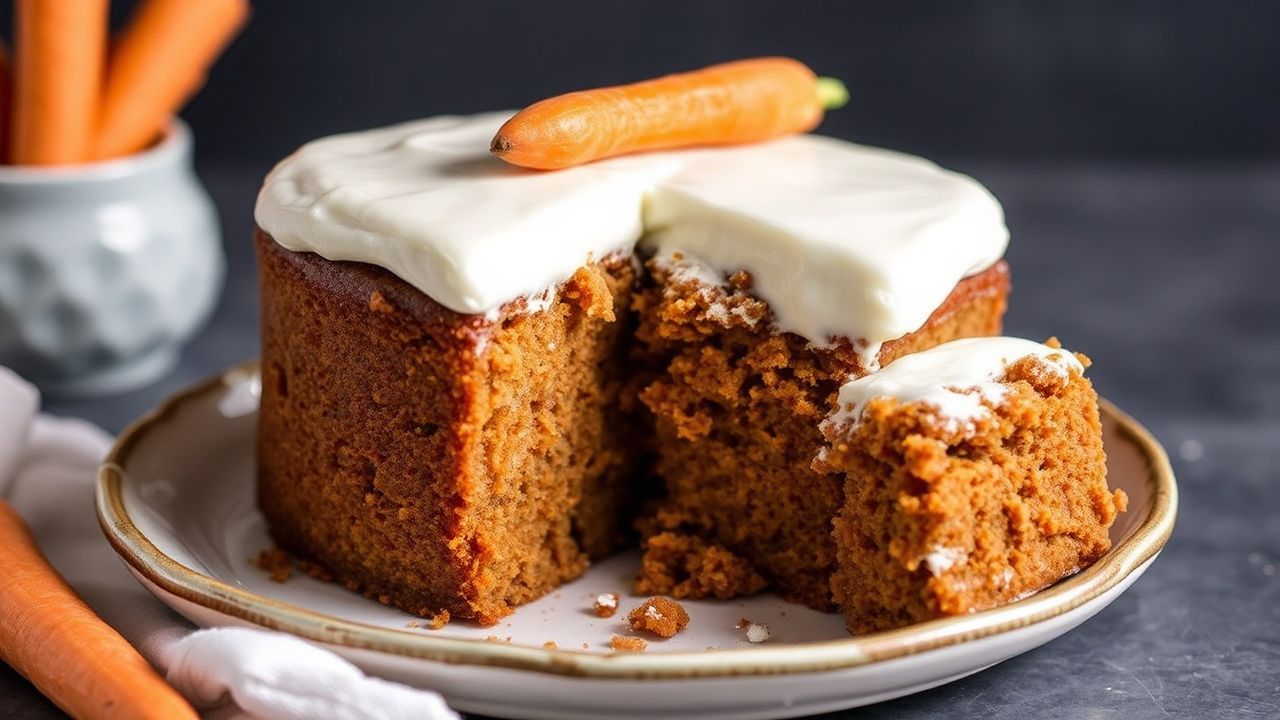
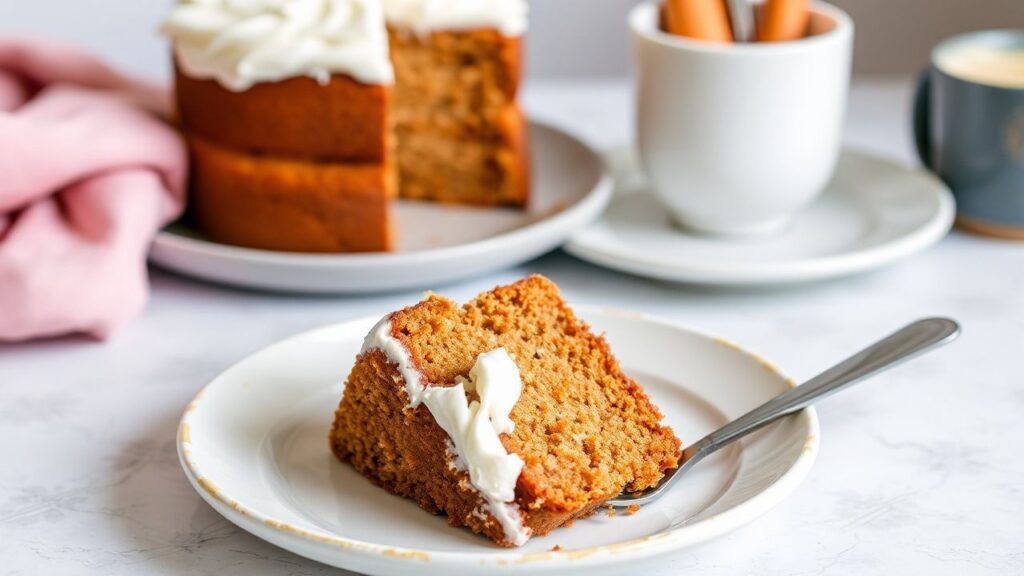
Finding a dessert that feels indulgent while still supporting clean, simple ingredients can be a real win. This Paleo Carrot Cake with Creamy Cashew Frosting Bliss delivers that balance through warm spices, naturally sweet carrots, and a dairy-free cashew topping.
- Why This Paleo Carrot Cake Works
- Prep and Cook Time
- Yield and Difficulty
- Ingredients
- Instructions
- Tips for Success with Paleo Carrot Cake
- Flavor Variations That Stay On-Theme
- Serving Suggestions
- Q&A
- What makes Paleo Carrot Cake Delight different from traditional carrot cake?
- How do I get creamy cashew frosting instead of grainy frosting?
- Can I make this paleo carrot cake ahead of time?
- How do I keep the cake moist and tender?
- Is it safe for nut allergies?
- Wrapping Up
- Moist, spiced crumb: finely grated carrots and balanced paleo flours create tender texture.
- Real “frosting” feel: soaked cashews blend into a smooth, spoonable layer.
- Grain-free by design: almond and coconut flour replace wheat flour.
- Make-ahead friendly: flavor improves after a short rest in the fridge.
In this recipe, the carrot cake portion stays light and flavorful without refined sugar. Then the creamy cashew frosting adds a tangy, rich finish that mirrors classic carrot cake—just with paleo-friendly ingredients.
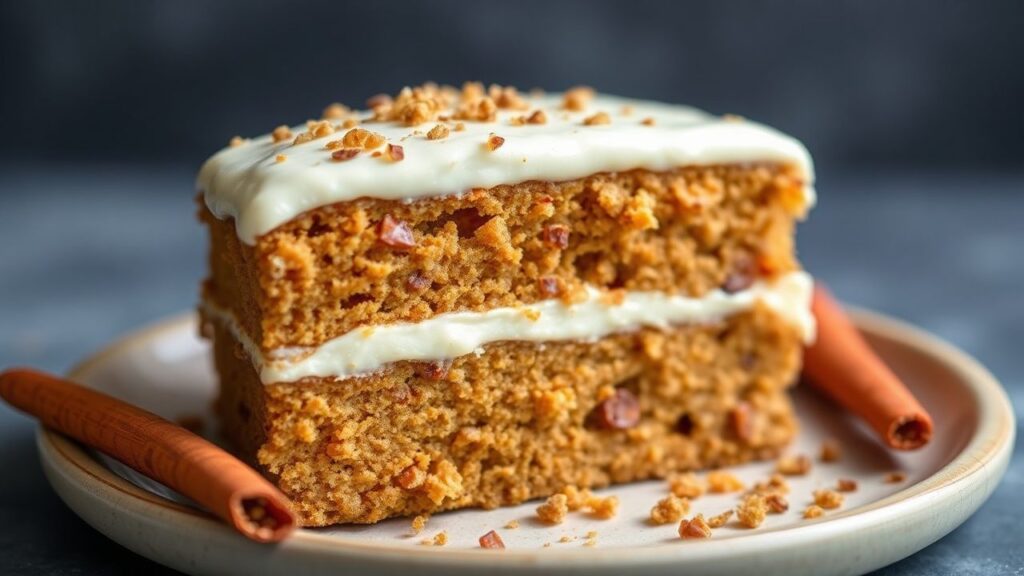
Paleo Carrot Cake (8-Inch) with Creamy Cashew Frosting Bliss
Paleo Carrot Cake Delight: Creamy Cashew Frosting Bliss is built for people who want familiar dessert comfort with cleaner ingredient choices. It uses almond flour and coconut flour for structure, plus eggs for lift and a tender crumb.
The frosting relies on soaked raw cashews blended until ultra-smooth. That soak time softens the nuts, reduces graininess, and helps the mixture emulsify into a creamy texture.
Why This Paleo Carrot Cake Works
Classic carrot cake gets its flavor from carrots, spices, and a sweet layer of frosting. Here, carrots still provide natural sweetness and moisture, while spices like cinnamon and nutmeg create that recognizable “baked dessert” aroma.
For the paleo foundation, almond and coconut flour behave differently than wheat flour. Almond flour contributes richness and tenderness, while coconut flour absorbs more liquid, so the recipe uses the right ratio to prevent a dry result.
If you want to understand the ingredient logic, it helps to know how flours behave. Almond flour is a nut-based flour that adds fat and mild flavor, while coconut flour absorbs moisture and helps set the crumb. See the basics of almonds and how nut ingredients fit into baking.
Also, cashew frosting works when fat and water blend into a stable emulsion. Soaked cashews release starches and soluble components that help thicken the mixture. For background on the nut you’re using, check cashew.
Prep and Cook Time
- Preparation: 20 minutes
- Cooking: 35-40 minutes
- Total Time: about 60 minutes (plus soaking time)
Plan extra time for cashew soaking. A minimum soak of 4 hours creates better blending, while overnight soaking often gives the smoothest texture.
This timeline fits most busy schedules because you can bake the cake, then blend frosting while the cake cools. When you chill the cake briefly, the frosting sets and slices cleanly.
Yield and Difficulty
This recipe makes one 8-inch round cake that serves about 8 people. If you cut smaller slices, you may stretch to 10 servings.
Difficulty: Medium. You don’t need advanced techniques, but you do need careful mixing and correct bake timing to keep a grain-free crumb tender.
Ingredients
For the Carrot Cake
- 2 cups finely grated organic carrots (about 3-4 medium carrots)
- 1 ¾ cups almond flour, tightly packed
- ½ cup coconut flour, sifted
- 1 tsp baking soda
- 1 tsp ground cinnamon
- ½ tsp ground nutmeg
- ½ tsp ground ginger
- ¼ tsp sea salt
- 3 large organic eggs, room temperature
- ⅓ cup raw honey or pure maple syrup
- ⅓ cup melted coconut oil
- 1 tsp pure vanilla extract
- ⅓ cup chopped pecans or walnuts (optional, for texture)
Use room-temperature eggs for easier mixing and a smoother batter. Finely grated carrots distribute moisture evenly and help prevent pockets of sogginess.
If you prefer a tighter spice profile, start with the full amount listed. Spices concentrate as the cake bakes, so this set of measurements creates a balanced “carrot cake” flavor without tasting like only cinnamon.
For the Creamy Cashew Frosting
- 1 ½ cups raw cashews, soaked for at least 4 hours (or overnight), then drained
- ⅓ cup fresh lemon juice
- ¼ cup pure maple syrup
- ½ cup full-fat coconut cream (top layer from chilled coconut milk)
- 1 tsp vanilla extract
- Pinch of sea salt
Lemon juice adds brightness and helps balance the sweetness. Coconut cream contributes thickness so the frosting spreads well and holds shape after chilling.
Cashew texture depends heavily on blend time and liquid ratio. If your blender runs less powerful, blend longer and scrape down the sides often.
Instructions
- Preheat your oven to 350°F (175°C). Lightly grease an 8-inch round cake pan and line the bottom with parchment paper.
- Mix the dry ingredients. In a large bowl, whisk almond flour, coconut flour, baking soda, cinnamon, nutmeg, ginger, and sea salt until uniform.
- Prepare the wet ingredients. In a separate bowl, beat eggs with honey (or maple syrup), melted coconut oil, and vanilla extract until smooth.
- Combine carrot and nuts. Fold grated carrots and chopped nuts (if using) into the dry mixture gently.
- Bring wet and dry together. Slowly add the wet mixture to the dry ingredients. Stir just until incorporated. Avoid overmixing for a tender crumb.
- Transfer batter to the pan. Pour batter into the prepared pan and smooth the top.
- Bake. Bake 35-40 minutes, until a toothpick inserted in the center comes out clean or with a few moist crumbs.
- Cool completely. Rest in the pan 15 minutes, then move to a wire rack. Frost only when the cake is cool to prevent melting.
- Prepare the cashew frosting. Blend soaked cashews, lemon juice, maple syrup, coconut cream, vanilla, and salt until very smooth (about 3-5 minutes). Scrape the blender jar as needed.
- Frost and set. Spread frosting over the cooled cake. Chill 30 minutes to firm slightly before slicing.
When you fold carrots into the dry mix, you help the moisture distribute before baking. That step improves consistency and reduces dry edges.
During baking, ovens vary. Start checking at minute 32. For grain-free cakes, a toothpick should come out clean because coconut flour can set quickly and hold shape.
If you want a reference on how eggs support baking structure, review eggs in cooking. This recipe uses eggs as the primary binder and lift element in a grain-free system.
Tips for Success with Paleo Carrot Cake
Small adjustments change the final crumb a lot. Follow these tips to keep your cake moist, spiced, and slice-ready.
- Grate carrots finely: even shreds create better moisture distribution.
- Soak cashews thoroughly: better soak leads to smoother blending.
- Mix wet and dry slowly: this reduces overdevelopment and keeps the crumb tender.
- Use fresh spices: spices lose aroma over time, so fresh-ground gives stronger flavor.
- Make ahead: chill cake and store covered for best texture.
Carrot cake flavor improves after resting because the spices and natural sugars settle into the crumb. Plan to bake a day ahead if you want the richest taste.
For a quick science note on why soaking matters, cashews contain compounds that soften with water and time. Read more about nuts and how plant-based foods behave in preparation methods.
When blending, scrape down the sides at least twice. Cashew particles stick to the container walls, and uneven blending can leave a grainy top layer even if the base looks smooth.
Flavor Variations That Stay On-Theme
You can personalize this Paleo Carrot Cake without breaking its core structure. Keep changes small so the almond/coconut flour ratio and the cashew frosting balance remain intact.
For example, consider adding finely chopped toasted pecans to the cake batter. Toasting boosts aroma and creates a more “classic carrot cake” feel while staying paleo-friendly.
If you like a deeper spice profile, increase ground ginger by ¼ tsp. Ginger adds warmth that pairs well with lemon brightness in the frosting.
For a different texture, fold in shredded unsweetened coconut in place of some nuts. Keep the total dry add-ins close to the original amount so the crumb stays tender.
Serving Suggestions
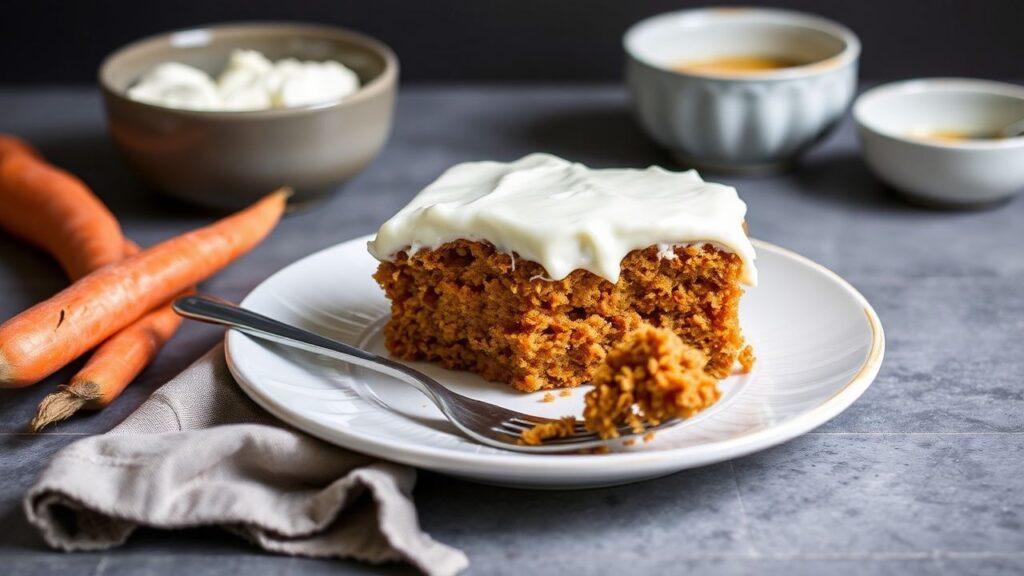
This Paleo Carrot Cake Delight tastes best chilled, but it’s even nicer if you let slices sit at room temperature for 10-15 minutes. That timing softens the frosting and improves the cake’s aroma.
Top each slice with a light sprinkle of crushed toasted pecans for crunch. Add a few thin carrot ribbons or edible flowers if you want a simple, elegant presentation for guests.
Pair with herbal tea or coffee to balance the natural sweetness. The acidity from lemon also helps cut through richness, so the slice feels lighter even with creamy frosting.
If you want to explore related baking ideas, use paleo diet principles as a guide for ingredient choices and substitutions.
| Nutritional Info (per serving) | Calories | Protein | Carbs | Fat |
|---|---|---|---|---|
| Carrot Cake with Cashew Frosting | 320 | 8g | 22g | 23g |
These values are estimates and depend on ingredient brands, portion sizes, and how much frosting each slice receives. If you track macros, weigh slices after frosting and use your own ingredient nutrition data for the most accurate results.
To understand the broader role of carrots in food and cooking, you can review carrots and their natural flavor profile. Carrots bring sweetness and color, which helps this cake feel festive even with clean ingredients.
Q&A
What makes Paleo Carrot Cake Delight different from traditional carrot cake?
It uses almond flour and coconut flour instead of wheat flour, and it relies on natural sweeteners like honey or maple syrup. It also stays dairy-free by replacing classic frosting with cashew-based frosting.
Because the ingredient system changes, baking time and mixing approach matter. This recipe uses correct ratios and gentle mixing so the grain-free crumb bakes tender, not dense.
How do I get creamy cashew frosting instead of grainy frosting?
Soak cashews long enough for them to soften, then blend with enough liquid to create a smooth emulsion. Blend until the frosting looks glossy, and scrape down the jar during blending.
If you still see texture, add water in 1-tablespoon increments and blend again. This method prevents over-thinning and keeps the frosting spreadable.
Can I make this paleo carrot cake ahead of time?
Yes. Bake the cake, cool it fully, then frost and chill. Overnight chilling often improves spice flavor and makes slicing cleaner.
Store the cake tightly covered in the refrigerator. Let slices warm slightly at room temperature for the best frosting texture.
How do I keep the cake moist and tender?
Use finely grated carrots and measure almond and coconut flour accurately. Overpacking coconut flour or skipping sifting can change absorbency and lead to a dry crumb.
Also avoid overmixing after adding wet ingredients. Gentle mixing protects the tender texture that makes this Paleo Carrot Cake Delight feel “bakery-style.”
Is it safe for nut allergies?
This recipe uses almond flour and cashews, so it’s not suitable for people with almond or cashew allergies. If you need nut-free options, you would have to redesign the recipe to use safe substitutes.
For guidance on allergen basics, you can review food allergy information from reliable references. Always check labels and confirm substitutions with your allergen-free plan.
Wrapping Up
This Paleo Carrot Cake Delight delivers the comforting taste people expect from carrot cake, then upgrades it with paleo-friendly ingredients. The spiced, moist crumb pairs with creamy cashew frosting that spreads easily and tastes rich without dairy.
If you bake it once, you’ll see how well clean ingredients can still feel indulgent. Serve it chilled, slice it neatly, and enjoy that classic dessert vibe with a modern ingredient approach.
See also: Paleo Carrot Cake