
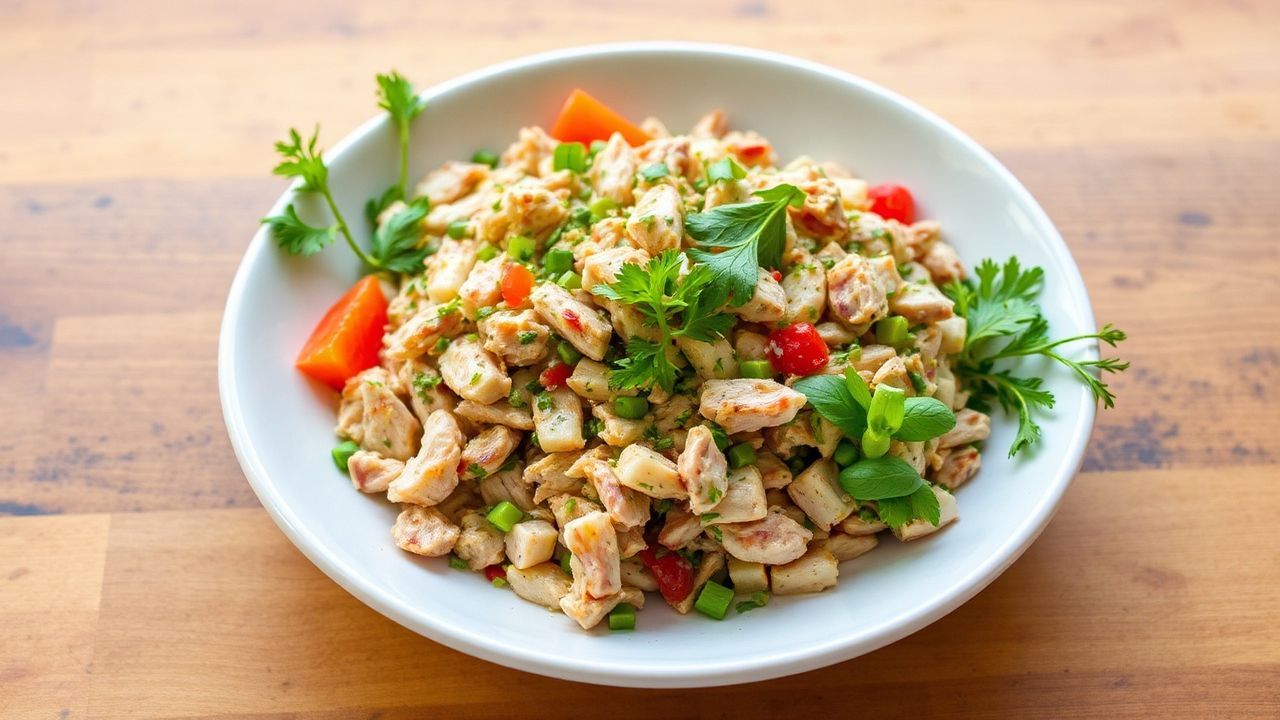
When you want something light but still deeply satisfying, a duck herb salad hits the sweet spot. Minced duck brings savory richness, while fresh herbs and citrus keep the whole bowl tasting clean and lively. You get bold, tangy flavor without the heaviness of a hot entrée.
- Zesty Duck Herb Salad: What Makes It Taste “Restaurant Bright”
- The Herb Blueprint: Build Aroma With the Right Leaves
- Zesty Dressing That Coats, Not Clings
- Flavor Ratio: Sweet, Sour, Salty, Hot (In That Order)
- Fish Sauce and Umami: Why the Small Amount Matters
- 10-Minute Method: Cook Duck, Mix Dressing, Toss Fast
- Texture and Flavor Troubleshooting (So It Never Fails)
- Salad turns watery
- Herbs taste flat or muted
- Dressing tastes too sweet
- Dressing tastes too harsh or sour
- Serving Ideas That Make Guests Want Seconds
- Lettuce cups for handheld freshness
- Bed of rice for a fuller meal
- Garnish strategy: build aroma in layers
- Make-Ahead Planning Without Losing Freshness
- Nutritional Snapshot (Estimated)
- FAQ
- Flavor system: lime + fish sauce + palm sugar for sweet-sour-savory balance.
- Herb mix: mint, cilantro, and Thai basil for aromatic lift that stays bright.
- Texture rule: thin cucumber + toasted peanuts for crunch against tender duck.
- Timing: toss right before serving to protect aroma and crispness.
This salad works for two modes: a weeknight dinner that feels special, or a crowd-pleasing appetizer with restaurant-style presentation. The key is not just the ingredients—it’s how you cook, cool, and combine them so the flavors stay vivid.
Zesty Duck Herb Salad: What Makes It Taste “Restaurant Bright”
The “bright” part comes from chemical balance, not just adding sour ingredients. Lime provides acidity that wakes up your taste receptors, while fish sauce adds umami that makes the herbs taste more fragrant. When you also include a small amount of sugar, you round off the edges so no single note dominates.
Herbs do the rest, but only when you treat them correctly. If you chop herbs too early or let them sit in a wet bowl, their volatile aroma compounds fade and the salad tastes dull. For the best results, you want herbs to hit the palate at the same moment the duck’s hot fat releases aroma.
For background on how acidity supports flavor perception, you can review acids. It’s the same reason a quick citrus dressing makes grilled meats taste more vivid.
Why Minced Duck Works Better Than You’d Expect
Minced duck cooks fast because its surface area increases, which accelerates browning and reduces moisture. Browning adds deeper savory notes through Maillard reactions, creating a richer base for the lime-and-herb dressing. That base matters because a salad dressing alone rarely tastes “complete” without real protein flavor.
Also, duck fat coats ingredients lightly. That helps carry herb aromas across your tongue, so the herbs feel more present instead of floating behind the dressing. If you remove too much rendered fat, the salad can taste sharp but flat.
If you want science behind browned flavors, check Maillard reaction to understand why searing and browning change flavor complexity.
The Herb Blueprint: Build Aroma With the Right Leaves
A zesty duck herb salad needs a layered herb strategy. You want one or two “cool” aromatics (like mint), one “clean green” herb (like cilantro), and one slightly sweet, warm note (like Thai basil). Each leaf targets a different flavor sensation, so the salad tastes bigger than the ingredient list.
Use fresh herbs whenever possible. Dried herbs lack the same volatile oils, which means they can’t deliver the same punch in a lime-forward dressing.
Core Herbs That Pair Naturally With Duck
Mint cools and brightens, especially when lime hits first. Cilantro adds a crisp green snap that keeps the duck from feeling too heavy. Thai basil adds an anise-like warmth and a gentle sweetness that pairs well with citrus and chili.
Add green onion for a mild onion edge and a fresh crunch. When you slice green onion thin, it softens slightly without turning watery, which supports the salad’s texture goal.
For more on herb flavor chemistry and why fresh leaves behave differently, read about essential oils. Aromas in herbs largely come from these compounds, and heat or time can change them.
Optional Upgrades: Dill, Chives, and Crunchy Greens
If you want variety, you can add dill in small amounts. Dill’s bright, slightly tangy notes can echo the dressing without overwhelming it. Chives work too, but use them like seasoning—sparingly.
You can also add crunchy greens like shredded romaine or iceberg for extra stability. Crisp greens hold up better if you’re serving to guests over 20–30 minutes.
Zesty Dressing That Coats, Not Clings
The dressing defines everything. Your goal is a “thin coat” that spreads across duck and herbs without turning syrupy. If your dressing clings too heavily, cucumber turns limp and herbs wilt faster.
A simple method helps: whisk the citrus and fish sauce first, dissolve sugar fully, then add chili and sesame oil last. That order keeps the flavor balanced and helps the fats disperse evenly.
Flavor Ratio: Sweet, Sour, Salty, Hot (In That Order)
Start with lime juice for acidity. Add fish sauce for savory depth. Include palm sugar to round the sharpness. Finally, add chili for heat, and adjust based on how spicy your chili tastes raw.
If you can’t get palm sugar, light brown sugar works in smaller quantities. You’ll likely need a slightly larger splash of lime to keep the final taste bright.
Fish Sauce and Umami: Why the Small Amount Matters
Fish sauce delivers more than salt. It contains glutamates and other flavor compounds that increase perceived savoriness. That makes the herbs taste “cleaner” because your palate reads the overall mix as fuller rather than empty.
To ground your understanding, review umami. It explains why savory ingredients and acidity work together so well.
10-Minute Method: Cook Duck, Mix Dressing, Toss Fast
You can build this duck herb salad with minimal steps and still keep maximum freshness. The process works because you cook the duck separately, cool it slightly, and only then toss with cucumber and herbs.
Plan your workflow: make dressing first, cook duck second, slice vegetables third, and toss last. This timing reduces herb wilting and prevents cucumber from weeping too much liquid.
Step-by-Step Recipe (Serves 4 as a light meal or 6 as an appetizer)
Ingredients (adaptable for your preferred heat and herb intensity):
For the salad: 400g minced duck breast; 1 small cucumber, thinly sliced or julienned; 1/4 cup toasted peanuts, roughly chopped; 1/4 cup mint leaves (chopped); 1/4 cup cilantro leaves (roughly chopped); 2 tbsp Thai basil (torn); 3 green onions (thinly sliced).
For the dressing: juice of 2 limes; 2 tbsp fish sauce; 1 tbsp palm sugar; 1 garlic clove (minced); 1 small red chili (finely sliced); 1 tsp toasted sesame oil.
1) Cook the minced duck until golden
Heat a dry skillet over medium heat. Add minced duck and break it up with a spatula so it browns instead of steaming.
Sauté 8–10 minutes, until cooked through and lightly caramelized at the edges. If the pan looks greasy, drain excess rendered fat carefully, but don’t strip all flavor.
2) Mix a fast dressing in one bowl
Whisk lime juice, fish sauce, palm sugar, garlic, and sliced chili. Stir until the sugar dissolves completely.
Add toasted sesame oil at the end so it stays aromatic. Taste for balance: lime should lead, fish sauce should support, and palm sugar should round the sharp edges.
3) Slice cucumber and herbs for maximum crispness
Slice cucumber thin so it picks up flavor quickly. Keep herb prep close to serving time so their aroma oils stay active.
If you’re prepping ahead, store cucumber dry and keep herbs wrapped or covered to prevent drying out.
4) Toss right before serving
Let duck cool for 3–5 minutes. Toss duck with herbs, green onion, cucumber, and peanuts in a large bowl, then pour in dressing gradually.
Mix gently until everything looks lightly coated. Stop as soon as the dressing spreads; overmixing breaks cucumber and bruises herbs.
After tossing, serve immediately. If you wait too long, cucumber will release liquid and herbs will lose that fresh lift.
If you want a short rest, keep it under 5 minutes and stir only once. That gives flavors time to blend without sacrificing crunch.
Expert Insight: Aim for a “thin-coating” dressing. If it clings like syrup, reduce the sugar slightly next time or add a small splash of extra lime so the duck and herbs stay airy rather than sticky.[/TIP]
This is also why you should not rely on heavy oils as a main flavor carrier. Duck fat already does much of that work.
Texture and Flavor Troubleshooting (So It Never Fails)
If your duck herb salad tastes off, it’s usually one of a few fixable variables. Most issues relate to dilution (too much liquid), dullness (herbs sitting too long), or imbalance (too much sweetness or too little acid).
Use these checks while you cook and assemble. They help you save the dish even if your timing slips.
Salad turns watery
Cucumber likely released water because it sat dressed or got cut too early. To fix it, toss again with a gentle hand and add peanuts right before serving to restore crunch.
Next time, slice cucumber as late as possible and keep it dry until toss time. Thin slicing speeds flavor absorption, so it’s not an issue—timing is.
Herbs taste flat or muted
Herbs often go dull when they contact salt or dressing too early. Keep your dressing separate until the final toss.
If you already mixed and time has passed, add a small handful of fresh herbs right before serving. This “fresh top-up” restores aromatic impact quickly.
Dressing tastes too sweet
If sweetness dominates, add more lime juice in small amounts. Start with 1–2 tsp at a time so you can fine-tune without overshooting.
Also check your chili and fish sauce levels. Fish sauce supports savory balance, while chili adds perceived complexity.
Dressing tastes too harsh or sour
If lime feels too sharp, dissolve a touch more palm sugar or add a few drops of rendered duck fat after cooking. Warm fat rounds acid quickly.
Only use small adjustments. Big changes disrupt the sweet-sour-savory structure you’re aiming for.
Serving Ideas That Make Guests Want Seconds
Presentation affects how people experience flavor. When guests get a cool, crisp bite first, they naturally perceive the dressing as brighter and more balanced. So think about form factor: cups, bowls, or lettuces.
Choose the serving style that matches your schedule and crowd size.
Lettuce cups for handheld freshness
Use crisp lettuce leaves like iceberg. The crunchy shell also keeps the salad cool and prevents the dressing from soaking too fast. Spoon salad gently into leaves and top with extra peanuts.
This style works well for parties because guests can eat at their own pace while the cucumber still holds up.
Bed of rice for a fuller meal
Serve the salad over warm jasmine rice for a comforting bowl with bright contrast. The rice absorbs a small amount of dressing and rounds the flavor.
If you want a research-backed concept for this pairing, look up jasmine rice and how its subtle aroma pairs with sauces and herbs.
Garnish strategy: build aroma in layers
Top with chopped peanuts and a few whole herb leaves. Whole or larger pieces release aroma more dramatically when people lift a fork.
You can also add lime zest on top if you want extra lift. Lime zest carries aromatic oils that juice alone can’t deliver as clearly.
Make-Ahead Planning Without Losing Freshness
You can prep parts in advance, but you should avoid mixing everything early. Fresh herbs and cucumber both punish long contact time with salty acidic dressing.
That said, the duck and dressing can be done ahead of time, which makes this recipe more realistic for busy days.
What you can prep up to 4 hours ahead
Cook the minced duck and cool it uncovered for a few minutes. Store it in an airtight container in the refrigerator.
Mix the dressing in a jar and refrigerate. Keep it sealed so the chili and garlic flavors stay intact.
What you should do near serving time
Slice cucumber and chop herbs right before you assemble. If you must chop earlier, store herbs dry and cover them tightly.
Assemble the salad last, then toss and serve immediately. This preserves crunch, color, and aroma.
Nutritional Snapshot (Estimated)
Nutrient values vary based on duck fat level, peanut amount, and how much fat you drain from the pan. Use this as a realistic planning estimate, not a strict medical number.
For four servings, this salad typically lands around 300–350 calories per portion depending on fat rendered and peanut quantity.
If you want to learn what changes fat and calories, review duck and how fat content varies by cut and processing.
FAQ
Can I make duck herb salad without fish sauce?
Yes, but you must replace umami. Start with half the fish sauce amount using a soy-based alternative, or add a small pinch of salt plus a tiny amount of extra lime for balance. Taste and adjust slowly so it stays sweet-sour-savory rather than flat.
What herbs work if I can’t find Thai basil?
Use regular basil or a mix of mint + a small amount of oregano. However, keep portions small—Thai basil’s warm, slightly sweet note is unique, so substitutions work best when you preserve balance with lime and palm sugar.
How do I keep cucumber crisp?
Slice thin, keep it dry until the final toss, and assemble close to serving. Also, mix gently. Aggressive stirring breaks cucumber and releases more water.
Is minced duck necessary, or can I use other duck cuts?
You can use duck breast that you mince yourself, but minced duck cooks faster and browns more evenly. If you use another cut, chop it small so it cooks through in a similar time frame.
How long can I store cooked duck for this salad?
Store cooked minced duck in an airtight container for 3–4 days. Reheat gently, cool slightly, then toss with fresh herbs, cucumber, and dressing right before serving.
See also: duck herb salad