Roasting at 425°F: Why This Sheet-Pan Method Works
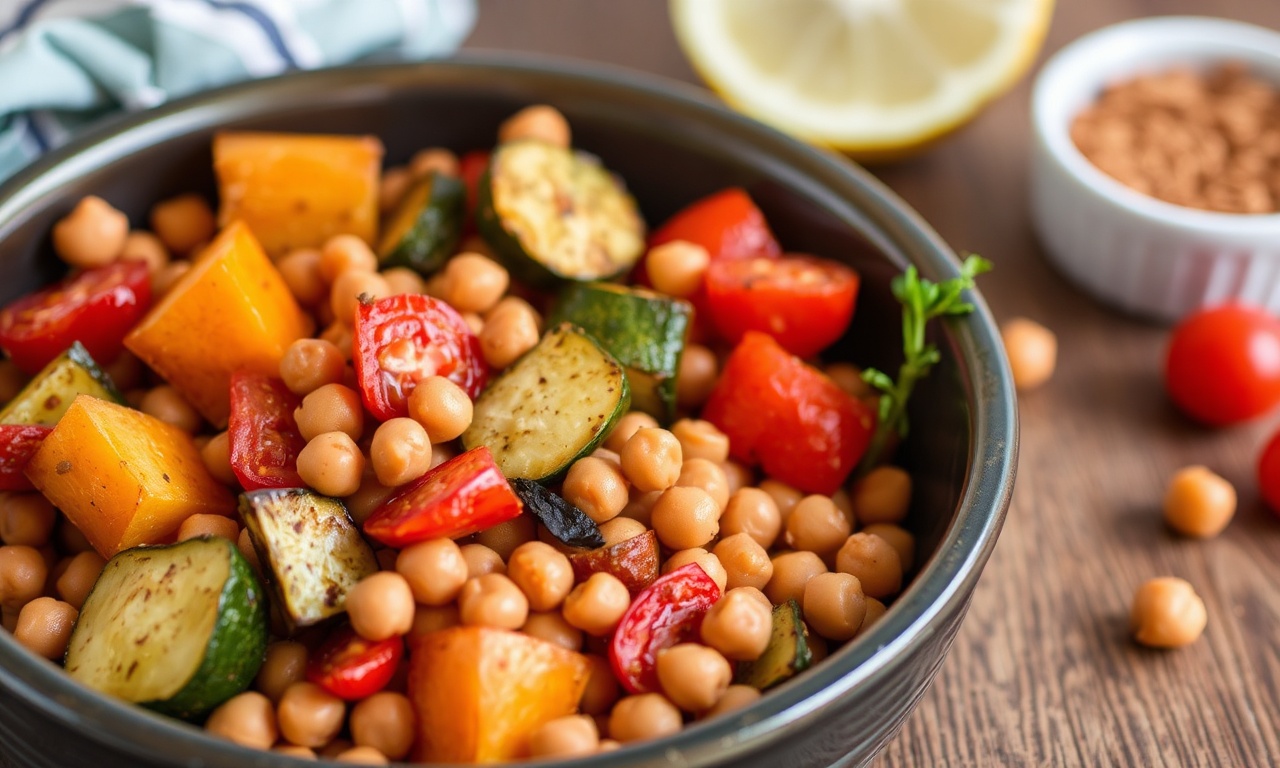
Roasting Mediterranean vegetables and chickpeas at 425°F (220°C) gives you fast browning and dependable texture. The high heat dries the food surface quickly, so caramelization and toasted flavors start before everything turns soft.
- Roasting at 425°F: Why This Sheet-Pan Method Works
- How to Build Mediterranean Flavor Without a Heavy Sauce
- Ingredients: Choose for Texture, Not Just Color
- Vegetables That Roast Well at 425°F
- Chickpeas: Rinse, Dry, Then Coat
- A Simple Spice Mix That Stays Balanced
- The 425°F Mediterranean Sheet-Pan Recipe (Crispy Chickpeas + Roasted Veggies)
- Texture Control: Crispy Chickpeas vs. Tender Veggies
- Single Layer Is Non-Negotiable
- Dry Chickpeas: The Fastest Improvement
- Cut Thickness Changes Everything
- Expert Techniques to Make This Tray Feel Restaurant-Level
- Flavor Upgrades That Still Fit Mediterranean Style
- Serving Ideas: Make It a Bowl, a Salad, or a Side
- Meal Prep and Reheating: Keep the Texture
- Nutrition Snapshot (What This Meal Gives You)
- FAQ
At this temperature, vegetables like peppers, onions, zucchini, and eggplant cook through in a reasonable time window. Chickpeas warm thoroughly and develop a lightly crisp exterior when you manage moisture and airflow.
At a Glance
- 425°F accelerates browning for richer flavor.
- Single-layer airflow prevents steaming and keeps chickpeas crisp.
- Rinse + pat-dry chickpeas to fight surface water.
- Lemon after roasting preserves brightness and lifts spice notes.
What “Crispy” Actually Means Here
“Crispy” doesn’t mean deep-frying or shattery crackers. It means the chickpeas develop a firmer outer texture and a more concentrated roasted aroma.
Vegetables should brown at the edges and stay tender inside. That contrast—crisp chickpeas, roasted veggies, bright citrus—is what makes the tray feel like a meal, not just a side.
The Science (Simple, Useful Version)
When wet food hits hot air, surface moisture evaporates. Once the surface dries enough, browning reactions become easier, creating the toasted, savory flavors people associate with roasting.
If you want the chemistry name, search Maillard reaction. You don’t need to memorize it to cook well—you just need to remove excess moisture and use hot, moving heat.
How to Build Mediterranean Flavor Without a Heavy Sauce
Mediterranean meals often feel “rich” even without cream or heavy gravy. That happens because olive oil carries flavor, spices bloom in heat, and citrus adds lift right at the end.
This sheet-pan approach follows that same logic. You let the oven concentrate flavor on the tray, then you finish with lemon for clarity and brightness.
The Core Flavor Pillars
Use a tight set of ingredients that work together: olive oil for body, cumin and smoked paprika for warmth, garlic for aroma, and lemon to sharpen everything.
For broader context on Mediterranean dietary patterns, see Mediterranean diet. This recipe fits the style: vegetables plus legumes plus olive-oil-based seasoning.
Why Olive Oil Matters Beyond “Fat”
Olive oil acts like a flavor glue. It helps spices coat surfaces so every bite tastes seasoned, not just the top layer.
It also supports browning by helping heat transfer and by keeping spices on the surface long enough to toast. If you want a reference point for the ingredient itself, see olive oil.
Why Lemon Goes on After Roasting
Acid tastes brighter when it hits hot, roasted surfaces at the end. If you add lemon too early, heat dulls part of the “fresh” punch and can make the flavor seem flatter.
You want lemon to wake up spices and revive the roasted aroma. Finish with juice right when you pull the tray, then toss gently so the acid coats everything.
Ingredients: Choose for Texture, Not Just Color
A sheet pan cooks based on thickness, water content, and density. If you pick vegetables that release a lot of water, you’ll get steaming instead of browning.
So choose sturdy roasting options, cut them consistently, and treat chickpeas like the crisping ingredient they are.
Vegetables That Roast Well at 425°F
Good picks include bell peppers, zucchini, eggplant, and red onion. Peppers and onions caramelize. Eggplant turns silky and deep. Zucchini softens quickly, so you cut it with intention.
Keep pieces roughly similar in thickness so the tray finishes together. If one vegetable cooks faster, you must either cut it thicker or add it later.
Chickpeas: Rinse, Dry, Then Coat
Canned chickpeas come with canning liquid. That extra surface moisture prevents crisping in the first minutes of roasting.
Rinse thoroughly, drain well, and pat-dry with paper towels. For a nutrient and food background, you can reference chickpea.
A Simple Spice Mix That Stays Balanced
Use smoked paprika, cumin, and coriander. This combo gives you smoky warmth, earthy depth, and a rounded profile that feels distinctly Mediterranean.
Garlic belongs in the tray at the right time. Minced garlic should roast with the oil and spices so it perfumes the vegetables, not just sit raw.
The 425°F Mediterranean Sheet-Pan Recipe (Crispy Chickpeas + Roasted Veggies)
This recipe targets even browning and repeatable results. You’ll stir once halfway, spread everything in a single layer, and finish with lemon for brightness.
It also works great for meal prep because roasted vegetables hold their texture better than many raw salad mixes.
Serves
About 4 (as a main bowl or substantial side).
Time: ~15 minutes prep, ~35 minutes roasting.
Ingredients
Vegetables
1 red bell pepper, 1 yellow bell pepper, 1 medium zucchini, 1 medium eggplant, 1 red onion.
Chickpeas
1 can (15 oz / 425 g) chickpeas, drained, rinsed, and patted dry.
Seasoning + Coating
3 tbsp extra-virgin olive oil, 1 tsp smoked paprika, 1 tsp ground cumin, 1/2 tsp ground coriander, 1/2 tsp crushed red pepper flakes (optional), 3/4 tsp salt (adjust to taste), black pepper.
Finish
2 cloves garlic, minced; juice of 1 lemon; 2 tbsp chopped parsley; 1 tbsp toasted pine nuts (optional).
Prep (15 minutes)
Preheat oven to 425°F (220°C). Line a rimmed baking sheet with parchment for easier cleanup and consistent browning.
Cut peppers into 1-inch pieces, slice onion into thick wedges, and cube eggplant into 1-inch pieces. Cut zucchini into 1/2-inch thick half-moons so it doesn’t waterlog the tray.
Dry chickpeas thoroughly with paper towels. In a large bowl, toss vegetables and chickpeas with olive oil. Add spices, salt, black pepper, and minced garlic. Toss again until everything looks evenly coated.
Roast (30–35 minutes)
Spread the mixture on the baking sheet in a single layer. Crowding traps moisture and slows browning.
Roast 15–18 minutes, then stir once. Return to oven and roast another 12–18 minutes until chickpeas look firmer and vegetables show browned edges.
Finish (2–3 minutes)
Remove the tray and immediately drizzle with lemon juice. Toss gently so lemon coats hot surfaces.
Top with parsley and pine nuts if using. Serve warm as bowls or cool for Mediterranean-style salads.
Texture Control: Crispy Chickpeas vs. Tender Veggies
Crispness mostly depends on moisture control and spacing. Chickpeas need drier contact with hot air. Vegetables need time to brown without steaming.
When these goals conflict, you fix it by cutting smarter, spreading better, and roasting with timing discipline.
Single Layer Is Non-Negotiable
If food piles up, the tray becomes a mini steamer. That’s when vegetables soften before they brown and chickpeas stay bready rather than crisp.
Use a larger sheet pan or split into two pans if needed. It costs you slightly more space, but it protects texture.
Dry Chickpeas: The Fastest Improvement
Even if you rinse well, chickpeas can still cling with moisture. That moisture delays surface drying and reduces crisping.
Patting dry takes under a minute, yet it meaningfully improves browning. Treat it like prep, not a chore.
Cut Thickness Changes Everything
Zucchini cooks quickly and releases water. If you cut it too thin, it can collapse while other pieces still need time.
Keep zucchini thicker. If you notice extra water, you can also roast uncovered for a few minutes longer to evaporate it.
Pro-Caution: Some vegetables release more liquid than others, and zucchini often wins the “watery” category. If your tray looks wet after the first half of roasting, don’t add oil or lemon yet—finish roasting until the moisture cooks off.
Also, ovens vary. If your chickpeas stay pale at the 30-minute mark, extend time rather than rushing the lemon finish.
To boost crisping at the end, you can briefly broil for 1–3 minutes. Watch closely because spice surfaces burn fast.
Expert Techniques to Make This Tray Feel Restaurant-Level
Most people stop at “toss with oil and roast.” You can get noticeably better results by controlling when garlic, extra moisture, and finishing flavors hit.
These techniques stay simple, so you can use them week after week.
Expert Insight: If the tray seems uneven, roast in two stages. Roast denser items (eggplant, onion) with chickpeas for the first 15–20 minutes, then add zucchini and peppers for the remaining time. This prevents watery vegetables from dragging down browning.
This two-stage approach matters most when your vegetables vary in size or your eggplant has a spongier texture. It’s also a reliable fix if your oven runs hotter on one side.
For more about roasting and dry-heat cooking methods, you can reference roasting.
Broiler Strategy (Optional)
If you want stronger caramelization, broil briefly after roasting. Use 1-minute intervals, checking between each.
Broiling dries the surface fast and tightens texture. Just keep the finish step (lemon, herbs) for after you stop direct heat.
Flavor Upgrades That Still Fit Mediterranean Style
You can make this dish taste different without turning it into something else. Choose one upgrade at a time so the main Mediterranean profile stays clear.
Below are options that add creaminess, saltiness, or crunch while keeping the base bright.
Tahini Drizzle (Creamy, Not Heavy)
Tahini adds a nutty richness that pairs well with lemon and roasted spices. It also works like a sauce, but you can control thickness by stirring in lemon juice and water.
For background, see tahini.
Feta and Olives (Salty Depth)
Crumbled feta adds salty tang. Add it after roasting so it doesn’t fully melt away.
Olives bring briny punch and also work great for cold leftovers. For general information, you can reference olive.
Pine Nuts (Crunch + Aroma)
Toast pine nuts lightly for best flavor. Scatter them on right before serving so they keep their crunch.
Burned nuts ruin the vibe, so toast separately if you’re nervous.
Serving Ideas: Make It a Bowl, a Salad, or a Side
This tray plays well with grains and also stands alone as a hearty plant-based bowl.
Choose one base and one dressing step, and you’ll get a meal with real structure.
Hot Bowl Options
Serve over couscous, quinoa, brown rice, or farro. The chickpeas become your protein anchor, while roasted vegetables provide sweetness.
Add an extra drizzle of olive oil or a squeeze of lemon right before eating.
Cold Mediterranean Salad Options
Let the tray cool, then toss with extra lemon juice and olive oil. Cold roasted vegetables develop a deeper flavor over time.
This works especially well for meal prep because the textures hold.
Meal Prep and Reheating: Keep the Texture
Roasted vegetables last well because they already went through browning. Your job is to prevent soggy reheating.
Cooling first reduces condensation in storage containers.
Make Ahead
Roast up to 24 hours ahead. Refrigerate in an airtight container.
If you want maximum brightness, keep lemon juice for the day of serving and add it after reheating.
Reheat Correctly
Use an oven or toaster oven. Heat at 350°F (175°C) until warmed through, usually 8–12 minutes depending on portion size.
Microwave reheating softens chickpeas. If you must microwave, consider finishing in a hot pan for 2 minutes.
Nutrition Snapshot (What This Meal Gives You)
This sheet pan gives you a solid balance of fiber, plant protein, and healthy fats. Chickpeas contribute most of the protein and fiber, while vegetables supply vitamins, antioxidants, and natural sweetness.
Olive oil boosts satiety because fat slows digestion and carries fat-soluble nutrients.
Nutrition varies by portion sizes and oil amount. But the structure stays consistent: vegetables for volume, chickpeas for protein, olive oil for satisfaction.
If you want to understand legumes broadly, see legume.
FAQ
Can I roast frozen vegetables at 425°F for this Mediterranean sheet pan?
Yes, but thaw and drain them fully first. Frozen vegetables release more water, which can turn browning into steaming. Cut them in similar sizes so everything finishes together.
How do I keep chickpeas crisp instead of soft?
Rinse, drain, and pat dry very well. Spread them in a single layer with space. Roast until the chickpeas look firmer and golden, then finish with lemon only after roasting.
Should I add garlic before roasting or after?
Add minced garlic before roasting. Roasting garlic with olive oil and spices perfumes the whole tray. Add lemon and herbs after roasting to keep the flavor bright.
When should I add lemon juice?
Drizzle lemon juice right after you pull the tray from the oven. This timing preserves acidity and keeps the dish tasting fresh rather than muted.
How long do leftovers keep, and how should I reheat them?
Store leftovers in an airtight container for about 3–4 days. Reheat in an oven or toaster oven to restore texture. Add a fresh squeeze of lemon if you want it to taste “just roasted.”
See also: 425°F Mediterranean