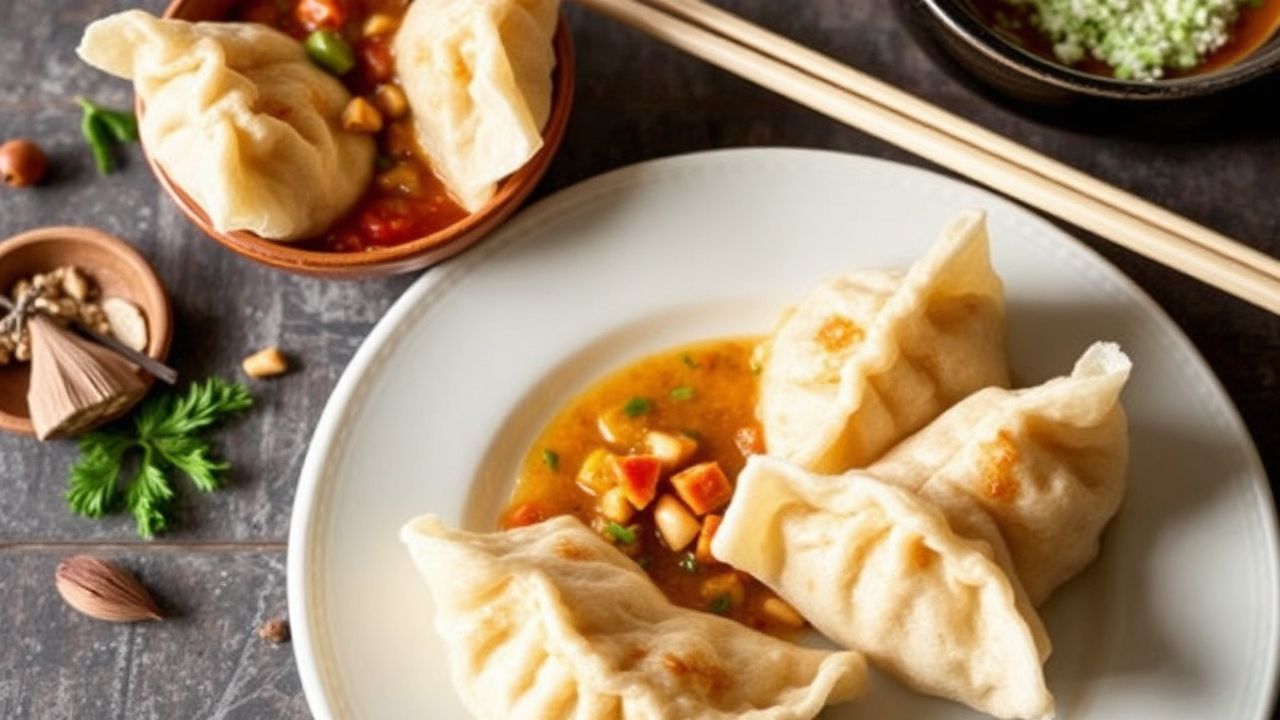
Craving the comforting feel of dumplings but want to keep the carbs controlled? These low-carb dumplings deliver a tender, dumpling-house bite with a golden pan-sear base—then they steam until the centers turn silky. The secret isn’t “diet” shortcuts. It’s smart flour pairing, precise hydration, and a two-stage cook that protects texture.
- Why Almond Flour Works for Dumpling Wrappers (and What Changes)
- Flavor Profile: Chicken Filling That Stays Juicy
- Ingredients You Need (Simple, Purpose-Driven)
- Step-by-Step: Make 24 Dumplings in About 45 Minutes
- Common Problems (and Fast Fixes)
- Make-Ahead, Freezing, and Reheating
- Serving Ideas That Balance Flavor and Texture
- Nutritional Notes (What to Expect)
- FAQ: Low-Carb Dumplings
- Almond flour wrappers mimic the tender crumb without wheat gluten.
- Coconut flour adds structure by absorbing excess moisture.
- Pan-sear + steam creates crisp bottoms and soft, fully cooked middles.
- Freezer-friendly: shape ahead, cook straight from frozen.
You’ll make wrappers that stay pliable instead of cracking, plus a savory chicken filling that tastes “regular dumpling” rich. Ground chicken cooks fast, so the wrapper quality matters even more—this method keeps the wrapper hydrated while preventing gummy dough.
Why Almond Flour Works for Dumpling Wrappers (and What Changes)
Wheat flour builds dough structure through gluten formation. Almond flour does not form gluten, so you must rely on moisture balance and binder behavior. That’s why your dough needs a short rest and why coconut flour earns its place in the recipe.
Coconut flour behaves like a sponge. It absorbs liquids and helps the wrapper hold shape during pan cooking and steaming. If you skip it, the wrapper often turns fragile or leaks when you fold and seal.
If you want a helpful background on how wheat-based dough structure works, see gluten. For a quick overview of almond flour’s nutrition and composition, almonds is a solid reference point.
The hydration rule: dough should feel soft, not wet
Almond flour dough acts more like a soft paste than elastic bread dough. During mixing it can look slightly looser than you expect. After a rest, the coconut flour fully hydrates and the dough firms up.
If you chase “rolling like dumpling dough,” you’ll usually add too much flour and end up with cracks. Instead, aim for a dough that rolls cleanly after resting, stays tacky but not sticky, and seals without extra glue.
Flavor Profile: Chicken Filling That Stays Juicy
This filling tastes right because it has layers: aromatics, umami, and moisture management. Ground chicken cooks quickly, so you must season early and use a controlled steam step to finish without drying.
Ginger and garlic provide the bright top note. Green onion adds a fresh onion sweetness. Then tamari brings deep, savory complexity in a way that works especially well with chicken.
For general background on soy sauce and related fermented condiments, you can reference soy sauce. For dumpling history and technique context, dumpling helps you understand why wrapper thickness and cooking method matter.
How cabbage helps (without turning the filling watery)
Finely shredded cabbage adds tenderness and a subtle sweetness. It also brings extra water, which can help prevent dryness—but too much can weaken sealing if your wrappers get exposed to extra liquid.
That’s why you build the filling with correct seasoning and you cook using the two-stage method. Pan-searing firms the exterior. Steaming finishes the center while keeping liquids inside the dumpling.
Ingredients You Need (Simple, Purpose-Driven)
Every ingredient in this recipe has a texture job. Almond flour provides the main wrapper body. Coconut flour tightens the structure. The egg binds and helps the wrapper set during cooking.
The filling ingredients focus on flavor and short cook time: ground chicken, ginger, garlic, green onion, shredded cabbage, and tamari. Sesame oil adds aroma, and black pepper rounds out the savory profile.
Low-carb dumpling wrappers
Dough
- 1 1/2 cups finely ground almond flour
- 2 tbsp coconut flour
- 1 large egg
- 1/4 tsp fine sea salt
- 2 tbsp warm water (start here; you may adjust)
- 1 tbsp olive oil
Use finely ground almond flour for a smoother bite. If your almond flour feels coarse, your wrappers can tear more easily when you seal.
Chicken filling
Filling
- 12 oz (340 g) ground chicken
- 2 cloves garlic, minced
- 1 tbsp fresh ginger, grated
- 3 green onions, finely sliced
- 1 cup shredded cabbage
- 1 tbsp tamari (or gluten-free soy sauce)
- 1 tsp sesame oil
- 1/2 tsp freshly ground black pepper
- Salt to taste
If you notice your chicken looks extra lean, you can add a small teaspoon of oil or sesame oil next time. Leaner meat tends to taste less juicy even when cooked correctly.
Cooking
– 2 tbsp high-heat avocado oil (or another neutral oil)
- Water for steaming (about 1/4 cup total per batch)
- Optional: extra tamari for dipping, sliced scallions, toasted sesame seeds
Step-by-Step: Make 24 Dumplings in About 45 Minutes
This schedule assumes steady work flow. You mix dough, rest it, then shape dumplings while your filling stays ready. Next, you pan-sear and steam in batches.
Batching matters because overcrowding cools the pan. When the pan runs cool, bottoms brown unevenly and steam more than crisp.
1) Mix and rest the dough
In a bowl, whisk almond flour, coconut flour, and salt. In a separate cup, beat the egg with warm water and olive oil. Pour wet into dry and mix until you get a soft, unified dough.
Gently knead by hand 30–60 seconds until smooth and slightly tacky. Cover and rest 15 minutes. During the rest, coconut flour hydrates and the dough becomes more rollable.
2) Build the filling
Combine ground chicken, garlic, ginger, green onion, cabbage, tamari, sesame oil, black pepper, and a pinch of salt. Mix until evenly combined and slightly tacky.
Set aside while you roll wrappers. Don’t overmix aggressively; you want even distribution, not tough meat.
3) Portion, roll, and seal
Divide dough into 24 equal portions. Lightly dust your work surface with almond flour. Roll each piece into a thin round about 3 inches wide. Keep them consistent so steaming finishes at the same time.
Place a damp cloth over wrappers you’re not using. Almond flour dough dries quickly at the edges, and dry edges won’t seal well.
For each dumpling, add about 1 tablespoon filling to the center. Fold into a half-moon and pinch firmly along the edge. If you want a neat look, pleat lightly as you pinch.
4) Pan-sear, then steam
Heat oil in a non-stick skillet over medium heat. Lay 8 dumplings in a single layer. Cook 3–4 minutes until bottoms turn golden.
Carefully add about 1/4 cup water to the pan, then cover immediately. Steam 6 minutes, or until the filling cooks through and wrappers look slightly more matte and tender.
Remove the lid and let remaining water evaporate for 30–60 seconds. This short step helps the bottoms stay crisp instead of turning soft.
[TIP]Expert Insight: After the 15-minute dough rest, check texture. If the dough feels too firm to roll, add water 1 teaspoon at a time, mix briefly, then rest 5 minutes more. Proper hydration reduces cracks and improves sealing.
Common Problems (and Fast Fixes)
Low-carb dumplings can fail for predictable reasons: wrapper cracks, weak seals, watery filling, or undercooked centers. You fix most issues by adjusting heat, thickness, and moisture timing.
Think of dumpling cooking as controlling three variables at once: dough moisture, steam exposure, and pan temperature.
Dumplings crack while rolling
Cracking usually means the dough dried out or you rolled too thin too fast. Keep a damp cloth over unused dough and wrappers. Also roll gently and evenly.
If cracking persists, add water 1 teaspoon at a time, then rest the dough again. Coconut flour hydration takes a few extra minutes once you change moisture.
They leak during cooking
Leaking comes from weak edge contact. Pinch firmly after folding, then pleat only after the seal holds. If your edges look dry, you can lightly moisten fingertips with warm water and press again.
Avoid overfilling. Too much filling stretches the wrapper and stresses the seal.
Wrappers taste gummy
Gummy wrappers often result from under-searing or skipping the final evaporation step. Pan-sear first until the bottoms brown, then steam with a covered lid.
After steaming, uncover and let water evaporate briefly. That step firms the exterior and improves texture.
Centers feel undercooked
Centers usually undercook when dumplings are too thick or batches are overcrowded. Use consistent wrapper size and steam for the full time while covered.
If your dumplings run larger than 3 inches, extend steaming by 1–2 minutes. Use small adjustments rather than changing everything.
[WARNING]Pro-Caution: Don’t add water and then delay covering the pan. The steam needs to build immediately. If the pan loses steam pressure, wrappers can stay dry and the filling may cook unevenly.
Make-Ahead, Freezing, and Reheating
This recipe suits meal prep because you can shape dumplings ahead and cook later. Preparing wrappers and filling in one session saves time on busy nights.
Freezing works best when dumplings hold their shape before storage. That prevents sticking and makes later cooking more predictable.
Refrigerate dough
After mixing and resting, cover dough and refrigerate up to 24 hours. When you’re ready to roll, let it sit at room temperature 10 minutes so it becomes pliable again.
If dough becomes stiff after chilling, knead gently and add a few drops of warm water only if needed.
Freeze shaped dumplings
Place assembled dumplings on a parchment-lined tray in a single layer. Freeze until firm, then transfer to a freezer bag or container.
Cook from frozen by adding 1–2 minutes to steaming. Keep heat medium so you crisp the bottoms without burning.
Reheat leftovers
Reheat dumplings in a skillet with a small splash of water and a lid for a few minutes. Then uncover briefly to re-crisp the bottoms.
Microwaving alone often softens the crust and can make wrappers less satisfying.
Serving Ideas That Balance Flavor and Texture
Almond flour wrappers taste lightly nutty. That flavor needs savory, salty sauce and a bit of brightness. A simple dipping sauce makes everything taste more “restaurant.”
Choose one acidic element, one salty element, and optional heat. That combination keeps the dumplings from tasting flat.
Dipping sauce options
Try tamari mixed with rice vinegar, minced chili, and a tiny sweetener if needed. Finish with sesame seeds or thinly sliced scallions for aroma.
If you want a richer option, mix tamari with sesame oil and a squeeze of fresh lime or lemon. The citrus cuts through chicken richness.
Pairing sides
Serve with a cucumber salad (lemon, dill, a pinch of salt). The cool crunch makes warm dumplings feel lighter.
For a warm side, cauliflower “fried rice” works well because the flavor stays mild and the texture adds contrast.
Nutritional Notes (What to Expect)
Exact macros vary by brand of almond flour, coconut flour, and the fat content of your ground chicken. Still, these dumplings generally fit a low-carb approach because almond and coconut flours replace wheat starch.
When you track carbs, calculate based on your actual ingredients and portion size. If you use a larger dumpling than 3 inches, increase yield and adjust macros accordingly.
FAQ: Low-Carb Dumplings
What makes these low-carb dumplings instead of regular dumplings?
They use almond flour and a small amount of coconut flour for the wrapper instead of wheat flour. That substitution reduces net carbs while still producing a tender, dumpling-style texture through hydration control and steaming.
How do I keep chicken filling juicy?
Don’t overcook the meat. Pan-sear only to brown the exterior, then steam just long enough to cook the center. Also use finely shredded cabbage for tenderness without excessive draining—then seal dumplings promptly to keep moisture inside.
Can I make the wrappers ahead of time?
Yes. You can mix and rest the dough, then refrigerate it in a sealed container. Let it sit at room temperature for 10 minutes before rolling so it becomes pliable and easier to seal.
Do these dumplings freeze well?
They freeze very well when you freeze shaped dumplings on a tray first. Once firm, transfer them to a bag. Cook from frozen by steaming a little longer to ensure the centers heat through.
Why do my dumplings crack or leak?
Cracking usually comes from dough drying out or rolling too thin too quickly. Leaking comes from weak seals or overfilling. Resting the dough properly, covering wrappers, and pinching/pleating firmly resolve most cases.
See also: low-carb dumplings