

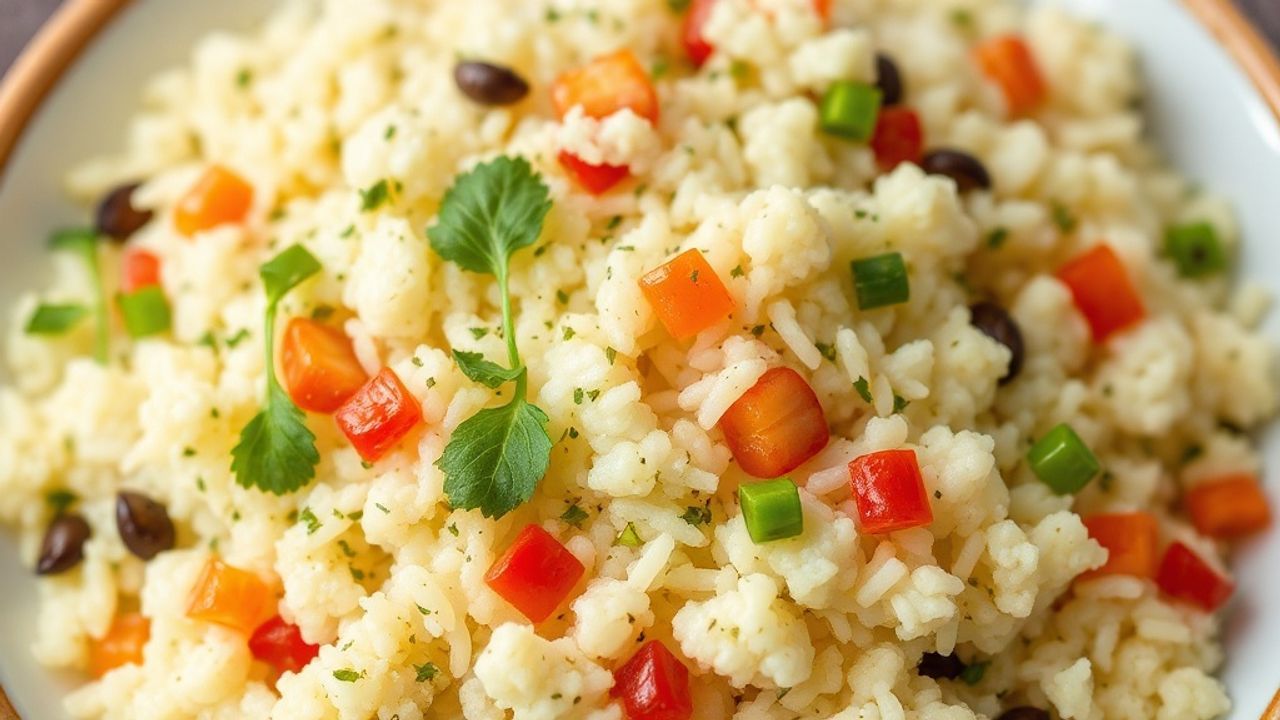
Cauliflower rice offers a low-carb, plant-based canvas for a fragrant pilaf that delivers texture, color, and balanced nutrition in every bite. This guide walks a cook through technique, timing, and sensible swaps to make a reliable weeknight pilaf.
- Key takeaway: Cauliflower rice creates a low-carb pilaf with similar mouthfeel to grain-based rice.
- Speed tip: Use a food processor for consistent ricing and even cooking.
- Flavor focus: Toasted nuts, citrus, and fresh herbs lift the dish without added carbs.
- Make-ahead: Store the base up to four days; reheat with a splash of broth.
Prep and Cook Time
Readiness: 15 minutes. Cooking: 20 minutes. Total time equals roughly 35 minutes for a standard stovetop method.
The timings assume a medium head of cauliflower processed into about 4 cups of riced cauliflower. Adjust by five to ten minutes if you double the batch.
Yield
This recipe serves 4 generously and works well as a side or a light main when boosted with legumes or tofu. Portion control is easy given the high vegetable volume and moderate calorie density.
Each serving provides a satisfying mix of fiber and healthy fats from olive oil and nuts, while remaining lower in digestible carbohydrates than grain-based rice.
Difficulty Level
Easy to medium. The technique centers on even ricing, gentle sautéing, and layered seasoning; no advanced skills required. A sharp knife or a quality food processor speeds the prep.
Time management matters: toast nuts first, then use the same pan for aromatics to capture flavor. With practice the routine becomes repeatable and fast.
Ingredients for Cauliflower Rice Pilaf
Use fresh, firm cauliflower for the best texture; frozen riced cauliflower tends to release more moisture. Below are core ingredients that produce a balanced, plant-focused pilaf.
Swap items as needed: nuts, dried fruit, and herbs change the profile quickly without altering technique. For background on the pilaf tradition, consult the pilaf entry.
- 1 medium head cauliflower, riced (about 4 cups)
- 2 tbsp olive oil
- 1 small onion, finely chopped
- 2 cloves garlic, minced
- 1/2 cup raw slivered almonds, toasted
- 1/4 cup dried cranberries or golden raisins
- 1/2 cup diced carrots, small dice
- 1/2 cup peas, fresh or frozen
- 1/4 cup fresh parsley, chopped
- 2 tbsp fresh mint, chopped
- 1 tsp ground cumin
- 1 tsp smoked paprika
- 1/2 tsp ground cinnamon
- Salt and freshly ground black pepper, to taste
- Juice of 1 lemon
- 2 tbsp vegetable broth or water
Instructions for Cauliflower Rice
1. Rice the cauliflower: Remove the core and chop the cauliflower into florets. Pulse in a food processor until the texture resembles grains of rice; stop before it becomes paste.
2. Toast the almonds: Heat 1 tbsp olive oil in a large non-stick skillet over medium heat. Add slivered almonds and sauté until golden, 3–4 minutes; remove and set aside.
3. Sauté aromatics and veggies: In the same pan, add remaining olive oil. Stir in the chopped onion, diced carrots, and peas. Cook until softened, roughly 5 minutes, adding garlic in the last minute.
4. Add spices and cauliflower rice: Sprinkle in ground cumin, smoked paprika, and cinnamon along with salt and pepper. Toast spices briefly, then stir in riced cauliflower and 2 tbsp vegetable broth to steam. Cover and cook 7–8 minutes, stirring occasionally to prevent sogginess.
5. Finish with herbs and fruit: Remove from heat and fold in toasted almonds, dried cranberries, parsley, and mint. Squeeze lemon juice over the pilaf to brighten flavors and adjust seasoning.
6. Serve warm: Transfer to a serving dish and garnish with an extra herb sprig or lemon wedge for aroma and presentation.
Chef’s Notes
For texture: Lightly roast the riced cauliflower in the skillet before adding liquids to develop a subtle nuttiness and reduce excess moisture. This step firms the grains and improves mouthfeel.
Substitutions: Swap almonds for walnuts or pine nuts for different crunch profiles, or use pepitas to keep it nut-free if required. Adjust salt and acid when switching nuts or dried fruit.
Make-ahead: Store cooked pilaf in an airtight container for up to four days. Reheat gently in a skillet with a splash of broth to restore steam and fluff.
Serving Suggestions and Meal Pairings
This plant-based cauliflower rice pilaf pairs well with grilled seasonal vegetables or roasted mushrooms for a satisfying meal. Add marinated tofu skewers or a lentil stew to increase protein and make it a full plate.
For contrasting textures and cool notes, serve with a tahini drizzle, a dollop of avocado cream, or a cucumber-tomato salad dressed with lemon and olive oil. These complements brighten the pilaf while keeping carbs low.
Nutrition Snapshot
Per serving, a typical plate contains around 220 calories, 6 g protein, 18 g carbohydrates, and 14 g fat when prepared as listed. These values vary with substitutions and added proteins.
Cauliflower provides vitamin C and K, while nuts and olive oil supply heart-friendly monounsaturated fats. These attributes make the dish useful for calorie-controlled or lower-glycemic eating patterns.
| Nutrient | Per Serving |
|---|---|
| Calories | 220 |
| Protein | 6g |
| Carbohydrates | 18g |
| Fat | 14g |
Practical Variations
Regional spice blends alter the profile quickly: add turmeric and curry leaves for an Indian-style pilaf, or coconut milk and lime for a Southeast Asian note. Explore the roles of spices like cumin for warm, earthy depth; see more on cumin.
Substitute peas and carrots with diced bell peppers, mushrooms, or edamame for different textures. If you want a closer grain-like chew, lightly roast the riced cauliflower before steaming.
To Wrap It Up
Cauliflower rice pilaf adapts to many diets while delivering satisfying texture and bright flavor. Follow consistent prep steps—rice evenly, toast nuts, layer spices—to reproduce excellent results.
Use the recipes and notes here to build reliable weeknight menus that stay low in carbohydrates without sacrificing taste. Explore Mediterranean and pilaf traditions for further inspiration via the Mediterranean cuisine overview.
FAQ
What exactly is cauliflower rice pilaf?
Cauliflower rice pilaf is a sautéed vegetable dish where finely chopped cauliflower mimics the texture of rice. Cooks add aromatics, spices, herbs, nuts, or dried fruit to create a layered, pilaf-style plate.
How do I keep cauliflower rice fluffy, not mushy?
Work with dry cauliflower, pulse briefly in a processor, and use medium-high heat to sear grains quickly. Limit added liquid and finish with a short covered steam if needed; stirring often prevents clumping.
Can I make this ahead and reheat without losing quality?
Yes. Store in an airtight container for up to four days. Reheat in a skillet with a small splash of broth and stir gently until warm to revive texture.
Are there protein-forward versions that stay low-carb?
Yes. Fold in cooked chickpeas, edamame, tempeh, or pan-seared tofu cubes. These options raise protein while keeping the overall carbohydrate load lower than grain-based rice dishes.
Which kitchen tools make the job easiest?
A sharp chef’s knife works, but a food processor speeds ricing and delivers consistent pieces. A good non-stick skillet produces even browning and reduces sticking.
For botanical context on the main ingredient, consult the cauliflower entry for cultivar and nutritional background.
See also: cauliflower rice