

Kamut bread — An Essential Guide to its Nutty, Hearty Power
- The Enduring Nutritional and Culinary Appeal of Kamut Bread
- Unlocking Kamut’s Potential: A Baker’s Blueprint
- Mastering the Bake: Achieving the Perfect Kamut Loaf
- Kamut Bread: A Versatile Culinary Canvas
- Storage and Preservation: Keeping Kamut Bread Fresh
- Frequently Asked Questions About Kamut Bread
- What are the primary nutritional differences between Kamut bread and regular white bread?
- Can I make Kamut bread using only kamut flour, or is a blend necessary?
- Why is my Kamut bread dense and heavy?
- How does the flavor of Kamut bread compare to other whole grain breads?
- Is Kamut bread suitable for people with mild gluten sensitivity, even if not celiac?
- Final Recommendations for Elevating Your Kamut Bread Experience
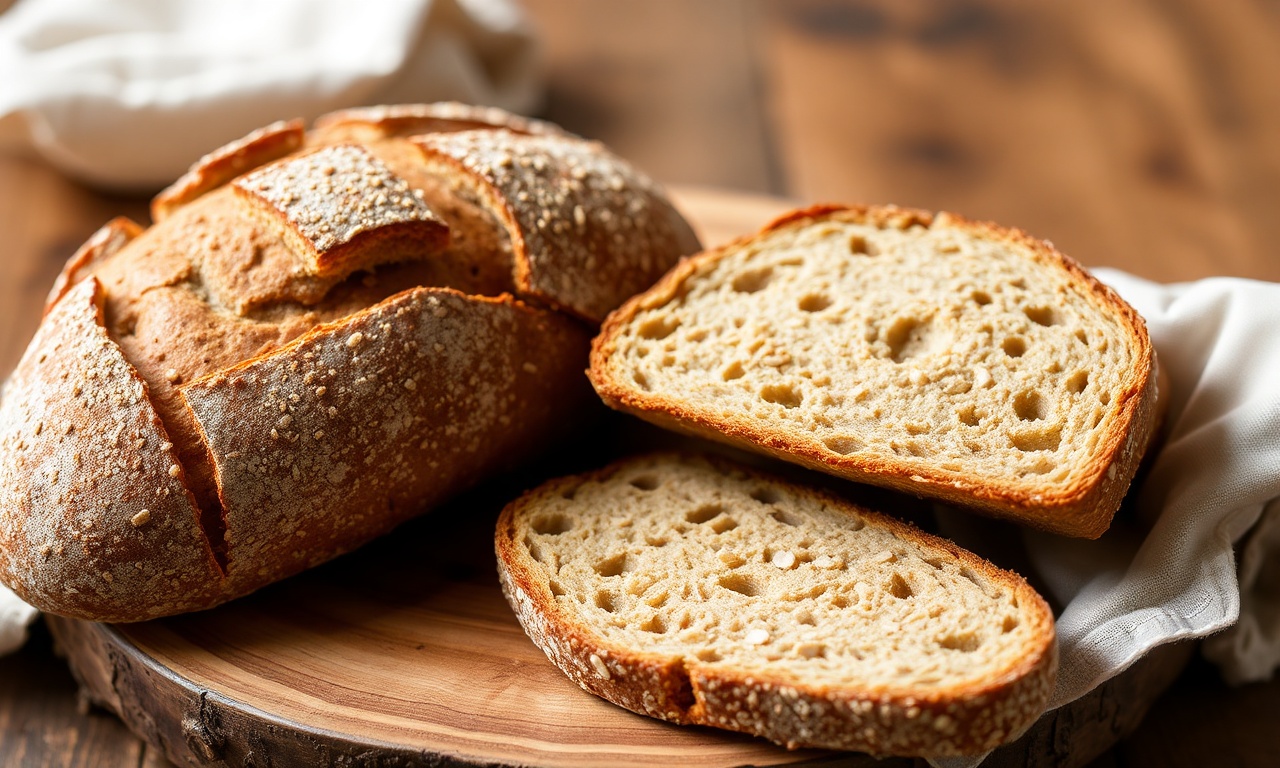
Kamut bread is more than just a baked good; it’s a journey back to ancient grains, a tangible connection to a time when food was less processed and more profoundly nourishing. Imagine the satisfying heft of a slice in your hand, the subtle aroma of toasted nuts and honey wafting up, and the robust chew that signals genuine, wholesome sustenance. For too long, Khorasan wheat, the ancient grain behind this remarkable bread, has been a whisper in the modern culinary landscape, overshadowed by its more common wheat relatives. But the tide is turning, and discerning palates are rediscovering the unparalleled taste, texture, and nutritional benefits of Kamut bread, proving that older grains can indeed offer a superior eating experience.
This isn’t merely about nostalgia; it’s about embracing a grain that delivers a fundamentally more satisfying and complex loaf, elevating everything from a simple breakfast toast to a hearty sandwich foundation.
Kamut bread offers a profound connection to our culinary heritage, showcasing how ancient grains provide a superior sensory and nutritional experience compared to their modern counterparts.
The allure of Kamut bread lies in the very essence of its namesake grain: Khorasan wheat, an ancient variety believed to have originated in the Fertile Crescent thousands of years ago. Trademarked as “Kamut,” these grains are notably larger than modern wheat kernels, boasting a genetic makeup that translates into a higher protein content, a delicate sweetness, and a distinctively robust texture. When baked into bread, this translates to a loaf that is both yielding and substantial, a world away from the often-airy, bland breads made from highly refined flours.
The increasing consumer demand for heirloom and ancient grains, driven by a desire for unique nutritional profiles and distinct culinary contributions, places Kamut bread squarely at the forefront of a gastronomic renaissance. Understanding the nuances of working with Kamut flour is the key to unlocking its full potential, moving beyond basic recipes to craft truly exceptional loaves that honor its rich history and exceptional qualities.
The Enduring Nutritional and Culinary Appeal of Kamut Bread
The resurgence of ancient grains like Kamut isn’t a fleeting trend; it’s a considered response to a growing desire for food that is less processed and more inherently nutritious. Kamut flour, particularly when stone-ground, retains more of the grain’s natural oils and complex nutrients. This preservation contributes directly to its characteristic nutty aroma and a rich, subtly sweet flavor profile that is often described as having buttery undertones. Scientific research has consistently highlighted the nutritional advantages of ancient grains.
For instance, studies published in journals like the *Journal of Agricultural and Food Chemistry* have indicated that ancient grains such as Kamut can possess significantly higher levels of protein, essential minerals like magnesium and selenium, and potent antioxidants compared to common modern wheat varieties. A 2013 study in the *European Journal of Nutrition* noted that consumption of Kamut wheat products was associated with a reduction in risk factors for cardiovascular disease, including improved cholesterol levels and reduced inflammatory markers, compared to diets based on conventional wheat.
This inherent nutritional density translates into a bread that is not only more flavorful but also more satiating, potentially offering a more sustained release of energy throughout the day. Beyond its impressive nutritional credentials, Kamut offers a distinct culinary character. The gluten structure in Kamut differs from that of modern bread wheat; it is typically more extensible, meaning the dough can be stretched further without tearing, and less prone to becoming tough if handled with care. This unique gluten network results in a bread with a dense, yet tender crumb, a satisfying chew, and a crust that, when baked optimally, achieves a beautiful, deep golden-brown hue.
Its nuanced flavor profile makes it an exceptional complement to a wide array of toppings, from sharp, aged cheeses and savory cured meats to sweet fruit preserves and rich nut butters. Unlike some highly refined flours that can result in a bland, airy texture, Kamut bread provides a substantial and flavorful foundation that can easily hold up to generous fillings, making it an ideal choice for hearty, satisfying sandwiches.
Kamut vs. Modern Wheat: A Nutritional Snapshot
When comparing Kamut to the standard wheat used in most commercial breads, the differences are significant, particularly concerning nutrient density and macronutrient composition. Modern wheat varieties have often been selectively bred for yield and processing efficiency, sometimes at the expense of their original nutritional richness.
| Nutrient | Kamut Bread (approx. per slice) | White Bread (approx. per slice) | Whole Wheat Bread (approx. per slice) |
|---|---|---|---|
| Calories | 120-150 | 70-90 | 80-100 |
| Protein | 5-7g | 2-3g | 3-4g |
| Fiber | 3-4g | <1g | 2-3g |
| Magnesium | 15-20% DV | 2-4% DV | 5-8% DV |
| Selenium | 20-30% DV | 5-10% DV | 10-15% DV |
| Fat | 1-2g (mostly unsaturated) | <1g | 1-2g |
Note: Values are approximate and can vary based on specific recipes and ingredients. DV = Daily Value.
This table starkly illustrates the nutritional advantages of Kamut bread, particularly its higher protein and fiber content, and a significantly richer mineral profile, especially in magnesium and selenium, compared to both white and even standard whole wheat bread. This makes Kamut an excellent choice for those seeking sustained energy and a more nutrient-dense carbohydrate source.
Unlocking Kamut’s Potential: A Baker’s Blueprint
Baking with Kamut flour is an art that rewards a nuanced understanding of its unique properties. While it contains gluten and can be leavened effectively, its hydration needs and gluten development pathways differ from those of all-purpose or bread flour. Precision in technique is paramount to achieving a superior loaf. Over-kneading can lead to a tough, dense bread, while insufficient hydration can result in a dry, crumbly texture. The ultimate goal is to cultivate a dough that is pliable, slightly tacky, and capable of holding its shape during the crucial rising stages, developing a structure that supports the characteristic chew of Kamut.
The process begins with the yeast activation. Using warm water, ideally between 105-115°F (40-46°C), is crucial. Water that is too hot can kill the delicate yeast organisms, while water that is too cool will prevent them from activating robustly. The addition of a touch of natural sweetener, such as honey or maple syrup, acts as food for the yeast, ensuring a vigorous and reliable rise. When combining the dry ingredients, the type of Kamut flour matters. Stone-ground Kamut flour is often preferred by artisanal bakers for its richer flavor and coarser texture, which can contribute to a more robust, open crumb. However, finely milled Kamut flour can also yield excellent results, offering a slightly smoother crumb.
Kneading Kamut dough demands a gentle yet persistent approach. The aim is to develop a smooth, elastic dough that springs back slowly when gently poked. This typically takes between 8-10 minutes of kneading by hand or 6-7 minutes when using a stand mixer fitted with a dough hook. The dough should feel slightly tacky to the touch but should not excessively adhere to your fingers or the bowl. If the dough feels too dry and stiff, add water a teaspoon at a time, allowing it to incorporate fully. Conversely, if it feels too wet and sticky, a tablespoon of Kamut flour can be gradually incorporated.
The rising process, or proofing, is equally critical for Kamut dough. Kamut dough often benefits from a slightly longer first rise than standard bread doughs, allowing its unique gluten structure to fully develop and strengthen. Proofing in a warm, draft-free environment is essential to encourage optimal yeast activity. Once the dough has visibly doubled in size, it should be gently deflated, shaped into its final form, and allowed to undergo a second, shorter rise in its baking pan or on a baking sheet. This careful, unhurried progression ensures optimal volume, texture, and a beautifully aerated crumb in the final loaf.
The Art of Hydration and Gluten Development in Kamut Dough
Understanding Kamut’s specific hydration needs is perhaps the most significant factor in achieving a superior loaf. Unlike standard wheat flour, Kamut flour can absorb liquid differently, often requiring a slightly higher percentage of water to achieve the desired dough consistency. This is why many well-tested Kamut bread recipes typically call for a range of water, encouraging bakers to adjust based on the feel and behavior of their dough. A dough that is too stiff will bake into a dense, heavy loaf, while one that is excessively loose will spread too thinly during baking and may not cook through properly, resulting in a gummy interior.
The gluten in Kamut, while present and capable of forming a network, behaves differently. It’s less about aggressive, prolonged kneading and more about allowing sufficient time for hydration and gentle manipulation to build strength. Techniques such as stretch-and-folds, particularly during the bulk fermentation phase (the initial long rise), can be highly effective in developing the dough’s structure without overworking it. This method involves gently stretching a portion of the dough upwards and folding it over itself, repeating this process around the perimeter of the bowl. This action builds tension and elasticity within the dough, contributing to a more open, airy crumb structure in the finished bread.
This patient approach respects the grain’s natural properties, leading to a loaf that is both hearty and beautifully textured.
Mastering the Bake: Achieving the Perfect Kamut Loaf
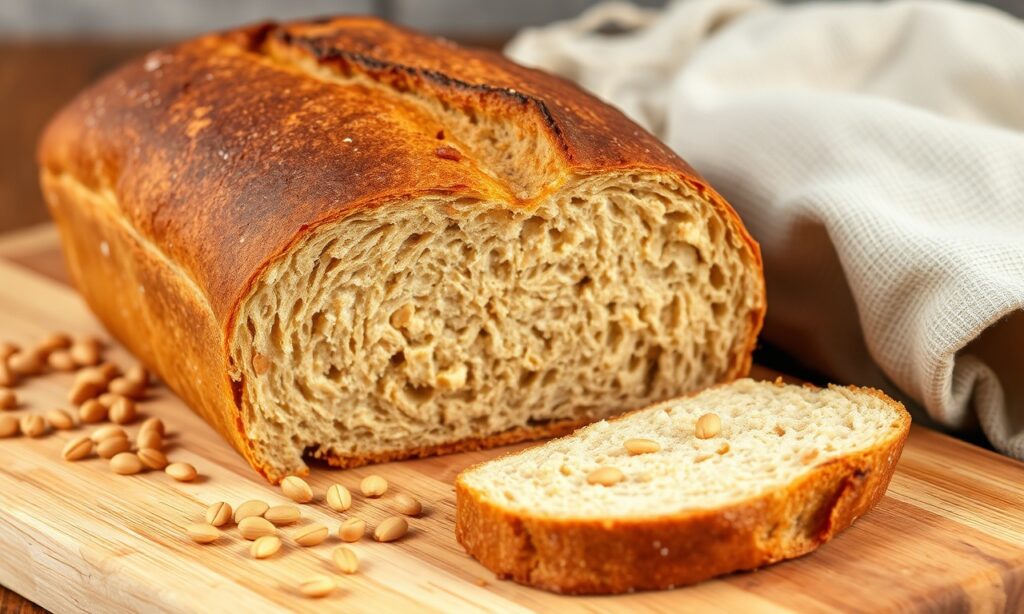
The baking temperature and duration are crucial for developing Kamut bread’s characteristic crust and ensuring the interior is fully cooked through. A preheated oven at 375°F (190°C) is generally recommended for most Kamut bread recipes. The baking time typically ranges from 35 to 40 minutes, but this can vary depending on the size and shape of your loaf. The most reliable indicator that your Kamut bread is done is when it has a deep golden-brown crust and, most importantly, registers an internal temperature of around 200-210°F (93-99°C) when tested with an instant-read thermometer. This internal temperature confirms that the starches have gelatinized and the gluten structure has fully set, preventing a gummy or undercooked interior.
The immediate removal of the loaf from the hot baking pan is a critical step that many novice bakers overlook. Leaving the bread in the pan can lead to a soggy bottom crust as trapped steam condenses. Transferring the hot loaf to a wire cooling rack allows air to circulate freely around all sides, promoting even cooling and preserving the crispness of the crust. Patience during the cooling phase is non-negotiable. Slicing into a Kamut loaf that is still warm can result in a gummy, collapsed crumb, as the internal structure has not yet fully stabilized.
A minimum of one hour of cooling is recommended, though allowing it to cool for longer will yield even better results as the internal structure fully sets.
The true magic of Kamut bread lies not just in its robust flavor and texture, but in the patient, alchemical transformation of simple ingredients through precise technique and the power of heat. Each step, from careful mixing and gentle kneading to optimal proofing and precise baking, contributes to the final, deeply satisfying loaf.
Troubleshooting Common Kamut Baking Challenges
Even experienced bakers can encounter challenges when working with new flours, and Kamut is no exception. One of the most common issues is a dense or gummy interior. This can stem from several factors: insufficient proofing (the dough didn’t rise enough), oven temperature being too low, or slicing the bread before it has cooled completely. Verifying yeast activity, ensuring adequate proofing time in a warm environment, and using an oven thermometer to confirm accurate temperatures are essential preventative measures.
Another frequent concern is dough that is too sticky or difficult to shape. This often points to an issue with hydration. As mentioned, Kamut flour can be quite thirsty. If the dough is excessively sticky, resist the urge to add too much extra flour, as this can lead to a dry, heavy loaf. Instead, lightly flour your hands and work surface, and employ gentle folding techniques to manage the dough. Remember, Kamut’s gluten structure responds best to gentle handling; aggressive kneading can toughen the crumb.
If a recipe calls for adding inclusions like nuts or seeds, ensure they are incorporated during the later stages of kneading or folding to prevent them from tearing the gluten strands and disrupting the dough’s development.
Kamut Bread: A Versatile Culinary Canvas
The inherent nutty sweetness and hearty texture of Kamut bread make it a superior choice for a wide array of culinary applications, extending far beyond the standard sandwich. Its robust structure means it can easily hold up to moist fillings without becoming soggy, making it perfect for elaborate sandwiches featuring roasted meats, thick spreads, or layered vegetables. The rich flavor profile means that even simple toppings are elevated, transforming everyday meals into something special.
For those who appreciate the subtle nuances of flavor, consider using Kamut bread as the base for gourmet toasts. Lightly brushing slices with high-quality olive oil and toasting them until crisp allows the bread’s inherent nuttiness to shine. A sprinkle of flaky sea salt, freshly cracked black pepper, or even a drizzle of local honey can transform a simple slice into an elegant appetizer or a delightful accompaniment to soup or salad. The slightly sweet undertones also lend themselves beautifully to breakfast applications. French toast made with Kamut bread offers a wonderfully chewy texture and a rich, satisfying flavor that stands up well to maple syrup and fruit.
Similarly, it makes an excellent base for avocado toast, served with a perfectly poached egg and a sprinkle of chili flakes for a touch of heat. Its versatility lies in its ability to complement rather than overpower other ingredients, making it a truly adaptable staple in any kitchen, capable of enhancing both sweet and savory dishes.
Storage and Preservation: Keeping Kamut Bread Fresh
To enjoy Kamut bread at its best, proper storage is key to maintaining its texture and flavor. For short-term use, up to three days, the loaf is best kept at room temperature in a breathable container, such as a linen bread bag or loosely wrapped in a kitchen towel. This allows the crust to retain its desirable crispness while preventing the interior from drying out too rapidly. Avoid storing it in an airtight plastic bag, as this can trap moisture and lead to a soft, unappealing crust, negating the effort put into achieving that perfect bake.
For longer-term storage, freezing is the most effective method. Once the loaf has cooled completely, slice it into individual portions. Arrange the slices in a single layer on a baking sheet and freeze until firm, a process known as “flash freezing.” This prevents the slices from sticking together into an unmanageable block. Once frozen solid, transfer the slices to an airtight freezer bag or container. Properly stored, Kamut bread can retain its quality for up to two months. Reheating is best done by toasting the slices directly from frozen, which helps to restore their original texture and flavor, making them almost indistinguishable from freshly baked bread.
Frequently Asked Questions About Kamut Bread
What are the primary nutritional differences between Kamut bread and regular white bread?
Kamut bread, especially when made with whole Kamut flour, generally offers a significantly higher protein content, more dietary fiber, and a richer profile of essential minerals like magnesium, zinc, and selenium compared to white bread made from refined wheat flour. White bread’s refining process strips away much of the bran and germ, which are the primary sources of these vital nutrients. Kamut’s distinct carbohydrate structure may also contribute to a lower glycemic response for some individuals, meaning it causes a slower, more gradual rise in blood sugar levels.
Can I make Kamut bread using only kamut flour, or is a blend necessary?
You absolutely can make Kamut bread using 100% Kamut flour, and this will yield the most intense flavor and characteristic texture. However, for those new to baking with Kamut, starting with a blend that includes up to 25-30% all-purpose or bread flour can make the dough more manageable and result in a slightly lighter, more open crumb, which can be more forgiving for beginners. As you gain experience and become more familiar with Kamut’s properties, you can gradually increase the proportion of Kamut flour to achieve a loaf that fully showcases its unique nutty flavor and chewy texture.
Why is my Kamut bread dense and heavy?
A dense and heavy Kamut loaf can be attributed to several common factors. Insufficient yeast activity, improper proofing temperatures (too cold, preventing adequate rise), or over-kneading the dough can all lead to poor volume. Additionally, not allowing the bread to cool completely before slicing can result in a gummy texture that feels heavy. Ensuring your yeast is fresh, proofing in a consistently warm environment, handling the dough gently, and practicing patience during the cooling period are key to achieving a lighter, airier loaf.
How does the flavor of Kamut bread compare to other whole grain breads?
Kamut bread is distinguished by a uniquely nutty and subtly sweet flavor, often described as having buttery undertones. This makes it distinct from the earthier, sometimes more bitter notes found in rye or spelt breads, and the generally milder profile of standard whole wheat. Its flavor is robust enough to stand on its own as a delicious treat but also complements a wide range of savory and sweet toppings without being overpowering. It offers a balanced sweetness that is both comforting and sophisticated.
Is Kamut bread suitable for people with mild gluten sensitivity, even if not celiac?
While Kamut does contain gluten, some individuals with mild gluten sensitivities report better tolerance to Kamut-based products compared to conventional wheat. This is often attributed to Kamut’s different gluten structure and higher nutrient density, which may affect digestion differently for some people. However, this is highly individual, and anyone with gluten sensitivity should approach Kamut bread with caution, starting with small amounts and monitoring their body’s reaction. It is absolutely not a substitute for a gluten-free diet for those with celiac disease.
Final Recommendations for Elevating Your Kamut Bread Experience
Embracing Kamut bread is an invitation to explore a richer, more flavorful, and texturally satisfying dimension of baking. The journey from carefully measured ingredients to a perfectly baked, aromatic loaf is incredibly rewarding and deeply personal. By understanding the specific needs of Kamut flour – its unique hydration requirements, its distinct gluten development tendencies, and its optimal baking conditions – you can move beyond basic recipes and craft truly exceptional bread that honors this ancient grain. Don’t be afraid to experiment with additions like toasted nuts, seeds, or fragrant herbs to further enhance the complexity and character of your loaves. Remember that patience is a baker’s greatest virtue, especially when working with ancient grains like Kamut.
Allow the dough ample time to develop, the oven to work its magic, and most importantly, the bread to cool completely before slicing.
The result will be a hearty, nutty, and deeply satisfying Kamut bread that will undoubtedly become a cherished staple in your culinary repertoire, proof of the enduring power and deliciousness of ancient grains.
RELATED TOPICS: Ancient Grains, Khorasan Wheat, Artisan Bread Making, Whole Grain Recipes, Heirloom Grains
See also: Kamut bread