
Crunchy & Fresh: The Ultimate Kale Salad Recipe Guide
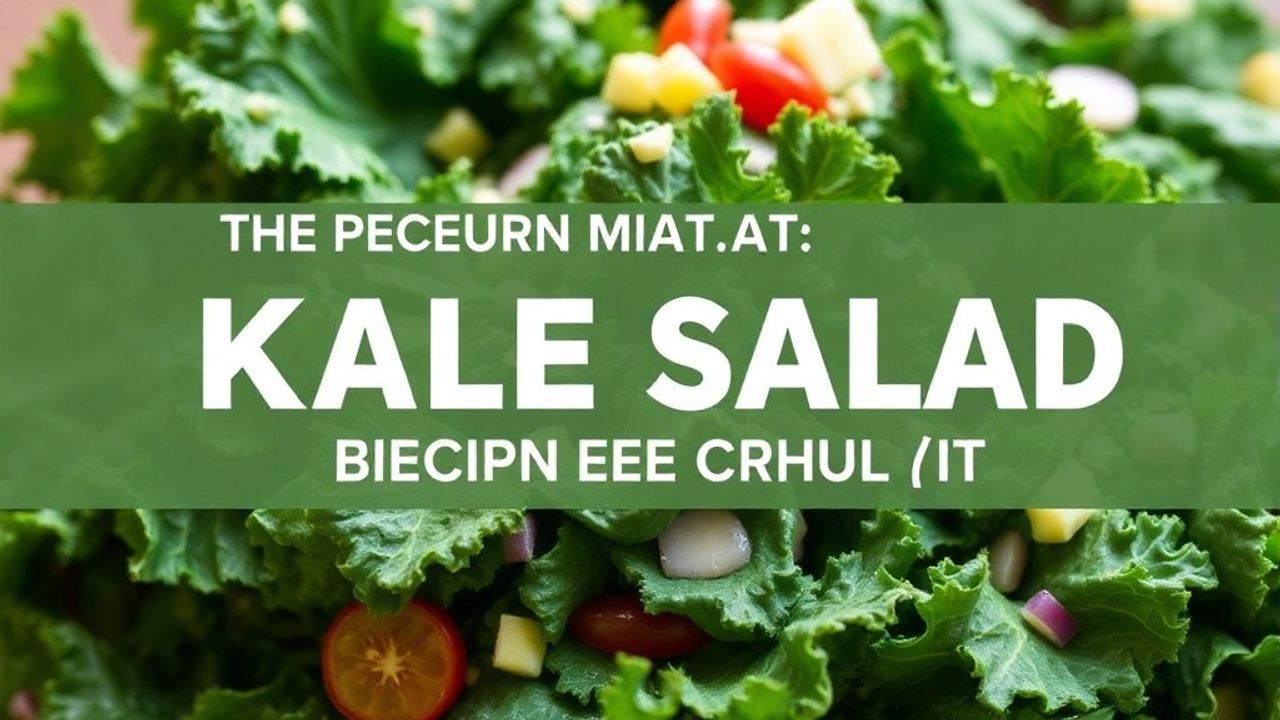
Kale offers bold texture and concentrated nutrients, making it a reliable base for salads that deliver crunch and flavor. Choose fresh leaves and use a few simple techniques to turn sturdy greens into a tender, crave-worthy dish.
- Quick tip: Massaging kale reduces bitterness and improves texture.
- Dressing note: Acid balances earthy kale; lemon or vinegar brightens every bite.
- Make-ahead: Store components separately to keep crunch until serving.
Prep and Cook Time
Prep: 15 minutes. Cook: 0 minutes — this is a raw salad recipe that emphasizes texture and fresh ingredients. Quick prep makes this ideal for weeknight meals or meal prep.
Plan assembly and chilling time when you want the dressing to meld without softening the greens too much. Keep the dressing and crunchy toppings separate until serving for best results.
Yield and Difficulty
Yield: Serves 4 as a main or 6 as a side. Scale easily by increasing kale and toppings while keeping dressing ratios steady.
Difficulty: Easy. The recipe relies on technique rather than advanced cooking; mastering the massage and dressing balance creates consistent results.
Ingredients
Assemble simple, high-quality ingredients to let texture and brightness shine. Use ripe components for contrast — for example, a firm but ripe avocado adds creaminess while toasted nuts give crunch.
Choose a good oil to help the leaves soften and absorb flavor; extra virgin olive oil works well and pairs with citrus or vinegar.
- 1 large bunch (about 8 cups) curly kale leaves, stemmed and chopped
- 1 tablespoon extra virgin olive oil for massaging
- 1 medium avocado, diced
- 1/2 cup toasted walnuts, coarsely chopped
- 1/3 cup crumbled feta
- 1/3 cup shaved Parmesan
- 1 medium carrot, peeled and julienned
- 1/4 cup dried cranberries
For the dressing:
- 3 tablespoons extra virgin olive oil
- 2 tablespoons fresh lemon juice
- 1 tablespoon maple syrup or honey
- 1 teaspoon Dijon mustard
- 1 small garlic clove, minced
- Salt and freshly ground black pepper, to taste
Instructions
Follow precise steps to get consistent texture and balanced flavors. The method emphasizes physical handling of the leaves and a well-emulsified dressing for coating without sogginess.
Work efficiently once ingredients are ready so the massaged kale remains cool and vibrant before serving. Keep toppings separate until the last toss for maximum crunch and color.
Choose Your Kale
Select fresh, firm leaves with vivid color and minimal wilting. Remove the tough center stems and chop the leaves into bite-sized pieces for even eating.
If you prefer a milder base, use Lacinato or baby kale. Each variety responds differently to massaging, so adjust times accordingly.
Massage the Kale
Place chopped kale in a large bowl and drizzle with 1 tablespoon olive oil and a pinch of salt. Using clean hands, knead and squeeze the leaves for 2–3 minutes until they soften and turn a brighter green.
This physical action breaks down cellulose and reduces bitterness, which improves mouthfeel and dressing absorption. Stop once the leaves feel tender but still hold structure.
Prepare the Dressing
Combine lemon juice, maple syrup or honey, Dijon, minced garlic, salt, and pepper; then whisk in the olive oil until the mixture emulsifies. A tight emulsion coats leaves evenly without pooling at the bottom of the bowl.
For a different profile, try a tahini-based or yogurt-based dressing. See the vinaigrette reference for technique and ratios: vinaigrette.
Toss and Build
Drizzle dressing over the massaged kale and toss gently to distribute flavor. Add diced avocado, toasted walnuts, cheeses, carrot, and cranberries, then toss lightly once more.
Taste and adjust seasoning with more lemon or salt as needed. Refrigerate for 10 minutes if you prefer a slightly melded flavor while preserving crunch.
Tips for Success
Small technique changes yield big improvements: wash and dry thoroughly, keep dressings measured, and toast nuts for a minute to unlock oils. Little details contribute to balance and texture.
Season incrementally and taste as you go; acidity and salt transform earthy kale into a lively base. Layer ingredients to create distinct textures on each bite.
After toasting, cool nuts completely before adding to the salad; hot nuts can wilt greens and soften dressings. Store extra toasted nuts in an airtight jar for ready use.
Serving Suggestions
Serve this salad alongside grilled protein or as the centerpiece of a grain bowl. Garnish with seeds or microgreens for color and nutrition.
For added texture, sprinkle crispy roasted chickpeas or puffed grains just before serving. Those crunchy additions heighten contrast and keep each forkful interesting.
The Best Kale Types for Maximum Crunch and Flavor
Curly kale gives the classic frilly edges that trap dressing and provide dramatic texture; Lacinato (dinosaur) kale offers a milder, earthier bite. Try Red Russian for a tender, sweeter note in warm-weather salads.
Choose based on mouthfeel and flavor: curly kale for maximum crunch, Lacinato for a denser chew. Experiment with blends for balanced texture and flavor complexity.
Read more about the plant and varieties at kale to match selection with recipe goals.
Nutrition Snapshot
Kale-based salads deliver fiber, vitamins, and healthy fats when paired with olive oil and nuts. Combining ingredients creates a nutritionally balanced dish with protein, healthy fats, and micronutrients.
For broader context on dietary components and recommended intake, consult general nutrition references such as nutrition resources. This helps match portion sizes to dietary goals.
| Nutrient | Per Serving (1 cup) |
|---|---|
| Calories | 210 |
| Protein | 6g |
| Carbohydrates | 12g |
| Fat | 18g |
FAQ
How do I stop kale from tasting bitter?
Massage the leaves with a little oil and salt for 2–3 minutes to soften cell walls and reduce bitterness. Acid in the dressing further balances residual bitterness.
Can I make this salad ahead of time?
Yes. Store massaged kale, dressing, and crunchy toppings separately. Toss them together within 30 minutes of serving to retain the crunch and fresh textures.
What proteins pair best with this salad?
Grilled chicken, seared salmon, roasted chickpeas, or warm quinoa all make this salad a satisfying meal. Choose based on dietary preference and desired meal density.
How do I adapt the dressing for a vegan version?
Swap honey for maple syrup and omit dairy cheeses or use plant-based alternatives. A tahini-lemon dressing also complements kale while keeping the recipe vegan-friendly.
Which nuts work best if someone has allergies?
If tree-nut allergies are present, substitute pumpkin seeds or toasted sunflower seeds for similar crunch without the allergen risk. Always confirm guest allergies before serving.
Final notes: Use this guide to create a repeatable, high-value kale salad that scales easily and stays vibrant. With the right technique and a few smart ingredients, kale becomes a culinary asset rather than a compromise.
See also: Kale Salad