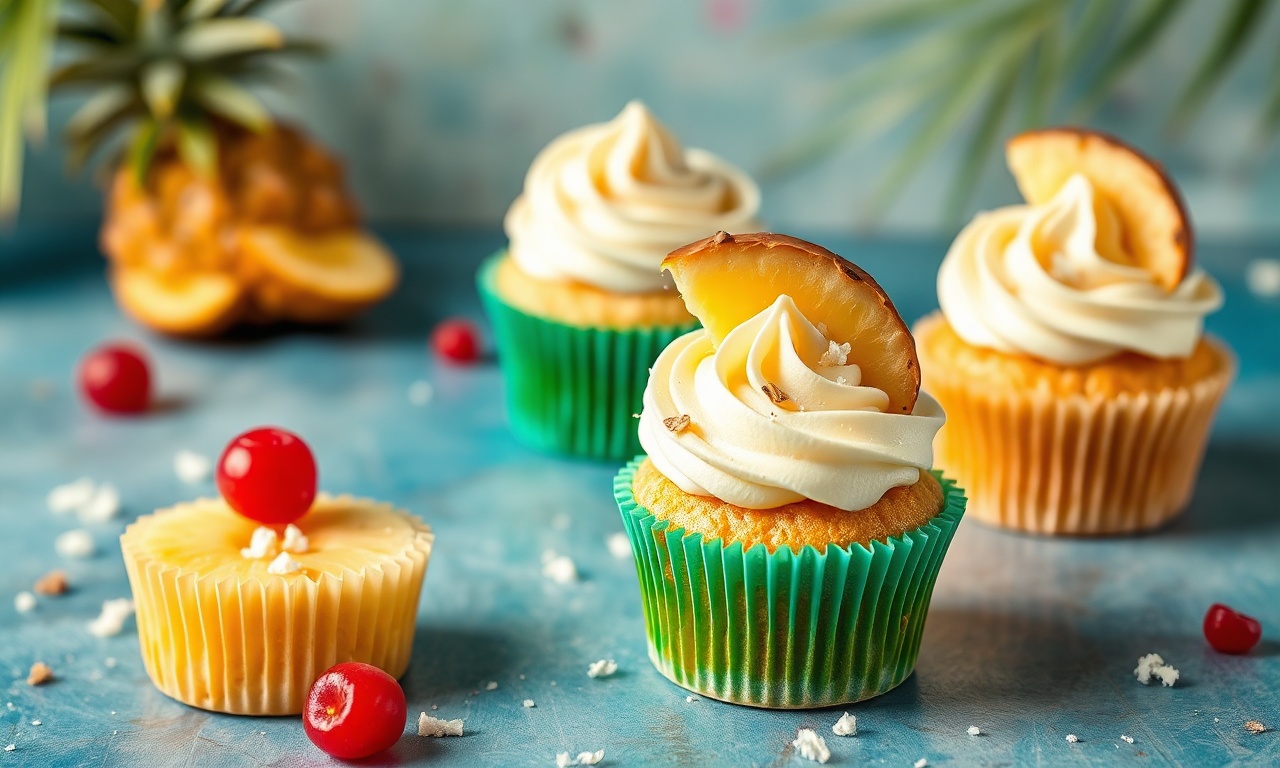
Step into a tropical mood where pineapple and coconut taste like a Piña Colada—minus the alcohol. These Piña Colada-Free Cupcakes deliver bright fruit flavor, creamy texture, and a beach-bakery aroma in every bite.
- Exploring Tropical Flavors Beyond Piña Colada
- What Makes the Piña Colada-Free Flavor Work
- Selecting the Perfect Ingredients for a Refreshing Twist
- Prep and Cook Time
- Yield
- Difficulty level
- Ingredients
- Step-by-Step Guide to Crafting Moist and Flavorful Cupcakes
- Creative Frosting Ideas to Complement Your Tropical Treats
- Lighter Option: Passion Fruit Glaze
- Chef’s notes: Tips for Success
- Serving Suggestions
- Q&A
You can use this recipe for parties, school-friendly treats, or anyone who prefers a non-alcoholic dessert. You still get the classic piña colada vibe through natural pineapple sweetness, coconut richness, and a little citrus lift.
At a Glance: Piña Colada-Free Cupcakes
- Flavor style: Pineapple + coconut with lime brightness, no rum.
- Texture goal: Tender crumb from yogurt and careful mixing.
- Frosting option: Lime cream cheese or coconut buttercream.
- Bake strategy: Check early to prevent dryness.
Exploring Tropical Flavors Beyond Piña Colada
A traditional piña colada tastes creamy, fruity, and gently sweet. This cupcake version keeps that same balance by using pineapple, coconut, and citrus rather than alcohol. As a result, the flavor reads “island” while staying family-friendly.
To broaden the tropical profile, you can add complementary fruits like mango or passion fruit. These choices bring tartness and aroma, which helps the cupcakes taste lively instead of one-note. For background on how tropical fruits develop flavor, see tropical fruit.
What Makes the Piña Colada-Free Flavor Work
The piña colada experience usually comes from pineapple’s acidity and coconut’s creamy mouthfeel. In baking, you mimic that pairing through fruit puree and dairy or coconut-based fats. Learn more about pineapple properties at Pineapple.
Then you support the flavor with vanilla and lime zest. Vanilla rounds out sweetness, while lime boosts aroma and helps the cupcake taste fresh. For general science on flavor compounds and citrus notes, you may find citrus helpful.
Selecting the Perfect Ingredients for a Refreshing Twist
Choose ripe fruit for the best natural sweetness. Aim for mangoes that smell fragrant and yield slightly to pressure. This approach reduces the need for extra sugar and supports a clean tropical taste.
For pineapple, use crushed or pureed fruit so it blends into the batter. For coconut, pick unsweetened coconut yogurt or light coconut milk so the cupcake doesn’t become overly sweet. If you want deeper texture, toast coconut flakes lightly before folding them in.
For quick reference on coconut foods and common uses, review coconut. Ingredient quality matters because cupcakes show flavor fast—especially when the recipe uses fruit-based notes.
Prep and Cook Time
- Preparation: 20 minutes
- Cooking: 18–20 minutes
- Total: 40 minutes
Yield
Makes 12 generously sized cupcakes.
If you use a smaller muffin tin, you may get 14–16 cupcakes. Adjust bake time by a minute at a time.
Difficulty level
Easy to Medium. You only need standard mixing skills and a reliable oven thermometer. Most success comes from timing and not overmixing the batter.
Ingredients
- 1 1/2 cups all-purpose flour, sifted
- 1 tsp baking powder
- 1/2 tsp baking soda
- 1/4 tsp fine sea salt
- 1/2 cup unsalted butter, softened
- 3/4 cup granulated sugar
- 2 large eggs, at room temperature
- 1 tsp pure vanilla extract
- 1/2 cup Greek yogurt
- 1/2 cup fresh mango puree (about 1 ripe mango)
- 1/4 cup fresh passion fruit pulp (from about 3 passion fruits)
- 1 tsp lime zest
- 1/4 cup unsweetened shredded coconut, toasted
Step-by-Step Guide to Crafting Moist and Flavorful Cupcakes
Before you start, preheat the oven to 350°F (175°C). Line a 12-cup muffin tin with paper liners.
Set up two bowls: one for dry ingredients and one for wet ingredients. This keeps mixing smooth and prevents overworking the batter.
- Preheat and line: Heat the oven to 350°F (175°C). Prepare the muffin tin with liners.
- Whisk dry: In a medium bowl, whisk flour, baking powder, baking soda, and salt. Set aside.
- Cream butter and sugar: Beat butter and sugar on medium speed until pale and fluffy, about 3–4 minutes.
- Add eggs and vanilla: Mix in eggs one at a time. Stir in vanilla extract.
- Mix in yogurt and fruit: Blend Greek yogurt, mango puree, passion fruit pulp, and lime zest. The batter will look looser than classic vanilla batter, and that’s normal.
- Fold dry into wet: Add dry ingredients in 2 additions. Fold until just combined. Stop as soon as you see no dry flour.
- Add toasted coconut: Fold in toasted shredded coconut until evenly distributed.
- Scoop and bake: Fill liners about two-thirds full. Bake for 18–20 minutes, or until a toothpick near the center comes out clean.
- Cool correctly: Rest cupcakes in the pan for 5 minutes. Move to a wire rack to cool fully.
Moisture comes from two places here: yogurt and fruit. Overmixing builds gluten and can make cupcakes tougher, so keep your folding gentle. For general baking behavior of gluten in wheat flour, see gluten.
Creative Frosting Ideas to Complement Your Tropical Treats
Frosting should match the cupcake’s fruit-forward profile. Choose a cream base that can handle citrus and coconut without turning oily or grainy.
A lime-infused cream cheese frosting works especially well because cream cheese adds tang. It also balances pineapple sweetness with a clean, dessert-shop finish.
If you prefer more coconut flavor, make a coconut buttercream using coconut milk and vanilla bean paste. Keep the milk simmered slightly to thicken before mixing, so the frosting holds its shape.
Lighter Option: Passion Fruit Glaze
For a faster topping, try a passion fruit glaze. Whisk passion fruit pulp with powdered sugar until it drizzles thickly.
Then spoon it over cooled cupcakes. The glaze sets softly and adds a glossy pop that reads “tropical” at first glance.
Garnish ideas: Use edible flowers, toasted coconut, or small cubes of fresh mango. These toppings add contrast in texture and color, which boosts visual appeal for gatherings.
Chef’s notes: Tips for Success
Start with freshness. If possible, use ripe fruit and store it properly before pureeing. Frozen fruit can work, but you may need to drain extra liquid for a thicker batter.
Next, bake with attention. Ovens vary, so check at 16 minutes and rotate the tray if your oven runs hot on one side.
- Freshness is key: Use the freshest fruit you can. Bright flavor drives the final taste.
- Test baking times: Check early to avoid dryness in the crumb.
- Texture balance: If batter looks too thick, add 1 tablespoon milk or coconut milk and fold gently.
- Make ahead: Bake cupcakes a day early and store them airtight. Frost right before serving for best texture.
- Substitutions: Use plant-based yogurt and dairy-free butter for a dairy-free version.
Serving Suggestions
These cupcakes shine at warm-weather events. Serve them with chilled fruit, like a mango-passion fruit salad or a simple citrus mix.
For drinks, pair with iced tea or sparkling water with a squeeze of lime. The goal stays simple: keep the palate clean so the coconut and pineapple taste pop.
If you want an easy visual theme, use bright paper liners and sprinkle extra toasted coconut on top. A tropical presentation helps guests recognize the flavor direction instantly.
| Nutrition Per Cupcake | Calories | Protein | Carbs | Fat |
|---|---|---|---|---|
| Approximate | 210 kcal | 4 g | 28 g | 9 g |
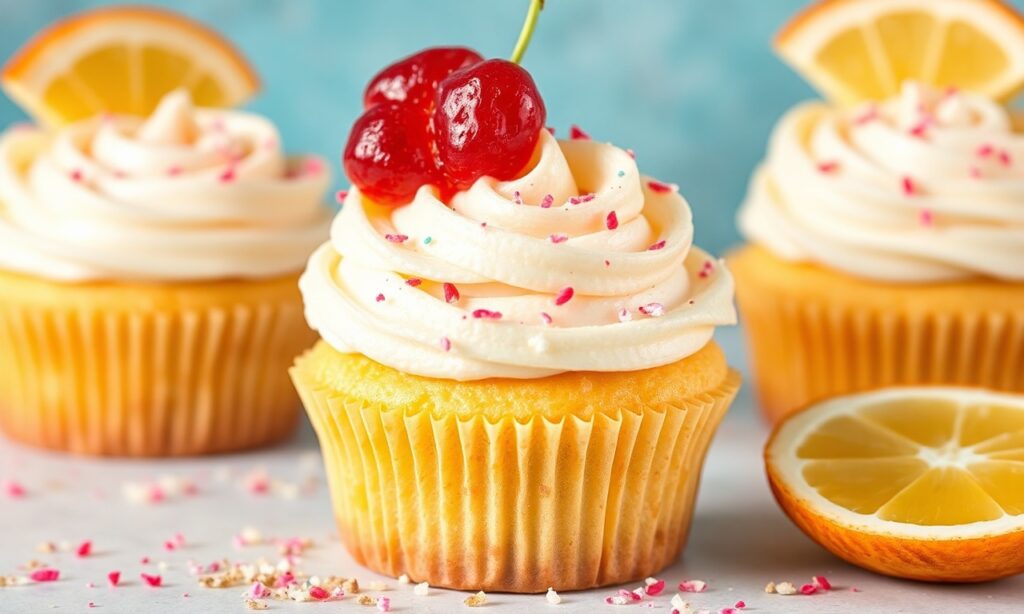
For more baking ideas centered on fruit and flavor balance, explore cake basics. Also, review frosting techniques if you want firmer or lighter finishes.
Q&A
1) Can I make Piña Colada-Free Cupcakes without alcohol and still keep the “piña colada” taste?
Yes. You can recreate the profile with pineapple and coconut plus a little lime. Alcohol mainly changes aroma; the fruit-and-coconut combination delivers the core flavor.
Use fruit puree and toasted coconut to strengthen the tasting notes. Keep mixing gentle so the crumb stays tender.
2) Why do my cupcakes sink after baking?
Sinking often comes from underbaking or overmixing. If the center stays soft, the structure can’t set during cooling.
Check at 16–18 minutes, depending on your oven. Also fold dry ingredients just until combined.
3) How do I prevent the batter from becoming too watery?
Fruit puree can add extra liquid. If your mango or passion fruit looks very runny, drain briefly or reduce by simmering 1–2 minutes and cool before mixing.
Then adjust with yogurt or a small amount of flour if needed. The batter should be pourable, not thin.
4) Can these cupcakes be made dairy-free?
Yes. Swap Greek yogurt for plant-based yogurt and use dairy-free butter. Coconut milk or coconut yogurt works well because it supports the tropical mouthfeel.
For frosting, choose dairy-free cream cheese or make a coconut-based frosting. Taste and adjust sweetness because some plant products vary.
5) What’s the best way to store Piña Colada-Free Cupcakes?
Store cupcakes airtight in the refrigerator if they have cream cheese frosting or yogurt-based frosting. Bring them to room temperature before serving for the best texture.
Typically, enjoy within 2–3 days for peak flavor and softness. Fruit-based desserts taste brightest soon after baking.
These Piña Colada-Free Cupcakes prove that you don’t need rum to get that island mood. Focus on ripe pineapple flavor, coconut richness, and careful baking, and you’ll deliver a dessert that feels festive every time.
When you serve them, you’re not just offering cupcakes. You’re offering a tropical escape—one tender crumb at a time.
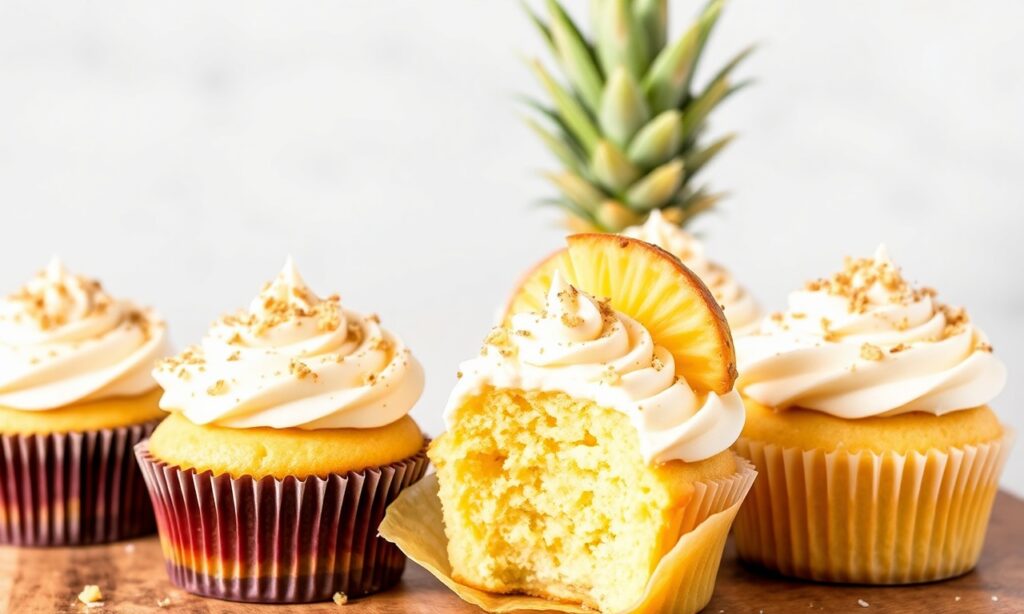
See also: Piña Colada-Free Cupcakes