
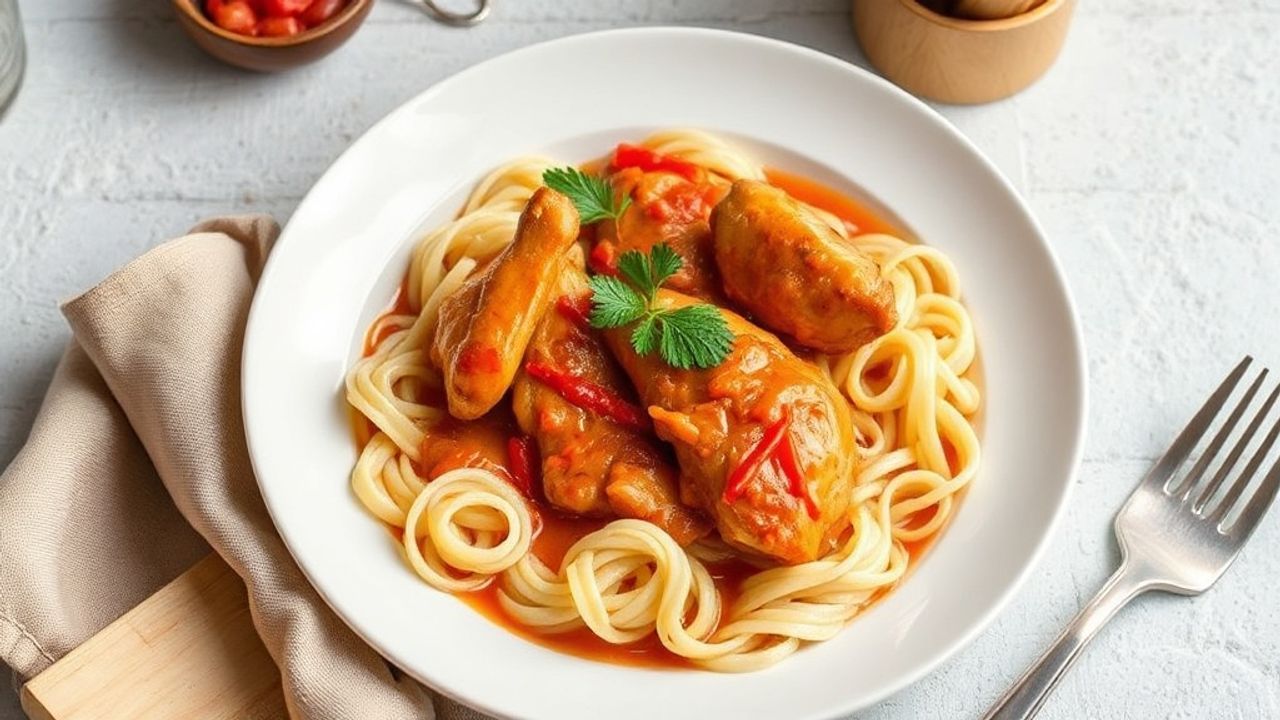
Chicken Paprikash remains one of Hungary’s most recognizable comfort dishes, defined by its warm paprika aroma, tender chicken, and silky sour cream finish. This classic stew rewards precise technique and the right ingredients, making it ideal for cooks who value authentic flavor and reliable results.
- Origins and Cultural Significance of Chicken Paprikash
- Key Ingredients That Define Chicken Paprikash
- Prep, Timing and Technique for Chicken Paprikash
- Step-by-Step Chicken Paprikash Method
- Chef’s Notes, 💡 Expert Insight and Practical Cautions
- Pairing and Serving Chicken Paprikash
- Nutrition, Storage and Practical Variations for Chicken Paprikash
- Internal Resources and Further Reading
- FAQ
- Key takeaway: use true Hungarian sweet paprika and low heat when adding it.
- Timing matters: brown the chicken, then simmer slowly for tender meat and a glossy sauce.
- Finish with care: temper sour cream to avoid curdling and maintain a silky texture.
- Serve traditionally: pair with nokedli or spaetzle-style dumplings for best results.
Origins and Cultural Significance of Chicken Paprikash
Chicken Paprikash traces its character to rural Hungarian kitchens where paprika elevated humble ingredients into memorable meals. The dish reflects regional ingredient choices and centuries of Central European culinary tradition.
Scholars and cooks link the rise of paprika in Hungary to the 18th and 19th centuries, when the spice became widely adopted and shaped local cuisine. For historical context, consult Hungarian cuisine for background on national foodways.
Key Ingredients That Define Chicken Paprikash
Authentic Chicken Paprikash relies on a short list of precise items: bone-in chicken, sweet Hungarian paprika, onions, chicken stock, flour for body, and sour cream for finish. Each component plays a technical role: bones bring collagen, paprika provides the aroma and color, and sour cream balances richness.
Seek genuine Hungarian sweet paprika and full-fat sour cream for the best mouthfeel. If you want a visual comparison to similar dumpling pairings, see the page on Spätzle, which aligns with traditional nokedli service.
Prep, Timing and Technique for Chicken Paprikash
Start by patting chicken dry and seasoning well; a dry surface promotes Maillard browning that deepens flavor. Use medium heat to render fat and develop color without scorching the paprika.
When you add paprika, remove the pan from direct heat and stir quickly into the fat and onions to avoid burning the spice. This off-heat technique preserves the sweet, smoky profile central to Chicken Paprikash.
Step-by-Step Chicken Paprikash Method
Step 1: Sear chicken skin-side down in neutral oil until the skin is golden and crisp. Transfer to a plate and reserve rendered fat for the sauce base.
Step 2: Sweat finely chopped onions in the same pan until soft and translucent, then remove the pan from heat before adding measured sweet paprika. Stir immediately to bloom the spice in the fat.
Building the Sauce
Return the pan to low heat and dust a small amount of flour over the mixture to create a roux-like binder; this step promotes a glossy, clingy sauce. Deglaze with chicken stock and nestle the seared pieces back into the liquid for a gentle simmer.
Simmer covered for about 25–35 minutes depending on cut and size. Turn the chicken midway, and finish by tempering room-temperature sour cream with a ladle of hot sauce before stirring it in off the heat.
Chef’s Notes,
💡 Expert Insight
and Practical Cautions
Technique matters: patience during browning and controlled simmering deliver both texture and depth. Quick shortcuts often sacrifice the silky body of the final sauce.
For reliable texture, use bone-in thighs. They release gelatin and remain forgiving to carry the sauce’s weight. Boneless white meat cooks faster but yields a leaner mouthfeel.
[TIP]Expert Insight: Use 1–2 tablespoons of rendered fat to bloom 2–3 tablespoons of quality Hungarian sweet paprika off heat. Blooming avoids bitterness and maximizes aroma. Temper sour cream by whisking in 2–3 tablespoons of hot sauce until smooth, then fold it into the pot off the heat to preserve silkiness.
Technique matters: patience during browning and controlled simmering deliver both texture and depth. Quick shortcuts often sacrifice the silky body of the final sauce.
For reliable texture, use bone-in thighs. They release gelatin and remain forgiving to carry the sauce’s weight. Boneless white meat cooks faster but yields a leaner mouthfeel.
[TIP]Expert Insight: Use 1–2 tablespoons of rendered fat to bloom 2–3 tablespoons of quality Hungarian sweet paprika off heat. Blooming avoids bitterness and maximizes aroma. Temper sour cream by whisking in 2–3 tablespoons of hot sauce until smooth, then fold it into the pot off the heat to preserve silkiness.
Rest the dish for five minutes before serving to let the sauce settle and coat the chicken evenly. This short rest enhances mouthfeel and helps flavors meld.
If you need to separate the TIP and WARNING blocks, this paragraph provides a practical buffer and reiterates the tempering step. Keep your sour cream at room temperature to reduce shock when you add it to hot liquid.
Pairing and Serving Chicken Paprikash
Traditionally, Chicken Paprikash pairs with nokedli—small Hungarian dumplings similar to spaetzle—that absorb and carry the sauce. Their tender, chewy texture complements the rich, paprika-forward sauce perfectly.
Alternatively, serve over buttered egg noodles or creamy mashed potatoes to capture every spoonful. For a light contrast, add a simple green salad dressed with lemon and a neutral oil to cut richness.
Nutrition, Storage and Practical Variations for Chicken Paprikash
A standard serving yields moderate protein and a generous fat content due to sour cream and skin-on dark meat. Adjust portions or choose skinless cuts to reduce fat while maintaining flavor via proper browning and longer simmering.
Store leftovers refrigerated in an airtight container for up to 48 hours. Reheat gently over low heat with a splash of stock to re-emulsify the sauce and restore creaminess without breaking it.
Internal Resources and Further Reading
For related traditional Hungarian recipes, consult our detailed Hungarian Goulash recipe and our practical Paprika Guide. Both pages expand on spice selection and stew technique for regional authenticity.
For authoritative background on the key spice and its role in cuisine, review the Wikipedia entry on Paprika. For animal protein context, see Chicken as food for handling and safety notes.
FAQ
What cut of chicken works best for Chicken Paprikash?
Bone-in, skin-on thighs give the best balance of flavor, gelatin, and forgiving cooking time. The darker meat resists drying and improves sauce richness as collagen breaks down.
If you prefer white meat, shorten the simmer and monitor temperature to avoid overcooking. Consider adding a bit more stock or a spoonful of butter to boost mouthfeel.
Can I use smoked paprika instead of Hungarian sweet paprika?
Smoked paprika changes the dish’s character by adding pronounced smoke notes. Use it sparingly if you want a subtle accent but stick to sweet Hungarian paprika for the classic profile.
Mix a small pinch of smoked variety with sweet paprika for complexity, but test in small amounts to maintain balance and avoid overwhelming the sauce.
How do I prevent the sauce from curdling when adding sour cream?
Remove the pot from direct heat and temper the sour cream with a few tablespoons of hot sauce or stock, then stir slowly into the pot. This equalizes temperatures and reduces curdling risk.
Use full-fat sour cream for stability; low-fat varieties are more likely to separate under heat. Gentle, off-heat incorporation preserves a smooth, glossy finish.
Is there a vegetarian version of Chicken Paprikash?
Yes. Replace chicken with hearty mushrooms, seared cubes of smoked tofu, or root vegetables. Use vegetable stock and follow the same technique to bloom paprika and finish with sour cream or a cultured plant-based alternative.
Mushrooms provide umami and a meat-like texture; roast them first for concentrated flavor before adding to the sauce to maintain depth.
How should I reheat leftovers while preserving texture?
Gently reheat over low heat, stirring frequently and adding a splash of stock to loosen the sauce. Avoid high heat, which can separate the cream and toughen the meat.
Finish with a quick hand whisk or a dollop of fresh sour cream off heat to refresh texture and shine before serving.
Final note: Mastery of Chicken Paprikash comes from attention to spice handling, controlled heat, and proper finishing. Follow the steps and tips here to achieve a reliable, authentic result that delivers true Hungarian flavor.
See also: Chicken Paprikash