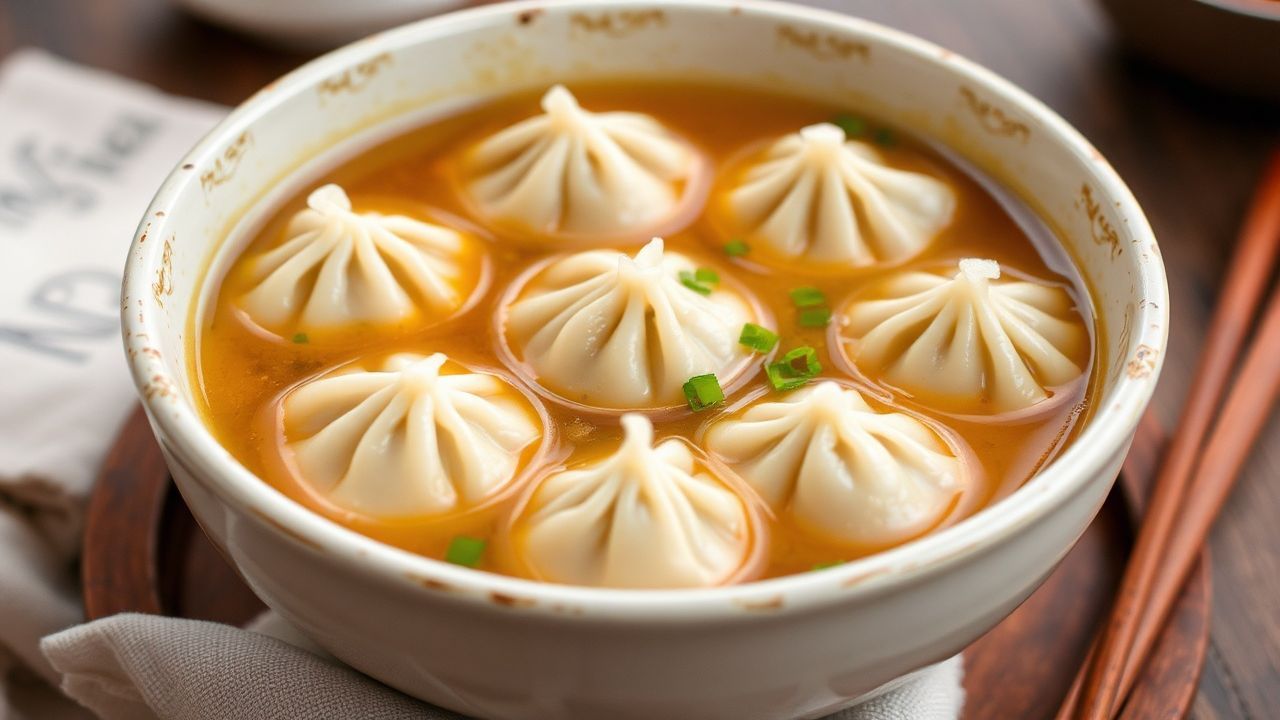
Homemade dumplings soup tastes special because the broth and the dumplings finish each other. When your broth has the right salt, fat, aromatics, and timing, every bite tastes “complete,” not separate.
- Why Homemade Dumplings Soup Needs a “Broth System”
- Broth Building: The Method That Delivers Deeper Flavor
- Phase 1: Extraction (Start With Cold Water)
- Phase 2: Skimming and Straining for a Cleaner Bowl
- Phase 3: Concentration Without Harshness
- 30-Minute Dumplings Soup Strategy (Realistic + Repeatable)
- Best Dumpling Soup Broth Recipe (Chicken + Shiitake, Built for Clarity)
- How to Cook Dumplings Without Sogginess
- Seasoning Like a Pro: Layered Salt and Umami
- Aromatics and Garnishes That Make the Bowl Feel “Finished”
- Broth Storage, Reheating, and Food Safety
- Choosing the Right Dumpling Filling for Your Broth
- FAQ
- Broth is the flavor engine: you build body, aroma, and clarity with controlled heat and smart ingredients.
- Simmer gently for clarity: avoid rolling boils to reduce cloudiness and harsh flavors.
- Season in layers: salt and umami should show up gradually, then finish with a final taste.
- Cook dumplings last: you protect texture and prevent soggy wrappers.
This guide shows you how to make a dumplings soup broth you’ll want to drink. You’ll learn practical methods—skimming, straining, reducing, and garnish timing—so you can repeat the result on busy nights.
Why Homemade Dumplings Soup Needs a “Broth System”
Most people focus on the dumplings and forget the broth. That’s a mistake, because dumplings are mild by design. The broth carries salt, aroma, and warmth that link wrapper and filling into one flavor.
A well-built broth also affects texture. Collagen and gelatin from simmered chicken parts create a silky mouthfeel, while careful reduction thickens flavor without turning the soup heavy.
If you want a clear idea of where this comes from, read about stock. It explains why extraction and gelatin formation depend on time and heat.
Flavor Components You Must Balance
Think of dumplings soup like a simple equation: salt + fat + aromatics + umami + timing. When any one part overwhelms the others, the bowl tastes flat or “one-note.”
Salt matters first. Then fat rounds out the taste and keeps it satisfying. Aromatics give lift, while umami makes the broth feel deeper without needing extra meat.
Clarity vs. Cloudiness: What’s Actually Happening
Cloudiness usually comes from proteins and particulates that break down too aggressively. A hard boil can push these into the liquid and make the broth look greasy or milky.
For clarity, you want gentle heat and patient extraction. If you’re curious about the science of boiling and temperature effects, boiling provides a solid baseline.
Broth Building: The Method That Delivers Deeper Flavor
Start by choosing your “base direction.” Chicken broth suits pork, beef, and classic napa cabbage fillings. Mushroom-forward broth works well for vegetarian dumplings and seafood-style fillings.
Next, control three phases: extraction, clarification, and concentration. You’ll skim at the right time, strain for a clean finish, then reduce briefly so flavor lands on the palate.
Phase 1: Extraction (Start With Cold Water)
Use cold, filtered water and add your aromatics and protein before heating. Cold-start extraction helps flavors distribute evenly rather than surging only at the surface.
Keep your heat steady. Move the pot to a gentle simmer instead of blasting it. That supports smooth extraction and reduces cloudy runoff.
Phase 2: Skimming and Straining for a Cleaner Bowl
As the pot warms, foam and scum float up. Skim it early and often. This small habit keeps the broth bright and prevents a “muddy” finish.
Then strain. A fine sieve plus cheesecloth captures tiny particles that your eyes might ignore but your mouth will notice.
If you want the bigger picture of how liquids and flavors separate, review straining for an accessible explanation.
Phase 3: Concentration Without Harshness
After straining, simmer uncovered to reduce slightly. Reduction intensifies flavor, but it can also concentrate bitterness if your heat is too high.
Keep the reduction short—think minutes, not hours—then taste. The broth should feel round, not sharp.
30-Minute Dumplings Soup Strategy (Realistic + Repeatable)
You can’t fully build deep broth in 30 minutes if you start from raw chicken bones. However, you can still make “30-minute dumplings soup” by using a shortcut base.
The goal: save time on broth while still controlling flavor at the end. Use pre-made broth or leftover homemade stock, then do a quick seasoning and finishing step.
Shortcut Base Options
Pick one option based on what you have:
Option A: Use store-bought chicken stock and upgrade with aromatics and a brief simmer.
Option B: Use frozen homemade stock (best flavor).
Option C: Use leftover roast chicken bones or a previous batch.
30-Minute Broth Upgrade (Step-by-Step)
Warm your stock gently in a pot. Add ginger slices, a few smashed garlic cloves, and sliced mushrooms if you like a richer umami tone.
Simmer gently for 10–12 minutes. Skim if foam forms, then season with soy sauce (or tamari) and taste for salt.
Finally, add a small splash of water if it becomes too strong after reduction. You want the broth to taste clean—not salty and not diluted.
Best Dumpling Soup Broth Recipe (Chicken + Shiitake, Built for Clarity)
This recipe gives you a deep, savory broth with a clean finish. You can use it for freshly made dumplings or store-bought dumplings as a reliable base.
Plan the timeline: cook the broth first (it takes longer), then finish the soup quickly when you’re ready to eat. If you want a 30-minute meal, make the broth ahead and refrigerate.
Ingredients (6 Servings of Broth)
Base
3 lb bone-in chicken thighs (skin-on for richer flavor)
12 cups cold filtered water
Aromatics
1 large yellow onion, quartered
3 cloves garlic, smashed
2-inch fresh ginger piece, sliced
Vegetables and herbs
2 large carrots, chopped into large chunks
2 celery stalks, chopped
1 cup shiitake mushrooms (fresh or dried)
3 sprigs fresh thyme
2 sprigs fresh parsley
1 tbsp black peppercorns
Seasoning
2 tbsp soy sauce (or tamari for gluten-free)
1 tsp sea salt (adjust after tasting)
Optional garnish
Scallions, cilantro, chili oil, toasted sesame oil, chili flakes
Prep + Cook Time
Prep: 20 minutes
Cook: 2 hours 15 minutes to 2 hours 30 minutes
Total: about 2 hours 50 minutes
You’ll get the best results if you keep the simmer gentle and skim early. That’s what separates “good” broth from truly satisfying dumplings soup.
Step-by-Step Instructions
1) Rinse chicken thighs and place them in a large stockpot. Add cold water, onion, garlic, ginger, carrots, celery, mushrooms, thyme, parsley, and peppercorns.
2) Heat slowly until the broth reaches a gentle simmer. Skim foam from the surface as it appears with a fine mesh ladle.
3) Reduce heat to low. Simmer uncovered for about 2 to 2.5 hours, maintaining small bubbles. Stir occasionally so ingredients don’t stick to the bottom.
4) Remove chicken and vegetables with tongs. Strain the broth through a fine mesh sieve lined with cheesecloth for clarity.
5) Return strained broth to the pot. Add soy sauce and salt, then simmer uncovered for 15–20 minutes to concentrate flavor.
6) Serve: ladle hot broth over cooked dumplings. Finish with scallions, cilantro, sesame oil, and chili oil right before eating.
How to Cook Dumplings Without Sogginess
Dumplings soup can go wrong fast if you cook dumplings for too long in the broth. Wrappers absorb liquid, and they soften into a texture you didn’t plan.
Use a timing approach instead: cook dumplings separately or add them near the end. Then serve immediately so each bowl keeps its structure.
Two Reliable Methods
Method 1: Cook separately
Boil dumplings until done, then transfer to bowls. Pour hot broth over them just before serving.
Method 2: Finish in broth
Bring broth to a gentle simmer, add dumplings, and cook for the shortest time your package or recipe requires. Stop as soon as the centers feel tender.
How to Judge Doneness
Dumplings should look slightly translucent at the edges and feel tender when bitten. If you can, taste one dumpling early. That prevents overcooking the rest.
Also pay attention to broth temperature. When broth boils hard, dumplings bounce and break. Gentle heat protects the wrapper seams.
Seasoning Like a Pro: Layered Salt and Umami
Great dumplings soup doesn’t taste “one-time salted.” It tastes seasoned in layers. That gives you brightness at the top and depth in the middle.
Start with aromatics and protein. Then season with soy sauce and salt after straining. Finally, adjust again at serving.
Where Soy Sauce Fits Best
Soy sauce adds salt and umami. If you add too much too early, reduction can concentrate it into a sharp, overly salty profile.
That’s why you should treat soy sauce as a finishing seasoning after you strain. For background on umami and savory flavor, see umami.
Optional Boosters That Stay Balanced
You can adjust richness without wrecking the broth. Try a small drizzle of sesame oil at the end for nuttiness. For heat, use chili oil instead of stirring dried chili into simmering broth.
If you want a stronger mushroom vibe, add a few extra sautéed shiitake slices to each bowl. That keeps aroma fresh and prevents the soup from tasting muddy.
Aromatics and Garnishes That Make the Bowl Feel “Finished”
Garnishes do more than look pretty. They add fresh aroma that pops above the slow-cooked base.
Use a timing rule: add herbs and chili at the last moment, then serve right away.
High-Impact Garnish Combos
Bright + clean: scallions plus cilantro or Thai basil.
Nutty + cozy: toasted sesame oil and black pepper.
Spicy + fragrant: chili oil and a few chili flakes.
For a tangy contrast, add pickled radish or lightly dressed bok choy. Acid makes salty broth taste sharper and cleaner.
Why Fermented Sides Work
Fermented foods bring acidity and complexity. They help the palate reset between rich bites.
If you want the core concept behind fermented flavor, read fermentation.
Broth Storage, Reheating, and Food Safety
Make broth ahead to hit weeknight timelines. Cool it quickly, store it in airtight containers, and reheat gently so aroma and clarity stay intact.
Reheat only what you plan to use. Frequent reheating can dull aroma and slightly change texture.
Practical Storage Tips
Refrigerate broth for up to 3 days. Freeze for up to 3 months in smaller portions. Then thaw in the fridge overnight for best flavor.
For food safety rules, follow local guidelines and basic timing principles. If you need a refresher, review food safety.
Reheating Without Turning Cloudy
Heat broth on low to medium-low until hot. Avoid boiling hard. Hard boiling after straining can reintroduce cloudiness.
When ready, cook dumplings last, then assemble bowls. That preserves wrapper texture and keeps the meal feeling fresh.
Choosing the Right Dumpling Filling for Your Broth
The best dumplings soup pairing matches intensity. Mild fillings need lighter broths, while rich fillings welcome deeper bases.
Use this quick guide to build harmony. It makes your bowls taste intentional, not accidental.
Pairings That Always Work
Chicken or veggie dumplings: light-to-medium broth with ginger and mushrooms.
Pork dumplings: chicken-based broth with a deeper soy finish.
Beef dumplings: richer broth and a touch more umami.
If your filling already tastes strongly seasoned, keep broth seasoning restrained. If the filling feels bland, let broth deliver extra depth.
Texture Matching Matters
Some fillings release lots of juices. Those benefit from a broth with enough fat to carry flavor. Other fillings taste best with a clearer, cleaner base.
When in doubt, serve garnishes and sides so the diner can adjust. That turns one pot of soup into multiple satisfying bowls.
FAQ
What makes broth essential for homemade dumplings soup?
Broth provides the salt, fat, aroma, and umami that link the wrapper to the filling. Dumplings taste mild, so the soup must do the heavy lifting for overall flavor balance.
How do I keep dumplings from getting soggy?
Cook dumplings separately or add them at the end for the shortest time needed. Serve immediately after they cook so they don’t over-absorb broth.
Can I use a store-bought broth and still get great results?
Yes. Warm the stock, add fresh aromatics, simmer briefly, then season after tasting. This upgrade keeps flavor clean while saving time.
Why does skimming and straining make a noticeable difference?
Skimming removes foam and scum that cloud the liquid. Straining catches tiny particles, so your broth looks clearer and tastes cleaner on the first spoonful.
How long can I store dumpling soup broth?
Refrigerate broth up to 3 days and freeze up to 3 months. Reheat gently and cook dumplings right before serving for the best texture.
See also: homemade dumplings soup