The Allure of the Perfect Quinoa Salad: More Than Just a Bowl of Grains
Imagine a plate that bursts with vibrant colors, a symphony of textures, and a flavor profile that dances on your palate, all while delivering a powerful nutritional punch. This isn’t a far-fetched culinary dream; it’s the reality of a well-crafted quinoa salad. For too long, the humble quinoa salad has been relegated to the sidelines, often viewed as a bland afterthought or a simple side dish. But the truth is, when approached with intention and expertise, a quinoa salad can transform into a complete, satisfying meal that supports everything from sustained energy levels to muscle recovery.
- The Allure of the Perfect Quinoa Salad: More Than Just a Bowl of Grains
- Quinoa: The Andean Supergrain Revolutionizing Modern Diets
- The Art and Science of Building a High-Protein Quinoa Salad
- Crafting the Flavor Profile: Beyond Basic Seasoning
- The Step-by-Step Blueprint for an Expert Quinoa Salad
- Maximizing Protein and Dietary Adaptability
- Serving Suggestions and Meal Prep Strategies
- Frequently Asked Questions about Quinoa Salad
- Why is rinsing quinoa before cooking so important?
- Can I make a quinoa salad ahead of time for meal prep?
- What are the best protein additions for a vegan quinoa salad?
- How can I make my quinoa salad more flavorful and exciting?
- Is quinoa salad suitable for a low-carb diet?
- Final Recommendations: Embrace the Quinoa Salad Lifestyle
Forget the days of dry, uninspired bowls; we’re about to unlock the secrets to creating a quinoa salad that is not only exceptionally healthy but also undeniably delicious and deeply nourishing.
A truly exceptional quinoa salad is a masterclass in balance: the earthy heartiness of the grain, the vibrant crunch of fresh vegetables, the satisfying chew of protein boosters, and the zesty embrace of a perfectly calibrated dressing.
Key Takeaways: Mastering the Quinoa Salad
- Nutrient Density: Quinoa is a complete protein, providing all essential amino acids, making it a superior base for salads aimed at satiety and muscle support.
- Flavor Architecture: Layering textures and tastes—from the crispness of raw vegetables to the richness of seeds and the tang of a vibrant dressing—is crucial for an engaging culinary experience.
- Protein Powerhouse: Strategic addition of legumes, lean meats, or plant-based proteins elevates the quinoa salad from a side dish to a robust meal that promotes fullness and aids recovery.
- Versatile Foundation: The adaptable nature of quinoa salad allows for endless customization, catering to diverse dietary needs and flavor preferences with simple ingredient swaps.
Quinoa: The Andean Supergrain Revolutionizing Modern Diets
At the heart of any exceptional quinoa salad lies quinoa itself. This ancient grain, domesticated over 7,000 years ago in the Andes region of South America, has rightfully earned its “superfood” status in contemporary cuisine. Unlike most plant-based foods, quinoa is a complete protein, meaning it contains all nine essential amino acids that the human body cannot produce on its own. This makes it an invaluable ingredient for vegetarians, vegans, athletes, and anyone seeking to increase their protein intake without relying solely on animal products.
A study published in the *Journal of the American College of Nutrition* highlighted quinoa’s rich profile of minerals like magnesium, iron, and potassium, alongside its significant fiber content, contributing to its role in promoting satiety and supporting digestive health. The versatility of quinoa extends beyond its nutritional merits; its subtle, nutty flavor and slightly chewy texture provide an ideal canvas for a myriad of culinary creations.
Beyond its fundamental protein completeness, the nutritional profile of quinoa offers further advantages. It is naturally gluten-free, making it an excellent choice for individuals with celiac disease or gluten sensitivities. Research indicates that replacing refined grains with quinoa can lead to improved blood sugar control and reduced risk factors for metabolic syndrome. The presence of antioxidants, such as quercetin and kaempferol, also contributes to quinoa’s health-promoting properties, helping to combat cellular damage. When building a quinoa salad, understanding these inherent benefits allows for a more intentional approach to ingredient selection, maximizing the nutritional impact of every bite.
The Art and Science of Building a High-Protein Quinoa Salad
Elevating a standard quinoa salad into a high-protein powerhouse requires a strategic approach to ingredient selection. While quinoa provides a solid foundation, augmenting it with additional protein sources is key to creating a meal that sustains energy and promotes satiety. This is where the true creativity in quinoa salad construction comes into play, transforming it from a simple side into a complete dietary solution. The goal is to achieve a harmonious balance of macronutrients, ensuring a fulfilling and nutritionally robust experience.
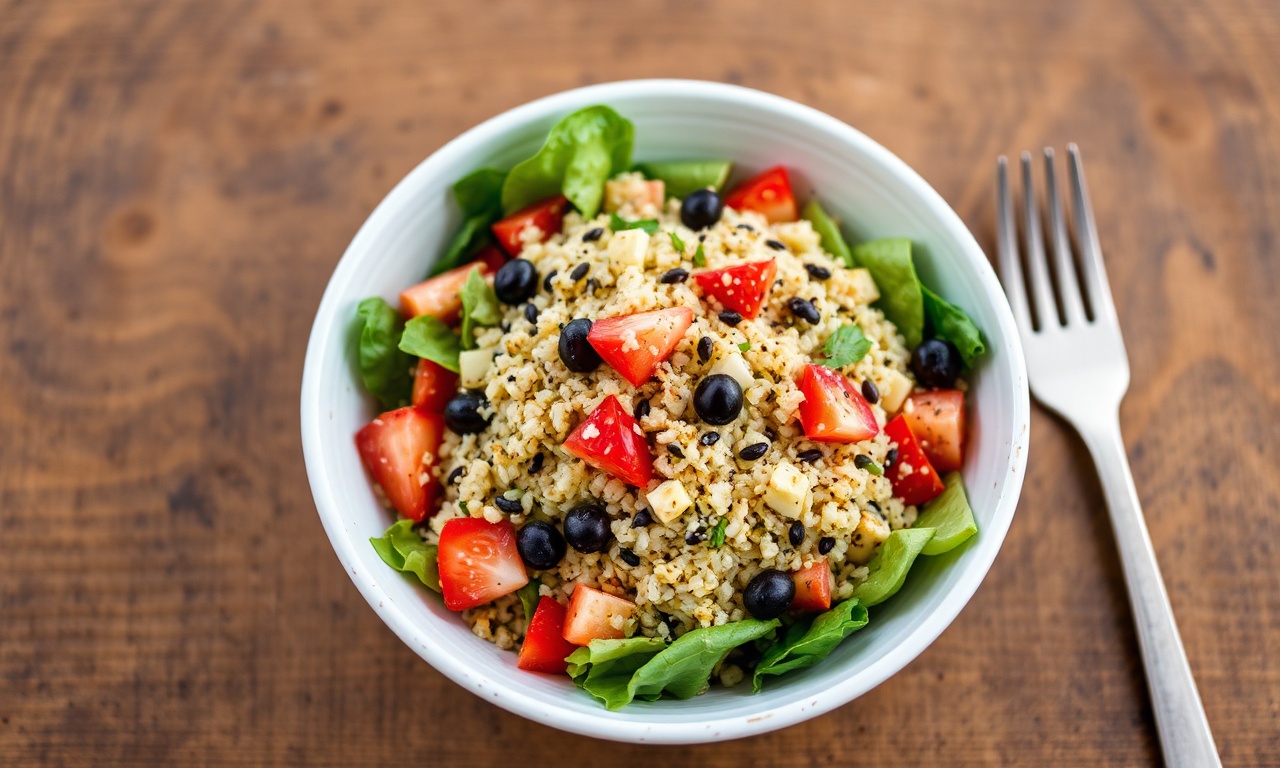
The protein sources you choose will significantly dictate the final character and nutritional density of your quinoa salad. For a plant-forward approach, legumes such as chickpeas, black beans, or edamame are excellent choices. They not only contribute substantial protein but also offer dietary fiber, which further enhances satiety and digestive wellness. For instance, a cup of cooked chickpeas can provide around 15 grams of protein. Incorporating nuts and seeds, like toasted pumpkin seeds (pepitas), sunflower seeds, or slivered almonds, adds another layer of protein, along with healthy fats and a satisfying crunch. These small additions, when combined, can dramatically boost the overall protein content of your dish.
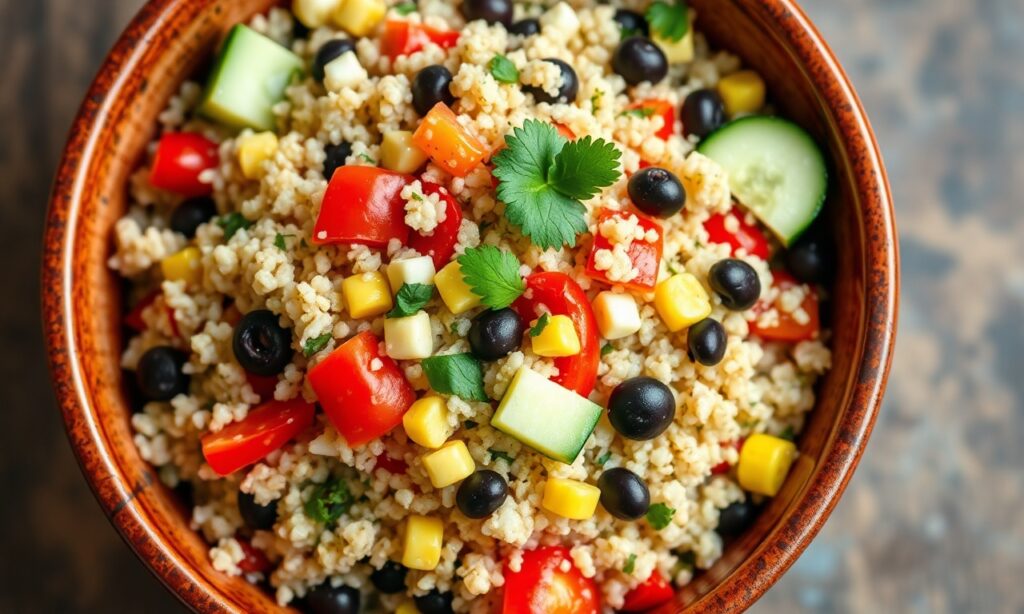
For those who include animal products in their diet, lean proteins like grilled chicken breast, flaked salmon, or cooked shrimp can be smoothly connect. These options provide complete protein profiles and can add a different textural dimension to the salad. When selecting animal proteins, opt for lean cuts and consider grilling, baking, or poaching to minimize added fats. The strategic combination of quinoa with these diverse protein sources ensures that your salad is not only a delight to the senses but also a formidable ally in your health and fitness journey.
Crafting the Flavor Profile: Beyond Basic Seasoning
A truly memorable quinoa salad transcends mere sustenance; it becomes a culinary adventure. The key lies in meticulously layering flavors and textures, transforming a simple grain into a complex and satisfying dish. This involves moving beyond basic salt and pepper to embrace a spectrum of aromatics, acids, and umami-rich ingredients. The foundation of a well-seasoned quinoa salad begins with the cooking liquid for the quinoa itself. Instead of plain water, consider using vegetable broth, chicken broth, or even a light mushroom broth to infuse the grains with subtle savory notes from the very start.
The dressing is arguably the most critical component in binding all the elements of a quinoa salad together. A well-balanced vinaigrette can elevate even the most basic ingredients. Think beyond a simple oil-and-vinegar combination. Incorporating fresh citrus juices—lime, lemon, or orange—provides brightness and acidity that cuts through richness and awakens the palate. A touch of sweetness from honey, maple syrup, or agave nectar can round out the flavors, while Dijon mustard or tahini can act as emulsifiers, creating a smooth, cohesive dressing. Herbs matter significantly in adding freshness and aromatic depth. Freshly chopped cilantro, parsley, mint, or dill can significantly impact the overall taste profile.
For instance, cilantro and lime are a classic pairing that evokes the vibrant spirit of Peruvian cuisine, while mint can add a surprising and refreshing twist.
Beyond the dressing, consider the power of toasted nuts and seeds. Toasting enhances their natural oils, bringing out a deeper, nuttier flavor and a satisfying crunch that contrasts beautifully with the softer elements of the salad. Spices and seasonings also deserve careful consideration. Cumin, coriander, smoked paprika, or even a pinch of red pepper flakes can introduce warmth, earthiness, or a hint of heat, adding complexity without overwhelming the other ingredients. The strategic use of these elements ensures that each forkful of your quinoa salad offers a dynamic and engaging taste experience.
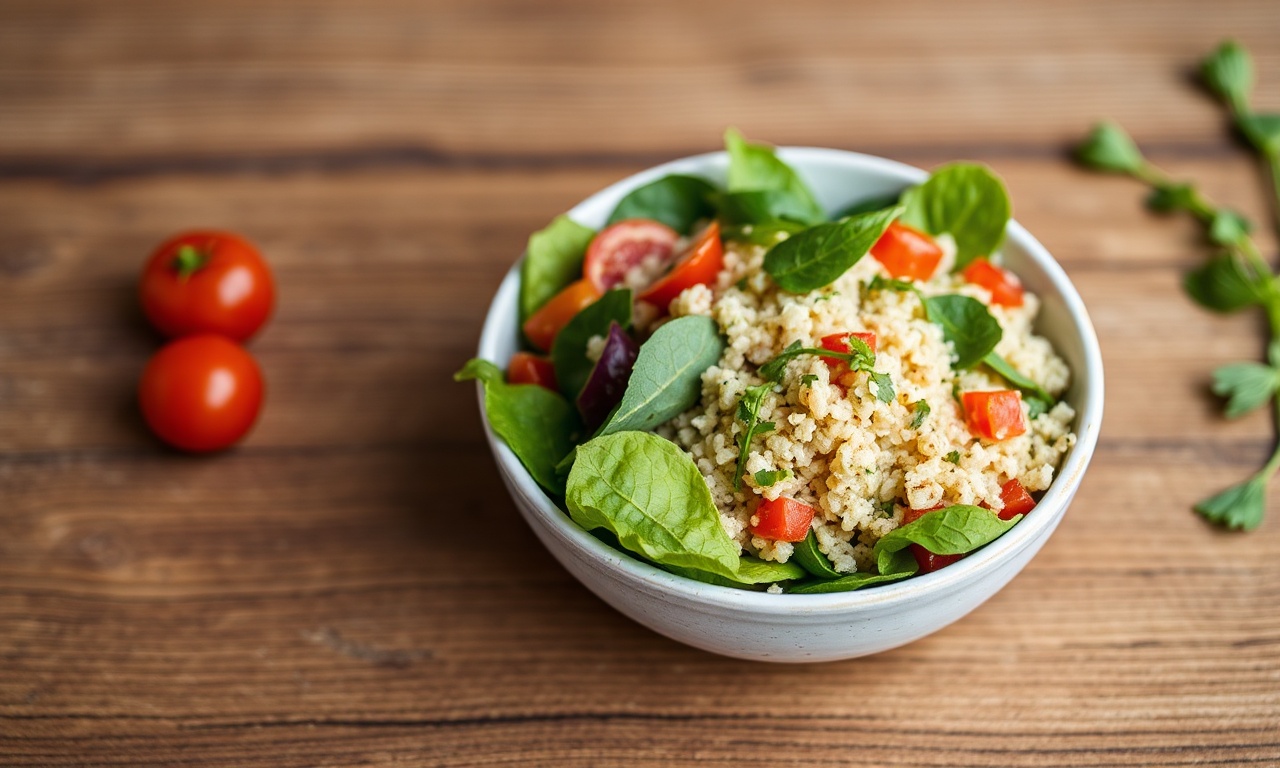
The Step-by-Step Blueprint for an Expert Quinoa Salad
Achieving culinary excellence with your quinoa salad is a process that benefits from a structured, yet flexible, approach. Following a clear methodology ensures that each component is prepared optimally, leading to a cohesive and delightful final product. The process begins with the proper preparation of the quinoa itself, a crucial step often overlooked.
- Rinse the Quinoa: Before cooking, thoroughly rinse the quinoa under cold running water using a fine-mesh sieve. This step is vital for removing saponins, a natural coating on quinoa seeds that can impart a bitter, soapy flavor. Continue rinsing until the water runs clear.
- Cook the Quinoa: Combine one cup of rinsed quinoa with two cups of liquid (water, broth, or a combination) in a medium saucepan. Bring to a boil, then reduce the heat to low, cover, and simmer for approximately 15 minutes, or until all the liquid is absorbed. Let it stand, covered, for an additional 5 minutes off the heat.
- Fluff and Cool: Once rested, fluff the quinoa gently with a fork. For optimal dressing absorption and to prevent ingredients from wilting, spread the cooked quinoa on a baking sheet or large plate to cool completely. This aeration also helps to achieve a desirable texture.
- Prepare the Dressing: While the quinoa cools, whisk together your chosen dressing ingredients. A classic vinaigrette might include 1/4 cup extra virgin olive oil, 2 tablespoons of fresh lime or lemon juice, 1 teaspoon of Dijon mustard, a pinch of salt, and freshly ground black pepper. Taste and adjust seasonings as needed.
- Assemble the Salad Base: In a large mixing bowl, combine the cooled quinoa with your selected protein sources (e.g., cooked chickpeas, diced chicken, or black beans) and a generous assortment of chopped fresh vegetables. Consider ingredients like diced red bell pepper, cucumber, cherry tomatoes, red onion, and corn.
- Incorporate Flavor Enhancers: Add your chosen herbs (cilantro, parsley, mint), toasted nuts or seeds (pepitas, sunflower seeds), and any other flavor boosters like avocado or crumbled feta cheese.
- Dress and Toss: Pour the prepared dressing over the salad ingredients. Gently toss everything together, ensuring all components are evenly coated. Be mindful not to over-mix, which can mash softer ingredients.
- Rest and Serve: For the flavors to meld beautifully, allow the quinoa salad to rest for at least 15-30 minutes at room temperature or in the refrigerator. This resting period is crucial for the ingredients to harmonize. Serve chilled or at room temperature.
Maximizing Protein and Dietary Adaptability
The beauty of a quinoa salad lies not only in its inherent nutritional value but also in its remarkable adaptability. This makes it an ideal dish for catering to a wide range of dietary needs and preferences, particularly when it comes to boosting protein content and accommodating various lifestyle choices. The strategic inclusion of plant-based proteins can transform a simple quinoa salad into a complete and satisfying vegan or vegetarian meal.
For those following a vegan diet, the protein potential is immense. Beyond chickpeas and black beans, consider adding ingredients like pan-fried or baked tofu, tempeh, or even protein-rich grains like amaranth or farro. Edamame, with its satisfying pop and substantial protein content, is another excellent addition. According to the USDA FoodData Central, one cup of shelled edamame contains approximately 17 grams of protein. Furthermore, incorporating ingredients like hemp seeds, chia seeds, or nutritional yeast can further enhance the protein and micronutrient profile of a vegan quinoa salad without significantly altering its texture. A tablespoon of hemp seeds, for example, adds about 10 grams of protein.
Beyond vegan and vegetarian adaptations, quinoa salad can be tailored for specific dietary goals. For individuals aiming for lower carbohydrate intake, reducing the proportion of quinoa and increasing the amount of non-starchy vegetables and lean protein sources can be an effective strategy. Conversely, for those focused on high-energy needs, such as endurance athletes, increasing the quinoa portion and adding complex carbohydrates like sweet potatoes or roasted root vegetables can provide sustained fuel. The inherent gluten-free nature of quinoa also makes it a safe and delicious option for individuals with celiac disease or gluten sensitivities, provided that cross-contamination during preparation is avoided.
The adaptability extends to allergen-friendly modifications. For individuals with nut allergies, toasted sunflower seeds, pumpkin seeds, or even crispy roasted chickpeas can provide a similar textural contrast and nutritional boost without the allergenic risk. The key is to view the quinoa salad not as a rigid recipe, but as a versatile framework that can be customized to meet individual health objectives and taste preferences.
Serving Suggestions and Meal Prep Strategies
The versatility of a well-prepared quinoa salad makes it suitable for a multitude of dining occasions, from a quick weekday lunch to an elegant side dish at a dinner party. Its inherent robustness means it holds up well, making it an excellent candidate for meal preparation.
As a standalone meal, a quinoa salad can be enhanced with a bed of fresh greens like spinach, arugula, or mixed greens, adding volume and an extra dose of vitamins and minerals. For a more substantial and handheld option, consider stuffing the salad into large lettuce cups or serving it alongside grilled vegetables. Adding a dollop of plain Greek yogurt or a creamy avocado dressing can introduce a luxurious texture and healthy fats, further enriching the meal.
For meal-preppers, the strategy is to maintain the integrity of textures and flavors over several days. The most effective approach is to store the dressing separately from the salad components. This prevents the quinoa from becoming soggy and the vegetables from wilting. Prepare your quinoa, chop your vegetables, and cook your protein ahead of time, storing each in airtight containers in the refrigerator. When ready to eat, simply combine the elements, add the dressing, and toss. For ingredients that brown easily, like avocado or apples, it’s best to add them just before serving.
By employing these simple meal prep techniques, you can ensure you have a healthy, delicious, and ready-to-eat quinoa salad available throughout the week, saving time and promoting consistent healthy eating habits.
Frequently Asked Questions about Quinoa Salad
Why is rinsing quinoa before cooking so important?
Rinsing quinoa is crucial for removing saponins, a naturally occurring coating on the seeds that can impart a bitter, soapy taste. Thorough rinsing under cold water until the water runs clear ensures a more pleasant and neutral flavor for your quinoa salad.
Can I make a quinoa salad ahead of time for meal prep?
Absolutely. Quinoa salad is an excellent meal prep option. To maintain optimal texture, store the dressing separately from the salad ingredients. Combine and toss just before serving. Chopped vegetables and cooked proteins can be stored together, while the cooked quinoa can be stored on its own.
What are the best protein additions for a vegan quinoa salad?
For a vegan quinoa salad, excellent protein additions include chickpeas, black beans, edamame, lentils, baked or pan-fried tofu, and tempeh. Incorporating nuts and seeds like pumpkin seeds, sunflower seeds, and hemp seeds will also significantly boost protein content.
How can I make my quinoa salad more flavorful and exciting?
Experiment with vibrant dressings made from fresh citrus juices, herbs, and spices. Toasting nuts and seeds enhances their flavor and adds a delightful crunch. Incorporating a variety of colorful vegetables, dried fruits like cranberries or apricots, and even elements like roasted sweet potatoes can create complex and exciting flavor profiles.
Is quinoa salad suitable for a low-carb diet?
While quinoa is a healthier carbohydrate choice than refined grains, it is still a carbohydrate source. To adapt a quinoa salad for a low-carb diet, reduce the proportion of quinoa and increase the amounts of non-starchy vegetables (like leafy greens, bell peppers, cucumbers) and lean protein sources (chicken, fish, beans, tofu).
Final Recommendations: Embrace the Quinoa Salad Lifestyle
The journey into crafting the perfect quinoa salad is an exploration of flavor, nutrition, and culinary creativity. It’s a dish that embodies the modern pursuit of wholesome eating without sacrificing taste or satisfaction. By understanding the fundamental properties of quinoa, strategically selecting protein-rich add-ins, and artfully constructing flavor profiles, you can transform this ancient grain into a contemporary dietary cornerstone. Whether you’re seeking a quick and healthy lunch, a robust post-workout meal, or an impressive side dish, the quinoa salad offers an unparalleled canvas for culinary expression. Embrace the flexibility, experiment with ingredients, and make the quinoa salad a staple in your repertoire. Your body and your taste buds will thank you for it.
RELATED TOPICS: healthy meal prep, high-protein recipes, gluten-free eating, vegetarian protein sources, Andean cuisine
See also: quinoa salad