


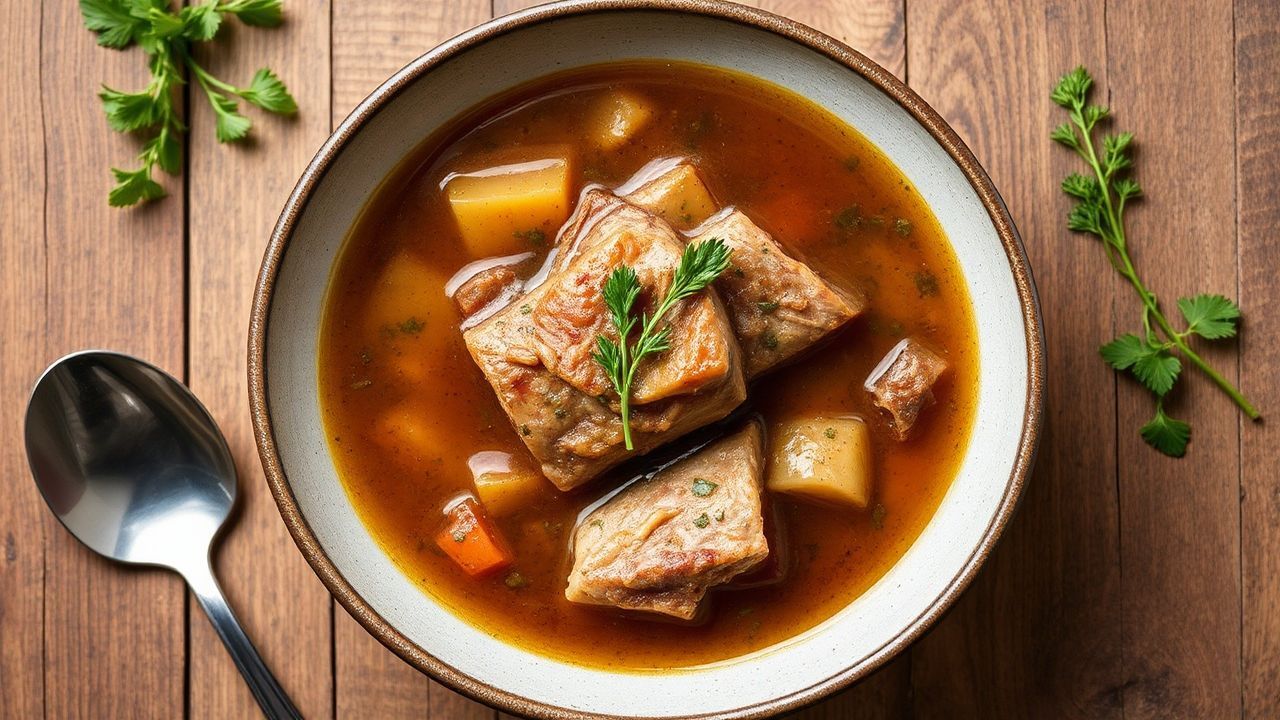
In the delicate balance between tradition and taste, herbal chicken rib soup delivers a warm bowl of comfort. This broth blends tender chicken ribs with fragrant herbs to support your daily routine of mindful, nourishing eating.
- Herbal Chicken Rib Soup: Why This Bowl Feels Like Healing
- Core Ingredients and Their Flavor Roles
- Prep and Cook Time
- Yield and Serving Plan
- Difficulty Level
- Ingredients for Herbal Chicken Rib Soup
- Instructions: How to Make the Best Herbal Chicken Rib Soup
- Expert Tips for Balancing Taste and Therapeutic-Style Flavor
- Serving Suggestions and Pairing Ideas
- Q&A: Herbal Chicken Rib Soup Healing Flavors
- Q1: What makes Herbal Chicken Rib Soup feel healing instead of just comforting?
- Q2: Which herbs are commonly used, and how do they change flavor?
- Q3: Why choose chicken ribs over other chicken parts?
- Q4: How does the cooking method influence the final taste?
- Q5: Can I adapt the soup for different seasons?
- Future Outlook: Keep the Ritual, Refine the Bowl
At a Glance
- Flavor first: searing ribs builds a richer broth base.
- Herb clarity: simmer gently to keep herbal notes clean and steady.
- Broth texture: simmering time helps gelatin and depth develop.
- Serve smart: garnish and portioning boost aroma and satisfaction.
Journey with us through the art of crafting this time-honored soup. You will learn what makes the ingredients work together and how each spoonful supports a comforting, healing-style eating ritual.
Herbal Chicken Rib Soup: Why This Bowl Feels Like Healing
Herbal chicken rib soup is more than a comforting meal. When herbs steep slowly in broth, you get a layered taste profile that feels soothing and grounded.
From a food-science point of view, long simmering extracts soluble compounds that add body and aroma to the liquid base. For background on how stock and broth develop, see broth.
Core Ingredients and Their Flavor Roles
Each ingredient in herbal chicken rib soup plays a clear role. Chicken ribs provide richness, while aromatics and herbs add warmth, sweetness, and earthy depth.
To understand the general role of herbs in cooking, you can reference herbs. This recipe focuses on balanced flavor: warming aromatics, savory broth, and herbs that stay noticeable without turning bitter.
Chicken Ribs: Richness and Gelatin Body
Chicken ribs contribute flavor and a naturally fuller mouthfeel. Collagen can break down during simmering, which helps create a silky, satisfying texture.
If you want to understand why simmered bones and connective tissue thicken broths, review collagen. This supports the logic behind a gentle, longer cook time.
Aromatics: Ginger, Garlic, and Vegetable Depth
Ginger and garlic build an aromatic base that holds up during a long simmer. Carrot and celery add sweetness and a mild vegetal note that rounds out the soup.
For general culinary context on aromatics and plant-based flavor building, see aromatic. The goal here is steady warmth, not sharpness.
Prep and Cook Time
Plan your schedule before you start. This recipe works best when you give the broth time to simmer, so flavors merge smoothly.
Use the timing below as your guide. If you simmer longer than planned, taste near the end so the herbs do not overpower the broth.
- Prep Time: 20 minutes
- Cook Time: 2 hours 30 minutes
- Total Time: 2 hours 50 minutes
Yield and Serving Plan
This batch makes enough for a family meal plus leftovers. It also stores well because the flavors settle as the soup cools.
For consistent servings, plan on portions that include both broth and solids. That way, every bowl delivers similar aroma and chew.
Yield: Serves 6 hearty portions.
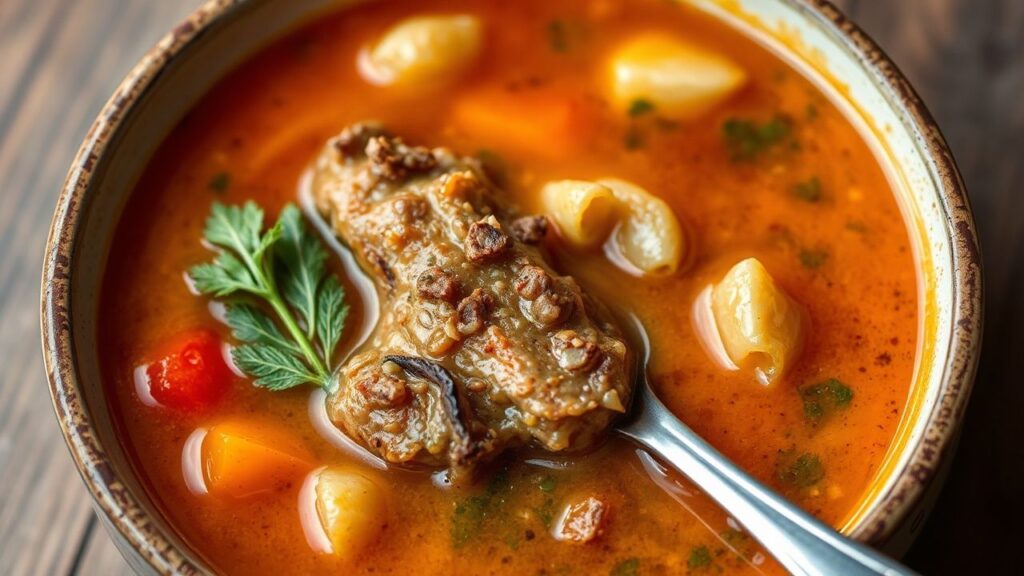
Difficulty Level
This recipe stays approachable for home cooks who can manage a simmer. You do not need special tools, but you do need attention during the first boil and the last seasoning step.
If you are new to long simmer soups, keep the heat low and taste often. Small adjustments protect your flavor balance.
Difficulty: Medium.
Ingredients for Herbal Chicken Rib Soup
Use the ingredient list exactly as written to keep flavor balance stable. If you swap herbs, do it with care, because each dried herb can change bitterness and sweetness.
When measuring herbs, use a kitchen scale if possible. Consistent amounts help you repeat results.
- 1.5 lbs chicken ribs (rinsed and patted dry)
- 8 cups filtered water
- 10g dried dong quai root (angelica sinensis)
- 10g dried goji berries (wolfberries)
- 15g dried astragalus root slices
- 5g dried shiitake mushrooms, soaked and sliced
- 1 small piece (about 1 inch) fresh ginger, thinly sliced
- 3 cloves garlic, crushed
- 1 medium carrot, cut into chunks
- 2 stalks celery, chopped
- 1 tsp sea salt (adjust to taste)
- Freshly ground black pepper to taste
- 2 sprigs fresh cilantro (for garnish)
Instructions: How to Make the Best Herbal Chicken Rib Soup
Follow these steps in order. Each one builds on the last so the broth stays clear, flavorful, and well-balanced.
Keep your heat steady and do not rush the simmer. When time does its job, your soup tastes more complete.
- Prepare the herbs: Rinse dried herbs (dong quai, astragalus, goji berries, shiitake mushrooms) in cool water. This helps remove surface dust and keeps the broth cleaner.
- Sear the chicken ribs: Heat a large heavy-bottom soup pot over medium heat. Add a teaspoon of neutral oil, then sauté ribs until lightly browned, about 5 minutes.
- Add aromatics and vegetables: Stir in ginger, garlic, carrot, and celery. Cook for 2–3 minutes until fragrant.
- Combine with water and herbs: Add 8 cups filtered water. Bring to a rolling boil, then skim foam to maintain a clearer broth.
- Simmer with care: Reduce heat to low and cover partially. Simmer gently for 2 to 2.5 hours.
- Season and balance: Add sea salt and black pepper during the last 15 minutes. Taste and adjust slowly.
- Finish and serve: Remove from heat and strain for a silky broth. Garnish with fresh cilantro and serve hot.
Expert Tips for Balancing Taste and Therapeutic-Style Flavor
A herbal chicken rib soup succeeds when flavor stays balanced from start to finish. You want herbs to add character, not dominate the broth.
Use these tips to improve aroma, clarity, and repeatability. They focus on technique you can control.
Choose herbs that smell clean and natural. If an herb smells stale or overly sharp, it can carry into the broth and ruin your balance even if you simmer correctly.
- Choose quality dried herbs: Use reputable, organic sources for stable flavor.
- Do not rush the simmer: Gentle heat helps flavors merge without turning harsh.
- Adjust herbs to your needs: If you want a milder profile, reduce one dried herb and compensate with extra shiitake or aromatics.
- Taste early and often: Start tasting after the first hour, then again near the last 20 minutes.
- Make ahead: Chill up to 3 days and reheat gently without a hard boil.
For more culinary science on why flavors develop during heat, you can reference Maillard reaction. Your rib sear creates color and aroma that the rest of the simmer builds upon.
Serving Suggestions and Pairing Ideas
Serve herbal chicken rib soup in warm bowls. A hot bowl boosts aroma release, which makes herbs feel more present and pleasant.
For texture, add garnishes right before serving. This keeps cilantro vibrant and prevents a “flat” surface taste.
Pair the soup with steamed jasmine rice or soft rice noodles. Add a side of light greens if you want a lighter overall meal.
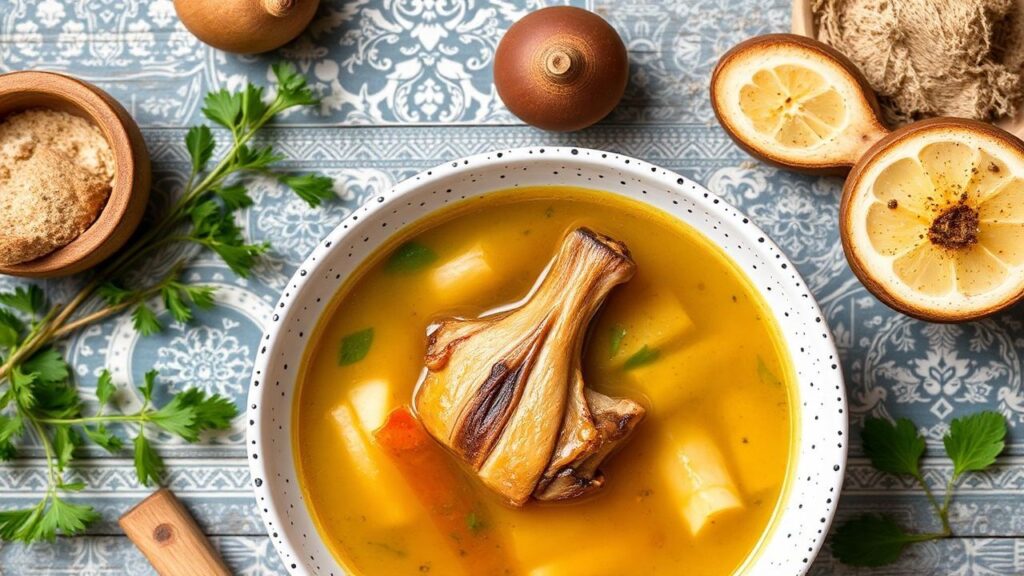
Garnish each bowl with fresh cilantro and thinly sliced scallions. Offer cracked white pepper on the side so guests can control heat and aroma.
If you use toasted sesame oil, add it after you reheat. That timing keeps the aroma fresh and avoids a dull, cooked flavor.
| Nutrient | Per Serving |
|---|---|
| Calories | 220 kcal |
| Protein | 25 g |
| Carbohydrates | 8 g |
| Fat | 7 g |
| Fiber | 2 g |
For general background on food composition and how nutrients vary by ingredient, see nutrition. Values can shift based on rib size, trimmed fat, and garnish amounts.
If you want deeper context on how vegetables contribute flavor compounds in broth, read vegetable for a broad overview of how cooking changes taste and texture.
Explore more comforting bowls by using your own “wellness soup” rotation. This recipe fits days when you want warm, steady hydration plus a satisfying meal.
Q&A: Herbal Chicken Rib Soup Healing Flavors
People often ask practical questions before they cook. Here are clear answers that help you plan, taste, and serve with confidence.
If you still feel unsure, make a small batch first. Then adjust seasoning and herb amounts to match your personal preferences.
Q1: What makes Herbal Chicken Rib Soup feel healing instead of just comforting?
It comes from the combination of a rich broth base and herbs that add depth. The slow simmer creates a soothing, nourishing eating experience through aroma, warmth, and a satisfying mouthfeel.
Healing-style “benefits” should stay grounded in diet logic: warm soups support hydration and can feel easier to eat when you need comfort. For broad reading on how food supports health, see diet.
Q2: Which herbs are commonly used, and how do they change flavor?
This recipe uses dong quai root, goji berries, astragalus root slices, and shiitake mushrooms. Dong quai brings earthy notes, goji adds a gentle sweetness, and shiitake adds deep savory savoriness.
Even when herbs differ across traditions, the flavor principle stays the same: controlled simmering prevents sharpness. For broad botanical context, see plant.
Q3: Why choose chicken ribs over other chicken parts?
Ribs add richness and contribute collagen and connective tissue that can create a smoother, fuller broth. The result feels more luxurious than leaner cuts.
Also, ribs offer a deeper chicken flavor during long simmering. For background on connective tissue and collagen behavior, review collagen.
Q4: How does the cooking method influence the final taste?
Gentle simmering helps flavors merge and reduces the risk of bitterness. A hard boil can break down aromatics quickly and make the broth taste less rounded.
Skimming foam early keeps the broth clearer and cleaner in taste. That is why step 4 matters so much.
Q5: Can I adapt the soup for different seasons?
Yes. In colder months, you can lean into warming aromatics like ginger. In warmer months, keep the broth light by reducing heavier dried herbs and serving with extra fresh garnishes.
The core structure stays the same: sear, simmer gently, then season near the end. This method keeps the soup balanced in every season.
Future Outlook: Keep the Ritual, Refine the Bowl
As steam rises from herbal chicken rib soup, you get more than warmth. You also get a repeatable kitchen ritual that turns herbs and broth into a calm, comforting meal.
This recipe invites you to slow down and taste as you cook. When you adjust seasoning gradually and simmer gently, you build a bowl that matches your lifestyle.
Over time, you will learn your preferred herb strength and salt level. That learning makes the soup feel personal, not generic.
If you want to make future batches easier, record your adjustments. Note herb grams, simmer time, and final salt amounts for consistent results.
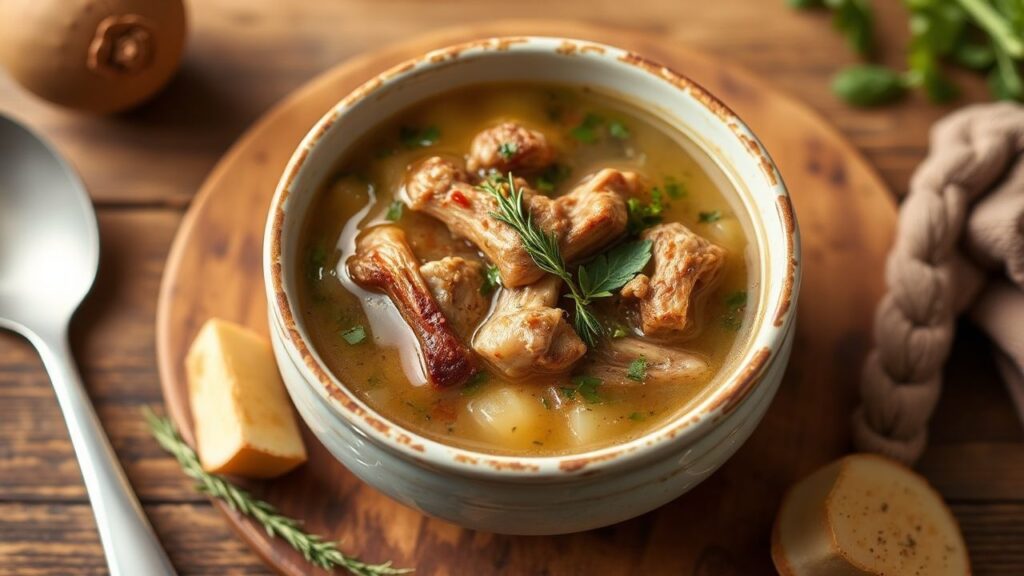
See also: herbal chicken rib soup