Deliciously Healthy Salmon Cakes with Tangy Dill Yogurt Sauce
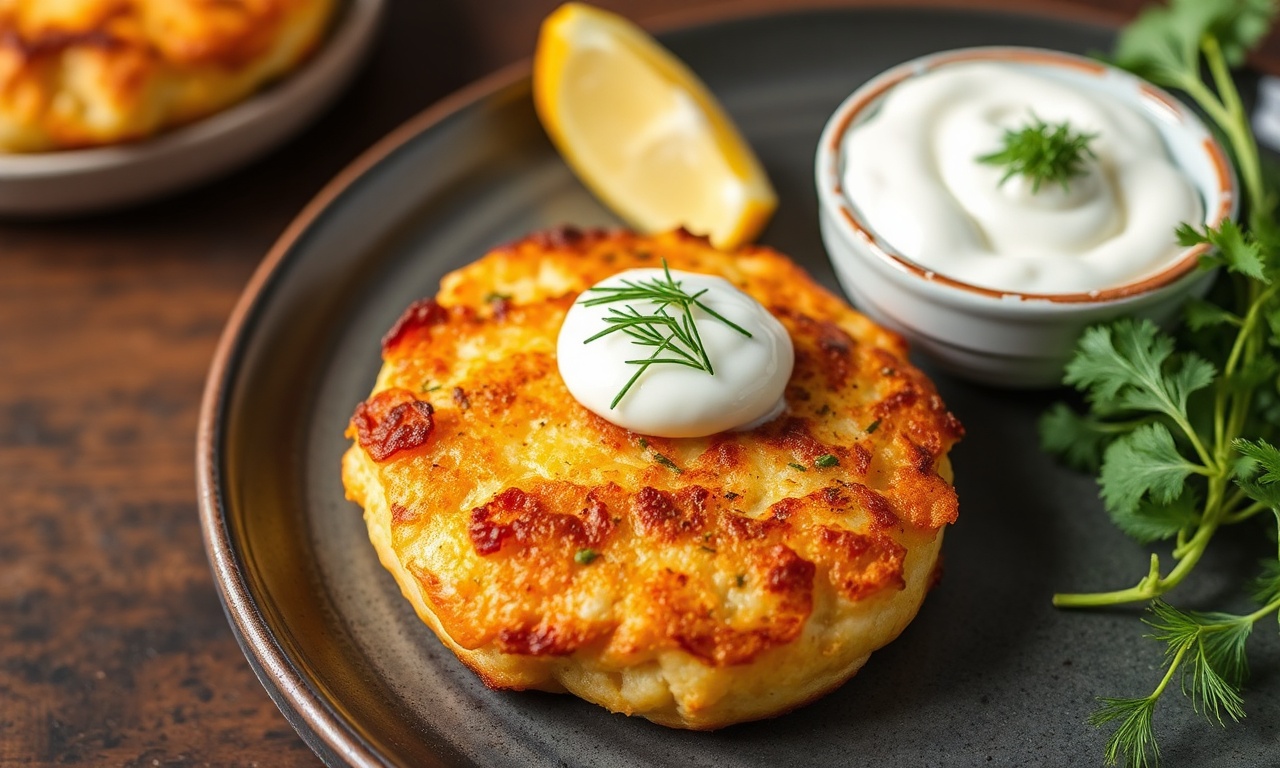
Imagine biting into a crispy salmon cake with a tender, flaky center. Each mouthful balances savory seafood, fresh herbs, and a bright tangy dill yogurt sauce that cuts through richness.
- Prep and Cook Time
- Yield and Difficulty
- Fresh Ingredients That Deliver Best Results
- Mastering the Perfect Texture for Crispy Salmon Cakes
- Crafting the Tangy Dill Yogurt Sauce
- Serving Suggestions and Balanced Pairings
- Ingredients
- Instructions
- Tips for Success
- Optional Oven-Baked Method
- Serving Suggestions and Pairings (Quick Menu Ideas)
- Q&A
- What makes these salmon cakes “deliciously healthy”?
- Can I use canned salmon instead of fresh?
- How do I keep salmon cakes from falling apart?
- What makes the dill yogurt sauce taste balanced?
- Can I make these ahead for meal prep?
- In Summary
At a Glance
- Quick method: pan-sear for crisp edges without deep-frying.
- Better binding: yogurt + egg help hold patties together.
- Flavor contrast: dill and lemon bring tang and freshness.
- Flexible: works with fresh or canned salmon.
These are truly deliciously healthy salmon cakes because they rely on nutrient-dense salmon and lighter cooking. You still get that satisfying crunch—just with less oil and no heavy breading.
If you need a light lunch, an easy weeknight dinner, or a crowd-friendly appetizer, this recipe fits. You can prep patties ahead, then cook right before serving.
Prep and Cook Time
Plan a total of about 30 minutes from start to finish. With a few steps that overlap—like chilling patties while you mix sauce—your timing stays simple.
Prep Time: 15 minutes
Cook Time: 15 minutes
Total Time: 30 minutes
Yield and Difficulty
This recipe serves 4, typically about 8 medium-sized salmon cakes. If you prefer larger cakes, you can split the batch into 6 instead.
Difficulty Level: Easy. You only need a nonstick skillet and a spatula for easy flipping.
Fresh Ingredients That Deliver Best Results
The quality of your salmon drives the whole dish. Choose salmon with a clean smell and firm texture; that translates to better flavor and easier shaping.
For background on nutrients and why salmon works so well in balanced meals, see salmon. It’s a reliable source of omega-3 fats, which many people look for in seafood-based cooking.
Use fresh dill and parsley for a clean herbal profile. Dill’s aromatic compounds pair naturally with salmon, and lemon juice boosts that fresh effect.
For crust, pick panko breadcrumbs. Panko makes a lighter, crispier bite than many fine breadcrumbs because of its texture. If you want to understand the role of breading and frying physics, read about panko.
To keep patties tender but not greasy, use plain Greek yogurt and one egg as binders. Yogurt adds moisture without the heaviness of extra oil.
If you’ve wondered why dairy can change texture in cooked mixtures, it helps to know about Greek yogurt and its thicker consistency. It blends smoothly into salmon and helps the patties set during searing.
Mastering the Perfect Texture for Crispy Salmon Cakes
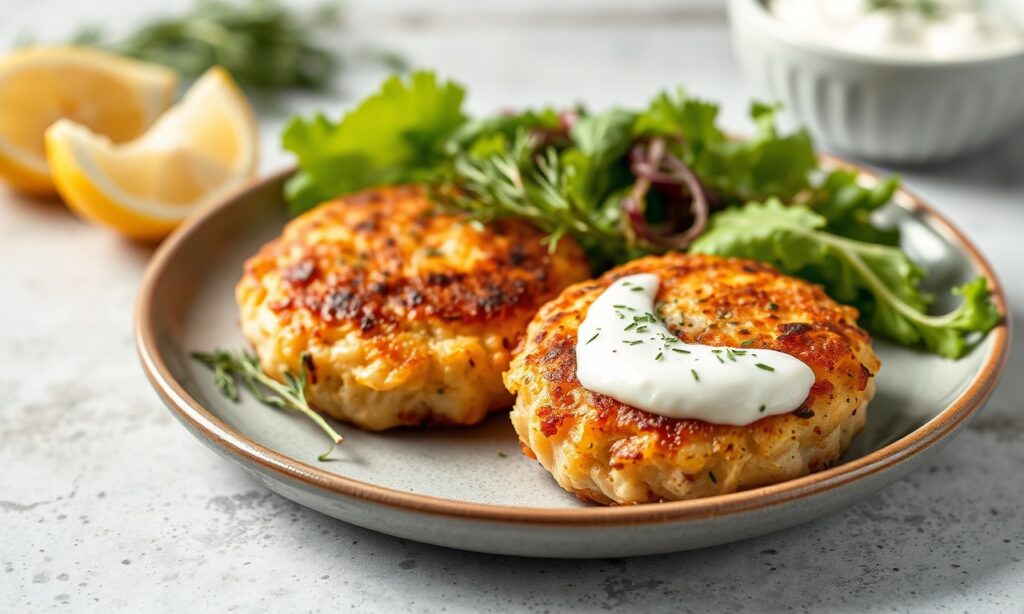
The best salmon cakes have a crisp outside and a tender inside. You build that texture in two stages: moisture control, then short high-heat searing.
Start by removing excess moisture from cooked salmon. Pat the fish dry with paper towels, especially if you used canned salmon. Drier fish equals firmer patties that flip cleanly.
Next, avoid overmixing. Mix just until the salmon and binders come together. Overworking forces proteins to tighten and can make cakes dense.
For a quick refresher on why ingredients react during cooking, review protein. Salmon proteins firm up as they heat, which is why gentle mixing matters.
Chill shaped patties for at least 15 minutes. Cold patties hold their shape longer in the pan. This step usually prevents crumbling.
Use a medium-hot skillet and enough olive oil to coat the surface lightly. Cook each cake about 4–5 minutes per side until golden and crisp.
When you do flip, use a thin spatula and press gently for even contact with the pan. Once browned, transfer cakes to a paper towel-lined plate to drain excess oil.
If you want a deeper explanation of searing and surface browning, check Maillard reaction. That browning is what delivers the savory, roasted flavor you crave.
Crafting the Tangy Dill Yogurt Sauce
This sauce keeps the meal bright. You build it with thick yogurt, fresh dill, lemon, and garlic, then adjust with salt until the flavors pop.
Whisk plain Greek yogurt with finely chopped dill, lemon juice, and minced garlic. Stir until smooth and creamy, then taste and fine-tune seasoning.
To add extra freshness, you can mix in finely grated cucumber. It adds a light crunch and helps balance the rich salmon.
If you’re curious about why acids taste “bright,” read about lemon. Lemon’s acidity enhances flavor perception and balances fat.
Cover and refrigerate sauce while you cook. That short wait makes a noticeable difference in aroma and overall balance.
If you plan to make it ahead, it also keeps well for 2–3 days. Store in a sealed container and stir before serving.
Serving Suggestions and Balanced Pairings
Serve salmon cakes with sides that keep the plate light. The goal is contrast: crisp greens, fresh vegetables, and a simple lemon dressing.
A classic option is a lemon vinaigrette arugula salad. You can also pair with roasted baby potatoes or steamed asparagus for color and texture.
For extra crunch, serve with a cucumber salad or pickled red onions. Those tangy notes mirror the dill yogurt sauce and make every bite feel intentional.
If you want a reliable guide for pairing herbs and greens, explore arugula. Its peppery flavor stands up to seafood without overpowering it.
Garnish each plate with extra dill and lemon wedges. This adds aroma right before eating and makes the dish look fresh.
For a more filling meal, add a small grain side like quinoa. It keeps the dinner balanced without making it heavy.
Ingredients
- 1 lb wild-caught salmon fillets, skin removed and cooked
- 1/2 cup panko breadcrumbs
- 1/4 cup plain Greek yogurt, plus extra for sauce
- 1 large egg
- 2 tablespoons fresh dill, finely chopped
- 2 tablespoons fresh parsley, finely chopped
- 1/4 cup red onion, finely diced
- 1 tablespoon lemon juice
- 1 teaspoon lemon zest
- 2 cloves garlic, minced
- Salt and freshly ground black pepper, to taste
- 2 tablespoons olive oil, for frying
- For the sauce:
- 1/2 cup plain Greek yogurt
- 1 tablespoon fresh dill, chopped
- 1 tablespoon fresh lemon juice
- 1 small garlic clove, minced
- Salt and pepper, to taste
Instructions
- Prepare the salmon: Bake salmon at 375°F (190°C) for about 12 minutes or poach until just flaky. Let cool slightly, then flake with a fork into large chunks. Pat dry with paper towels to remove excess moisture.
- Mix ingredients: In a large bowl, combine flaked salmon, panko breadcrumbs, Greek yogurt, egg, dill, parsley, red onion, lemon juice, zest, and garlic. Season generously with salt and black pepper. Fold gently to combine without over-mixing.
- Form the cakes: Shape into 8 even patties, about 3 inches in diameter and 1 inch thick. Chill in the refrigerator for 15 minutes to firm up.
- Cook the salmon cakes: Heat olive oil in a large non-stick skillet over medium heat. Place patties in the pan and cook 4–5 minutes per side until golden brown and crisp. Flip carefully to avoid breaking. Transfer to a paper towel-lined plate.
- Make the dill yogurt sauce: Whisk yogurt, fresh dill, lemon juice, minced garlic, salt, and pepper until smooth. Taste and adjust seasoning. Chill until ready to serve.
- Serve: Plate salmon cakes with a generous dollop of tangy dill yogurt sauce. Garnish with lemon wedges and fresh herbs.
Tips for Success
Small choices make salmon cakes much easier to cook. Use drier salmon, chill patties, and keep heat moderate so the crust sets before the center overcooks.
If you use canned salmon, drain it well and remove any bones. Flake thoroughly, then pat dry again. For reference on canned fish basics, see canned food.
For flaky texture: Fresh salmon gives the cleanest flavor and usually holds together better. If you use canned, choose high-quality salmon and work carefully when mixing.
Breadcrumb alternatives: Use gluten-free panko or crushed gluten-free crackers for a similar crisp. Keep the mix cohesive by adjusting with a teaspoon more yogurt if it feels too dry.
Make-ahead: Form cakes up to 24 hours in advance. Refrigerate them on a plate covered with foil. Sauce also works well ahead and tastes even better after a brief chill.
For freezing, cook first, cool completely, then freeze in a sealed bag. Reheat in a skillet over medium heat so the outside stays crisp.
Optional Oven-Baked Method
If you prefer less stovetop frying, you can bake the cakes. This method still works well when patties hold their shape.
Bake at 400°F (200°C) on a parchment-lined tray for 12–15 minutes, then flip halfway if possible. Finish with an extra 2 minutes for crisp edges.
Serving Suggestions and Pairings (Quick Menu Ideas)
These deliciously healthy salmon cakes work as a complete meal when you choose bright, simple sides. The sauce already provides tang, so keep sides fresh rather than heavy.
Try an arugula salad with lemon vinaigrette, roasted baby potatoes with herbs, or steamed green beans. These options also help you increase fiber and micronutrients without much extra effort.
For a lighter plate, serve with cucumber and radish salad and a sprinkle of sea salt. If you want something warm, choose garlic sautéed asparagus.
For more about radish and its flavor profile, see radish. Its peppery bite pairs well with creamy sauces.
| Nutrient | Per Serving |
|---|---|
| Calories | 280 |
| Protein | 28g |
| Carbohydrates | 12g |
| Fat | 12g |
For more wholesome seafood meals, use your favorite recipe collection and keep seafood on rotation. For general heart-health guidance, you can also review saturated fat and how different fats affect diet patterns.
Q&A
What makes these salmon cakes “deliciously healthy”?
They use salmon as the main protein and rely on light pan-searing instead of deep-frying. Greek yogurt and fresh herbs boost flavor without adding heavy sauces.
Salmon also provides omega-3 fats, which many people seek in seafood diets. The result feels indulgent while staying balanced.
Can I use canned salmon instead of fresh?
Yes. Canned salmon works well if you drain it well and remove any bones. After flaking, pat it dry to prevent soggy patties.
Using canned salmon also reduces prep time, which helps you cook on busy nights.
How do I keep salmon cakes from falling apart?
Chill the shaped patties before cooking. Cold patties set faster in the skillet, so they hold their shape during flipping.
Also mix gently and avoid adding too much liquid. Yogurt and egg bind, but they can’t fix an overly wet mixture.
What makes the dill yogurt sauce taste balanced?
Dill provides fresh aroma, while lemon adds brightness that cuts through the salmon’s richness. Garlic adds a savory note without turning the sauce heavy.
If the sauce tastes flat, add salt in small pinches and taste again.
Can I make these ahead for meal prep?
Yes. Form patties up to a day ahead and refrigerate. Sauce can also be made earlier and kept covered.
Reheat cakes in a skillet over medium heat for best texture, or warm briefly in the oven.
In Summary
Deliciously healthy salmon cakes are a smart way to enjoy seafood with crisp texture and bright flavor. The tangy dill yogurt sauce ties everything together with a clean, fresh finish.
Cook a batch when you want a fast dinner or a reliable appetizer. With proper moisture control and a quick chill, the cakes come out golden and satisfying every time.
So next time you crave something wholesome that still feels indulgent, choose these salmon cakes and let the dill yogurt sauce deliver that tang you’ll want again.
See also: salmon cakes