
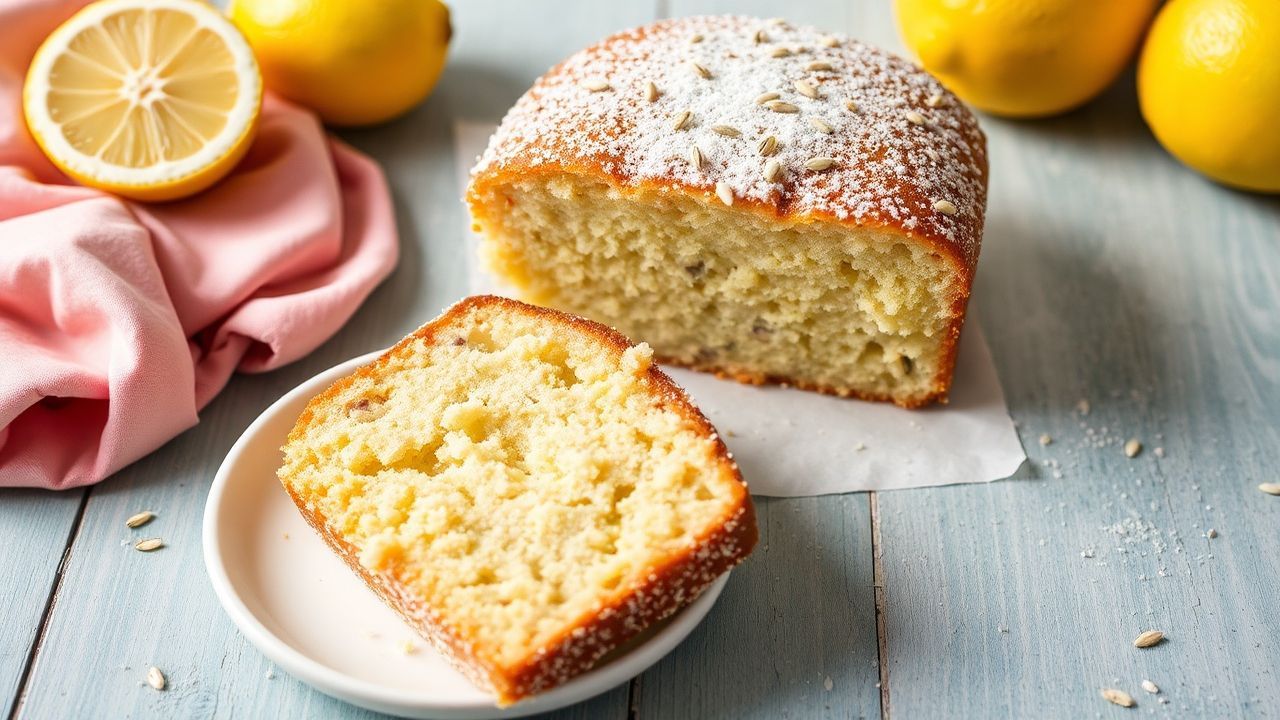
Ultimate Gluten-Free Lemon Poppy Seed Cake delivers bright lemon flavor, a tender crumb, and a lightly speckled crunch from poppy seeds—made with gluten-free flours. You can enjoy the same “classic cake” experience without wheat flour, and the result stays moist for days.
- Ingredients That Elevate Flavor and Ensure Gluten-Free Goodness
- Mastering the Texture: Perfectly Moist and Light Every Time
- Creative Twists to Personalize Your Lemon Poppy Seed Cake
- Pairing Ideas and Serving Tips for an Unforgettable Dessert Experience
- Q&A
- What makes this lemon poppy seed cake “ultimate” and stand out from other gluten-free recipes?
- How do you ensure the cake stays moist and flavorful without gluten?
- Can this recipe be adapted for those with nut allergies?
- What role do poppy seeds play beyond their taste?
- Is the cake suitable for vegans or those avoiding dairy?
- The way Forward
- FAQ
- Blend matters: Use almond flour for softness and a gluten-free all-purpose blend for structure.
- Texture control: Mix gently and fold flour in to avoid a dense crumb.
- Flavor layers: Lemon zest boosts aroma; lemon juice adds tang.
- Even bake: Bake until the center sets and the top turns golden.
Whether you avoid gluten for health reasons or you simply want a lighter, citrus-forward dessert, this cake fits the moment. The batter uses common pantry items, so you can bake it reliably for brunch, tea, or a small celebration.
To keep this recipe consistent, follow a few key steps: measure flours carefully, use room-temperature eggs, and cool the cake before slicing. Those choices help gluten-free cakes set properly and keep that bright, lemony finish.
Ultimate Gluten-Free Lemon Poppy Seed Cake combines zesty lemon zest, tangy juice, and the gentle crunch of poppy seeds. Because gluten-free flours behave differently, you’ll rely on careful mixing, the right binder support, and an even bake to create a crumb that feels light, not heavy.
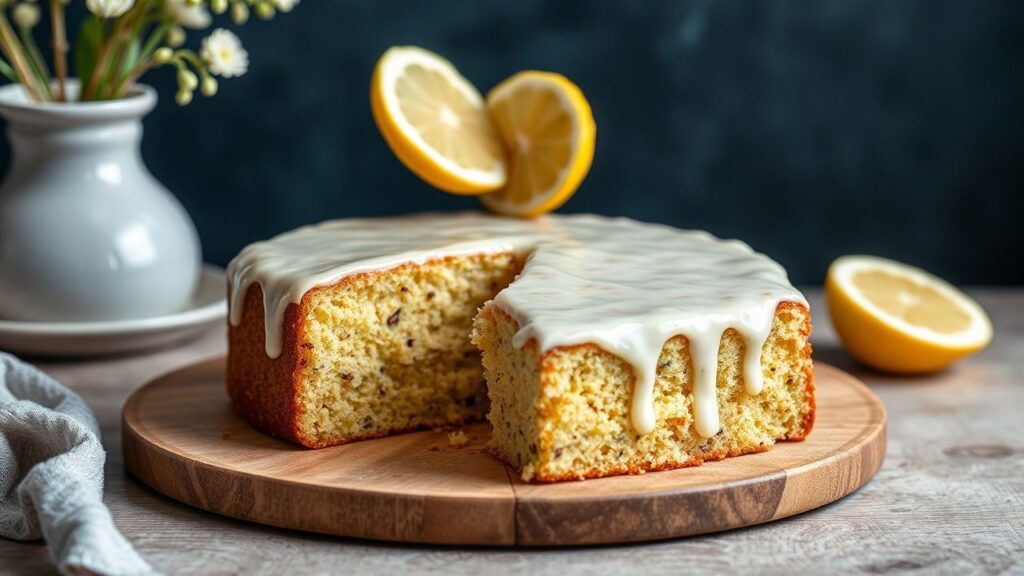
Ingredients That Elevate Flavor and Ensure Gluten-Free Goodness
Gluten-free baking works best when each ingredient has a job. Almond flour adds softness and a subtle nutty note, while a gluten-free all-purpose blend supports structure.
Lemon zest provides the aromatic oils that make the flavor “pop.” Meanwhile, lemon juice adds tang and keeps the crumb juicy. Poppy seeds bring texture, and a little honey rounds out sharp citrus.
For reference on why gluten-free blends need structure, see gluten and how it differs from other protein systems in baking. That background helps you understand why you can’t simply swap wheat flour 1:1.
Core Flour Blend
Use almond flour for tenderness. Then choose a gluten-free all-purpose flour blend that already includes binders such as xanthan gum. These ingredients help the batter hold air and set in the oven.
When you select flours, check how the blend is built. Many blends rely on starches and gums to mimic gluten’s role. For general starch behavior in cooking, review starch.
- 1 ½ cups gluten-free all-purpose flour (ensure it contains xanthan gum for binding)
- ½ cup finely ground almond flour
- 1 tablespoon poppy seeds, toasted for enhanced nuttiness
- 1 cup granulated sugar or coconut sugar
- 3 large eggs, at room temperature
- 1 cup Greek yogurt (full-fat for moisture)
- Zest of 2 lemons plus ⅓ cup freshly squeezed lemon juice
- ½ cup vegetable oil or melted coconut oil
- 1 teaspoon baking powder (gluten-free)
- ½ teaspoon baking soda
- ½ teaspoon fine sea salt
- 1 teaspoon pure vanilla extract
Mastering the Texture: Perfectly Moist and Light Every Time
Gluten-free cakes often turn dense when flour sits too long in batter or when you overmix. For this recipe, you want air in the egg-sugar step, then gentle folds during the dry mix.
Start with room-temperature eggs. They whip more evenly, which supports lift during baking. Then, use Greek yogurt for moisture and a slight tang that complements lemon.
To understand how leavening affects structure, it helps to know the basics of leavening agents. Baking powder and baking soda release gas at different times, so balanced chemistry matters.
Mix the wet ingredients until the sugar dissolves, then stop. Once flour enters, fold just until no dry streaks remain. That approach keeps the crumb tender and helps gluten-free flours hydrate without toughening.
After baking, cool on the counter briefly. Then move the cake to a rack so steam escapes. Proper cooling helps the crumb set fully and slice cleanly.
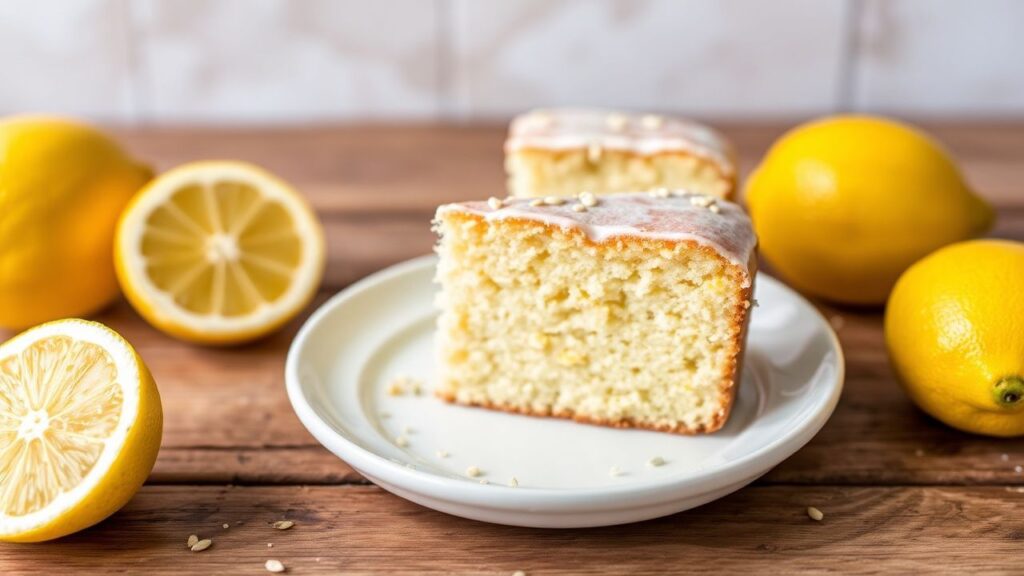
- Preheat the oven to 350°F (175°C). Grease and line an 8-inch loaf or bundt pan with parchment paper, allowing easy release and even baking.
- Toast poppy seeds in a dry skillet over medium heat for 2 minutes until aromatic, then remove from heat to cool.
- In a medium bowl, whisk together gluten-free all-purpose flour, almond flour, baking powder, baking soda, sea salt, and cooled poppy seeds.
- In a large bowl, beat eggs and sugar until pale and fluffy, about 3-4 minutes. Stir in lemon zest, vanilla extract, and lemon juice.
- Slowly drizzle in oil while continuing to mix, ensuring full incorporation without deflating the batter.
- Fold in the dry ingredients gently in two additions, alternating with Greek yogurt to maintain batter softness and moisture.
- Pour the batter evenly into your prepared pan and smooth the surface with a spatula.
- Bake for 40-45 minutes, or until a toothpick inserted in the center comes out clean and the edges are golden brown.
- Cool in the pan for 15 minutes before transferring to a wire rack to cool completely—this step prevents cracking and keeps moisture locked inside.
Creative Twists to Personalize Your Lemon Poppy Seed Cake
This dessert stays flexible because its flavor base is simple: lemon, dairy richness, and seed crunch. You can add berries or adjust the citrus without breaking the batter.
Start by keeping the total “mix-ins” modest. Too many fresh pieces can add water and change bake time. If you add fruit, fold gently and bake until the center sets.
For citrus pairings beyond lemon, check citrus flavor notes. Grapefruit, orange, and lime all share aromatic compounds that can brighten a dessert.
Berry Options
Add a handful of blueberries or raspberries at the end. Coat fruit lightly with a teaspoon of the gluten-free flour blend if you want less sinking.
Because berries can release juice, watch the oven closely. Your bake time may shift by a few minutes, so test the center rather than relying only on the timer.
Glaze and Syrup Variations
A lemon glaze adds shine and boosts perceived sweetness. Whisk powdered sugar with lemon juice until smooth, then drizzle while the cake is fully cooled.
If you prefer a softer top, brush with a thin lemon syrup. That method increases moisture near the surface while still leaving a tender crumb.
Pairing Ideas and Serving Tips for an Unforgettable Dessert Experience
Serve slices slightly chilled or at room temperature. The lemon flavor becomes clearer as the cake warms, and the poppy seed crunch feels more distinct.
For contrast, pair this dessert with creamy dairy or coconut-based toppings. Vanilla bean ice cream, whipped coconut cream, or a light yogurt topping balances tangy lemon.
Tea makes a natural match. A pot of Earl Grey or chamomile keeps the palate clean between bites and supports the citrus aroma. If you like herbal pairings, review chamomile for background on its common flavor profile.
Brunch-Friendly Serving
This cake works well for brunch because it slices cleanly and holds up on a platter. Add fresh mint leaves or edible flowers for a simple, elegant finish.
For a light side, serve a citrus salad with segments and a squeeze of fresh juice. The acidity mirrors the cake and keeps the meal feeling bright.
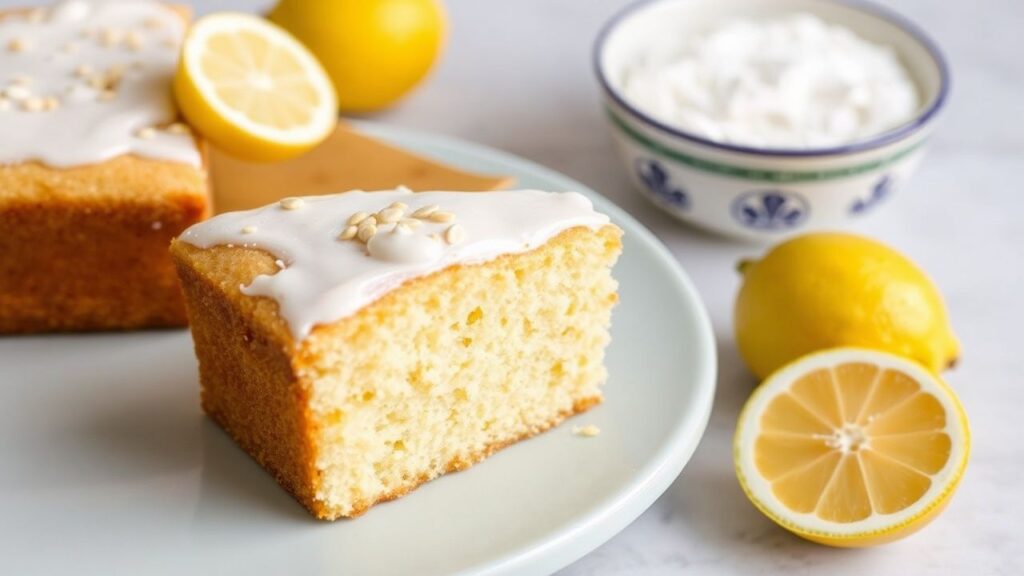
Prep and Cook Time
Plan ahead so your batter stays light. Set out eggs early and toast poppy seeds while the oven preheats.
Use these timings as a reliable guide. Your exact bake time may vary based on pan shape and oven heat.
- Preparation: 15 minutes
- Cooking: 40-45 minutes
- Cooling: 30 minutes
- Total Time: Approximately 1 hour 30 minutes
Yield
This recipe makes about 8 generous slices. It’s ideal for sharing with family or for keeping at home across a few breakfasts.
If you need more portions, bake in a wider pan for a slightly thinner loaf. Check doneness early to avoid overbaking.
Difficulty Level
Easy to medium, because the technique focuses on mixing and hydration. You don’t need special equipment beyond a whisk, bowls, and a pan.
As long as you follow the steps—especially gentle folding—you’ll get a tender gluten-free crumb.
Chef’s Notes
These notes help you troubleshoot common gluten-free baking issues. Small changes—like flour choice and yogurt type—can strongly affect texture.
Keep an eye on batter consistency. If it looks overly thick, adjust carefully so it bakes evenly.
- Flour Substitutions: If almond flour is unavailable, finely ground hazelnuts can add a tasty choice flavor and texture.
- Moisture Matters: Greek yogurt keeps the crumb tender; plain dairy-free yogurt can work for a vegan-style swap.
- Storage: Cover tightly and store at room temperature for 2 days or refrigerate up to 5 days. Freeze slices individually wrapped for up to 3 months.
- Glaze Options: For a tangy glaze, mix 1 cup powdered sugar with 2-3 tablespoons lemon juice; drizzle over cooled cake.
- Troubleshooting: If batter feels too thick, add a tablespoon of almond milk to loosen without sacrificing structure.
| Nutritional Info | Per Serving |
|---|---|
| Calories | 280 kcal |
| Protein | 6 g |
| Carbohydrates | 32 g |
| Fat | 13 g |
| Fiber | 3 g |
For broader dietary context on gluten-free requirements, you may also review gluten-free diet. Always check labels and avoid cross-contact if you bake for someone with celiac disease.
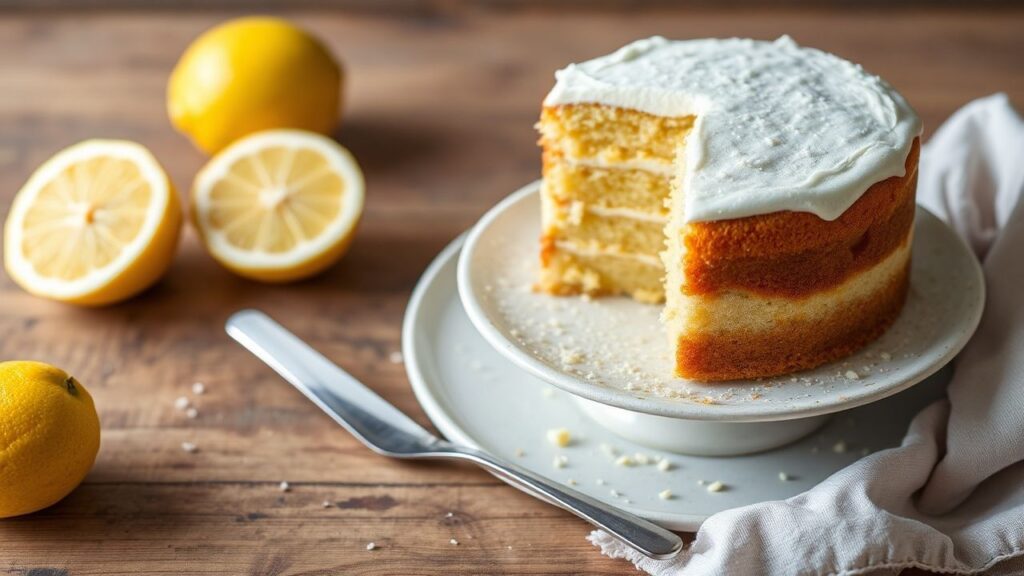
Q&A
Q&A: Ultimate Gluten-Free Lemon Poppy Seed Cake
What makes this lemon poppy seed cake “ultimate” and stand out from other gluten-free recipes?
This Ultimate Gluten-Free Lemon Poppy Seed Cake focuses on texture and balance. Almond flour creates a tender crumb, while a gluten-free all-purpose blend with binders supports structure.
Then lemon zest and lemon juice add layered citrus flavor, and poppy seeds bring crunch that stays noticeable without making the cake feel dry. For background on gluten-free flour function, see gluten-free flour.
How do you ensure the cake stays moist and flavorful without gluten?
Moisture comes from yogurt and oil, plus proper mixing. You also avoid overmixing after adding dry ingredients, because that can tighten the crumb and reduce tenderness.
Fresh zest keeps the aroma strong even after baking. For understanding how acidity interacts with baking, you can review acid in culinary chemistry.
Can this recipe be adapted for those with nut allergies?
Yes. Swap almond flour with an equal amount of a nut-free flour alternative, such as additional gluten-free all-purpose flour and a small binder adjustment based on your blend.
Because nut flours contribute fat and structure, you may need to add a little extra moisture to match the original mouthfeel. Test a small batch if you’re uncertain.
What role do poppy seeds play beyond their taste?
They add texture and visual speckling, which makes the cake look classic. The seeds also distribute crunch so every slice feels balanced.
To understand seed nutrition at a high level, you can explore seed basics. This helps you appreciate why seeds often contribute more than flavor.
Is the cake suitable for vegans or those avoiding dairy?
With swaps, you can make a vegan-style version. Use dairy-free yogurt and a plant-based neutral oil, then confirm your gluten-free flour blend works well with egg-free batter.
For egg substitutes, many bakers use flax or other binders, but results depend on your specific flour blend and liquid ratio. Keep expectations realistic and test for set and slice-ability.
The way Forward
When you follow the steps, this Ultimate Gluten-Free Lemon Poppy Seed Cake delivers on both flavor and texture. Lemon zest creates an aromatic top note, and the crumb stays tender thanks to yogurt and oil.
Now you can bake confidently for gluten-free guests or for your own cravings. Keep the mixing gentle, bake until the center sets, and cool fully for clean slices.
FAQ helps you apply the recipe smoothly next time. Use the questions below to fine-tune your results based on your kitchen and your pan.
FAQ
Can I use a different pan size for this gluten-free lemon poppy seed cake?
Yes, but baking time changes. A smaller or deeper pan may require extra time, while a wider pan can bake faster.
Check doneness with a toothpick in the center. The correct moment is when the center sets and the top turns golden.
Why does my gluten-free cake sink after baking?
Underbaking often causes sinking, especially in gluten-free cakes that rely on proper starch set. Bake until the center is fully set, not just the edges.
Also avoid opening the oven door too early. Rapid temperature changes can deflate the batter during the final rise.
How can I make the lemon flavor stronger?
Add more zest rather than only more juice. Zest carries aromatic oils that boost lemon intensity without adding too much liquid.
You can also use a simple lemon glaze for extra punch on top. Apply it after the cake cools so it doesn’t melt into the crumb.
What’s the best way to store this cake?
Wrap the cake tightly to limit moisture loss. Store at room temperature for up to 2 days, then refrigerate if you plan to keep it longer.
For freezing, wrap slices individually. Thaw in the fridge, then bring to room temperature for the best texture.
Can I make this cake ahead for a gathering?
Yes. Bake it a day early and store it covered. The lemon flavor often tastes even better after the first day as it settles into the crumb.
If you need last-minute serving, add glaze right before guests arrive for a fresh look and bright taste.
See also: Gluten-Free Lemon