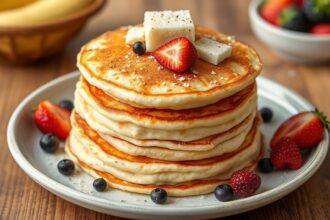
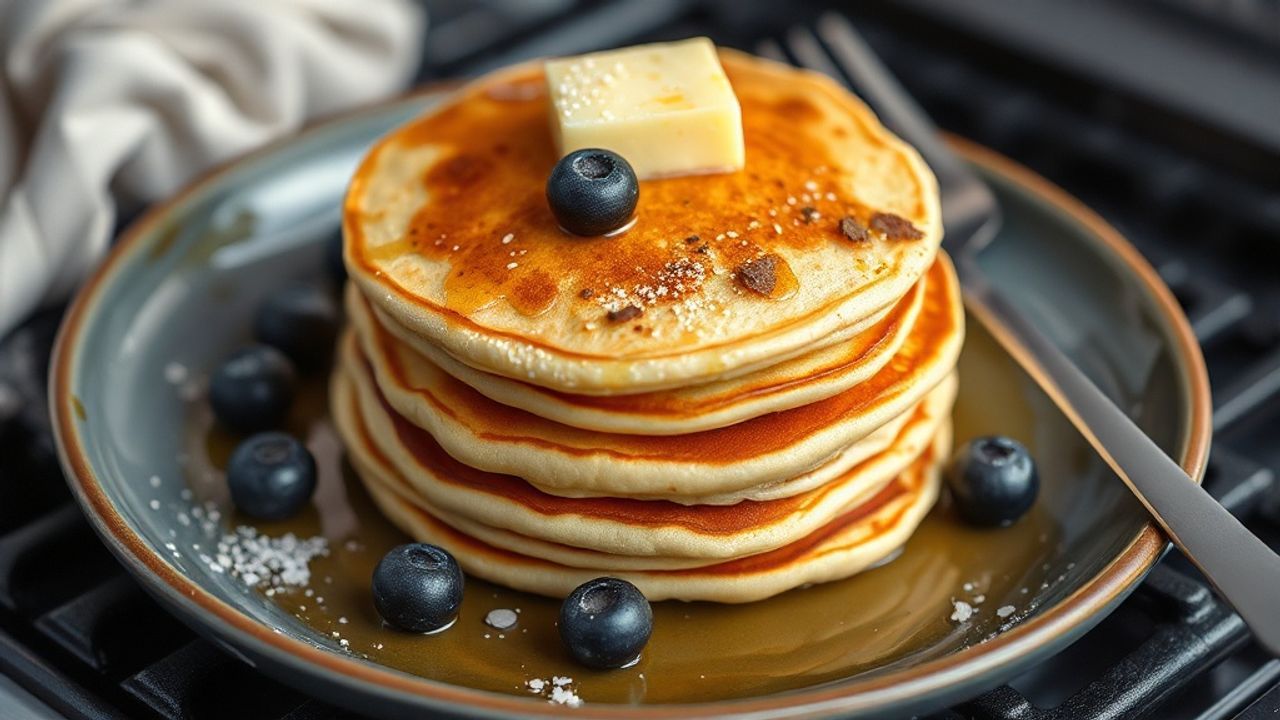
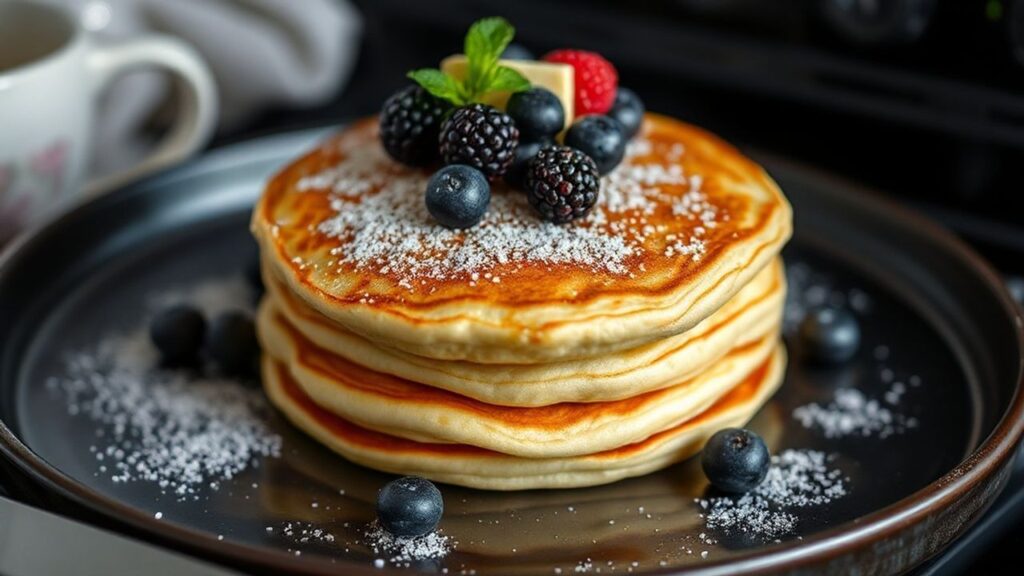
Vegan Pancakes deliver the familiar comfort of a morning stack while relying entirely on plant-based ingredients. These pancakes rise light and tender when you use the right flour, leaveners, and liquid ratios. This guide presents actionable techniques, ingredient science, and serving ideas to create reliably fluffy vegan pancakes every time.
- Choosing the Perfect Plant-Based Ingredients for Vegan Pancakes
- Mastering the Art of Texture: Practical Cooking Techniques for Fluffy Vegan Pancakes
- Creative Flavor Combinations for Vegan Pancakes
- Toppings and Serving Suggestions for Vegan Pancakes
- Nutrition Snapshot
- Storage and Reheating: Preserve Fluff and Flavor
- FAQ
- What makes vegan pancakes fluffy without eggs or dairy?
- Which plant milk works best for texture?
- How do I add natural sweetness without refined sugar?
- Can vegan pancakes be gluten-free and remain fluffy?
- How should I store leftovers without losing fluff?
- Future Outlook
- Quick wins: use a combination of baking powder and an acid for lift.
- Texture tips: rest batter 5–10 minutes for hydration and aeration.
- Toppings: fresh fruit and nut-based creams add contrast and nutrition.
- Storage: stack with parchment and reheat gently to preserve fluff.
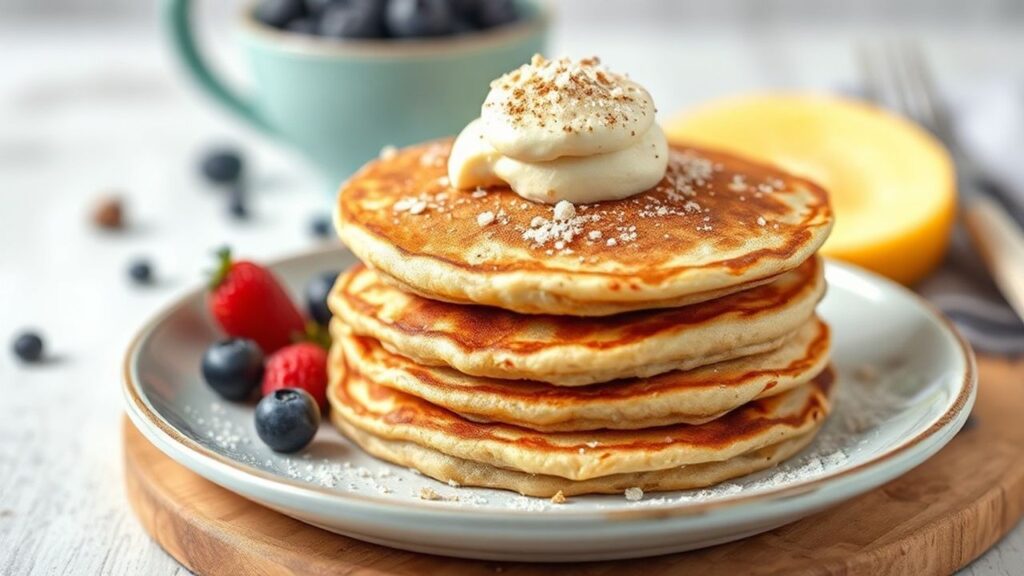
Choosing the Perfect Plant-Based Ingredients for Vegan Pancakes
Ingredient selection determines structure and mouthfeel for vegan pancakes. Use a balanced flour choice and a hydrate that complements it to avoid gummy or flat results.
Combine a lower-protein flour (oat or spelt) with a small proportion of all-purpose flour for reliable lift and tender crumb. For the leavening system, a measured dose of baking powder plus a touch of acid (lemon or vinegar) activates gas release without eggs.
Choose plant milks for flavor and fat content: oat milk gives creaminess, soy adds protein, and almond keeps things light. Learn more about plant-based milk varieties on oat milk and related entries for context.
Binders and Egg Substitutes That Aid Rise
Flax or chia “eggs” (ground seed mixed with water) supply viscosity and minimal structure. Aquafaba — the viscous liquid from cooked chickpeas — aerates when whipped and can improve lift in small percentages.
For reference on aquafaba functionality, consult the overview at aquafaba. Use these substitutes conservatively; too much binder makes batter heavy.
Mixing and Hydration Balance
Measure dry and wet ingredients separately and fold until just combined. Overmixing develops gluten and creates chewiness rather than fluff.
Let the batter rest 5–10 minutes to allow flours to hydrate and leaveners to start working. Resting yields smaller, more uniform air cells and a lighter crumb.
Mastering the Art of Texture: Practical Cooking Techniques for Fluffy Vegan Pancakes
Maintain medium heat so pancakes cook through without burning. A non-stick pan or a well-seasoned skillet lets you flip cleanly and preserves edge crispness.
When bubbles form across the surface and edges look set, flip once and finish on lower heat. This two-step temperature approach prevents undercooked centers or overbrowned exteriors.
Use a light oil spray or a small brush of melted coconut oil to encourage browning while keeping centers soft. Avoid large amounts of liquid between batches that cool the pan.
Adjust batter thickness by adding a tablespoon of liquid for thinner pancakes or a tablespoon of flour for thicker ones. Keep test-cooking to calibrate for your pan and stovetop.
Creative Flavor Combinations for Vegan Pancakes
Vegan pancakes are a flexible canvas. Citrus zest plus berries brightens the batter, while mashed banana adds natural sweetness and moisture.
For chocolate pancakes, fold in cocoa and serve with berry compote for acidity. Savory variations can use herbs and smoked paprika for an unexpected brunch option.
To explore global pancake styles and inspiration, review general pancake techniques at pancake. Adapt textures and flavors from those regional methods to your plant-based batter.
Toppings and Serving Suggestions for Vegan Pancakes
Toppings change perception: fresh fruit adds brightness; nut butters add richness; coconut yogurt provides tang and creaminess. Drizzle pure maple syrup or a warm date-caramel for natural sweetness.
For crunch, sprinkle toasted nuts or seeds. A small spoonful of plant-based protein powder in the batter adds satiety without compromising softness when used sparingly.
Serve stacks with a hot oat milk latte or herbal tea for a balanced plate. Explore related recipes on internal pages like vegan breakfast ideas or compare plant milks on plant milks guide.
Nutrition Snapshot
Vegan pancakes can be calorie-conscious while delivering fiber and plant protein when you add seeds or protein powder. Portion control and topping choices determine the final nutrition profile.
| Nutrient | Per Serving |
|---|---|
| Calories | 210 kcal |
| Protein | 5 g |
| Carbohydrates | 38 g |
| Fat | 4 g |
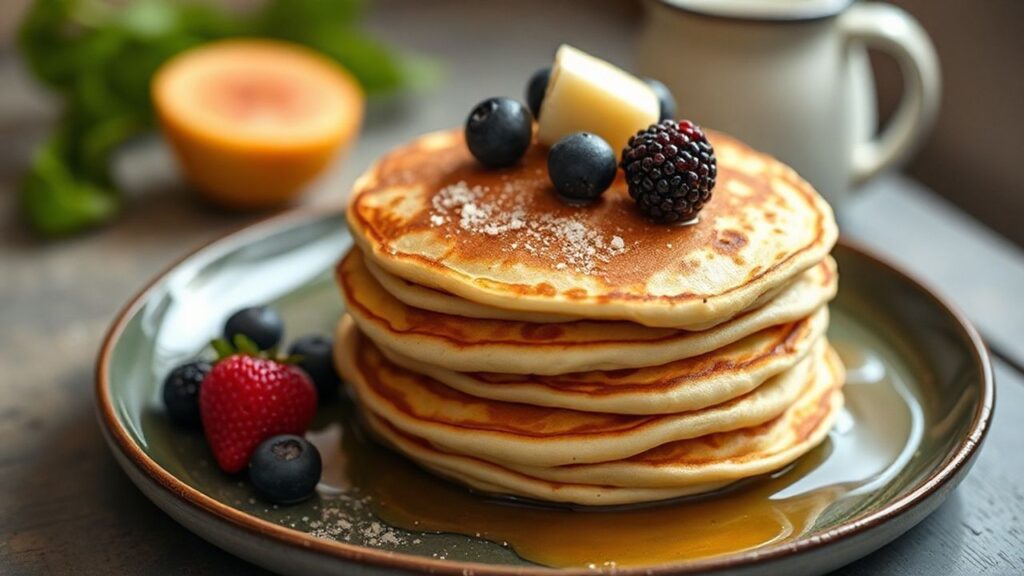
Storage and Reheating: Preserve Fluff and Flavor
Cool pancakes on a rack before stacking with parchment between layers to avoid condensation. Store in an airtight container in the refrigerator for up to three days.
To reheat, use a skillet set to low heat or a toaster oven; these methods revive the edge crispness and soften the center. Avoid microwaving when possible, as it compresses the crumb.
For longer storage, freeze flat on a tray, then stack with parchment and transfer to a sealed bag; labeled and frozen pancakes keep for several months. Thaw at room temperature or reheat directly from frozen on low heat.
FAQ
What makes vegan pancakes fluffy without eggs or dairy?
Fluffy vegan pancakes rely on chemical leaveners and gas-trapping structure. A combination of baking powder and a small acidic component creates CO2 bubbles that expand during cooking. Binders like flax or aquafaba stabilize the foam long enough for the pancake to set.
Which plant milk works best for texture?
Oat milk provides a creamy mouthfeel and mild sweetness that suits most batters. Soy milk adds protein and can slightly firm the crumb. Select based on desired richness and any allergy constraints.
How do I add natural sweetness without refined sugar?
Use mashed ripe banana, unsweetened applesauce, or a touch of maple or date syrup. Adding fruit to the batter or as a topping also supplies sweetness plus fiber and micronutrients.
Can vegan pancakes be gluten-free and remain fluffy?
Yes. Use gluten-free blends with xanthan gum or single-grain options like buckwheat or chickpea flour. Balance hydration and rest time, as gluten-free flours absorb liquid differently and may need more rest for optimal texture.
How should I store leftovers without losing fluff?
Stack with parchment between layers and refrigerate in an airtight container. Reheat on low heat in a skillet or toaster oven rather than the microwave to protect the crumb structure.
Future Outlook
As interest in plant-based options continues, technique-driven vegan pancakes show how to match traditional textures without animal products. Small adjustments to leavening, hydration, and cooking temperature produce superior, repeatable results.
Whether you adapt flavor profiles for family breakfasts or develop a signature stack for guests, these practical methods keep vegan pancake-making reliable and rewarding. Happy flipping and refining your favorite recipe variations.
For further inspiration, browse our internal recipe collections and guides to plant-based breakfasts on the site.
See also: Vegan Pancakes